




Irrigation System Maintenance
Maintaining irrigation systems effectively supports optimal performance.
Regular maintenance keeps irrigation systems operating effectively.
Therefore, consistent care supports water conservation.
Benefits of Regular Maintenance
Regular maintenance helps prevent water wastage.
It also reduces energy costs.
Additionally, proper care promotes healthy plant growth.
Key Maintenance Activities
This process includes regular inspection.
It also involves completing necessary repairs.
Finally, scheduling supports effective irrigation system maintenance.
Understanding Irrigation System Components
- Identify whether the system uses drip lines, sprinklers, or another irrigation method.
- Review pipes, valves, emitters, and controllers.
- Learn how each component supports water distribution.
Your system type determines which operating details deserve attention.
Drip systems and sprinkler systems distribute water in different ways.
Therefore, identify the system before evaluating its components.
Inspecting pipes, valves, emitters, and controllers helps reveal problems quickly.
Each component influences how water reaches planted areas.
Understanding their roles makes troubleshooting more precise.
Valves regulate flow, while emitters deliver water to specific locations.
Controllers coordinate operation and allow adjustments when distribution needs change.
Consequently, component knowledge helps you refine system performance.
Regular Inspections
- Schedule routine inspections to check for leaks, clogs, or damaged components.
- Look for signs of wear and tear on pipes, valves, and sprinkler heads.
- Address any issues promptly to prevent further damage.
Regular inspections help preserve your irrigation system’s effectiveness.
Routine checks help you identify potential issues early.
They also prevent minor concerns from becoming significant problems.
During inspections, look first for leaks.
Leaks can waste significant amounts of water.
They can also cause water damage in your lawn or landscape.
Inspect all pipes, joints, and connections for leakage.
Clogs can also reduce irrigation efficiency.
Check sprinkler heads, nozzles, and filters for debris or dirt buildup.
Such buildup can obstruct water flow.
Clear each clog to support proper water distribution.
Additionally, inspect pipes, valves, and sprinkler heads for damage.
Cracks, breaks, or malfunctions can affect system performance.
Repair or replace damaged components to restore proper functionality.
Address inspection issues promptly to limit further damage.
Ignoring small leaks or clogs can create larger problems.
Those problems may require costly repairs or replacements.
Therefore, resolve discovered issues as soon as possible.
Routine checks can help the system run smoothly.
They can also save time and money over time.
Consistent attention can extend the system’s service life.
It can also support a lush, healthy landscape year-round.
Transform Your Career Today
Unlock a personalized career strategy that drives real results. Get tailored advice and a roadmap designed just for you.
Start NowExplore Further: The Importance of Insect Diversity in Ecosystems
Efficient Irrigation Scheduling
Monitor weather conditions regularly to adjust your irrigation system’s watering schedule.
Account for natural rainfall to prevent over-watering your landscape.
Weather-based adjustments deliver suitable moisture and help prevent waterlogged soil.
Consequently, efficient scheduling supports healthy landscaping while reducing water use and utility costs.
Water Conservation During Drought
Implement watering restrictions during drought periods to conserve available water resources.
Adjust your irrigation system to follow applicable restrictions and prevent unnecessary water waste.
Responsible water management supports community conservation efforts and protects the environment.
Responsive Irrigation Technology
Smart controllers can automate watering schedules using current weather information.
Weather sensors help the system respond to changing outdoor conditions.
Meanwhile, moisture sensors measure soil conditions and help prevent excessive watering.
These technologies conserve water while reducing the time required to manage irrigation.
Delve into the Subject: Pest Control Advisor: Communicating with Clients
Clean Filters and Nozzles
Filters and nozzles help maintain steady water flow throughout an irrigation system.
Regular cleaning prevents debris from restricting water movement.
Proper care also helps the system deliver water more efficiently.
- Clean filters and nozzles regularly to prevent clogs and maintain proper water flow.
- Use water or mild detergent to remove debris and mineral buildup.
- Replace damaged filters or nozzles to support consistent system performance.
Regular Cleaning
Debris can collect inside filters and nozzles over time.
Consequently, restricted openings can reduce water flow and affect watering performance.
Clean these components regularly to keep water moving through the system.
Water and Mild Detergent Cleaning
Use clean water to dislodge loose particles from filters and nozzles.
For stubborn residue, apply a mild detergent during the cleaning process.
This gentle approach removes mineral buildup without harming the components.
Replacing Damaged Components
Inspect filters and nozzles for cracks, breaks, or other visible deterioration.
Replace damaged parts promptly to prevent leaks and uneven watering.
New components help the irrigation system maintain consistent performance.
Regular cleaning and timely replacements can extend the useful life of the irrigation system.
These practices also help keep the landscape properly watered.
You Might Also Like: Veterinary Technician Specializations Explained
Water Pressure Monitoring
Water pressure affects irrigation performance and component longevity.
High pressure can damage pipes and other system components.
Low pressure can produce inadequate water distribution.
Therefore, check system pressure regularly to confirm suitable operating conditions.
Pressure Control and Measurement
Adjust pressure settings when readings show excessive or insufficient pressure.
Use available adjustments on control valves or the mainline.
Additionally, install a pressure regulator when pressure fluctuates significantly.
A pressure regulator helps maintain consistent pressure throughout the irrigation system.
Install pressure gauges at different points to compare pressure levels.
Conduct periodic pressure tests to identify areas requiring adjustments or repairs.
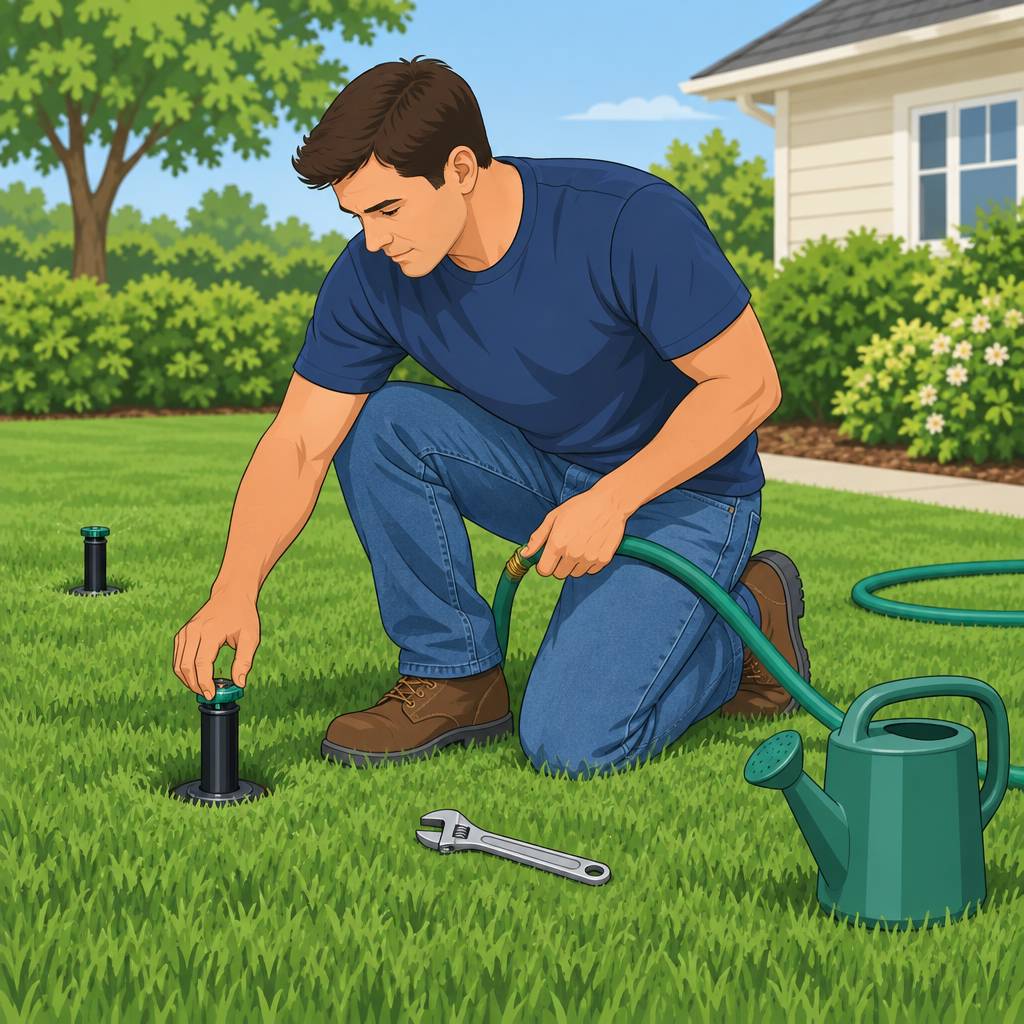
Pressure Troubleshooting and Records
Inspect pipes, valves, and emitters when pressure readings become irregular.
Repair leaks and remove blockages promptly to restore suitable pressure.
Transform Your Career Today
Unlock a personalized career strategy that drives real results. Get tailored advice and a roadmap designed just for you.
Start NowClean filters regularly because clogged filters can restrict water flow.
Also, check valve operation and replace damaged or malfunctioning valves.
Consult an irrigation professional when pressure problems remain difficult to diagnose.
Finally, document pressure readings to track changes and identify developing trends.
These records can support troubleshooting and future pressure adjustments.
Find Out More: Importance of Vitamins and Minerals in Animal Diets
Insulate Pipes for Winter Protection
Winter protection helps shield exposed irrigation pipes from freezing temperatures and prevent expensive damage.
Therefore, identify vulnerable sections before cold weather arrives.
These sections usually sit above ground or inside unheated areas.
- Insulate exposed irrigation pipes before winter temperatures fall.
- Drain and winterize the system before freezing conditions begin.
- Inspect the system after winter for leaks or damage.
- Use foam sleeves or insulation tape to cover exposed pipes.
- Cover gaps completely so cold air cannot reach the pipes.
- Shut off the water supply before draining the system.
- Drain remaining water from the irrigation pipes.
- Remove and store sprinkler heads or other removable components.
- Inspect the pipes after winter for leaks or damage.
Thorough insulation keeps exposed pipes protected throughout the colder months.
Prompt attention can reduce repair costs and keep the irrigation system functional.
Consequently, winter preparation can save time and money.
Professional Irrigation Support
Professional help can improve irrigation system performance and longevity.
A qualified technician can identify problems and recommend suitable solutions.
Professional assistance also supports informed maintenance and upgrade decisions.
- Consider hiring a professional irrigation technician for annual maintenance checks.
- Get expert advice on system improvements or upgrades to enhance efficiency.
- Ensure proper installation and maintenance procedures prolong the system’s lifespan.
Technical Expertise and Experience
Professional irrigation technicians bring knowledge and experience to system evaluation.
They can diagnose problems quickly and identify effective solutions.
As a result, their guidance can help keep the system operating smoothly.
Annual Maintenance Checks
Annual maintenance checks help confirm that the irrigation system functions properly.
A technician can identify developing issues before they become larger problems.
Therefore, routine professional inspections can help control future repair costs.
System Improvements and Upgrades
A professional technician can assess opportunities to improve system efficiency.
They may recommend more efficient components or smart technology.
This advice helps property owners make informed upgrade decisions.
Proper Installation and Maintenance
Professional technicians follow established procedures during installation and maintenance.
Proper procedures can help reduce premature wear and tear.
Consequently, careful professional work can extend the irrigation system’s usable lifespan.
Troubleshooting and Repairs
A technician can diagnose malfunctions and breakdowns efficiently.
Professional repairs address problems with suitable tools and technical knowledge.
Prompt service can minimize downtime and restore system operation.
Long-Term Cost Savings
Professional service may require an upfront investment.
However, proper maintenance can help prevent expensive repairs or replacements.
Over time, those avoided expenses can provide meaningful savings.
Confidence in System Performance
Qualified professional care can provide greater confidence in system operation.
Regular expert attention helps owners address irrigation concerns promptly.
With reliable support, owners can focus on other responsibilities.
Long-Term Irrigation System Value
Consistent irrigation care can reduce avoidable repair expenses and help preserve the system’s useful service life.
A well-maintained irrigation system supports a healthy, thriving landscape while using water responsibly.
Moreover, timely attention to system needs helps owners manage long-term costs.
Prioritizing these practices keeps irrigation equipment ready to support landscape needs throughout the growing season.
Transform Your Career Today
Unlock a personalized career strategy that drives real results. Get tailored advice and a roadmap designed just for you.
Start NowAdditional Resources
Google search results for How to Maintain Irrigation Systems Effectively Agricultural
Bing search results for How to Maintain Irrigation Systems Effectively Agricultural


