




Role of Vitamins and Minerals in Animal Diets
Vitamins and minerals play crucial roles in animal diets.
These essential nutrients support overall health and proper body functions.
Animals need balanced nutrient intake for optimal growth, reproduction, and disease resistance.
Definitions of Vitamins and Minerals
Vitamins are organic compounds that animals require in small amounts.
They support various metabolic processes within the body.
Minerals are inorganic elements that support animal growth and development.
Importance in Animal Nutrition
Vitamins and minerals help animals maintain strong immune systems.
They also support proper bone development and essential metabolic functions.
Insufficient nutrient levels can cause health problems and reduce animal productivity.
Essential Vitamins and Minerals for Animals
Animals require fat-soluble vitamins, including vitamins A, D, E, and K.
They also need water-soluble vitamins, such as B-complex vitamins.
Important minerals include calcium, phosphorus, magnesium, zinc, iron, and others.
A balanced diet containing these nutrients supports animal well-being and productivity.
Importance of Vitamins in Animal Diets
Vitamins support animal growth, reproduction, and overall health.
These essential nutrients maintain important bodily functions in small amounts.
Animals need adequate vitamins to support healthy development and daily function.
Differences Between Fat-Soluble and Water-Soluble Vitamins
Fat-soluble vitamins dissolve in fats and remain stored in the body’s fatty tissues.
They include vitamins A, D, E, and K, which support skin, vision, and immune function.
Water-soluble vitamins dissolve in water and generally leave the body rather than remaining stored.
B vitamins and vitamin C support energy production, metabolism, nerve function, and immunity.
Examples of Vitamins and Their Functions
Animals use different vitamins for distinct physiological functions.
These nutrients support vision, bones, blood clotting, antioxidant protection, and immune activity.
Together, they help maintain essential processes throughout the animal body.
- Vitamin A: Supports vision, immune function, and skin health.
- Vitamin D: Helps the body absorb calcium and maintain healthy bones.
- Vitamin E: Acts as an antioxidant and protects cells from damage.
- Vitamin K: Supports blood clotting and bone health.
- Vitamin C: Supports immune function and collagen production.
- B Vitamins: Help regulate energy metabolism and nerve function.
Without sufficient vitamins, animals may experience impaired growth, poor reproduction, and reduced immune function.
Therefore, balanced diets should provide enough vitamins to meet each animal’s nutritional requirements.
Such diets help animals thrive and maintain healthy lives.
Importance of Minerals in Animal Diets
Minerals help animals maintain health and support essential bodily functions.
They contribute to bone strength, metabolism, and enzyme activity.
Animals need balanced mineral intake to support growth and daily function.
Macro Minerals Versus Micro Minerals
Macro minerals serve animals in relatively large quantities.
These minerals include calcium, phosphorus, magnesium, potassium, and sodium.
Micro minerals work in smaller amounts and include iron, zinc, copper, selenium, and iodine.
Common Minerals and Their Roles
Different minerals support specific processes throughout the animal body.
Some minerals strengthen bones, while others support nerves, muscles, blood, or hormones.
Providing each mineral in a balanced diet helps animals use these nutrients effectively.
- Calcium supports bone and teeth formation, muscle function, and blood clotting.
- Phosphorus works with calcium to build strong bones and teeth and support energy metabolism.
- Magnesium supports muscle and nerve function and contributes to bone health.
- Potassium maintains fluid balance, muscle contractions, and nerve signals.
- Sodium supports nerve function and fluid balance.
- Iron enables oxygen transport in the blood and supports overall metabolism.
- Zinc supports immune function, wound healing, and DNA synthesis.
- Copper supports connective tissue formation, iron absorption, and enzyme production.
- Selenium acts as an antioxidant and supports immune and thyroid function.
- Iodine supports thyroid hormone production, which regulates metabolism.
A balanced mineral supply supports animal growth, health, and overall well-being.
These nutrients help animals maintain proper body functions and good health.
Discover More: Certifications for Agricultural Technicians
Impact of Vitamin and Mineral Deficiencies
Vitamin and mineral deficiencies can seriously affect animal health.
These deficiencies can produce several adverse effects that reduce overall animal well-being.
Transform Your Career Today
Unlock a personalized career strategy that drives real results. Get tailored advice and a roadmap designed just for you.
Start NowTherefore, animals need adequate nutrients to help prevent deficiency-related health problems.
Adverse Effects of Deficiencies
- Without adequate nutrients, animals may experience stunted growth and development.
- Moreover, deficiencies can weaken immunity and increase susceptibility to infections and diseases.
- Insufficient nutrients can also cause reproductive problems that affect an animal’s ability to reproduce.
Diseases Caused by Deficiencies
- Vitamin D deficiency can cause rickets, resulting in weak and brittle bones.
- Similarly, vitamin C deficiency can cause scurvy, weakness, gum disease, and skin problems.
- Iron deficiency can cause anemia, fatigue, weakness, and poor oxygen transport.
Animals need balanced diets that provide adequate vitamins and minerals.
Such diets help prevent deficiencies and support optimal health.
Gain More Insights: Key Regulations for Agricultural Loan Officers
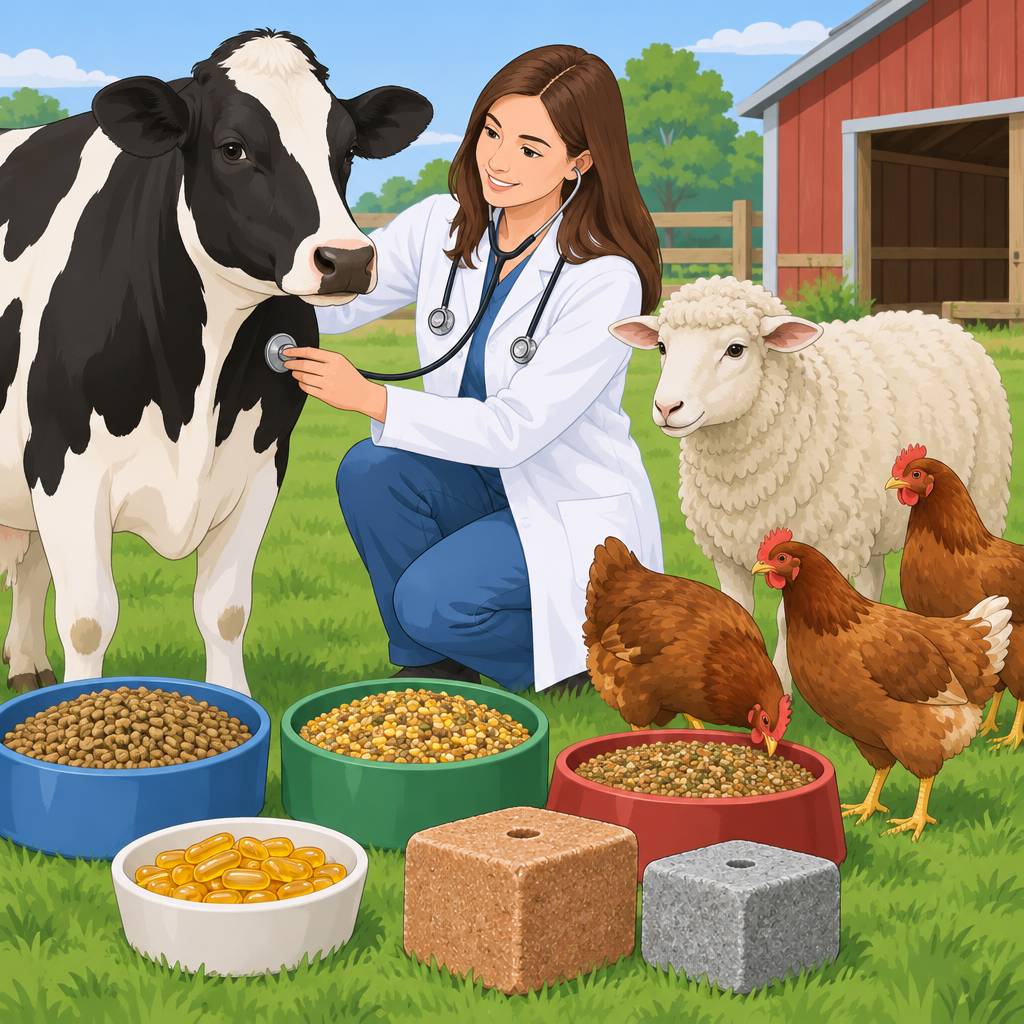
Sources of Vitamins and Minerals in Animal Diets
Animals require various vitamins and minerals to maintain health and support essential body processes.
These nutrients contribute to growth, reproduction, immune function, and metabolism.
Therefore, caretakers should provide balanced diets containing adequate vitamins and minerals.
Natural Sources of Vitamins and Minerals
- Plants, including fruits, vegetables, and grains, supply animals with important vitamins and minerals.
- Meat and fish provide nutrients such as iron, zinc, and B vitamins.
- Dairy products, including milk, cheese, and yogurt, supply calcium, vitamin D, and other nutrients.
Balanced Nutrition for Animal Health
A balanced diet helps animals receive sufficient vitamins and minerals each day.
Additionally, proper nutrition supports healthy growth, development, and immune function.
Without suitable nutrition, animals may develop health problems caused by nutrient deficiencies.
Supplements for Animal Diets
- Vitamin supplements can provide essential vitamins that regular diets may lack.
- Mineral supplements supply nutrients such as calcium, phosphorus, and magnesium.
- Probiotics add beneficial bacteria that support digestion and nutrient absorption.
Natural foods and supplements can help meet the nutritional requirements of animals.
Careful dietary planning supports healthy and productive animals.
Consequently, balanced vitamin and mineral intake remains an important part of animal care.
See Related Content: Exploring Sustainable Fisheries and Aquaculture
Factors Affecting Vitamin and Mineral Absorption
- Age, species, and health status influence how animals absorb vitamins and minerals.
- Healthy guts help animals absorb nutrients efficiently.
- Balanced diets, quality feed ingredients, and fewer anti-nutritional factors improve absorption.
Gain More Insights: How to Publish Research in Plant Pathology
Recommended Daily Allowances for Animals
Recommended daily allowances vary among animal species, sizes, ages, and activity levels.
These allowances help caretakers provide nutrients that support normal health and function.
Following appropriate guidance reduces the risk of inadequate or excessive intake.
Species-Specific Allowance Guidance
Different animal species require different vitamin and mineral amounts.
Pet owners and livestock managers should use guidance designed for the relevant species.
No single numeric allowance applies equally to every animal.
Changes Across Life Stages and Conditions
Young animals often need more nutrients than adults during rapid growth and development.
Pregnant and lactating animals may need increased amounts to support their offspring.
Therefore, caretakers should reassess nutrient needs during growth, pregnancy, and lactation.
Adjusting Intake for Body Weight and Activity
Body weight affects the amount of food an animal needs.
Overweight animals may need fewer calories while still receiving essential nutrients.
Working dogs and productive livestock may need additional energy and nutrients for performance or production.
Determining Appropriate Nutrient Amounts
Veterinarians and animal nutritionists can evaluate an animal’s age, weight, activity, and health.
They may recommend commercial or specialized diets that match those individual requirements.
Careful assessment helps prevent both insufficient intake and harmful excesses.
- Provide a balanced diet suited to the animal’s species and life stage.
- Consider body weight, activity level, and health when selecting portions.
- Use supplements only with veterinary guidance.
Benefits of a Balanced Nutrient-Rich Diet
A balanced diet with adequate vitamins and minerals supports animal growth and development.
These nutrients support physiological functions that promote health and well-being.
Owners can improve animal health by providing diets that meet specific nutritional needs.
- Improved growth, immunity, and overall well-being of animals
- Vitamins and minerals help prevent diseases and support animal performance
- Animals can benefit from diets rich in essential nutrients
Nutrition for Disease Prevention and Performance
Vitamins and minerals help animals maintain functions that support disease prevention and performance.
Vitamin A supports healthy vision and skin, while zinc supports wound healing and immune function.
Working animals may need strong energy and stamina to perform their tasks effectively.
Therefore, nutrient-rich diets can reduce health risks and support better physical performance.
Animal Health Benefits from Essential Nutrients
Horses receiving vitamin E and selenium may develop improved muscle function.
These nutrients may also reduce the risk of tying-up syndrome in horses.
Dogs fed omega-3 fatty acids may experience less inflammation and healthier skin and coats.
Transform Your Career Today
Unlock a personalized career strategy that drives real results. Get tailored advice and a roadmap designed just for you.
Start NowDairy cows receiving calcium and phosphorus supplements may produce higher-quality milk.
Owners should tailor animal diets to each animal’s specific nutritional requirements.
Supporting Animal Nutrition
Responsible animal care requires attention to vitamin and mineral intake.
These nutrients support metabolism, growth, immunity, and other essential body processes.
However, each animal may require a different nutritional approach.
Owners should consult veterinarians or animal nutritionists when evaluating dietary needs.
Professional guidance can help identify deficiencies or imbalances in an animal’s diet.
Additionally, owners should provide diets that supply appropriate vitamins and minerals.
Consistent nutritional care helps pets and livestock maintain health and performance.
Consequently, responsible owners can promote healthy, active lives through informed feeding decisions.
Additional Resources
Google search results for Importance of Vitamins and Minerals in Animal Diets Agricultural
Bing search results for Importance of Vitamins and Minerals in Animal Diets Agricultural


