




Effective Communication in Pest Control
Effective communication between pest control advisors and clients supports successful treatments.
It also affects customer satisfaction significantly.
Therefore, advisors and clients need clear communication throughout treatment.
Understanding Client Needs
Active listening helps pest control advisors understand clients’ concerns thoroughly.
Probing questions reveal specific pest issues and help advisors manage client expectations.
Careful attention also supports a pest control plan that reflects each client’s needs.
- Customers may struggle to describe their problems clearly, so advisors should listen carefully.
- Attentive listening shows clients that advisors value their concerns and remain invested in solutions.
- Advisors can clarify uncertainties by asking about pest types and infestation extent.
- Understanding a client’s pest tolerance helps advisors develop a suitable control plan.
- Advisors can identify sanitation or structural issues that contribute to pest problems.
Providing Clear Explanations
Pest control advisors should explain treatment options in simple, understandable language.
Clear explanations help clients understand proposed pest control measures and their effects.
Therefore, advisors should avoid technical jargon whenever possible.
- Explain treatment options using familiar words.
- Help clients make informed pest control decisions.
Importance of Clear Explanations
Many clients may not recognize pest control terminology or treatment details.
Advisors can make this information clearer by breaking complex ideas into smaller explanations.
This approach helps clients understand why advisors recommend particular pest control measures.
Benefits of Using Layman’s Terms
Layman’s terms connect technical knowledge with practical understanding.
For example, advisors can describe a treatment as a barrier that keeps pests outside.
As a result, clients can compare strategies according to their preferences and concerns.
Examples of Clear Treatment Explanations
Simple wording can make treatment processes easier for clients to visualize.
Instead of naming a residual insecticide, describe it as a solution that removes bugs.
You can also explain that the solution helps prevent bugs from returning.
- We will spray a safe solution to eliminate bugs and prevent them from coming back.
- We will treat the area to kill mosquito larvae and stop them from breeding.
These explanations give clients practical information without unnecessary scientific terms.
Consequently, clients can participate more confidently in pest control decisions.
Clear language also supports a better understanding of the proposed treatment.
Explore Further: Veterinary Technician Specializations Explained
Realistic Expectations for Pest Control Results
Realistic expectations support successful pest control services.
Therefore, explain achievable outcomes before treatment begins.
Also, discuss expected timelines to prevent misunderstandings and dissatisfaction.
- Manage client expectations to support successful pest control services.
- Describe which treatment outcomes clients can reasonably expect.
- Explain potential challenges and limitations honestly.
- Some pests may require multiple treatments for complete eradication.
- Identify factors that could affect treatment success.
- Clarify how long significant results may take.
- Emphasize that complete elimination may require patience.
- Use past cases to illustrate typical outcomes and timelines.
- Invite clients to ask questions about their treatment.
- Address client concerns before treatment begins.
By setting expectations early, you build trust with clients.
Clear expectations also reduce unrealistic demands and treatment-related frustration.
Furthermore, transparent discussions help clients understand possible treatment limitations.
Every pest control situation remains unique.
Outcomes can vary because of infestation severity, pest type, and environmental factors.
Educating clients about these variables helps prevent misunderstandings.
Ultimately, realistic expectations encourage a positive, collaborative relationship.
That relationship can support successful pest control outcomes within an achievable timeframe.
You Might Also Like: Importance of Vitamins and Minerals in Animal Diets
Importance of Promptly Responding to Inquiries
Prompt responses demonstrate professionalism and care for client needs.
They help address urgent pest control issues before further damage occurs.
Timely communication shows clients that advisors value their time and concerns.
- It demonstrates excellent customer service and care for the client’s needs.
- It helps address urgent pest control issues promptly, preventing further damage.
- Timely responses show that you value your client’s time and concerns.
- It prevents misunderstandings and ensures clear communication between you and the client.
Strategies for Maintaining Open Lines of Communication
Advisors can keep communication accessible through several channels.
Clear response expectations help clients understand when to expect updates.
Regular follow-up allows advisors to address new concerns promptly.
Transform Your Career Today
Unlock a personalized career strategy that drives real results. Get tailored advice and a roadmap designed just for you.
Start Now- Utilize multiple communication channels such as phone, email, and in-person meetings.
- Set clear expectations with clients about response times.
- Implement automated responses for inquiries received after hours or during busy periods.
- Regularly follow up with clients to confirm their needs are being met.
Prompt responses demonstrate dedication to excellent service.
Open communication also supports positive, lasting client relationships.
Uncover the Details: Certifications for Agricultural Technicians
Providing Regular Updates
Regular updates keep clients informed about treatment progress.
They also build trust and support client satisfaction throughout the pest control process.
Furthermore, consistent communication helps clients understand treatment developments and necessary next steps.
- Transparency helps clients understand the treatment process and know what to expect.
- Regular updates provide peace of mind by showing that advisors address the pest problem.
- Open communication encourages clients to share questions and concerns with pest control advisors.
- Early updates reveal when advisors need to adjust treatments or recommend additional services.
Advisors can use several methods to keep clients engaged during treatment.
Each method should present clear progress details and identify the next steps.
- Send weekly or monthly progress reports describing treatment status and observed improvements.
- Schedule follow-up calls to answer questions and address client concerns.
- Email brief summaries that explain progress and outline upcoming treatment steps.
- Offer site visits so clients can review progress and discuss issues in person.
- Provide online portals where clients can track treatment progress and receive updates.
Discover More: Key Regulations for Agricultural Loan Officers
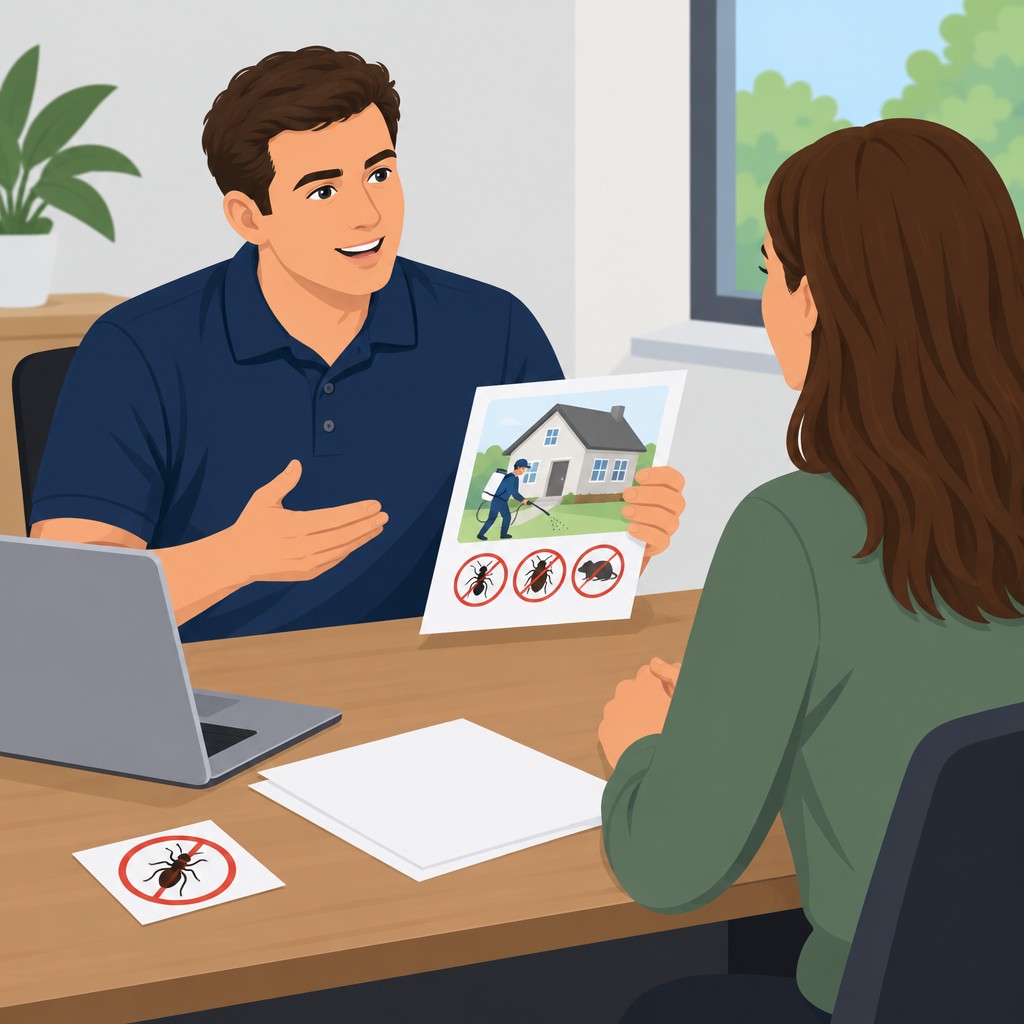
Addressing Complaints and Feedback
Client complaints and feedback are inevitable in the pest control industry.
Prompt, professional, and empathetic responses can protect important client relationships.
Effective issue management can strengthen client trust and support service improvement.
Importance of Handling Client Complaints and Feedback
Effective complaint handling helps retain clients and prevents them from seeking services elsewhere.
Feedback also reveals opportunities to improve services and internal processes.
Empathetic resolutions can build trust while protecting your reputation within the industry.
- Address complaints effectively to support client retention.
- Handle issues professionally to protect your industry reputation.
- Use negative feedback to improve services and processes.
- Resolve concerns with empathy to strengthen client trust.
Effective Methods for Resolving Issues
A structured response helps you address complaints consistently and professionally.
First, understand the client’s concern before deciding how to respond.
Then, provide a practical solution and confirm that it addresses the issue.
- Listen actively to understand the client’s concerns fully.
- Acknowledge the issue and show empathy toward the client’s situation.
- Offer a sincere apology to demonstrate that you value the client’s business.
- Propose viable solutions that address the complaint and prevent future occurrences.
- Follow up afterward to confirm the client’s satisfaction.
Maintaining Positive Client Relationships
Consistent service and professional conduct can support lasting client relationships.
Transparency helps clients understand your services, pricing, and potential issues.
Actively inviting feedback also demonstrates that you value client perspectives.
- Keep communication channels open for feedback and updates.
- Explain services, pricing, and potential issues transparently.
- Deliver consistent quality to build client trust and loyalty.
- Maintain professionalism when challenging situations arise.
- Seek client feedback to support continuous service improvement.
Professional and empathetic complaint handling can strengthen client relationships.
It can also enhance your reputation within the pest control industry.
Preventive Pest Control Education
Prevention helps clients avoid future pest infestations.
As a Pest Control Advisor, you can explain how simple maintenance supports a pest-free environment.
These practices can reduce costly and disruptive pest issues.
Why Client Education Matters
Client education empowers people to take proactive steps toward maintaining a pest-free environment.
Moreover, preventive guidance can reduce recurring pest issues that become costly and disruptive.
Regular maintenance also helps clients understand their role in preventing infestations.
- Clients can take proactive steps to maintain a pest-free environment.
- Preventive actions can reduce recurring pest issues and related expenses.
- Regular maintenance helps clients prevent future infestations.
Practical Pest Prevention Measures
Clients can limit pest access by maintaining the home’s structure and surrounding areas.
Likewise, proper food storage, regular cleaning, and moisture control can discourage pests.
Regular inspections can help clients identify pest problems before they grow.
- Seal cracks, gaps, and holes that pests could use to enter the home.
- Store food in airtight containers and keep the kitchen clean.
- Vacuum regularly and dispose of garbage promptly.
- Keep the yard well-groomed and free of debris.
- Fix leaks and other moisture issues inside the home.
- Inspect the property regularly to identify pest problems early.
Resources and Follow-Up Recommendations
Practical resources can help clients apply preventive measures consistently.
A checklist gives clients a clear way to track important maintenance tasks.
Follow-up appointments provide opportunities to review progress and offer additional guidance.
- Provide a checklist of preventive measures for clients to follow.
- Offer brochures or guides that explain pest prevention practices.
- Schedule follow-up appointments to review maintenance practices.
- Offer ongoing support as clients maintain a pest-free home.
These recommendations empower clients to take greater control of their environment.
Preventive maintenance can help clients maintain a pest-free home while saving time and money.
Building Lasting Client Relationships
Proactive communication helps pest control advisors build trust with clients.
Transparent service practices also encourage stronger, long-term professional relationships.
Moreover, tailored solutions show clients that advisors recognize their individual needs.
Transform Your Career Today
Unlock a personalized career strategy that drives real results. Get tailored advice and a roadmap designed just for you.
Start NowClients feel valued when advisors communicate clearly and address pest control concerns promptly.
As a result, satisfied clients may continue using the service and recommend it to others.
Ultimately, strong client relationships support retention, referrals, and a positive industry reputation.
Additional Resources
Google search results for Pest Control Advisor: Communicating with Clients Agricultural
Bing search results for Pest Control Advisor: Communicating with Clients Agricultural


