




Veterinary Technician Specializations
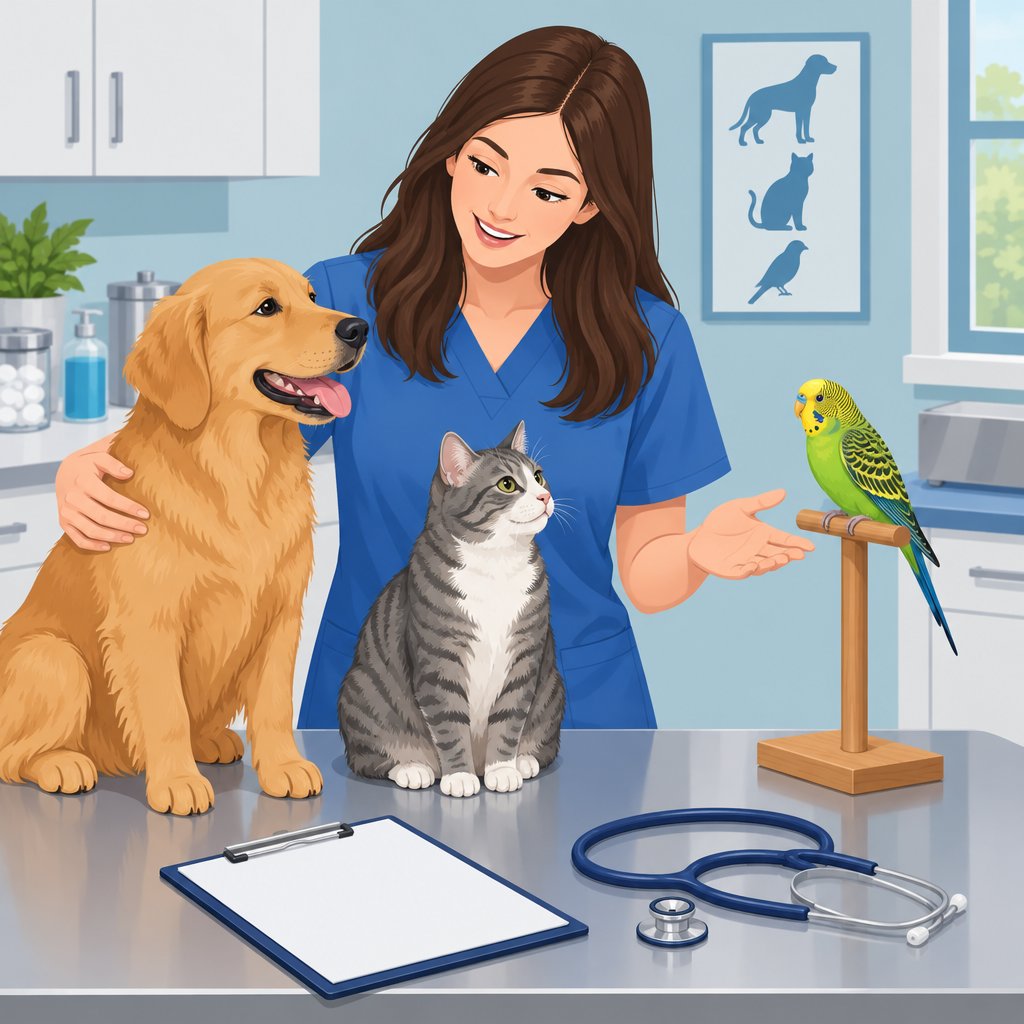
Veterinary technicians help veterinarians provide medical care to animals.
Specialization strengthens skills in a focused area and supports advanced animal care.
Several specializations allow technicians to serve animals with different medical needs.
Dental Veterinary Technicians
Dental veterinary technicians focus on oral care for animals.
They perform cleanings and extractions while educating pet owners about dental health.
As a result, their work helps prevent dental problems and supports healthy mouths.
Anesthesia Veterinary Technicians
Anesthesia veterinary technicians administer anesthesia during surgical procedures.
They monitor patients’ vital signs throughout medical procedures.
Therefore, they support safe and effective sedation for animals.
Emergency and Critical Care Veterinary Technicians
Emergency and critical care technicians work in emergency clinics.
They provide immediate care to injured or seriously ill animals.
Additionally, they manage triage, trauma, and life-saving treatments for critical patients.
Zoological Medicine Veterinary Technicians
Zoological medicine technicians care for animals in zoos, aquariums, and wildlife centers.
They focus on exotic species and assist with health assessments.
They also support enrichment programs and conservation efforts for diverse wildlife.
Equine Veterinary Technicians
Equine veterinary technicians provide medical care to horses.
They assist with routine examinations, surgeries, and rehabilitation.
Furthermore, they work with equine veterinarians in clinics, farms, and racetracks.
Anesthesia and Surgical Technician
Anesthesia and Surgical Technicians assist veterinarians during animal surgeries.
They prepare surgical equipment and monitor anesthesia throughout procedures.
Specialized training helps them perform anesthesia and surgical tasks safely.
Role of Anesthesia and Surgical Technicians
They prepare the operating room before each procedure.
They sterilize surgical equipment and confirm that needed supplies are ready.
During surgery, they hand instruments, suture wounds, and monitor vital signs.
Responsibilities During Surgical Procedures
They monitor anesthesia carefully throughout each procedure.
They track heart rate, blood pressure, and respiratory rate to protect the animal.
They also prepare the surgical site and assist with pre-operative procedures.
After surgery, they monitor the animal’s recovery.
They ensure the animal wakes safely from anesthesia.
They also provide necessary post-operative care instructions to pet owners.
Specialized Training and Patient Support
Because their work affects patient safety, technicians receive specialized training.
This training develops skills in anesthesia administration and surgical procedures.
It also prepares them to assist with complex cases, manage emergencies, and support high-quality patient care.
By following strict protocols, they support successful surgical interventions.
They contribute to the health and well-being of animals in their care.
Emergency and Critical Care Technician
Emergency and critical care technicians focus on urgent animal cases and intensive support.
They use specialized training to respond quickly during emergencies.
They work closely with veterinarians to stabilize animals in critical condition.
Emergency Care Responsibilities
These technicians assess animals immediately after arrival for emergency care.
They perform triage and prioritize patients according to severity.
Transform Your Career Today
Unlock a personalized career strategy that drives real results. Get tailored advice and a roadmap designed just for you.
Start NowThey also provide treatments, monitoring, communication, surgery assistance, and postoperative support.
- They assess the condition of animals brought in for emergency care.
- They perform triage to prioritize cases based on severity.
- They administer emergency treatments, including CPR, wound care, and stabilizing medications.
- They monitor vital signs and treatment responses during critical care.
- They communicate with pet owners about their animals’ conditions.
- They assist with surgery and postoperative care for critical cases.
Fast-Paced Emergency Care
Emergency and critical care technicians work in fast-paced settings where every second counts.
They remain calm under pressure while making quick decisions.
They also manage emotional situations with compassion and professionalism.
- They may work long hours and remain on call outside regular business hours.
- They may work holidays and weekends to provide continuous emergency care.
- They respond to urgent situations in environments where rapid action matters.
- They support animals and owners during emotionally charged emergencies.
Emergency Care Impact
These technicians provide immediate care that can help save animals in critical condition.
Specialized skills support urgent treatment and continued critical monitoring.
The role suits individuals who think quickly, remain calm, and support owners compassionately.
Find Out More: Importance of Vitamins and Minerals in Animal Diets
Dentistry Technician
As a dentistry technician, you play a crucial role in maintaining animals’ oral health.
Your primary responsibilities include dental cleanings, oral examinations, and dental X-rays.
Additionally, you work closely with veterinarians to provide comprehensive dental care.
Maintaining dental health supports animals’ overall wellness.
Poor dental hygiene can cause health issues, including periodontal disease and infections.
Therefore, proactive dental care helps prevent serious health problems from developing.
Through specialized training, dentistry technicians identify early dental problems and take appropriate action.
You also educate pet owners about regular dental checkups and at-home oral care.
Moreover, proper dental care can reveal underlying health issues at an early stage.
Ultimately, dentistry technicians promote animals’ overall wellness and longevity.
You Might Also Like: Certifications for Agricultural Technicians
Behavior Technician
Behavior technicians focus on animal behavior within veterinary settings.
They evaluate behavioral concerns and help improve animals’ overall well-being.
Moreover, they support care teams by addressing behavior challenges proactively.
Overview of the Specialization
Behavior technicians assess and modify behaviors to support healthier lives for animals.
They work closely with veterinarians to create behavior assessment plans.
Together, they develop training and enrichment programs that address individual behavioral needs.
Responsibilities in Behavior Assessment, Training, and Enrichment
Their responsibilities combine assessment, training, and enrichment activities.
- They conduct behavior assessments to identify issues affecting an animal’s behavior.
- They develop training programs that address behavior problems and improve obedience.
- They create enrichment programs that provide mental and physical stimulation for captive animals.
Importance of Understanding Animal Behavior
Understanding animal behavior helps veterinary teams provide appropriate care and treatment.
By addressing behavioral concerns, technicians and veterinarians can improve animals’ quality of life.
Behavior problems may cause stress, aggression, and other health issues.
Therefore, technicians address these challenges proactively to support healthier, happier animals.
Gain More Insights: Key Regulations for Agricultural Loan Officers
Clinical Pathology Technician
Clinical Pathology Technicians analyze animal blood and urine samples within veterinary medicine.
They perform laboratory tests and interpret results for veterinarians.
Consequently, their findings support informed decisions about animal health and treatment.
Explanation of the Role
Clinical Pathology Technicians focus on animal samples and provide diagnostic information.
They work closely with veterinarians to deliver accurate and timely results.
Their findings help veterinarians identify conditions and select appropriate treatments.
Analysis of Blood and Urine Samples
Technicians collect animal samples and prepare them for laboratory analysis.
They perform tests, including complete blood counts and urinalysis, to assess animal health.
Afterward, they interpret the data and prepare detailed reports for veterinarians.
Transform Your Career Today
Unlock a personalized career strategy that drives real results. Get tailored advice and a roadmap designed just for you.
Start NowImportance of Accurate Diagnostic Testing
Accurate diagnostic testing helps veterinarians identify diseases and conditions in animals.
It also supports appropriate treatment plans and patient monitoring.
By maintaining test accuracy, technicians strengthen the quality of veterinary care.
See Related Content: Exploring Sustainable Fisheries and Aquaculture
Equine Technician
Equine technicians specialize in caring for and treating horses.
They provide essential support during handling, grooming, and horse-specific medical procedures.
Additionally, they assist veterinarians with daily equine care.
These technicians handle horses during examinations and procedures.
They also groom horses and support veterinarians during medical treatments.
Because horses are large and strong, their care presents unique challenges.
Therefore, technicians must understand equine behavior and safe handling techniques.
These skills protect both the technicians and the horses.
However, working with horses also brings meaningful rewards.
Technicians can build a bond with a horse.
They may witness a horse’s recovery from illness or injury.
Moreover, they contribute directly to each horse’s overall well-being.
Exotic Animal Technician
- Exotic animal technicians care for reptiles, birds, and small mammals.
- They provide medical care, assist with surgeries, and monitor animal behavior and nutrition.
- Additionally, they understand exotic animals’ behaviors, diets, and habitat requirements.
- They safely and effectively handle and restrain various exotic species.
- These technicians work in zoos, wildlife rehabilitation centers, aquariums, and specialized veterinary clinics.
- They may also support wildlife conservation efforts and educational programs about exotic species.
- Furthermore, the job requires physical stamina, attention to detail, and strong communication skills.
Internal Medicine Technician Responsibilities
Internal medicine technicians assist veterinarians with complex medical conditions in animals.
They support diagnostic processes and help veterinarians develop appropriate treatment plans.
Their focused knowledge strengthens care for animals with challenging medical needs.
Additional Resources
Google search results for Veterinary Technician Specializations Explained Agricultural
Bing search results for Veterinary Technician Specializations Explained Agricultural


