




Influencer Marketing for Farm Products
Influencers play a crucial role in marketing by leveraging their authority and credibility to promote products.
In today’s digital age, influencers shape modern marketing strategies for niche markets like farm products.
Farm product marketers can collaborate with influencers who have strong online presences and engaged followings.
Identifying the Right Influencers
- Marketers should understand the target audience for farm products.
- They should research influencers with strong connections to the agricultural industry.
- They must check each potential influencer’s authenticity and engagement.
Understanding the Target Audience for Farm Products
Marketers need a deep understanding of the target audience when identifying influencers for farm product marketing.
Farm products attract consumers interested in agriculture, sustainability, and healthy living.
Therefore, marketers should identify audience demographics, interests, and buying behaviors before selecting influencers.
Researching Influencers Connected to Agriculture
Influencers connected to agriculture can resonate strongly with the target audience.
For example, marketers can consider farmers, agricultural experts, and sustainable farming advocates.
These authentic industry voices can help build credibility for farm products.
Checking Influencer Authenticity and Engagement
Before partnering with influencers, marketers should evaluate their authenticity and engagement.
They can review social media profiles, websites, and previous collaborations for genuine agricultural interest.
Additionally, engagement metrics such as likes, comments, and shares can indicate audience influence and impact.
Building Relationships with Influencers
Building strong relationships helps marketers leverage influencers for farm product marketing.
Influencers can expand audience reach and increase industry credibility.
Therefore, marketers should engage authentically and communicate consistently.
- Engage with their content on social media
- Attend events where they speak or present
- Contact them through email or direct message
- Offer to collaborate on a project or event
- Remain genuine and authentic during interactions
Reaching Out with Personalized Messages
Personalized outreach shows research and understanding of an influencer’s brand.
A tailored message can make the proposed collaboration clearer.
Respectful communication also acknowledges the influencer’s time and schedule.
- Address the influencer by name
- Reference a recent post or collaboration
- Explain why you admire their work
- Clearly state your proposal
- Respect their time and schedule
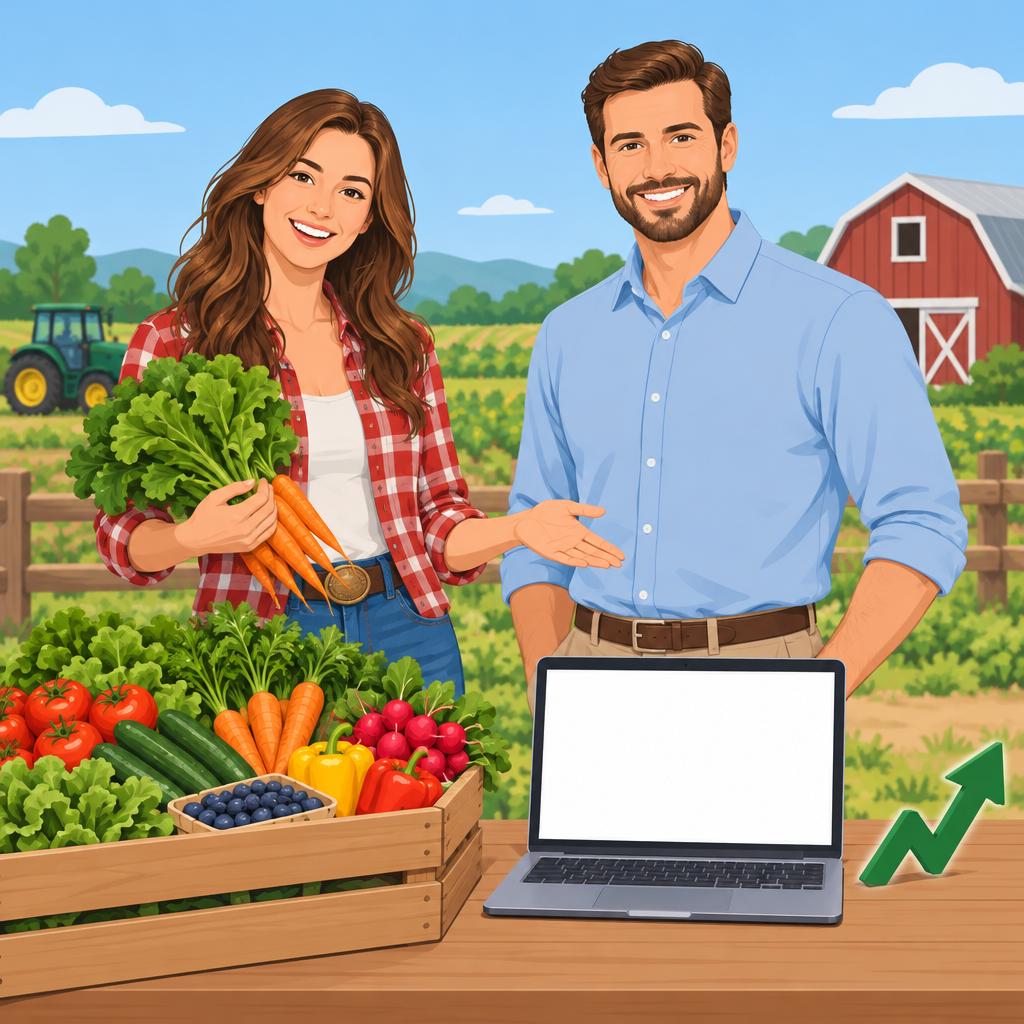
Offering Value in Exchange for Promotion
Influencers receive many promotion requests, so marketers should offer meaningful value.
Useful incentives can support the influencer’s time and creative effort.
Additionally, valuable offers can create stronger opportunities for collaboration.
- Provide free samples of farm products
- Sponsor a giveaway or contest
- Invite the influencer for a farm tour
- Compensate the influencer for time and effort
- Provide exclusive access to product launches or events
Establishing Mutually Beneficial Partnerships
Successful influencer relationships should benefit both the marketer and the influencer.
Clear expectations help both parties understand the partnership’s goals.
Ongoing communication can support quality content and continued collaboration.
- Set clear partnership expectations and goals
- Communicate regularly and openly
- Provide resources for quality content creation
- Allow creative freedom when showcasing farm products
- Offer ongoing support and feedback
Uncover the Details: Food Scientists' Contributions to Food Biotechnology
Collaborating with Influencers on Marketing Campaigns
Influencer partnerships can strengthen farm product marketing campaigns.
Influencers connect with their audiences and can present products through familiar voices.
Therefore, marketers can use these connections to support authentic product promotion.
Setting Clear Goals and Objectives
Marketers should define campaign goals before beginning an influencer partnership.
Clear objectives help both parties coordinate their efforts.
They also help both parties focus their efforts on a successful marketing campaign.
Creating Creative Content for Farm Products
Marketers can work with influencers to develop creative content featuring farm products.
Photos, videos, blog posts, and social media posts can present products in engaging ways.
Each format offers an engaging way to showcase the products.
Supporting Authentic Influencer Promotion
Influencers should have creative freedom when promoting farm products.
This freedom helps them create content that fits their audience.
As a result, the campaign can encourage genuine engagement and consumer interest.
See Related Content: Role of Environmental Scientists in Organic Farming
Measuring Influencer Marketing Campaign Success
- Tracking engagement metrics such as likes, comments, and shares
- Monitoring website traffic and sales generated by influencer promotions
- Seeking feedback from influencers and customers for future improvements
When leveraging influencers for farm product marketing, measuring campaign success helps you assess performance and audience engagement.
You need evidence that your efforts produce desired results and connect with your target audience.
Transform Your Career Today
Unlock a personalized career strategy that drives real results. Get tailored advice and a roadmap designed just for you.
Start NowSeveral methods can reveal campaign effectiveness and guide future decisions.
Tracking Engagement Metrics
First, track engagement metrics to measure how audiences respond to influencer content.
Monitor likes, comments, and shares on posts featuring your farm products.
These responses indicate whether the content resonates with your audience.
Monitoring Website Traffic and Sales
Next, monitor website traffic and sales generated through influencer promotions.
Track visitors who reach your website through influencer posts.
Then, compare this traffic with sales of your farm products.
This information shows how influencer activity affects your business results.
Gathering Feedback for Future Improvements
Finally, seek feedback from influencers and customers to improve future campaigns.
Influencer feedback can identify successful elements and areas needing adjustment.
Customer responses reveal preferences and expectations for upcoming promotions.
Use these insights to refine your marketing strategies and improve campaign performance.
Regular review helps you align influencer activity with your marketing goals.
Explore Further: Key Skills Needed for Agricultural Policy Analysts
Overcoming Challenges in Influencer Marketing
Businesses may face several challenges when using influencers to market farm products.
Understanding these obstacles helps marketers develop practical responses for stronger campaigns.
Therefore, proactive planning can support product promotion and broader audience reach.
Managing Influencer Burnout and Fatigue
Influencers regularly create content, engage audiences, and promote products.
Consequently, repeated campaign demands can leave them overwhelmed or uninspired.
Marketers should monitor this risk throughout each partnership.
Regular check-ins reveal whether influencers need support or a temporary break.
Moreover, spacing campaigns can protect motivation and encourage fresh content.
Handling Negative Feedback and Public Relations Issues
Negative feedback can spread quickly because influencers communicate directly with followers.
Public relations issues may therefore threaten a farm product brand’s reputation.
Businesses need a crisis management plan before problems arise.
That plan should encourage quick responses and open communication.
Additionally, marketers can work with influencers to address concerns and resolve issues.
Strong partnerships can reduce the impact of negative feedback on the brand.
Adapting to Social Media Algorithms and Trends
Social media algorithms and trends change frequently.
These changes can affect how businesses use influencers to promote farm products.
Thus, marketers must adjust strategies to remain competitive in digital spaces.
Businesses should follow current trends and algorithm developments.
They can attend conferences, network with industry experts, and use analytics tools.
These activities help marketers track campaign performance and adapt their approach.
Effective responses require communication, crisis planning, and awareness of social media changes.
By addressing these challenges, businesses can use influencer campaigns more effectively.
They can also promote farm products to wider audiences.
Find Out More: Dairy Scientists and Animal Genetics Research
Strategic Growth Through Influencer Partnerships
Strategic influencer partnerships can extend audience reach, strengthen brand visibility, and support farm product sales.
Additionally, these collaborations can help agriculture businesses connect with interested consumers.
Transform Your Career Today
Unlock a personalized career strategy that drives real results. Get tailored advice and a roadmap designed just for you.
Start NowBusinesses can therefore explore partnerships that suit their marketing goals.
Influencers can use their loyal followings and credibility to present farm products effectively.
Consequently, their recommendations may help businesses communicate product value more persuasively.
Strategic collaborations also create opportunities for sustained business growth.
By aligning with suitable influencers, businesses can build authentic connections with their target audiences.
These connections can encourage lasting brand loyalty and support future marketing efforts.
Additional Resources
Google search results for Leveraging Influencers for Farm Product Marketing Agricultural
Bing search results for Leveraging Influencers for Farm Product Marketing Agricultural


