




Food Science and Biotechnology
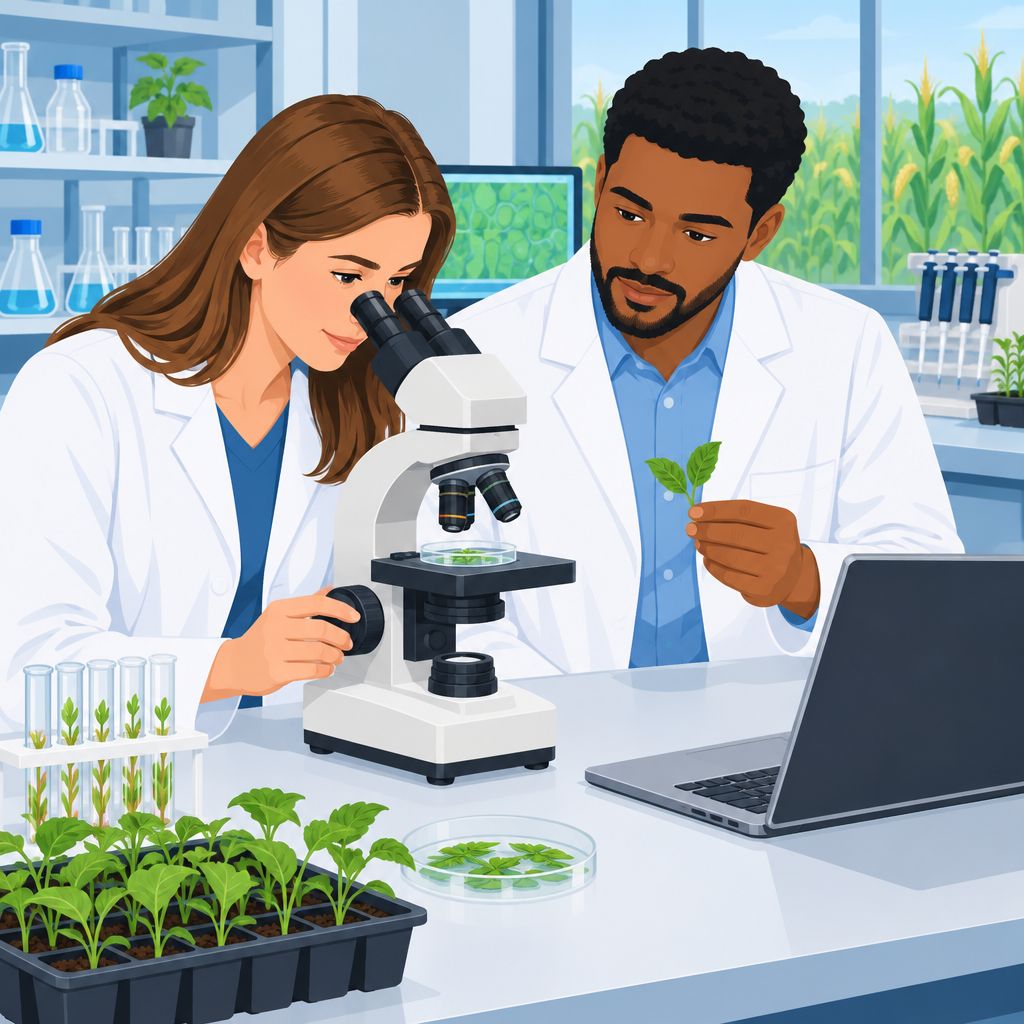
Food scientists study the science behind food production, processing, and preservation.
Food biotechnology uses biological processes to improve food products and related technologies.
These professionals play a crucial role in biotechnology through innovative food production solutions.
Furthermore, they apply their expertise to advance food processing methods.
They use chemistry, biology, and food technology skills to support food biotechnology.
History of Food Biotechnology
- Food biotechnology traces its origins to ancient food preservation techniques.
- Fermentation and canning became important developments in food preservation.
- Pasteurization later expanded biotechnology’s role in food safety and preservation.
Roles of Food Scientists in Biotechnology
- Food scientists develop new food products for the modern food industry.
- They also enhance existing products through biotechnological techniques.
- These techniques improve food safety, quality, and nutritional value.
Genetic Engineering in Food Biotechnology
- Genetic engineering modifies crops to improve their resistance to pests.
- It can also strengthen crop resistance to diseases.
- Additionally, this technology can enhance the nutritional content of foods.
Food Biotechnology’s Impact on Agriculture
- Food biotechnology has increased agricultural crop yields.
- It has reduced the need for pesticides in agricultural production.
- Furthermore, it has produced drought-resistant and high-nutrient crops.
Challenges and Controversies in Food Biotechnology
- Genetically modified organisms raise concerns about potential effects on human health.
- They also raise concerns about potential environmental effects.
- Meanwhile, debates continue about labeling laws and consumer knowledge of GMOs.
Future Directions in Food Biotechnology
- CRISPR technology continues advancing precise gene editing in crops.
- Plant-based alternatives are growing as potential sustainable food sources.
- Lab-grown meats are also developing as potential sustainable food sources.
Food Biotechnology and Sustainable Nutrition
- Food scientists have helped shape the modern food industry’s biotechnology practices.
- Technology continues creating possibilities for sustainable food production.
- It also supports future efforts to produce more nutritious foods.
Food Scientists Advancing Food Biotechnology
Food scientists advance food biotechnology through research, innovation, and practical applications.
They develop technologies that improve food production, processing, and preservation.
Their work connects biological methods with safer, higher-quality, and more sustainable food production.
- They conduct research to create new technologies for food production and preservation.
- They genetically modify crops to increase yields and improve resistance to pests and diseases.
- They develop functional foods that provide additional health benefits for consumers.
- They create methods to detect and regulate foodborne pathogens, improving food safety.
- They enhance food nutrition, flavor, and texture through biotechnology.
- They support sustainable production through eco-friendly packaging and food waste reduction.
- They track food products throughout supply chains, improving transparency and traceability.
Food Safety, Quality, and Sustainability Improvements
Food scientists also strengthen food safety, quality control, nutrition, and environmental responsibility.
They apply scientific methods to protect consumers and support consistent food production.
Additionally, they address sustainability challenges while responding to changing industry and consumer needs.
- They detect and eliminate harmful bacteria and contaminants in food products.
- They implement quality controls that maintain consistent production standards.
- They extend the shelf life of perishable foods, reducing waste and supporting sustainability.
- They fortify foods with essential nutrients to address deficiencies and promote health.
- They source ingredients sustainably to reduce environmental impacts and encourage ethical practices.
- They study food allergens and prevent cross-contamination to protect consumers.
These contributions help the food industry meet growing demands for safe, nutritious, high-quality, and sustainable products.
Gain More Insights: Role of Environmental Scientists in Organic Farming
Creating Genetically Modified Organisms
Food scientists modify organism DNA to produce desired traits in food crops.
These organisms can resist pests, diseases, and herbicides, which may improve crop yields.
Moreover, genetic engineering introduces beneficial traits that might not arise naturally.
Scientists can also develop crops with enhanced nutritional content.
Improving Crop Yield and Nutrition
Food scientists analyze and select specific genes for insertion into plant cells.
By introducing new genes, scientists can strengthen crops against environmental stresses.
As a result, modified crops may produce higher yields under challenging conditions.
Scientists also use genetic modification to improve the nutritional value of crops.
For example, GMOs can contain increased levels of essential vitamins and minerals.
Benefits for Food Security and Sustainability
GMOs may help address global food insecurity by increasing crop production.
Additionally, genetic modification can create crops that better withstand climate change.
Enhanced yields and nutrition can support food security and sustainable food production.
Furthermore, resistant crops may reduce the need for chemical pesticides.
This reduction could benefit both the environment and human health.
Ethical and Safety Considerations
Foods derived from GMOs must undergo rigorous safety assessments before consumption.
However, debates continue about their long-term health and environmental effects.
Food scientists continue researching and monitoring GMO effects on people and ecosystems.
Transparent labeling allows consumers to make informed choices about GMO products.
Ethical discussions also consider biodiversity and the effects on natural ecosystems.
Responsible Applications of Genetic Modification
Genetic modification gives food scientists tools for addressing food security and nutrition challenges.
Nevertheless, scientists must pair innovation with thorough safety assessments and ongoing monitoring.
Clear communication can help the public understand both the benefits and concerns surrounding GMOs.
Discover More: Key Skills Needed for Agricultural Policy Analysts
Food Preservation Techniques
Food preservation helps maintain safety, quality, and freshness.
Different techniques control moisture, temperature, acidity, or microbial growth.
Food scientists select suitable methods according to each product’s characteristics.
- Refrigeration slows bacterial growth and helps preserve perishable foods.
- Freezing maintains food quality and freshness for extended periods.
- Canning heats food inside sealed containers to destroy bacteria and prevent spoilage.
- Drying removes moisture and limits bacterial growth.
- Pickling uses vinegar, salt, and spices to preserve food.
Benefits of Food Preservation
Preservation methods help prevent food from becoming spoiled or unsafe.
Transform Your Career Today
Unlock a personalized career strategy that drives real results. Get tailored advice and a roadmap designed just for you.
Start NowThey also allow people to store food for longer periods.
As a result, effective preservation can reduce waste from perishable products.
- Preservation techniques help prevent food spoilage.
- Proper methods extend the storage life of many food products.
- Longer storage periods can reduce food waste.
Food Scientists’ Role in Preservation
Food scientists research improved ways to preserve food products.
They evaluate whether preservation maintains nutritional value, quality, and safety.
Additionally, they support sustainable methods that can reduce environmental effects.
- Food scientists develop innovative preservation techniques.
- They monitor quality during preservation and storage.
- They establish safety standards that help prevent contamination.
- They investigate eco-friendly preservation practices.
Challenges in Food Preservation
Advanced preservation methods may increase costs for producers and consumers.
Some techniques can change a food’s flavor, texture, or appearance.
Moreover, long-term stability without artificial preservatives remains difficult.
- Cost can limit access to advanced preservation technologies.
- Preservation may alter flavor or texture.
- Maintaining shelf stability without artificial preservatives presents challenges.
See Related Content: Dairy Scientists and Animal Genetics Research
Biotechnology in Food Product Development
Food scientists use food technology and biotechnology to develop innovative products for changing consumer needs.
They research food trends, consumer preferences, and market demands before designing new products.
Additionally, they balance taste, nutrition, safety, sustainability, and dietary requirements throughout development.
- Research and development: Food scientists investigate market demands and emerging food trends.
- Formulation: They create recipes that combine appealing flavors with nutritional value.
- Ingredient selection: Furthermore, they choose sustainably sourced ingredients to reduce environmental impacts.
- Nutritional enhancement: They fortify products with vitamins, minerals, and other essential nutrients.
- Allergen management: Biotechnology helps them develop products without common allergens for restricted diets.
- Shelf-life extension: Moreover, they extend product shelf life to reduce waste and improve sustainability.
- Flavor enhancement: Scientists use biotechnology to create more appealing flavor profiles.
- Texture improvement: They improve mouthfeel through biotechnology and product development.
- Food safety: Consequently, they apply biotechnological processes that support safety standards and regulations.
- Sustainable packaging: Finally, they develop packaging solutions that reduce environmental impacts.
Through these efforts, food scientists create healthier, more sustainable, and innovative food options.
Their work supports a more environmentally responsible and nutritionally rich food industry.
Uncover the Details: How to Advance Your Career in Biotechnology
Impact on the Food Industry
- Food scientists’ contributions to food biotechnology have revolutionized the food industry.
- Food biotechnology has increased efficiency in food production.
- Biotechnological innovations have made food processing more streamlined and cost-effective.
- Food scientists have developed methods that enhance the nutritional value of food products.
- Biotechnology has created foods with improved taste, texture, and shelf life.
- Food biotechnology has introduced many innovative food products to the industry.
- Biotechnological advances meet consumer demand for healthier and more sustainable food options.
- Food scientists help ensure food safety through biotechnological interventions.
- Food biotechnology research has significantly improved food processing technologies.
- Food biotechnology has shifted the industry toward environmentally friendly and sustainable practices.
Changes in Production, Processing, and Consumption
- Food biotechnology makes production methods more efficient and sustainable.
- Modern processing techniques help producers meet food safety and quality standards.
- Biotechnological advancements have enabled the production of genetically modified organisms (GMOs) for food consumption.
- Advancements in food biotechnology give consumers access to more food options.
- Improved processing techniques make food products available year-round.
- Biotechnological innovations have transformed food packaging and preservation.
- Labeling requirements for biotechnologically modified foods give consumers more information.
- Farmers supplement traditional methods with biotechnology to increase crop yields.
- Biotechnological preservation and packaging solutions reduce food waste.
- Food scientists continue driving the food industry’s evolution.
Ethical Concerns in Food Biotechnology
Food biotechnology offers potential benefits, but it also raises important ethical questions.
Researchers and companies must evaluate possible effects on consumers, farmers, and the environment.
Transparent communication can help stakeholders understand biotechnology’s risks, benefits, and limitations.
- Some consumers worry about the long-term health effects of genetically modified organisms.
- Genetically modified crops may cross-pollinate with non-genetically modified crops, creating environmental concerns.
- Corporate control may create monopolies that disadvantage small farmers.
- Limited labeling transparency can make it difficult for consumers to identify genetically modified foods.
Regulatory Agencies in Food Biotechnology
Regulatory agencies protect public health while supporting responsible innovation in food biotechnology.
Each agency oversees specific safety, agricultural, or environmental responsibilities.
International organizations also help countries develop consistent biotechnology guidelines.
- The FDA evaluates the safety of biotechnologically modified foods.
- The USDA regulates the planting of genetically modified crops.
- The EPA oversees the environmental effects of genetically modified organisms.
- The Codex Alimentarius Commission provides international biotechnology guidelines.
Ethical Considerations in Research and Development
Food scientists must examine both the potential risks and benefits of biotechnology innovations.
Responsible research requires transparency, careful evaluation, and respect for affected stakeholders.
Consumer safety and well-being should guide research decisions throughout development.
- Food scientists should assess risks and benefits before advancing innovations.
- Researchers should follow ethical guidelines and communicate their methods transparently.
- Development teams should involve stakeholders in important decisions.
- Research programs should prioritize consumer safety and well-being.
Regulatory Oversight and Compliance
Regulatory oversight establishes standards for the safety of biotechnologically modified foods.
Companies must follow these requirements to protect public health.
Regular monitoring helps agencies identify compliance problems and enforce applicable rules.
- Regulatory agencies set standards and monitor compliance with safety requirements.
- Food biotechnology companies must follow strict regulations.
- Agencies conduct inspections and audits to verify compliance.
- Violations may result in penalties, fines, or legal action.
Ethical Dilemmas in Commercialization
Commercialization can create tension between financial goals and ethical responsibilities.
Companies must consider how products affect consumers and other stakeholders.
Clear communication can strengthen public trust in food biotechnology.
- Companies must balance profit motives with ethical considerations.
- Product developers should compare potential benefits with stakeholder concerns.
- Transparent communication can address ethical questions from consumers.
- Ethical commercialization helps maintain public confidence in food biotechnology.
Regulatory Challenges in a Global Context
Countries may apply different standards to biotechnological foods and related environmental practices.
These differences can complicate international trade and regulatory enforcement.
Cooperation can help countries align oversight while supporting sustainable industry growth.
- Countries face challenges when harmonizing food biotechnology regulations.
- Regulatory agencies should cooperate on oversight and enforcement.
- Trade agreements can support international regulatory cooperation.
- Countries must address legal disparities to support sustainable growth.
Public Health and Environmental Stewardship
Ethical practices and regulatory compliance support responsible food biotechnology.
Food scientists and regulatory agencies must protect consumers and the environment.
Effective oversight can encourage innovation while supporting sustainable food production.
Food Scientists and a Sustainable Food Future
Food scientists advance food biotechnology through research and innovative solutions that strengthen the global food supply.
Their work improves food safety, enhances nutrition, increases crop yields, and reduces environmental impact.
Moreover, their expertise helps provide diverse, high-quality food products worldwide.
Continued support and investment can help secure a sustainable food future for everyone.
Transform Your Career Today
Unlock a personalized career strategy that drives real results. Get tailored advice and a roadmap designed just for you.
Start NowAdditional Resources
Google search results for Food Scientists' Contributions to Food Biotechnology Agricultural
Bing search results for Food Scientists' Contributions to Food Biotechnology Agricultural


