




Introduction
Organic farming uses natural inputs and techniques to produce crops.
It promotes sustainable agriculture through those methods.
Environmental scientists play a crucial role in promoting and advancing organic farming practices.
Definition of Organic Farming
Organic farming cultivates crops without synthetic chemicals or genetically modified organisms.
This approach maintains soil fertility through natural means.
It also avoids harming the environment.
Importance of Organic Farming in Sustainable Agriculture
Additionally, organic farming promotes biodiversity by preserving natural habitats and ecosystems.
It conserves water resources and prevents soil erosion.
Furthermore, these practices reduce greenhouse gas emissions and improve food nutrition and taste.
Role of Environmental Scientists in Promoting Organic Farming
Environmental scientists conduct research to develop sustainable agricultural practices.
They assess farming techniques’ environmental impacts and recommend organic solutions.
Moreover, scientists educate farmers and policymakers about organic farming’s long-term sustainability benefits.
Research and Data Collection for Organic Farming
- Environmental scientists investigate sustainable farming methods.
- They gather data about soil health and biodiversity.
- Additionally, they assess how conventional practices affect ecosystems.
Environmental scientists support organic farming through systematic research and careful data collection.
Their findings help farmers choose methods that protect resources while maintaining productive agricultural systems.
First, researchers compare sustainable techniques that strengthen farms and reduce environmental harm.
They examine how farming methods influence crop production, soil conditions, and surrounding ecosystems.
This work helps identify practices that balance farm productivity with environmental protection.
Soil health receives particular attention because fertile soil supports healthy and productive organic farms.
Scientists monitor soil quality and identify conditions that may limit long-term agricultural performance.
Consequently, their recommendations can guide efforts to improve soil conditions through sustainable practices.
Biodiversity also supports ecological balance and contributes to farm productivity.
Researchers record plant and animal species and examine their interactions within farm ecosystems.
These observations clarify ecological relationships and support strategies that conserve biodiversity.
Meanwhile, scientists evaluate conventional practices such as synthetic pesticide and fertilizer use.
They examine links between those practices, soil degradation, water pollution, and biodiversity loss.
By assessing these effects, researchers show why organic methods can support environmental conservation.
Finally, scientists share findings with farmers, policymakers, and other stakeholders.
This collaboration encourages informed decisions and supports wider adoption of sustainable farming practices.
Such efforts protect natural resources and contribute to a healthier agricultural future.
Development of Sustainable Practices
Environmental scientists develop sustainable practices that support soil health, biodiversity, and resilient organic farms.
They collaborate with farmers to adapt recommendations to each farm’s conditions and needs.
These partnerships help farmers replace conventional methods with environmentally responsible approaches that protect long-term productivity.
- Environmental scientists develop organic farming practices with farmers.
- They recommend crop rotation and cover cropping to improve soil fertility.
- They advise natural pest control to reduce harmful chemical use.
Collaboration with Farmers
Farmers provide practical knowledge about their fields and production challenges.
Scientists use that knowledge to tailor sustainable recommendations.
As a result, both groups can address farm conditions without relying on one standard approach.
Crop Rotation and Cover Cropping Techniques
Crop rotation places different crops on the same land in a planned sequence.
This sequence improves soil fertility and reduces pest and disease pressure.
Consequently, farmers can support crop productivity while maintaining healthier soil.
Cover crops protect and nourish soil during fallow periods.
They prevent erosion, suppress weeds, and improve soil structure.
Transform Your Career Today
Unlock a personalized career strategy that drives real results. Get tailored advice and a roadmap designed just for you.
Start NowMoreover, cover crops help maintain a healthy farm ecosystem.
Natural Pest Control Methods
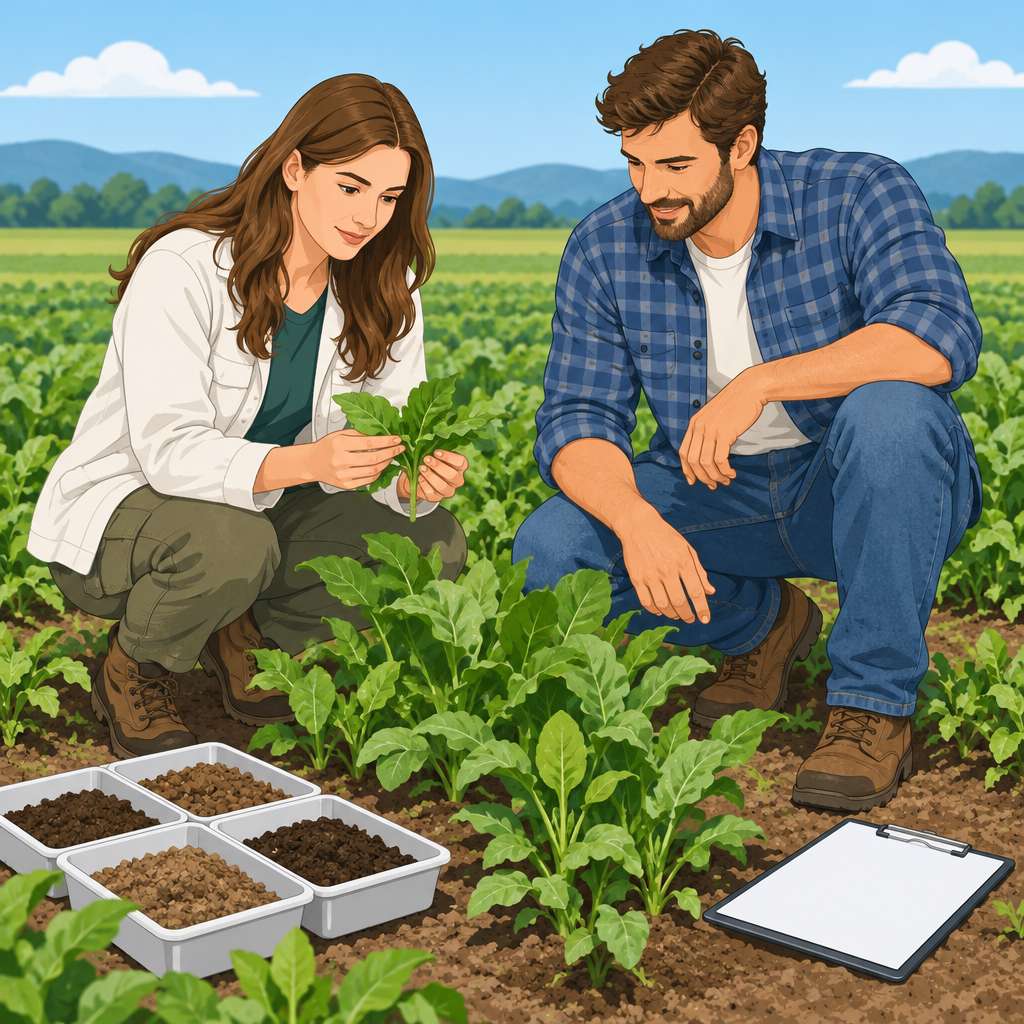
Environmental scientists advise farmers to manage pests without synthetic chemicals.
They may recommend biological control agents, including predators and parasites.
Additionally, integrated pest management combines cultural, biological, and physical methods.
This approach reduces pesticide and herbicide use while preserving biodiversity.
Long-Term Sustainability in Organic Farming
These practices improve soil health and reduce environmental impacts.
They also help farms maintain resilient ecosystems over time.
Together, collaboration and careful management support the long-term viability of organic farming.
You Might Also Like: Key Skills Needed for Agricultural Policy Analysts
Monitoring and Evaluation
- Environmental scientists monitor organic farming initiatives.
- They evaluate the environmental benefits of organic farming practices.
- They provide farmers with feedback about areas for improvement.
Monitoring and evaluation support the success and sustainability of organic farming practices.
Environmental scientists monitor the progress of organic farming initiatives.
They regularly visit farms, conduct field surveys, and collect data.
These activities help them assess farming’s environmental effects.
Furthermore, scientists evaluate the environmental benefits of organic farming practices.
They examine soil health, water quality, biodiversity, and carbon sequestration.
These measures reveal how farming practices affect the broader ecosystem.
Scientists also determine the effectiveness of techniques and methods used by farmers.
Afterward, environmental scientists provide farmers with valuable evaluation feedback.
They identify areas for improvement and suggest alternative practices.
Such guidance can enhance the sustainability and productivity of organic farming operations.
Consequently, farmers can make informed decisions and implement best practices.
Continuous monitoring, evaluation, and feedback help strengthen organic farming initiatives.
Find Out More: Dairy Scientists and Animal Genetics Research
Education and Outreach for Organic Farming
- Environmental scientists educate farmers and the public about organic farming benefits.
- They offer workshops and training programs focused on sustainable agriculture.
- They collaborate with universities and research institutions to promote organic farming research.
Education and outreach help expand organic farming practices.
Environmental scientists teach farmers about the environmental, economic, and health benefits of organic methods.
They help farmers understand why organic alternatives can replace conventional practices.
Furthermore, scientists explain organic agriculture’s importance to the public.
They discuss conventional farming’s negative effects on the environment and public health.
This outreach encourages consumers to choose organic products.
In addition, workshops provide practical knowledge for farmers transitioning to organic farming.
Training programs develop skills for sustainable agricultural practices.
Scientists also work with universities and research institutions to promote organic farming research.
These partnerships support research and the development of sustainable agricultural techniques.
Through education, training, and collaboration, environmental scientists encourage broader adoption of organic farming.
Find Out More: How to Advance Your Career in Biotechnology
Policy Advocacy for Organic Farming
Policy advocacy shapes policies affecting organic farming.
Environmental scientists influence decisions that affect the organic farming sector.
Their efforts support sustainable growth in organic agriculture.
- Environmental scientists advocate for policies that support organic farming practices.
- They work with government agencies to promote sustainable agriculture initiatives.
- Environmental scientists lobby for incentives and funding for organic farmers.
These professionals provide government agencies with insights into organic farming benefits.
They promote regulations and initiatives that encourage sustainable agriculture practices.
Transform Your Career Today
Unlock a personalized career strategy that drives real results. Get tailored advice and a roadmap designed just for you.
Start NowThese policies can reduce the environmental impact of conventional farming methods.
In addition, environmental scientists seek incentives and funding for organic farmers.
They highlight the economic, social, and environmental benefits of organic farming.
This support helps organic farmers grow their businesses and strengthen sustainable food systems.
You Might Also Like: How to Develop Effective Livestock Feed Programs
Collaboration with Stakeholders
- Environmental scientists collaborate with farmers, policymakers, and agricultural organizations.
- They share knowledge and best practices that promote organic farming.
- They build partnerships that support organic farming growth within the community.
Stakeholder collaboration strengthens organic farming and connects participants across the agricultural sector.
Environmental scientists help these groups coordinate their knowledge, resources, and priorities.
Together, stakeholders can support sustainable and environmentally responsible food production.
Farmers guide organic farming through their daily decisions and practical experience.
Meanwhile, scientists provide current research and information about organic methods.
This exchange helps farmers improve techniques and yields while reducing environmental impacts.
Policymakers shape support for organic agriculture through incentives and regulations.
Therefore, scientists can help develop policies that encourage sustainable farming practices.
Such cooperation can make organic farming more accessible to farmers.
Agricultural organizations provide resources and assistance to farmers pursuing organic methods.
By working with scientists, these organizations can align programs with organic agriculture principles.
Consequently, farmers receive support that reflects both research and practical needs.
These partnerships can create training programs, research projects, and outreach activities.
Such efforts strengthen community support for organic farming.
This shared work supports the growth of organic farming within the community.
Environmental Scientists as Stewards of Organic Farms
Environmental scientists assess how farming choices affect surrounding ecosystems.
They help farmers use composting and crop rotation to support ecologically sound production.
Their guidance also limits chemical inputs and encourages biodiversity across farms.
By examining soil health and water management, they strengthen farms’ long-term sustainability.
They align organic methods with conservation principles while helping farmers respond to climate change.
This expertise helps farmers reduce agriculture’s environmental effects.
Supporting a Sustainable Agricultural Future
Sustainable agriculture helps protect a healthy environment for future generations.
Individuals can support organic farming initiatives through participation and informed choices.
Such support strengthens efforts to maintain environmentally responsible farming practices.
Additional Resources
Google search results for Role of Environmental Scientists in Organic Farming Agricultural
Bing search results for Role of Environmental Scientists in Organic Farming Agricultural


