




Introduction
Quality control inspectors help maintain harvest quality in agricultural settings.
They support high standards that meet market demands and consumer expectations.
Therefore, their work helps ensure consistent quality throughout agricultural harvesting.
Quality Control Inspector Responsibilities During Harvest
Quality control inspectors examine harvested crops against established quality standards.
They identify defects, illnesses, and abnormalities that could reduce crop quality.
Additionally, inspectors record findings and communicate concerns to appropriate personnel.
- Inspect harvested crops thoroughly to verify compliance with quality standards.
- Identify defects, illnesses, and abnormalities that may affect crop quality.
- Document inspection findings and report issues to appropriate personnel.
- Collaborate with team members to develop quality control procedures.
Inspection Practices for Harvested Crops
Inspectors help prevent contaminated or substandard produce from entering the market.
This work protects consumers from potential health risks.
It also safeguards the agricultural industry’s reputation.
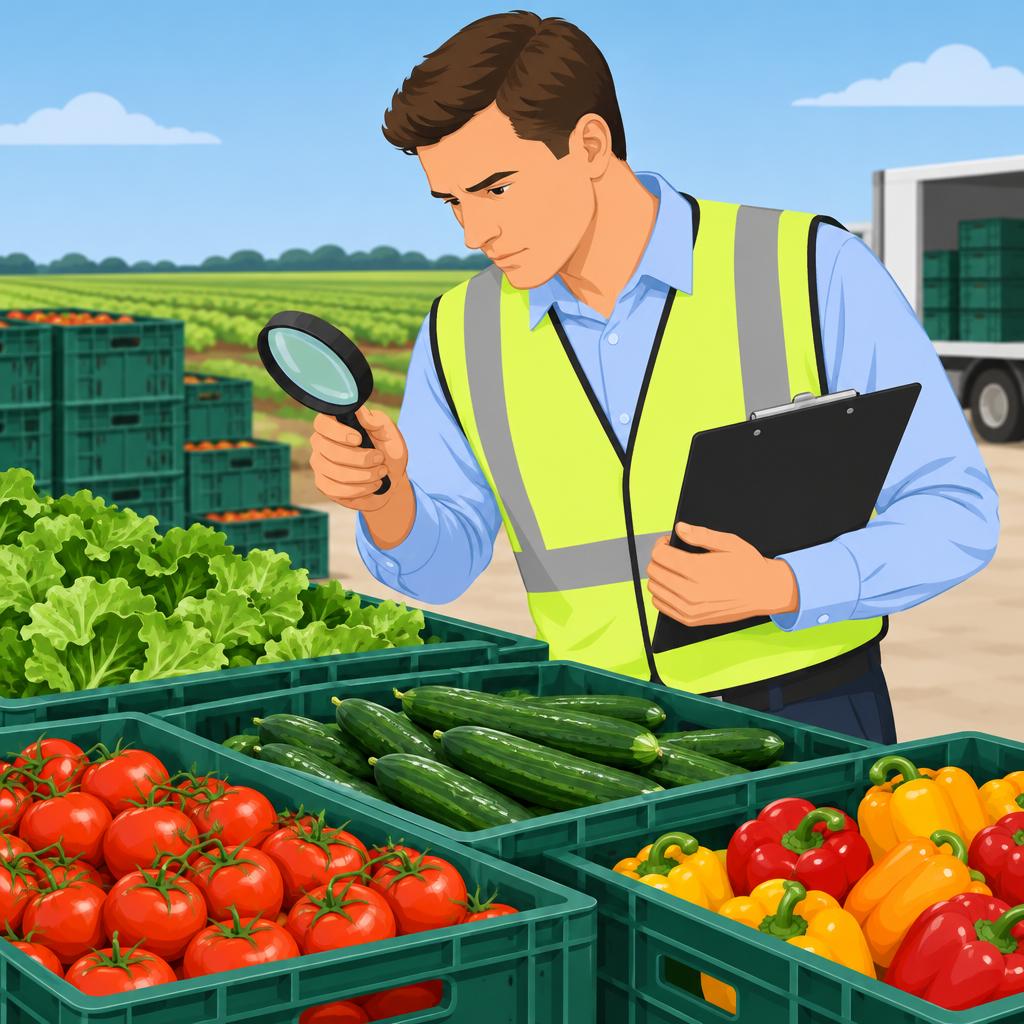
Inspectors visually examine crops for damage, disease, pests, blemishes, and discoloration.
They carefully check individual crops for irregularities that indicate potential problems.
Furthermore, inspectors may use tools to evaluate crop conditions.
These tools can include pH meters, moisture meters, and microbial tests.
Inspectors also verify compliance with applicable agricultural and food safety requirements.
They may conduct audits, review documentation, and participate in training.
Training helps inspectors remain informed about current industry standards.
When inspectors find problems, they assess suitable corrective actions.
They may recommend corrective measures or implement revised procedures.
They also alert management about potential risks when necessary.
By addressing issues promptly, inspectors support the integrity of the harvest process.
Their detailed inspections help maintain safe and acceptable crops for consumers.
Importance of Quality Control in the Agricultural Industry
Quality standards can help farmers secure premium prices for their produce.
Moreover, quality control helps distributors maintain customer satisfaction and encourage repeat business.
Consumers receive safer and more nutritious agricultural products when businesses apply quality controls.
- High-quality standards benefit farmers by supporting premium prices for their produce.
- Distributors can maintain customer satisfaction and repeat business through effective quality control.
- Consumers receive safe and nutritious agricultural products when quality control systems work effectively.
Impact of Poor Quality Control
Poor quality control can damage a farm or agricultural business reputation.
It can also reduce profitability by causing customer losses and decreasing market share.
Consumers may face health risks and product dissatisfaction when quality controls fail.
- Poor quality control can tarnish the reputation of a farm or agricultural business.
- Businesses may lose customers and market share, which can decrease profitability.
- Consumers may experience health risks and dissatisfaction with products.
See Related Content: How to Maintain Irrigation Systems Effectively
Identifying Potential Issues
Quality control inspectors examine harvested crops for signs of damage, disease, or contamination.
They use focused training to recognize problems that could affect product quality.
Their findings help prevent questionable produce from reaching the market.
- Inspectors receive training to identify damage, disease, and contamination.
- They conduct thorough inspections before products reach the market.
Training to Spot Signs of Damage, Disease, or Contamination
Inspectors receive rigorous training to recognize problems in harvested crops.
They look for discoloration, mold growth, pest infestation, and physical damage.
These visual clues may indicate conditions that threaten crop quality.
Inspectors also study diseases and contaminants that can affect agricultural products.
They learn the specific symptoms associated with each potential problem.
This knowledge supports informed decisions during each inspection.
Process of Conducting Thorough Inspections
Inspectors follow established guidelines and protocols throughout the inspection process.
First, they examine harvested crops for visible irregularities.
Next, they may collect samples for additional testing.
Transform Your Career Today
Unlock a personalized career strategy that drives real results. Get tailored advice and a roadmap designed just for you.
Start Now- Inspectors visually examine crops for visible damage, disease, or contamination.
- They collect samples when further testing can clarify potential problems.
- Inspectors document identified issues, completed actions, and improvement recommendations.
- They report inspection findings to farmers, suppliers, and quality control managers.
- Inspectors may conduct follow-up inspections after corrective actions begin.
Testing can confirm quality and reveal problems that visual inspections cannot detect.
Documentation also preserves inspection records and supports accountability.
Follow-up inspections help verify that corrective actions resolve identified concerns.
These procedures help protect the integrity of the food supply chain.
They also help prevent harmful contaminants or diseases from reaching consumers.
Delve into the Subject: The Importance of Insect Diversity in Ecosystems
Quality Control Inspectors play a crucial role in ensuring harvest quality.
They collaborate with farmers and harvest crews during harvesting.
Their cooperation supports consistent quality throughout the process.
Collaboration With Farmers and Harvest Crews
- Quality Control Inspectors work closely with farmers to establish harvest quality standards.
- They communicate with farmers to understand specific produce requirements and expectations.
- Inspectors coordinate with harvest crews to promote proper handling and harvesting techniques.
- They monitor harvesting procedures to ensure workers meet quality standards throughout the process.
Communication and Teamwork During Harvesting
- Effective communication between inspectors, farmers, and harvest crews helps maintain quality.
- Clear communication keeps everyone aligned on quality standards and expectations.
- Teamwork helps inspectors, farmers, and crews achieve a successful harvest together.
- By working together, they can identify and address issues during harvesting.
Through communication and teamwork, inspectors, farmers, and crews uphold quality standards.
These efforts help deliver top-tier produce to consumers.
Gain More Insights: Pest Control Advisor: Communicating with Clients
Using Technology to Enhance Quality Control Efforts
Inspectors can strengthen harvest quality control by combining advanced technology with practical measurement tools.
These resources improve monitoring during harvesting, storage, and transportation.
Consequently, inspectors can respond more efficiently when conditions threaten product quality.
Advanced Technology for Crop Monitoring
Inspectors can use drones and sensors to gather timely information about crop conditions.
First, drones provide aerial views that reveal disease or pest infestation across crops.
Meanwhile, sensors track humidity and sunlight exposure, which can influence harvest quality.
- Drones provide aerial views for detecting signs of disease or pest infestation.
- Sensors monitor environmental factors like humidity and sunlight exposure.
Measurement Tools for Quality Control
Inspectors also use moisture meters and temperature gauges to measure conditions directly.
Furthermore, moisture meters show whether crops contain suitable water levels for storage and transportation.
Temperature gauges help maintain appropriate conditions, thereby limiting spoilage and preserving freshness.
- Moisture meters ensure water content reaches an optimal level for storage.
- Temperature gauges help maintain appropriate conditions and prevent spoilage.
By using these technologies and tools, inspectors can monitor and control harvest product quality more effectively.
As a result, consumers can receive products that remain safe and fresh.
Inspectors should continue learning about technological advances within the changing agricultural industry.
Find Out More: Veterinary Technician Specializations Explained
Compliance With Regulations and Standards
- Quality control inspectors help farms and agricultural businesses meet industry regulations.
- They inspect farm operations against safety and quality standards established by regulatory bodies.
- Additionally, inspectors monitor processes to reduce risks associated with non-compliance.
- They educate farmers and employees about following required guidelines.
- Regular audits confirm that farming operations continue meeting established standards.
Preventing Food Safety Recalls
- Inspectors apply strict guidelines before businesses distribute agricultural products.
- Through thorough inspections, they identify hazards and contamination risks before products reach consumers.
- They promptly address deviations from industry guidelines to reduce foodborne illness risks.
- Inspectors also conduct random sampling and testing before businesses sell agricultural products.
- By enforcing regulations, inspectors safeguard public health and maintain consumer trust.
Quality Control Inspectors Protect Harvest Integrity
Quality control inspectors protect harvest integrity by carefully evaluating agricultural products.
They uphold product standards and help consumers receive high-quality goods.
Moreover, inspectors detect concerns early and help prevent contamination from affecting consumers.
They work with farmers and processors to resolve challenges and strengthen quality practices.
Consequently, their diligence reduces risks and helps limit potential agricultural losses.
Recognizing their expertise highlights their importance to reliable harvest quality.
Furthermore, their contributions support the reputation of agricultural products and consumer satisfaction.
Quality control inspectors therefore safeguard harvest quality and reinforce industry standards.
Additional Resources
Google search results for Quality Control Inspector's Role in Harvest Quality Agricultural
Bing search results for Quality Control Inspector's Role in Harvest Quality Agricultural


