




Food Safety Specialists in Manufacturing
Food safety specialists help maintain product safety and quality during food manufacturing.
They protect consumers by supporting strong food safety standards.
Food manufacturers prioritize safety to prevent foodborne illnesses and maintain consumer trust.
Additionally, specialists oversee food safety protocols and procedures throughout manufacturing operations.
They conduct regular inspections to identify potential contamination risks.
Furthermore, specialists analyze data to detect hazards before they affect products.
They also work closely with production teams to support regulatory compliance.
As a result, their efforts help maintain consistent food safety practices.
Qualifications and Training
- Food safety specialists need a bachelor’s degree in food science, microbiology, or a related field.
- They also need certification through organizations such as NEHA or FSPCA.
- Continuous training helps specialists stay current with food safety regulations, technologies, and best practices.
- Important skills include attention to detail, critical thinking, problem-solving, and strong communication.
- Specialists need knowledge of food microbiology, safety principles, HACCP, GMP, and food safety management systems.
Monitoring and Compliance
- Food safety specialists monitor production processes to verify compliance with food safety standards.
- They ensure that food manufacturing activities follow strict food safety protocols.
- By monitoring production lines closely, specialists identify risks and hazards that could compromise food safety.
Importance of Strict Food Safety Protocols
- Strict food safety protocols help prevent contamination and protect consumers.
- Furthermore, these protocols reduce the risk of foodborne illnesses and outbreaks.
- By following stringent guidelines, specialists uphold company reputations and maintain consumer trust.
Consequences of Non-Compliance
- Non-compliance with food safety standards can cause product recalls and legal actions.
- Moreover, failed protocols can cause contamination and threaten consumer health.
- These incidents can erode consumer trust and create long-term damage to brand reputation.
Uncover the Details: How to Get Started in Food Safety Specialization
Risk Assessment and Prevention
Food safety specialists conduct risk assessments to identify potential hazards in production.
They analyze each manufacturing step to locate possible contamination points.
Their expertise supports a comprehensive review of process safety.
Identifying Potential Hazards
- Specialists evaluate raw materials for potential microbial or chemical contamination.
- They assess production equipment for physical hazard risks.
- They review handling and storage practices for cross-contamination risks.
- They consider environmental conditions that could affect food safety.
This assessment creates a comprehensive list of hazards that could compromise the final product.
Specialists use these findings to focus prevention efforts on the most relevant production risks.
Strategies for Prevention
Food safety specialists apply structured strategies to prevent contamination during production.
They use preventive controls to protect raw materials, processes, and finished products.
These measures help maintain a clean and safe production environment.
- They implement a Hazard Analysis and Critical Control Points system.
- They regularly monitor and test raw materials and finished products.
- They train staff in hygiene, sanitation, and food handling procedures.
- They follow Good Manufacturing Practices throughout production.
These strategies create a robust prevention plan against potential contamination.
They also help specialists maintain product safety throughout the manufacturing process.
Proactive Measures and Issue Resolution
Food safety specialists address emerging issues before they escalate.
They combine audits, corrective actions, and communication to manage food safety concerns.
Continuous improvement strengthens the effectiveness of these protective measures.
- They conduct regular audits and inspections to verify regulatory compliance.
- They take immediate corrective action when safety protocols deviate.
- They pursue continuous improvement to strengthen safety measures.
- They communicate with stakeholders about food safety concerns and issues.
These actions help specialists mitigate risks through timely and coordinated responses.
Their commitment to safety helps consumers trust the products they produce.
Food safety specialists connect risk assessment, prevention, and issue resolution within food manufacturing.
Their proactive approach helps preserve product integrity and safety.
These efforts help consumers receive safe and high-quality food products.
Learn More: Leveraging Influencers for Farm Product Marketing
Collaboration with the Production Team
Effective collaboration between food safety specialists and production teams supports food safety and product quality.
They can develop and implement strong protocols that follow regulatory standards and established best practices.
-
Food safety specialists provide expertise.
They bring detailed knowledge of food safety principles, regulations, and best practices.
Therefore, they guide production teams in identifying and reducing hazards throughout manufacturing.
-
Teams develop comprehensive food safety protocols.
These protocols describe how workers should handle, store, and process food.
Consequently, they help prevent contamination and protect product safety.
-
Specialists and production teams implement safety measures together.
These measures reduce risks and support compliance with applicable regulations.
Additionally, teams monitor, test, and verify critical control points regularly.
This approach helps prevent foodborne illnesses.
-
Continuous communication strengthens teamwork.
Food safety specialists communicate regulatory changes and address emerging safety concerns.
They also provide ongoing training and operational support.
-
Training and education reinforce safe practices.
Specialists teach hygiene protocols, sanitation procedures, and proper raw material handling.
These practices reduce the risk of contamination during production.
-
Regular monitoring and auditing verify protocol effectiveness.
These activities confirm that workers follow procedures correctly.
Moreover, teams address deviations promptly to limit potential risks.
Strong collaboration helps teams maintain food safety and product quality throughout manufacturing.
By working together, specialists and production employees uphold consistent safety standards.
Find Out More: Food Scientists' Contributions to Food Biotechnology
Crisis Management in Food Safety Emergencies
- Food safety specialists play a crucial role during food safety emergencies.
- They act swiftly to contain the situation and prevent further harm.
- First, specialists identify the source of the contamination or safety breach.
- Meanwhile, they work with regulatory bodies to assess the problem’s scope.
- Established protocols guide the investigation and support timely decisions.
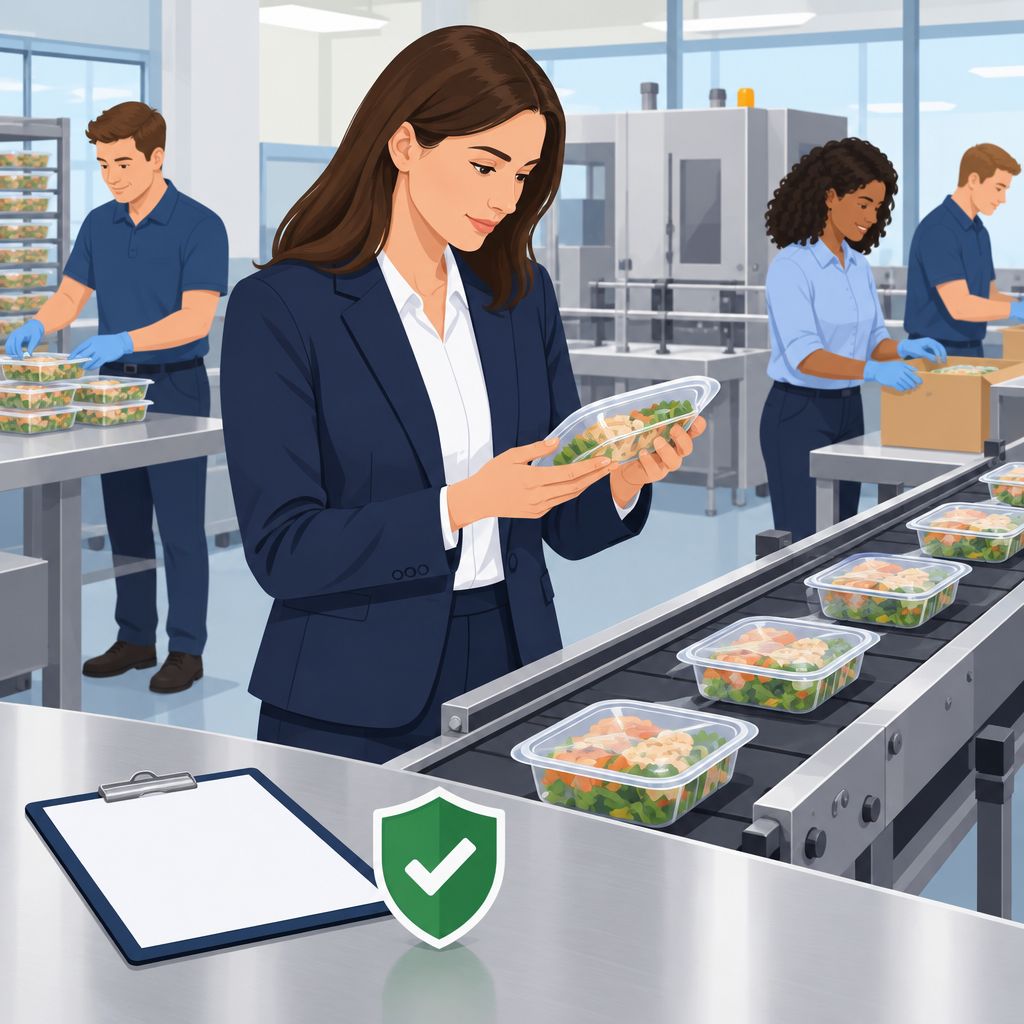
Managing Recalls and Contamination Incidents
- When a recall becomes necessary, specialists coordinate with multiple departments.
- They ensure affected products leave store shelves and distribution channels.
- Furthermore, clear communication promptly alerts consumers and the public.
- Specialists conduct tests and analysis to determine contamination’s scope and severity.
- Swift responses to contamination incidents help reduce the risk of harm.
Benefits of Effective Crisis Management
- Swift action protects consumer health and helps preserve brand trust.
- Effective crisis management can limit lasting damage to a company’s reputation.
- Consumers depend on specialists to help ensure product safety.
- Companies that manage crises effectively demonstrate their commitment to consumer safety.
- Therefore, food manufacturers need robust crisis management protocols.
See Related Content: Role of Environmental Scientists in Organic Farming
Continuous Improvement in Food Safety
Food safety specialists help facilities build a culture of continuous improvement.
They verify protocols, identify risks, and address concerns promptly.
Meanwhile, they use evidence and current knowledge to strengthen food safety practices.
- Analyzing Data and Feedback: Specialists review inspections, audits, and customer feedback to identify improvement opportunities.
- Staying Up-to-Date: Specialists track current trends, technologies, regulations, and best practices affecting food safety.
Continuous improvement helps food manufacturers address risks before they threaten safety or quality.
By reviewing processes regularly, companies can maintain high food safety standards.
Therefore, specialists drive progress by identifying opportunities and implementing changes that reduce risks.
Transform Your Career Today
Unlock a personalized career strategy that drives real results. Get tailored advice and a roadmap designed just for you.
Start NowRegulatory Compliance Requirements
Food manufacturers must comply with local, state, and federal food safety regulations.
Meanwhile, food safety specialists track regulatory and industry standard changes through training and professional networking.
Without compliance, companies may face recalls, fines, lawsuits, and reputational damage.
Furthermore, legal consequences may include closure, license loss, and potential criminal charges.
Food Safety Specialists in Daily Operations
Food safety specialists help manufacturing facilities maintain rigorous safety standards.
They develop and implement programs that prevent contamination and support regulatory compliance.
Regular inspections and audits help them identify potential risks and address concerns promptly.
Additionally, they train production staff in proper food handling and sanitation practices.
They also monitor and document food safety protocols throughout daily operations.
When incidents or complaints occur, specialists investigate causes and help prevent recurrence.
Meanwhile, they follow current regulations and best practices to strengthen food safety procedures.
They also collaborate with regulatory agencies and industry experts to maintain high standards.
Building Trust Through Food Safety Expertise
Food safety specialists protect the safety and quality of manufactured food products.
Consequently, their work helps build consumer trust in food manufacturing.
Their dedication and expertise support consistent food safety standards across manufacturing operations.
Additional Resources
Google search results for Role of Food Safety Specialists in Food Manufacturing Agricultural
Bing search results for Role of Food Safety Specialists in Food Manufacturing Agricultural


