




State troopers play a crucial role in maintaining law and order within society.
They enforce traffic laws, investigate accidents, and respond to emergencies.
These men and women undergo rigorous training for the challenges they face on the job.
Furthermore, their dedication and commitment to serving and protecting the public remain unmatched.
State troopers often arrive first at accidents or incidents, providing aid and assistance.
Consequently, their presence helps ensure the safety and security of all citizens.
Background of a State Trooper
State troopers uphold laws across highways and interstates.
They help protect public safety through enforcement and emergency response.
Their responsibilities combine highway oversight with broader law enforcement duties.
Overview of the Role and Responsibilities of a State Trooper
State troopers enforce laws on highways and interstates.
They monitor public areas and address situations that threaten safety.
Additionally, these officers respond to emergencies as part of their duties.
Different Agencies Where State Troopers May Work
State troopers may serve within state police departments.
Some officers work for highway patrol agencies.
Others serve specialized law enforcement agencies operating within their state.
The Significance of State Troopers in Traffic Safety and Criminal Investigations
State troopers support traffic safety by enforcing traffic laws.
They investigate accidents and respond when emergencies occur.
Furthermore, troopers assist criminal investigations by gathering evidence and interviewing witnesses.
When necessary, they make arrests connected to those investigations.
Law Enforcement Duties
State troopers monitor highways to promote driver safety.
They respond promptly when emergencies occur.
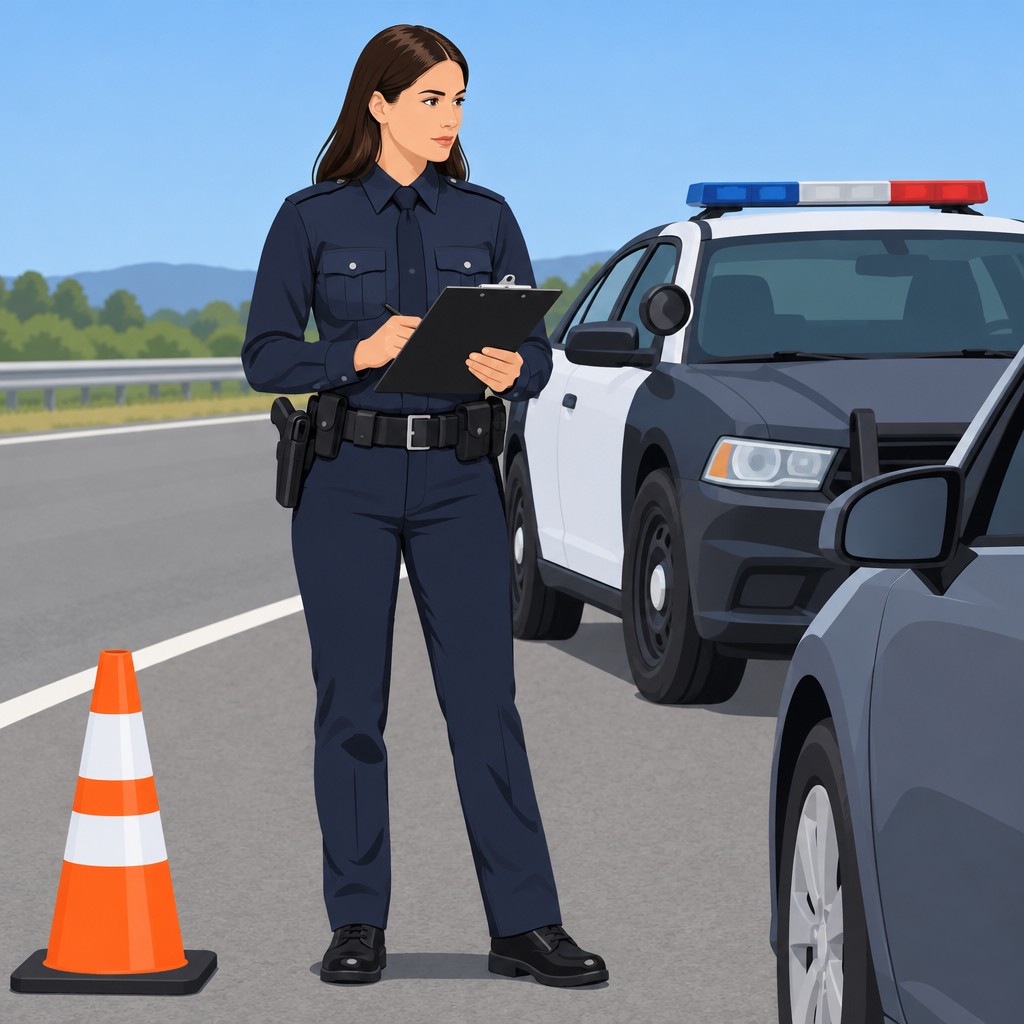
Troopers enforce traffic laws by issuing citations.
They also conduct sobriety checks on drivers.
Additionally, state troopers investigate crimes by collecting evidence.
They interview witnesses and apprehend suspects during investigations.
Delve into the Subject: Public Safety Officer: Impact of Legislation on Duties
Public Safety and Education
State troopers educate the public about safe driving practices and crime prevention.
They help communities recognize roadway dangers and understand ways to prevent them.
Through education and outreach, troopers encourage safer decisions and stronger community partnerships.
-
State troopers conduct presentations at schools, community events, and workshops.
These sessions cover defensive driving, seat belt use, and the dangers of drunk driving.
-
Additionally, state troopers participate in community outreach programs.
These programs build positive relationships, develop trust, and encourage partnerships with the public.
-
State troopers provide assistance during natural disasters and other emergencies.
During hurricanes, floods, and similar events, they maintain order and protect community safety.
Find Out More: Campus Security Officer: Handling Student Incidents
Administrative Tasks
- Completing paperwork related to arrests, accidents, and other incidents
- Maintaining accurate records of activities and case files
- Attending meetings and training sessions to stay current on laws and procedures
State troopers manage various administrative tasks each day.
These responsibilities help the state police force operate smoothly and efficiently.
First, troopers complete paperwork for arrests, accidents, and other incidents.
This documentation records each event’s details and supports proper procedures.
Additionally, troopers maintain accurate records of their activities and case files.
They document interactions, investigations, and outcomes so personnel can access information when needed.
Furthermore, troopers attend meetings and training sessions regularly.
These sessions help them remain current on laws and procedures.
They also receive updates about legal changes, new techniques, and effective practices.
By completing records and pursuing training, troopers perform their duties with professionalism and dedication.
Transform Your Career Today
Unlock a personalized career strategy that drives real results. Get tailored advice and a roadmap designed just for you.
Start NowConsequently, careful administration supports reliable police operations and community service.
Learn More: Best Practices for Emergency Management Directors
Physical Fitness and Training
State troopers must maintain high physical fitness for potential physical confrontations.
They receive training in firearms, self-defense, and emergency response techniques.
Additionally, troopers maintain their weapons and complete regular proficiency tests.
- Troopers must meet specific physical fitness standards.
- They receive ongoing training in firearms, self-defense, and emergency response techniques.
- Troopers conduct regular weapon maintenance to keep their weapons ready for use.
- They complete proficiency tests to demonstrate weapon-handling skills.
Delve into the Subject: Parole Officer: Supporting Education Initiatives
Teamwork and Communication
Troopers collaborate with other law enforcement agencies during joint investigations.
This cooperation helps them gather information and resources while solving cases efficiently.
Clear communication guides interactions with colleagues, superiors, and the public.
Troopers provide case updates and give instructions during operations.
Therefore, precise communication supports smooth law enforcement operations.
During crises, troopers also coordinate with first responders and emergency services.
They work with firefighters, paramedics, and other agencies during accidents and natural disasters.
These teams organize swift responses for people who need assistance.
Coping with the Emotional and Physical Demands of the Job
State troopers face emotional and physical demands during their daily responsibilities.
They process difficult experiences through regular debriefing sessions.
Additionally, trusted colleagues provide support during demanding periods.
- Troopers join regular debriefing sessions to process challenging situations.
- They build strong support networks within law enforcement communities.
- During duty, they practice mindfulness and remain present.
Seeking Counseling or Support When Necessary
Troopers seek help when stress affects their well-being.
Therapy can help them address underlying trauma or stress.
Moreover, departments may provide assistance through employee programs.
- Troopers attend therapy sessions to address trauma or stress.
- They use employee assistance programs provided by their departments.
- Troopers speak honestly with supervisors about their mental health needs.
Using Exercise, Meditation, and Hobbies for Stress Relief
Troopers use practical methods to reduce tension outside demanding assignments.
Exercise supports physical health and releases accumulated tension.
Meanwhile, meditation and hobbies help them maintain balance.
- Troopers schedule workouts to release tension and support well-being.
- They practice meditation or deep breathing during their daily routines.
- Troopers pursue hobbies to maintain a healthy work-life balance.
Effective stress management supports strong job performance.
By prioritizing mental and physical well-being, troopers strengthen their resilience.
This approach helps them continue serving and protecting communities with dedication.
State Troopers’ Service to Their Communities
State troopers help keep roads and communities safe through varied daily responsibilities.
They enforce traffic laws, respond to emergencies, investigate accidents, and assist other law enforcement agencies.
Regular patrols help troopers detect criminal activity and address threats before they grow.
They also assist motorists in distress and encourage safer decisions through road safety education.
Their dedication provides valuable support for people who depend on safe roads and responsive protection.
Citizens can support troopers by respecting instructions and cooperating during roadside or emergency encounters.
Such cooperation helps troopers perform their duties while promoting a safer environment for everyone.
Communities should recognize the sacrifices and risks troopers face while serving in the line of duty.
Their consistent service deserves appreciation because it strengthens public safety and order.
Additional Resources
Google search results for Daily Responsibilities of a State Trooper Explained Protective Services
Bing search results for Daily Responsibilities of a State Trooper Explained Protective Services


