




Parole Officers and Education Initiatives
Parole officers help individuals transition back into society after release from prison.
They supervise individuals while providing guidance and support during rehabilitation.
Education initiatives strengthen this support by preparing individuals for renewed opportunities.
The Role of Education in Rehabilitation
Education initiatives provide knowledge and skills that help individuals rebuild their lives.
Parole officers can encourage participation in educational opportunities during supervision.
As a result, individuals can develop abilities that support their personal progress.
Education and Successful Reintegration
Educational support helps individuals discover new opportunities after incarceration.
Furthermore, learning can improve their chances of successful reintegration into society.
By promoting education, parole officers support a more positive path forward.
Building Long-Term Success
Education empowers individuals to break the cycle of recidivism.
It also contributes to their long-term success and well-being.
Ultimately, education creates a foundation for stronger futures and healthier communities.
Parole officers play a crucial role in the criminal justice system.
They supervise individuals released from prison on parole.
Parole Officer Responsibilities
Parole officers supervise individuals released from prison on parole.
They monitor parolees’ activities and check whether each person follows release conditions.
They also assess risks and needs while maintaining regular contact.
- Ensure compliance with parole conditions
- Maintain regular contact with parolees
- Assess parolee risks and needs
- Provide reintegration resources and support
Monitoring and Reintegration Duties
During regular check-ins and home visits, officers review parolees’ circumstances.
They may administer drug tests and connect parolees with community resources.
They can also assist with job placement and training.
- Conduct regular check-ins and home visits
- Administer drug tests
- Assist with job placement and training
- Connect parolees with community resources
Guidance and Positive Decision-Making
Parole officers provide guidance as parolees work toward personal goals.
They help parolees set goals and encourage positive behavior and decision-making.
They may advocate for parolees in court or when working with probation officers.
- Provide guidance and support
- Help parolees set and achieve goals
- Advocate for parolees in court or with probation officers
- Promote positive behavior and decision-making
Education’s Role in Rehabilitation
Education helps individuals develop skills and knowledge for daily life after release.
Additionally, learning opportunities encourage individuals to set goals and pursue positive changes.
These experiences can strengthen independence and support successful community reintegration.
- Education teaches practical skills that individuals can apply in daily situations.
- Learning opportunities help individuals make constructive decisions about their futures.
- Educational progress can provide direction during the rehabilitation process.
Education and Lower Recidivism Risk
Research shows that education participation relates to lower re-offending rates among individuals on parole.
Moreover, education helps individuals evaluate choices and avoid activities that could lead to new offenses.
Expanded knowledge and abilities can also create alternatives to returning to criminal behavior.
- Education gives individuals tools for making more responsible decisions.
- New skills can help individuals pursue lawful ways to support themselves.
- Personal development can encourage individuals to build productive futures.
Education’s Effects on Confidence and Employability
Education can improve an individual’s self-esteem and strengthen their belief in personal abilities.
Furthermore, completing educational work gives individuals a meaningful sense of achievement.
Stronger qualifications can also improve competitiveness when individuals seek employment.
- New knowledge can increase confidence in handling future challenges.
- Academic achievements can give individuals pride in their progress.
- Improved education can expand access to employment opportunities.
By supporting education, rehabilitation efforts can help individuals develop stability and pursue better futures.
Learn More: Correctional Officer Role in Rehabilitation
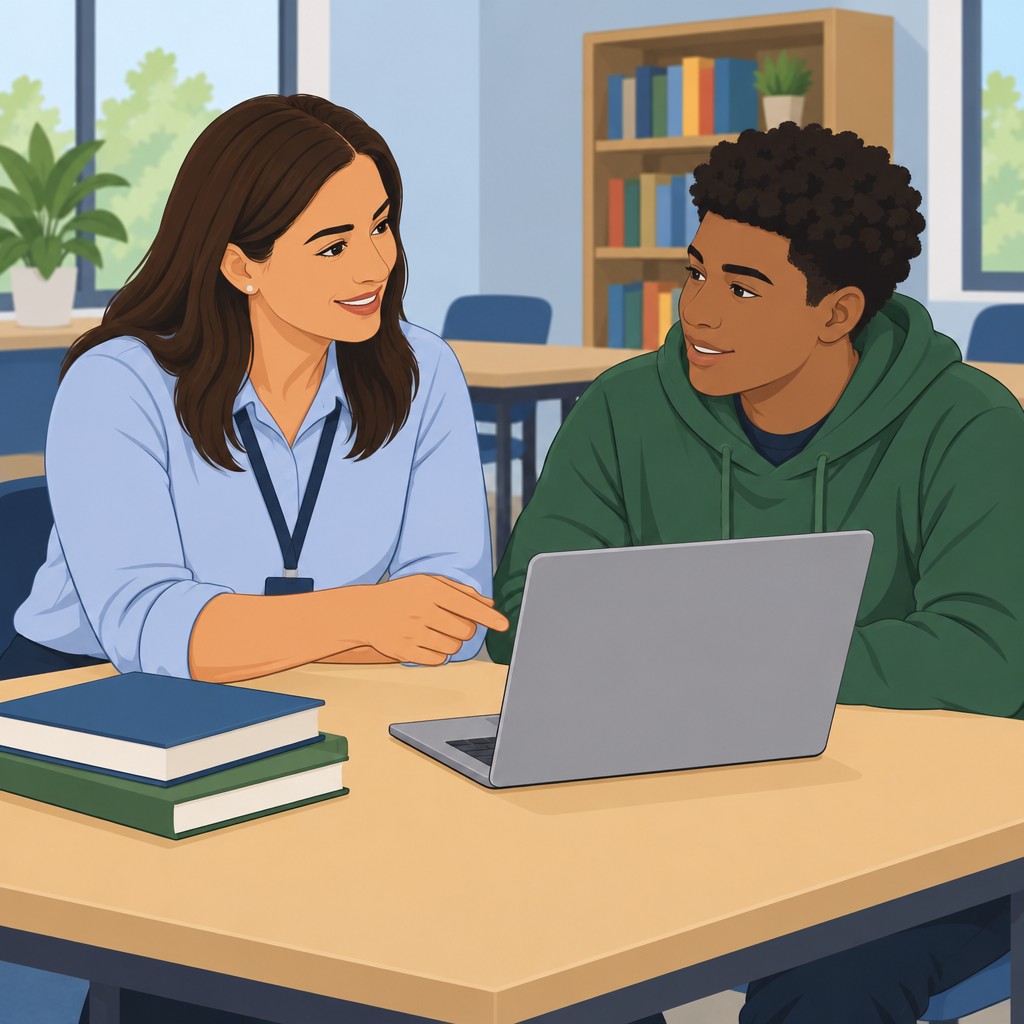
Ways Parole Officers Can Support Education Initiatives
Parole officers can support education initiatives through practical guidance and advocacy.
These efforts can connect parolees with opportunities that build skills and support positive changes.
They can also help remove barriers between justice services and educational providers.
- Provide resources and information about educational opportunities.
- Advocate for access to education programs within the criminal justice system.
Resources and Information on Educational Opportunities
Officers can give parolees information about local schools, colleges, and vocational training programs.
They can also explain which opportunities may fit each parolee’s circumstances.
This guidance helps parolees identify options that may improve their skills and employability.
Transform Your Career Today
Unlock a personalized career strategy that drives real results. Get tailored advice and a roadmap designed just for you.
Start NowAccess to learning can support personal progress and reduce the likelihood of reoffending.
Advocacy for Access to Education Programs
Parole officers can advocate for education programs within the criminal justice system.
They can work with policymakers, correctional facilities, and other stakeholders to expand access.
Furthermore, officers can support funding and legislation that promote education for justice-involved individuals.
They can collaborate with community organizations to create additional educational opportunities.
Collaboration with Educational Institutions
Parole officers can collaborate with educational institutions to create enrollment pathways for parolees.
These partnerships may involve schools, colleges, and training providers.
Partners can develop programs that address the needs of justice-involved individuals.
Such collaboration can help parolees transition from incarceration into educational opportunities.
It can also help institutions understand and address challenges that affect justice-involved learners.
Find Out More: Cybersecurity Specialist: How to Manage Security Audits
Educational Partnerships and Community Support
Educational partnerships give parole officers practical ways to connect parolees with structured learning opportunities.
Schools and training programs can help officers coordinate support around each participant’s goals.
These relationships also encourage consistent communication among parolees, educators, and supervising officers.
- Partnerships can improve reentry outcomes by connecting parolees with educational and professional development resources.
- Schools may provide adult education, vocational training, or higher education opportunities.
- Learning can strengthen critical thinking, employment prospects, and self-worth during rehabilitation.
- Regular collaboration can strengthen community ties through coordinated support and information sharing.
Enrollment Support for Educational Programs
Officers can help parolees identify programs that match their backgrounds, interests, and future goals.
They can explain application steps, financial aid options, and available academic support.
After enrollment, officers can encourage participation and respond to emerging educational needs.
- Assess educational needs, interests, and goals with each parolee.
- Share information about adult education, vocational training, and college programs.
- Refer parolees to institutions and help establish useful connections.
- Monitor educational progress and provide encouragement throughout the learning experience.
Delve into the Subject: Daily Duties of an Emergency Management Director
Case Studies of Successful Education Initiatives
- Parole Officer John Smith worked with a parolee to enroll in a GED program.
- The parolee successfully completed the program and obtained their GED certificate.
- With John’s guidance, the parolee went on to enroll in community college.
- The parolee excelled in their studies and even made the Dean’s List.
- John’s support provided the parolee with a second chance at education and a brighter future.
Positive Outcomes of Education on Parolees’ Lives
- Education helps parolees gain marketable skills and increase employability.
- Completing educational programs gives parolees a sense of accomplishment and pride.
- Education reduces the likelihood of recidivism among parolees.
- Parolees who engage in learning are more likely to reintegrate into society successfully.
- Education empowers parolees to make positive life choices and break the cycle of crime.
Discover More: Effective Problem-Solving for Security Consultants
Challenges in Supporting Education Initiatives
Parole officers must recognize barriers that can limit educational access for individuals on parole.
These barriers can affect educational progress and make reintegration more difficult.
Understanding each challenge helps officers provide practical and targeted support.
- Limited financial resources can restrict access to tuition, textbooks, and other educational necessities.
- A lack of support can make it harder for parolees to pursue educational goals.
- Work requirements, court-mandated programs, and other responsibilities can create significant time constraints.
- Criminal history can limit access to some educational institutions or programs.
Addressing Barriers to Educational Access
Parole officers can help clients identify realistic educational opportunities that match their circumstances.
They can also connect individuals with resources that reduce financial, scheduling, and access-related obstacles.
Furthermore, consistent guidance can help parolees remain engaged while meeting their other responsibilities.
- Officers can establish partnerships with community organizations, educational institutions, and employers.
- They can help individuals apply for scholarships, grants, and other financial assistance.
- Officers can provide emotional support or connect parolees with mentors and counseling services.
- They can develop flexible schedules that accommodate education and other obligations.
Parole Officer Strategies for Educational Support
Proactive coordination allows parole officers to address barriers before those barriers disrupt educational progress.
Regular communication helps officers adjust support as each person’s responsibilities and educational needs change.
By supporting education, parole officers can help clients pursue goals that strengthen rehabilitation and reintegration.
Education gives individuals opportunities to develop knowledge and skills for their future.
Therefore, officers can empower clients by combining practical assistance, encouragement, and advocacy.
Education and Successful Reintegration
Education can support parolees as they rebuild their lives and reconnect with society.
By gaining knowledge and skills, parolees can develop stronger foundations for positive change.
Parole officers can advocate for educational resources, programs, and opportunities that encourage personal development.
They can also guide parolees toward learning options that support rehabilitation and personal growth.
Furthermore, officers can work with educational institutions to support smoother transitions after incarceration.
Such collaboration helps parolees pursue learning while preparing for community life.
These efforts can benefit individuals, strengthen rehabilitation, and contribute to safer communities.
Additional Resources
Google search results for Parole Officer: Supporting Education Initiatives Protective Services
Bing search results for Parole Officer: Supporting Education Initiatives Protective Services


