




Introduction
Rangeland managers oversee natural landscapes within agriculture and environmental conservation.
They manage grazing lands sustainably while supporting healthy ecosystems and productive livestock.
Furthermore, these professionals balance environmental conservation with economic productivity.
Rangeland Manager Responsibilities
A rangeland manager oversees the management and conservation of grazing lands.
This professional focuses on sustainable practices and responsible land stewardship.
Through this work, the manager supports productive and carefully managed rangeland environments.
Importance of Rangeland Management
Rangeland management helps maintain healthy ecosystems.
It also preserves biodiversity across grazing lands.
Moreover, sustainable management supports long-term agricultural practices.
Skills and Qualifications for Successful Rangeland Managers
Successful rangeland managers combine technical knowledge, practical skills, and effective communication abilities.
Many develop backgrounds in environmental science, agriculture, or natural resource management.
Additionally, hands-on experience helps them work effectively in rangeland environments.
Important technical skills include ecological knowledge, range ecology, plant identification, soil science, and livestock management.
Strong problem-solving abilities help managers address challenges in changing rangeland conditions.
Critical thinking supports careful decisions about conservation and land use.
Finally, collaboration enables managers to work with diverse stakeholders.
Education and Training
Several educational paths can prepare you for a career in rangeland management.
These paths combine academic knowledge, practical experience, and continuing professional development.
Together, they help you build skills for managing rangelands responsibly and effectively.
- Explore degree programs and certifications for rangeland management.
- Gain practical skills through internships and hands-on experience.
- Maintain current knowledge through ongoing professional development.
Educational Paths
A degree in range management, rangeland ecology, or a related field provides a strong foundation.
These programs commonly cover soil science, plant identification, wildlife management, and rangeland monitoring techniques.
Alternatively, specialized training and certifications can strengthen your knowledge and professional skills.
Certification programs from professional organizations can further support your preparation for this field.
Internships and Hands-On Experience
Internships give aspiring rangeland managers valuable opportunities to apply classroom knowledge.
Hands-on work develops practical skills and provides insight into daily responsibilities.
Furthermore, these experiences help candidates build professional connections within the field.
Many employers value internship experience, which can strengthen your position in the job market.
Ongoing Professional Development
Continuing education remains essential because rangeland management practices and technologies continue to evolve.
Professional development helps you maintain relevant skills and respond to changing field requirements.
Attending conferences, workshops, and training sessions can expand your knowledge.
These activities also provide opportunities to connect with other professionals and strengthen your industry network.
Job Opportunities and Work Environment
- Government agencies and private organizations offer various opportunities for rangeland managers.
- Typically, rangeland managers work outdoors while assessing land conditions, managing vegetation, and monitoring wildlife.
- Additionally, experience and advanced education can lead to roles like range conservationist or land manager.
You Might Also Like: Work Environment of a Dairy Scientist
Skills and Qualities
Rangeland managers need ecological knowledge, communication skills, adaptability, attention to detail, and interpersonal abilities.
These qualities help managers oversee resources effectively while working with diverse stakeholders.
Additionally, problem-solving, decision-making, leadership, and teamwork support sustainable rangeland management.
Essential Skills and Qualities
Ecological knowledge helps managers understand rangeland ecosystems.
Clear communication enables managers to convey information to diverse stakeholders.
Meanwhile, adaptability, attention to detail, and interpersonal skills support effective resource management.
- Managers use ecological knowledge to understand rangeland ecosystems.
- Strong communication helps managers share information with diverse stakeholders.
- Adaptability helps managers respond effectively to changing environmental conditions.
- Attention to detail supports accurate monitoring and effective resource management.
- Interpersonal skills help managers build relationships with landowners and colleagues.
Problem-Solving and Decision-Making
Rangeland managers address challenges through practical problem-solving skills.
They make timely decisions to optimize available rangeland resources.
Transform Your Career Today
Unlock a personalized career strategy that drives real results. Get tailored advice and a roadmap designed just for you.
Start NowCritical thinking and data evaluation support informed, flexible choices during changing conditions.
- Problem-solving skills help managers address challenges in rangeland management.
- Timely decisions help managers optimize rangeland resources.
- Critical thinking helps managers analyze complex issues and identify solutions.
- Data evaluation supports informed decisions about sustainable land use.
- Flexible decision-making helps managers respond to dynamic rangeland conditions.
Leadership and Teamwork
Effective leaders guide rangeland management initiatives and encourage collaboration.
They motivate teams, delegate responsibilities, and address conflicts constructively.
As a result, teamwork can improve productivity and innovation in rangeland management.
- Leadership skills help managers guide rangeland management initiatives.
- Managers motivate teams to support successful collaborative efforts.
- Delegation helps managers assign tasks and responsibilities effectively.
- Conflict resolution helps managers foster a positive work environment.
- Collaboration enhances productivity and innovation in rangeland management.
These combined competencies help rangeland managers manage resources effectively.
They also support sustainable land use and ecosystem conservation.
Furthermore, strong relationships with agricultural and environmental stakeholders strengthen their professional contributions.
Delve into the Subject: Understanding Pesticide Regulations
Challenges in Rangeland Management
Climate change can alter vegetation growth and complicate rangeland planning.
Managers must also balance sustainability requirements with applicable regulations.
Meanwhile, limited resources can delay restoration and intensify conflicts among stakeholders.
- Environmental issues such as climate change affect vegetation growth.
- Regulatory constraints require managers to maintain sustainability while following laws.
- Limited resources can restrict land management and restoration projects.
- Stakeholders may disagree about land use and conservation priorities.
- Droughts and wildfires can harm rangelands and livestock.
- Invasive species can threaten natural rangeland ecosystems.
Opportunities for Rangeland Innovation and Growth
Sustainable grazing practices can improve land productivity while supporting conservation goals.
Restoration projects can enhance biodiversity, while carbon credits may create new market opportunities.
Researchers, educators, and local communities can cooperate to advance responsible land management.
- Sustainable grazing practices can improve land productivity.
- Ecosystem restoration projects can enhance biodiversity.
- Carbon credits can support new markets for rangeland conservation.
- Researchers and professionals can collaborate on effective management practices.
- Educational programs can raise awareness about rangeland management.
- Local communities can promote sustainable land management practices.
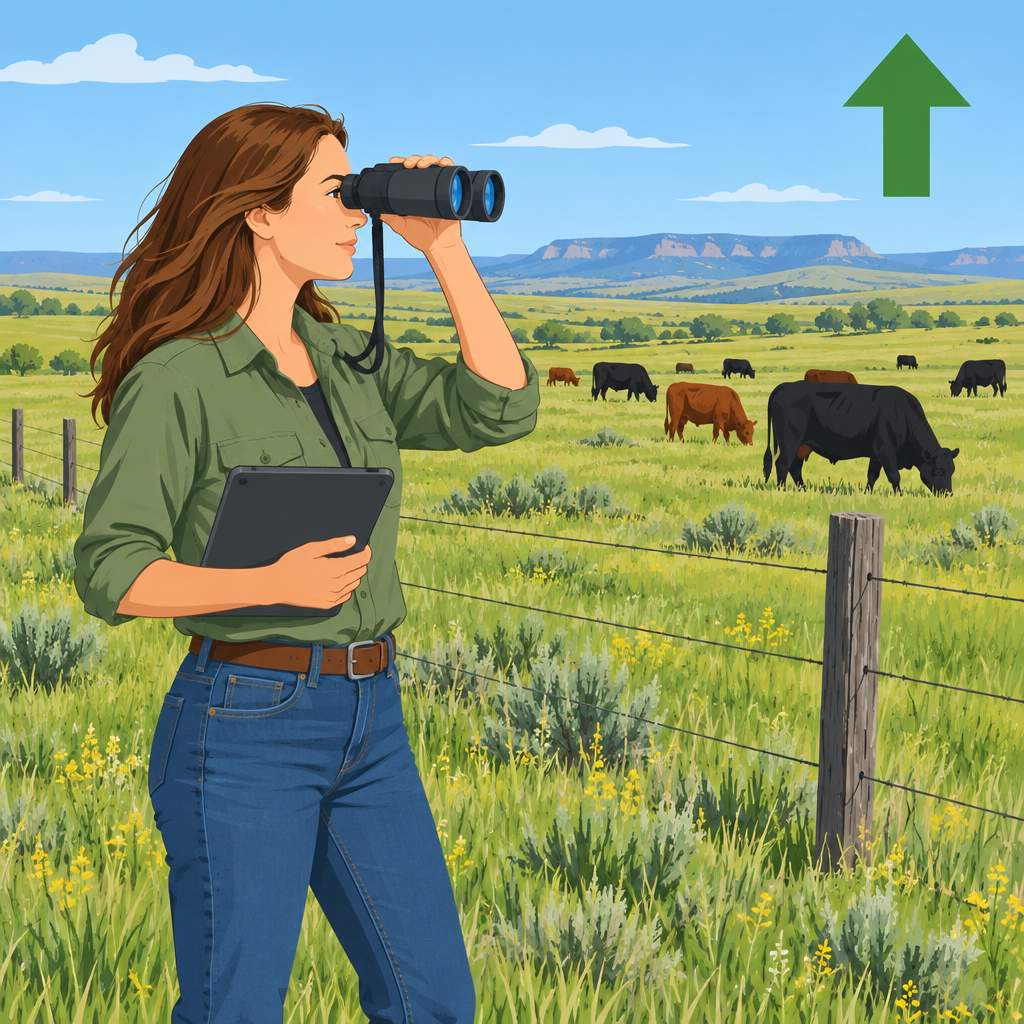
Technology in Rangeland Management
Digital tools help managers observe rangeland conditions and respond to environmental changes.
Mapping and remote sensing technologies reveal vegetation patterns, invasive species, and soil moisture levels.
Field applications support efficient data collection, analysis, and targeted grazing decisions.
- Drones can monitor rangeland health and detect vegetation changes.
- Geographic Information Systems can map rangeland resources.
- Precision agriculture techniques can support targeted grazing management.
- Remote sensing can help detect invasive species early.
- Mobile applications can support field data collection and analysis.
- Satellite imagery can assess vegetation cover and soil moisture levels.
See Related Content: Role of Extension Agents in Modern Agriculture
Networking Supports Career Advancement
Networking supports career advancement for rangeland managers.
Strong industry connections provide valuable insights and reveal professional opportunities.
These relationships also help managers establish a respected professional reputation.
Ways to Expand Professional Connections
You can expand professional connections by attending industry events and conferences.
Online platforms such as LinkedIn help you connect with other rangeland managers.
Additionally, social media helps you follow key influencers and monitor industry news.
- Attend industry events and conferences to meet professionals in the field.
- Join online platforms such as LinkedIn to connect with rangeland managers.
- Use social media to follow key influencers and track industry updates.
- Participate in workshops and training sessions to meet like-minded professionals.
Professional Organizations and Conferences
Professional organizations give rangeland managers access to valuable resources.
They also create networking opportunities and support continuing education.
For example, the Society for Range Management offers resources and professional learning opportunities.
Conferences present the latest trends and research in rangeland management.
They also help managers meet industry leaders and subject matter experts.
You Might Also Like: Top Innovations in Food Science and Technology
Career Pathways in Rangeland Management
After reviewing these key points, building a career as a rangeland manager requires dedication and specialized skills.
I encourage passionate land management and conservation advocates to consider this career.
Furthermore, online courses, internships, and networking events can support aspiring rangeland managers.
Interested individuals should pursue education, gain practical experience, and build professional networks.
These steps can move them toward their career goals.
By developing relevant skills and knowledge, individuals can positively influence rangeland ecosystems.
They can also contribute to sustainable land management practices.
Additional Resources
Google search results for Building a Career as a Rangeland Manager: Tips Agricultural
Bing search results for Building a Career as a Rangeland Manager: Tips Agricultural


