




Role of Correctional Officers in Rehabilitation
Correctional officers maintain order, safety, and security within correctional facilities.
They also support rehabilitation by creating a structured environment for inmates.
Through daily interactions, officers guide inmates toward positive behavioral changes.
Building Trust and Meaningful Relationships
Correctional officers build trust by developing respectful relationships with inmates.
This trust helps officers encourage positive change and support rehabilitation efforts.
Additionally, officers can serve as mentors and role models within the facility.
Accountability and Responsible Choices
Correctional officers enforce facility rules and regulations consistently.
Consequently, inmates remain accountable for their actions and decisions.
This structure encourages inmates to accept responsibility and make better choices.
Support for Rehabilitation Programs
Correctional officers support rehabilitation programs offered within correctional facilities.
They monitor inmate progress and provide guidance during program participation.
Furthermore, their encouragement helps inmates engage actively in rehabilitation activities.
Preparation for Reintegration into Society
Correctional officers help inmates prepare for successful reintegration into society.
They provide support, resources, and guidance during the transition toward community life.
By combining structure with encouragement, officers help inmates pursue positive changes after release.
Responsibilities of a Correctional Officer
Correctional officers protect inmates and staff while maintaining security throughout the facility.
They enforce facility rules, respond to emergencies, and document significant events.
Additionally, they support rehabilitation while preserving professionalism, confidentiality, and ethical standards.
- Conduct regular patrols to protect inmates and staff.
- Search facility areas for contraband and prevent illegal activities.
- Enforce rules and regulations to maintain order and discipline.
- Monitor inmate behavior and intervene in conflicts before violence occurs.
- Escort inmates to courtrooms, medical appointments, and other facility locations.
- Conduct head counts and inspections to verify inmate presence and compliance.
- Write reports about incidents, disciplinary actions, and other important information.
- Respond to fights, medical situations, and other emergencies.
- Participate in training programs to strengthen corrections knowledge and skills.
- Collaborate with counselors and social workers to provide holistic inmate care.
- Model professionalism and ethical behavior during every interaction.
- Encourage education, vocational training, and therapy programs.
- Build positive relationships that foster trust and support constructive change.
- Meditate disputes and help inmates resolve conflicts peacefully.
- Promote reentry programs and support services that help prevent recidivism.
- Assess inmate progress and tailor rehabilitation interventions accordingly.
- Show empathy toward inmate struggles while upholding facility rules.
- Protect confidential information and maintain integrity when handling inmate records.
- Stay alert to prevent escapes and other security breaches.
- Uphold professional standards and ethical conduct throughout the correctional system.
Trust and Rapport in Correctional Settings
Trust between correctional officers and inmates supports communication, cooperation, and a more stable correctional environment.
Rapport also helps officers understand inmate needs and recognize potential risks.
Consequently, respectful interactions can strengthen daily communication without weakening professional boundaries.
Relationships That Support Rehabilitation
Positive officer-inmate relationships can encourage trust and respect during the rehabilitation process.
When inmates feel understood and supported, they may participate more willingly in rehabilitation programs.
Furthermore, constructive relationships can reduce violence and conflict, allowing rehabilitation efforts to receive greater attention.
Strategies for Building Positive Relationships
Officers can show empathy and respect while treating every inmate with dignity.
Active listening demonstrates genuine interest in inmate concerns, needs, and well-being.
Additionally, positive conversations can promote open communication and gradually strengthen mutual trust.
Benefits for Correctional Officers
Relationship-building can improve job satisfaction and reduce stress for correctional officers.
Moreover, positive connections may contribute to a safer working environment.
Enhanced communication can help officers manage inmate behavior and address conflicts more effectively.
Find Out More: Cybersecurity Specialist: How to Manage Security Audits
Support During Rehabilitation
Correctional officers can support inmates throughout their rehabilitation journey.
They can encourage positive behavior while maintaining appropriate professional boundaries.
Additionally, their guidance can connect inmates with useful rehabilitation resources.
Emotional Support for Inmates
Correctional officers can listen when inmates discuss emotional struggles.
They can offer encouragement and acknowledge inmates’ feelings respectfully.
As a result, emotional support can help inmates manage stress during rehabilitation.
Mentorship and Positive Guidance
Officers can guide inmates toward constructive choices and behavioral change.
They can share appropriate experiences that encourage inmates to pursue rehabilitation.
Moreover, consistent guidance can motivate inmates to develop more positive mindsets.
Transform Your Career Today
Unlock a personalized career strategy that drives real results. Get tailored advice and a roadmap designed just for you.
Start Now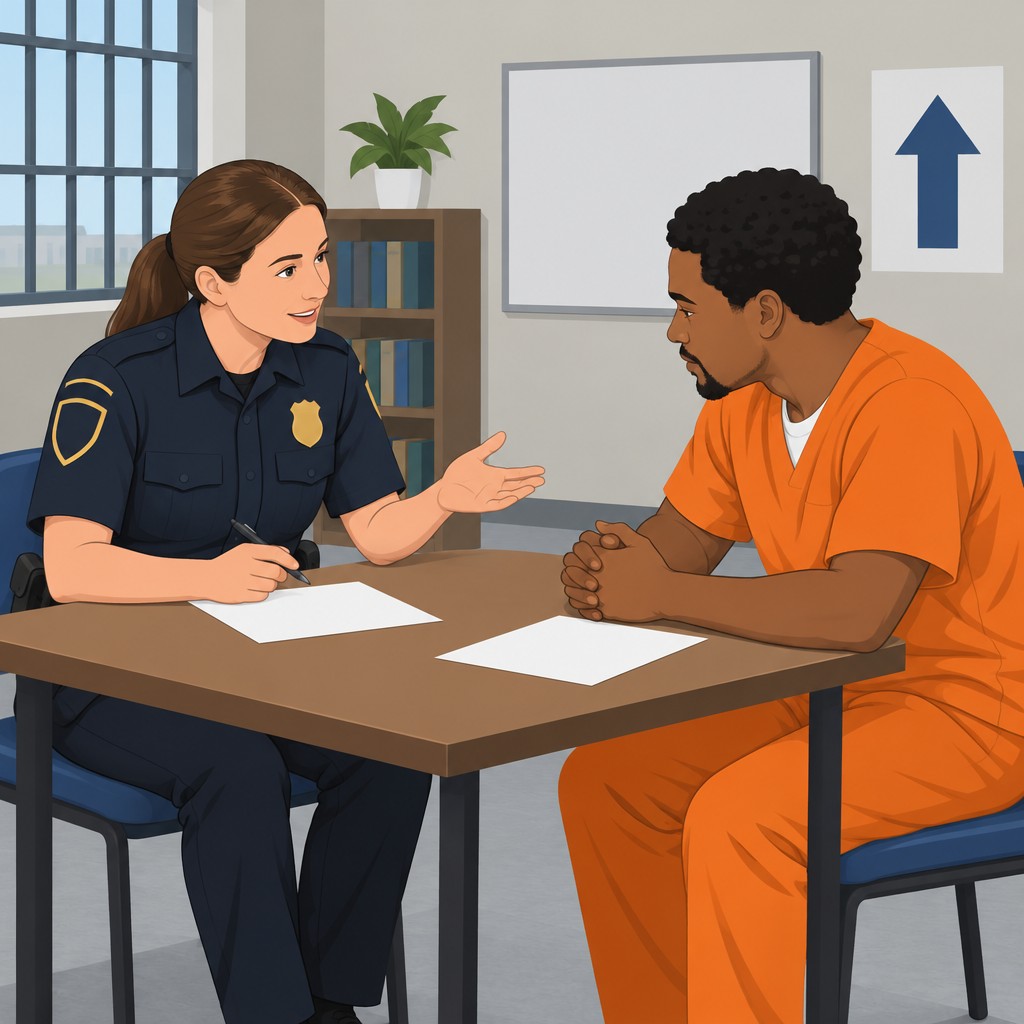
Communication With Rehabilitation Staff
Correctional officers can help inmates communicate with counselors and social workers.
They can also support communication with therapists and other rehabilitation staff.
This coordination helps inmates access support suited to their rehabilitation needs.
Access to Rehabilitation Resources
Officers can help inmates locate available programs within the correctional facility.
They can advocate for access to resources that support successful reintegration.
Consequently, inmates can use appropriate tools while preparing for release.
Progress Monitoring and Accountability
Correctional officers can monitor inmates’ participation in rehabilitation programs.
They can provide feedback when inmates demonstrate progress or encounter difficulties.
Furthermore, accountability can help inmates remain focused on positive behavioral changes.
Addressing Rehabilitation Challenges
Officers can help inmates identify obstacles affecting their rehabilitation.
These obstacles may include substance abuse, mental health issues, or limited education.
With suitable guidance, inmates can address challenges and continue pursuing rehabilitation.
Uncover the Details: Daily Duties of an Emergency Management Director
Conflict Resolution Skills
Correctional officers must possess strong conflict resolution skills to manage tense situations.
They use these skills to address conflicts within correctional facilities.
Effective conflict resolution creates a positive, supportive environment for rehabilitation efforts.
Why Strong Conflict Resolution Skills Matter
Strong conflict resolution skills help officers address problems before situations worsen.
Officers can de-escalate conflicts before violence develops.
Prompt, fair resolutions protect inmates and staff while helping officers build inmate trust.
- Officers diffuse escalating situations by de-escalating conflicts before they become violent.
- Prompt conflict resolution promotes safety for inmates and staff.
- Fair resolutions help officers build trust with inmates.
- Effective conflict resolution improves communication between involved parties.
How Conflict Resolution Supports Rehabilitation
Peaceful conflict resolution can create a calm setting for rehabilitation.
It can also foster positive relationships among inmates and staff.
Furthermore, resolving disputes can help inmates focus on personal growth and rehabilitation goals.
- Resolving conflicts peacefully fosters a calm atmosphere that supports rehabilitation.
- Conflict resolution helps inmates and staff build positive relationships.
- Resolved conflicts make inmates more likely to cooperate with rehabilitation programs.
- By resolving conflicts, officers help inmates focus on personal growth and rehabilitation goals.
These skills help officers maintain a supportive environment for rehabilitation within correctional facilities.
Delve into the Subject: Effective Problem-Solving for Security Consultants
Methods for Evaluating Inmate Progress
Correctional officers monitor inmate progress during rehabilitation.
They assess behavior and participation through regular check-ins.
They also observe daily activities and interactions to identify progress.
- Correctional officers conduct regular check-ins with inmates.
- They assess inmate behavior and participation in rehabilitation programs.
- They observe daily activities and inmate interactions.
- They maintain detailed records of behavior and progress.
- They collaborate with counselors and psychologists for comprehensive feedback.
Feedback for Tailored Rehabilitation
Correctional officers provide observations that help staff evaluate rehabilitation strategies.
Their feedback helps staff identify inmate needs and challenges.
Staff can then adjust rehabilitation plans according to documented progress.
- Officers suggest adjustments when current strategies need improvement.
- They offer personalized encouragement that supports active participation.
- They identify needs that require targeted rehabilitation plans.
- Their feedback helps staff track progress and modify plans.
These contributions help correctional staff respond to individual rehabilitation needs.
They also support informed evaluations of inmate development over time.
Uncover the Details: Wildlife Conservation by Fish and Game Wardens
Collaboration with Rehabilitation Specialists
- Correctional officers coordinate with rehabilitation specialists to support inmate rehabilitation within the prison environment.
- Together, both groups develop a comprehensive approach to addressing inmate needs.
- This partnership enables them to share relevant knowledge, resources, and professional expertise.
- Rehabilitation specialists can train officers in evidence-based rehabilitation practices.
- Meanwhile, officers help specialists implement programs effectively within the prison setting.
Value of Interdisciplinary Rehabilitation
- Collaboration helps both groups address the complex needs of inmates more effectively.
- Furthermore, coordinated support helps inmates receive consistent care throughout rehabilitation.
- Officers contribute observations about inmate behavior and attitudes during daily facility operations.
- Rehabilitation specialists contribute expertise in therapy, counseling, and behavior modification.
- Together, they can establish a structured, supportive environment for rehabilitation.
Improving Rehabilitation Outcomes
- Teamwork can strengthen rehabilitation programs and make their benefits more sustainable.
- Additionally, collaboration supports personalized plans that reflect each inmate’s needs and challenges.
- Both groups can identify high-risk inmates and coordinate targeted interventions to reduce recidivism.
- Officers can help inmates access educational and vocational training for reentry into society.
- Consequently, coordinated work can support successful rehabilitation and reduce reoffending.
Addressing Behavioral Issues
- Correctional officers play a crucial role in addressing and managing inmate behavioral issues.
- They maintain order and discipline within the facility.
- By enforcing rules and regulations, officers help create a safe environment for staff and inmates.
- Additionally, they de-escalate situations and handle conflicts effectively through their training.
- Regular checks help officers monitor inmate behavior and confirm compliance.
Developing Coping Strategies
- Officers can also help inmates develop practical coping strategies.
- They provide support and guidance to individuals facing emotional or behavioral issues.
- Furthermore, counseling and therapy sessions help inmates address underlying issues.
- These sessions can teach inmates to manage stress, anger, and negative emotions healthily.
- Finally, group therapy sessions encourage peer support and communication.
Correctional Officers’ Impact on Rehabilitation
Correctional officers help shape rehabilitation by combining structure, support, and guidance in daily interactions.
Moreover, they create conditions that encourage inmates to pursue positive change and personal growth.
Through consistent relationships, officers can influence inmate behavior and attitudes.
Furthermore, they model constructive values and encourage inmates to develop essential life skills.
These efforts help prepare individuals for successful reintegration into society.
Consequently, officers’ dedication can contribute to rehabilitation and reduce recidivism.
Successful rehabilitation becomes more difficult when inmates lack consistent support and guidance.
Transform Your Career Today
Unlock a personalized career strategy that drives real results. Get tailored advice and a roadmap designed just for you.
Start NowTherefore, the criminal justice system should recognize correctional officers’ indispensable contribution to rehabilitation.
Additional Resources
Google search results for Correctional Officer Role in Rehabilitation Protective Services
Bing search results for Correctional Officer Role in Rehabilitation Protective Services


