




Entomologists and Sustainable Crop Protection
Entomologists study insects, their behavior, ecology, and physiology.
Protecting crops from insect damage remains crucial because pests can reduce yield and quality.
Therefore, entomologists develop sustainable and effective pest management strategies.
Pest Insect Identification and Risk Assessment
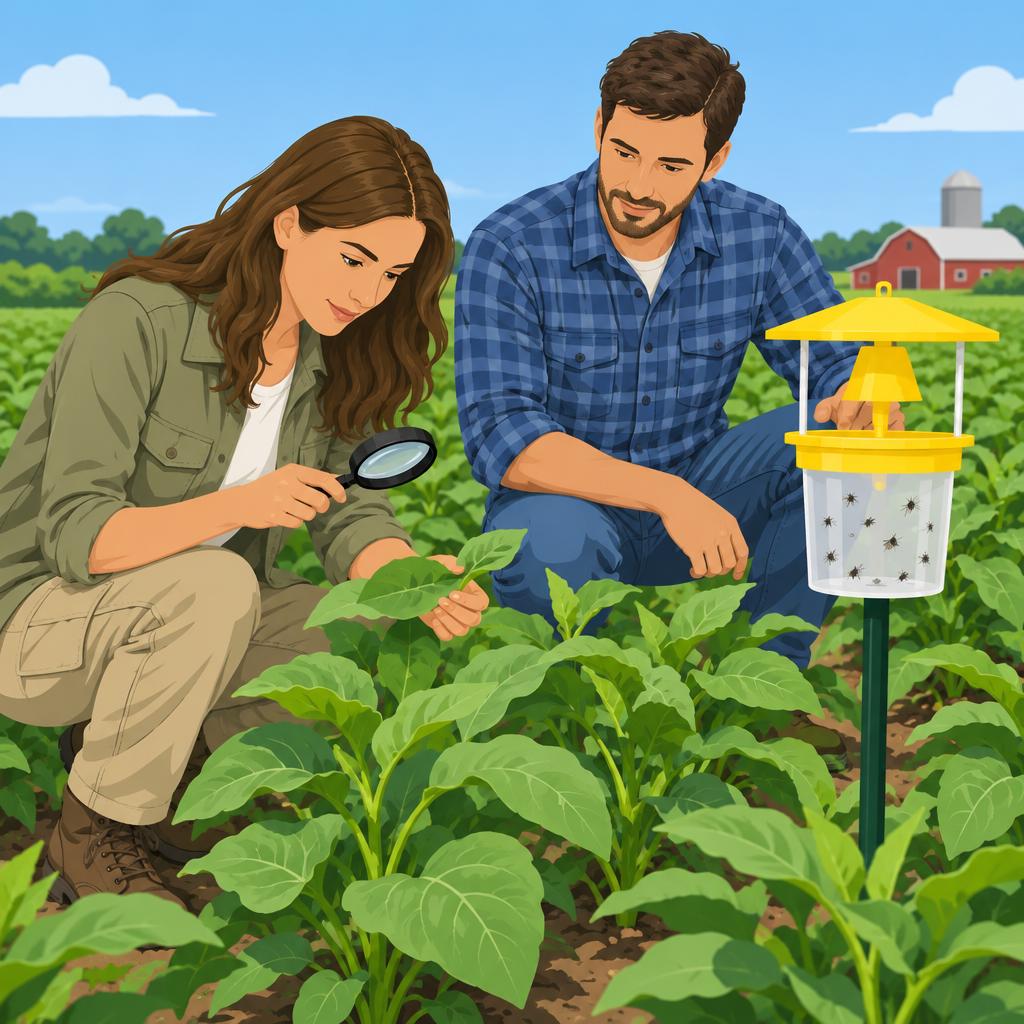
Visual crop inspection provides an initial way to identify insect species.
Meanwhile, pheromone traps attract and capture specific pests for closer examination.
Molecular methods and population monitoring provide additional evidence about pest identity and abundance.
- Visual inspection helps identify insect species in crops.
- Pheromone traps attract and capture specific pest species.
- Entomologists use DNA barcoding for accurate insect identification.
- Regular field scouting helps monitor insect populations.
- Sweep nets, sticky traps, and pitfall traps reveal insect presence.
- Population size and feeding habits help determine potential damage levels.
- Forecasting models predict pest outbreaks and support timely control planning.
- Knowledge of pest behavior helps estimate potential crop yield losses.
Integrated Pest Control Measures
Farmers can combine cultural, biological, behavioral, and chemical approaches.
Each method targets pest populations through different mechanisms.
Integrated Pest Management reduces reliance on pesticides by combining suitable control options.
- Crop rotation and intercropping can reduce insect populations.
- Natural predators and parasites provide biological pest control.
- Pheromones and attractants can disrupt mating and reduce reproduction.
- Entomopathogenic fungi and bacteria can kill insect pests as biopesticides.
- Insect growth regulators interfere with pest development and life cycles.
- Neem oil and pyrethrum provide botanical insecticide options.
- Synthetic insecticides can provide chemical control when necessary.
- Integrated Pest Management combines multiple methods to minimize pesticide use.
Strategies for Preventing Future Infestations
Preventive measures limit pest buildup before populations cause extensive crop damage.
Healthy crops and diverse growing systems can strengthen resistance to insect pressure.
Continued education and collaboration support effective pest management across agricultural systems.
- Regular monitoring and early detection can prevent damage escalation.
- Crop rotation and crop diversification can reduce specific pest populations.
- Pest-resistant crop varieties can reduce the effects of insect damage.
- Proper plant nutrition and health can strengthen natural plant defenses.
- Row covers and insect screens can create barriers against infestation.
- Habitat management can increase beneficial insect populations.
- Farmer education and training support sustainable pest management practices.
- Researchers, farmers, and policymakers can collaborate on effective control strategies.
Integrated Pest Management
Integrated pest management combines biological, cultural, and physical methods to manage pests.
This holistic approach uses pesticides only when necessary.
Consequently, growers can protect crops while reducing reliance on harmful chemicals.
Biological Control Methods
Biological control uses natural enemies to keep pest populations within manageable levels.
These enemies include predators, parasitoids, and pathogens that attack or suppress pests.
Therefore, biological control can reduce pest pressure without directly applying chemical treatments.
- Predators such as ladybugs and lacewings consume many pests and reduce crop damage.
- Parasitoids lay eggs in or on pests, eventually causing their deaths.
- Pathogens can infect pests and help limit their populations.
Cultural and Physical Controls
Cultural controls alter growing conditions to make environments less suitable for pests.
For example, crop rotation, intercropping, and sanitation can disrupt pest life cycles.
Meanwhile, physical controls block, trap, or remove pests before they reach crops.
- Crop rotation can limit opportunities for pests to establish repeated infestations.
- Intercropping can make crops less accessible to certain pests.
- Sanitation practices can remove conditions that support pest establishment.
- Row covers create barriers that prevent pests from reaching plants.
- Sticky traps capture pests before they cause extensive crop damage.
- Hand-picking removes visible pests through direct mechanical action.
Benefits for Crop Production
IPM supports sustainable crop protection by combining several complementary management methods.
Growers can minimize harmful chemical use while maintaining healthier and more productive crops.
Through coordinated controls, farmers can protect harvests from damaging insect populations.
Delve into the Subject: Understanding Soil Management: Tips from Agronomists
Researching Insect Behavior for Crop Protection
Entomologists study insect behavior to help protect crops from damage.
They examine biological processes that reveal opportunities for targeted control.
This research supports strategies that limit infestations and reduce crop losses.
Studying Insect Life Cycles
Entomologists examine each stage of insect development.
This approach helps them locate vulnerable points within the life cycle.
They can then target those points with suitable control measures.
They may also study egg-laying habits to identify the best time for intervention.
By tracking egg deposition and hatching, researchers can disrupt development before insects mature.
Consequently, fewer insects reach maturity and damage crops.
Investigating Insect Feeding Habits
Researchers investigate what insects eat and how they consume plant material.
These observations help entomologists design methods that discourage feeding on crops.
For example, they may examine chemicals that attract insects to particular plants.
Researchers can then develop ways to mask or block those chemical cues.
As a result, altered cues may reduce feeding pressure on crops.
Understanding Signals That Attract Insects
Entomologists also study signals that draw insects toward agricultural crops.
Transform Your Career Today
Unlock a personalized career strategy that drives real results. Get tailored advice and a roadmap designed just for you.
Start NowIdentifying these cues helps researchers develop methods that disrupt insect movement into fields.
They may investigate pheromones that insects release to attract mates.
Researchers can then interfere with these chemical signals.
This strategy may reduce infestations and limit crop damage.
Applying Behavioral Research to Crop Protection
By combining life-cycle, feeding, and attraction studies, entomologists develop targeted crop protection strategies.
Their findings help safeguard agricultural production from insect damage.
Therefore, behavioral research contributes to protecting crops and supporting food security.
Explore Further: Education Path to Become a Dairy Scientist
Developing Insect-Resistant Crop Varieties
Insect-resistant crop varieties help protect plants from damaging pests.
Researchers develop these varieties through genetic modification, selective breeding, and field testing.
These methods can improve crop protection while reducing dependence on chemical insecticides.
- Genetic modification to enhance plant resistance
- Breeding programs to select natural resistance
- Field trials to test variety effectiveness
Genetic Modification for Plant Resistance
Scientists can introduce genes from other organisms to strengthen plant resistance against insect pests.
Some inserted genes produce insecticidal proteins that target specific pests.
Other genes enhance the plant’s natural defenses against insect attacks.
Consequently, modified crops can reduce damage from corn borers, bollworms, and aphids.
Researchers have used this approach in corn, cotton, and soybeans.
Breeding Programs for Natural Resistance
Traditional breeding programs identify plants that naturally resist insect pests.
Researchers selectively cross plants that possess desirable resistance traits.
This process can produce varieties with stronger protection against insect attacks.
Moreover, naturally resistant varieties may reduce the need for chemical treatments.
Breeders apply this strategy to crops such as tomatoes, peppers, and potatoes.
These crops can resist pests including aphids, thrips, and beetles.
Field Trials for Variety Evaluation
Researchers conduct field trials after developing varieties through modification or breeding.
They plant resistant varieties alongside conventional crops under real-world conditions.
During these trials, researchers monitor insect damage and crop performance.
They compare yield, pest damage, and pesticide use across the tested varieties.
These measurements reveal each variety’s practical value and potential limitations.
Field results also help researchers evaluate whether growers can implement varieties on a larger scale.
Benefits for Crop Protection and Sustainability
Insect-resistant varieties can help crops withstand pressure from damaging pests.
They can also support food security by limiting crop losses.
Furthermore, reduced insecticide use can support more sustainable agricultural production.
Learn More: Preparing for a Career as a Dairy Scientist
Judicious Use of Chemical Pesticides
Entomologists use chemical pesticides as one method for protecting crops from insect damage.
They apply these chemicals carefully to manage pests while limiting harm to surrounding organisms.
Additionally, careful use supports sustainable pest management and protects human health and the environment.
Selective Pesticide Application
Selective pesticide use helps entomologists control pest populations while reducing harm to beneficial insects and pollinators.
It also limits effects on other organisms within the ecosystem.
Furthermore, targeted applications reduce the environmental impact of agricultural chemical use.
Monitoring Pesticide Resistance
Entomologists regularly monitor insect populations for signs of pesticide resistance.
This monitoring helps them identify effective treatments and prevent resistance from spreading.
Transform Your Career Today
Unlock a personalized career strategy that drives real results. Get tailored advice and a roadmap designed just for you.
Start NowBy studying resistance mechanisms, they develop strategies that preserve pesticide effectiveness against pest insects.
Risk Assessment for Health and the Environment
Risk assessments evaluate possible effects of pesticide use on human health and the environment.
Entomologists consider exposure levels and toxicity during these evaluations.
As a result, they can identify safer and more effective ways to use chemical pesticides.
Together, these practices protect crops while minimizing harmful effects on ecosystems and human health.
Learn More: Work Environment of an Artificial Insemination Technician
Entomologists help farmers protect crops by sharing practical knowledge about insect threats.
Their education programs help farmers manage pest populations and reduce crop losses.
These efforts support informed decisions and healthier agricultural systems.
Workshops for Pest Management Knowledge
Entomologists organize workshops that teach farmers to recognize common crop pests.
Farmers learn the signs and symptoms that indicate developing infestations.
Early recognition allows farmers to respond before pests cause widespread damage.
Additionally, instructors explain pest lifecycles and behaviors during these sessions.
This information helps farmers choose suitable times for management activities.
Consequently, farmers can make better decisions about protecting their crops.
Safe and Effective Pesticide Application
Entomologists demonstrate how farmers can apply pesticides correctly.
They explain appropriate dosages, application timing, and necessary safety precautions.
Farmers also learn how to handle pesticides responsibly.
Furthermore, entomologists emphasize the importance of following label instructions.
They encourage farmers to select environmentally friendly products when appropriate.
These practices help limit risks to people, beneficial insects, and surrounding ecosystems.
Sustainable Practices for Long Term Crop Protection
Entomologists encourage farmers to adopt practices that reduce dependence on chemical pesticides.
Crop rotation can disrupt conditions that support persistent pest problems.
Cover cropping and habitat diversification can support beneficial insects.
Moreover, these practices can help create a more balanced farm ecosystem.
Entomologists help farmers develop comprehensive plans that consider crops, pests, and environmental conditions.
Through continued training, farmers can protect yields while supporting agricultural sustainability.
Collaborating with Farmers and Agricultural Stakeholders
Entomologists collaborate with farmers and other agricultural stakeholders to protect crops from insect damage.
Through cooperation, they develop effective solutions that address pest problems and minimize crop losses.
This shared approach supports practical and sustainable pest management across the agricultural industry.
Building Partnerships with Agricultural Organizations
Entomologists build partnerships with cooperatives, extension services, and research institutions.
These organizations provide access to funding, resources, and specialized expertise.
Consequently, partnerships help entomologists implement stronger pest management strategies.
- Entomologists often partner with agricultural cooperatives and extension services.
- They also work with research institutions to strengthen pest management efforts.
Sharing Data and Research Findings
Entomologists share data and research findings with farmers and other stakeholders.
This information helps stakeholders recognize emerging pest threats.
As a result, farmers can make informed decisions about pest management practices.
- Entomologists share valuable findings about the latest pest threats.
- They raise awareness about potential risks affecting agricultural production.
Addressing Specific Crop Threats
Entomologists work directly with farmers to identify pest threats affecting regional crops.
Together, they examine local problems and develop targeted management strategies.
Therefore, tailored solutions can reduce insect damage and protect crop yields.
- Entomologists collaborate with farmers to identify specific regional pest threats.
- They develop tailored strategies that address those threats and reduce crop losses.
Strengthening Agricultural Pest Management
Collaboration enables entomologists and agricultural stakeholders to respond to crop threats more effectively.
Transform Your Career Today
Unlock a personalized career strategy that drives real results. Get tailored advice and a roadmap designed just for you.
Start NowMoreover, shared knowledge supports practical decisions and coordinated pest management efforts.
These partnerships benefit the wider agricultural industry by supporting sustainable crop protection.
Sustainable Crop Protection and Future Research
Entomologists protect crops from insect damage through various methods.
Sustainable and eco-friendly practices preserve the environment during crop protection.
Therefore, continued support for entomological research advances effective pest management in agriculture.
Additional Resources
Google search results for How Entomologists Protect Crops from Insect Damage Agricultural
Bing search results for How Entomologists Protect Crops from Insect Damage Agricultural


