




Introduction
Soil management involves practices that improve soil health and fertility.
It is crucial for sustainable agriculture and food production.
These practices help maintain the conditions needed for productive farming.
Importance of Soil Testing
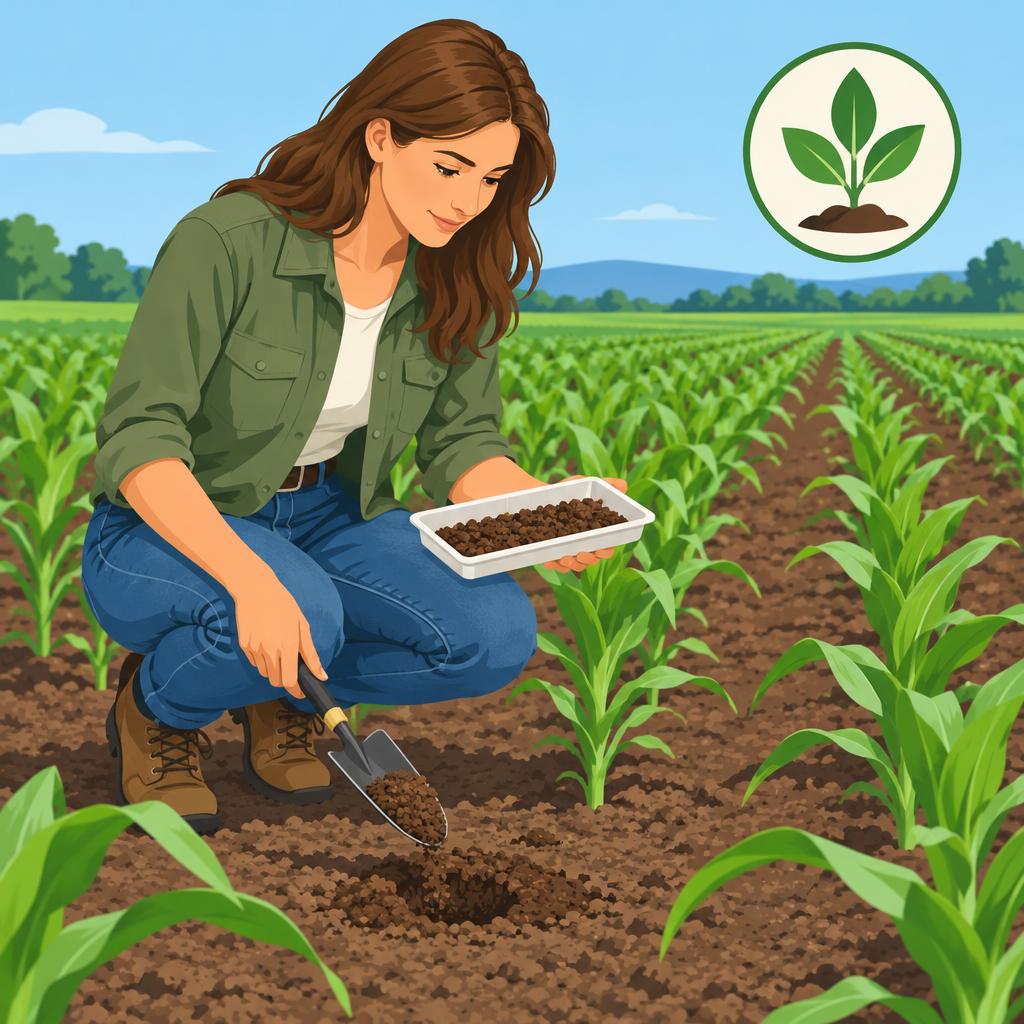
Soil testing reveals nutrient levels, pH balance, and overall soil health.
Additionally, it helps farmers make informed fertilization decisions.
Farmers can optimize crop production by understanding soil composition.
Testing also identifies nutrient deficiencies and excesses within the soil.
Therefore, farmers can tailor fertilizer applications to specific soil requirements.
Methods for Testing Soil
Farmers can choose from several methods to evaluate soil conditions.
Each method examines different characteristics related to soil health and fertility.
Using multiple methods provides broader information for nutrient management decisions.
- Chemical analysis extracts soil samples and measures their nutrient content.
- Physical analysis measures texture, structure, porosity, and water-holding capacity.
- Biological analysis assesses microbial activity and the presence of soil organisms.
- Remote sensing uses satellite imagery to monitor soil health and vegetation cover.
- On-site testing kits quickly measure soil pH and nutrient levels.
Soil testing supports sustainable agriculture by revealing fertility and nutrient conditions.
Consequently, farmers can make better decisions about soil nutrient management.
These decisions can improve crop productivity and environmental sustainability.
Nutrient Management
Proper nutrient management supports healthy crop growth and strong yields.
Plants need balanced nutrients to complete essential physiological processes.
Farmers can improve crop performance by managing soil nutrients carefully.
Nutrient Management and Crop Performance
- Nutrients support plant growth and many physiological processes.
- However, nutrient deficiencies or excesses can stunt growth, reduce yields, and increase disease susceptibility.
- Balanced management improves soil fertility, crop resilience, and farm productivity.
Practices for Balanced Soil Nutrients
- Conduct soil tests regularly to assess nutrient levels and soil pH.
- Select fertilizers that address deficiencies identified through soil test results.
- Rotate crops to prevent specific nutrient depletion and support soil health.
- Add compost or manure to enrich soil and provide slow-release nutrients.
- Use cover crops to support nitrogen levels and reduce nutrient leaching.
- Avoid excessive fertilizer applications because they can create imbalances and pollute the environment.
- Monitor crops for deficiency or excess symptoms, including yellowing leaves and stunted growth.
- Consider precision agriculture techniques to apply fertilizers efficiently and reduce waste.
- Work with agronomists or soil scientists to develop a customized nutrient plan.
- Record soil tests, fertilizer applications, and yields to evaluate management practices.
Find Out More: Education Path to Become a Dairy Scientist
Soil Erosion and Agricultural Productivity
Soil erosion threatens agricultural productivity by removing valuable soil and nutrients.
As a result, declining fertility can reduce crop yields and farmers’ income.
Moreover, erosion contributes to environmental degradation and weakens long-term agricultural sustainability.
Effects of Soil Erosion on Agriculture
Eroded soil carries away nitrogen, phosphorus, potassium, and other essential nutrients.
This nutrient loss can diminish crop quality and reduce yields.
Additionally, erosion removes organic matter, weakens soil structure, and reduces fertility.
- Nutrient loss: Eroded soil removes essential nutrients needed for healthy crop growth.
- Reduced soil fertility: Erosion removes topsoil and decreases organic matter content.
- Water pollution: Sediment runoff carries pesticides and fertilizers into water bodies.
- Increased flooding: Erosion reduces water absorption and raises flooding risks during heavy rainfall.
Techniques for Preventing Soil Erosion
Farmers can combine several conservation practices to protect soil and sustain production.
These methods reduce runoff, improve water retention, and preserve soil structure.
Furthermore, vegetation and surface protection help limit erosion from water and wind.
- Contour plowing follows land contours, slowing runoff and improving water infiltration.
- Cover crops hold soil with their roots while adding organic matter and nutrients.
- Terracing creates level planting areas that retain water and protect topsoil.
- Mulching protects soil from runoff and wind while improving surface coverage.
- Conservation tillage limits soil disturbance, improves infiltration, and preserves soil health.
- Windbreaks reduce wind force and prevent soil particles from blowing away.
- Buffer strips filter sediment and pollutants before they reach streams and rivers.
- Geotextiles and erosion control mats stabilize soil on steep slopes and construction sites.
Gain More Insights: Preparing for a Career as a Dairy Scientist
Soil Compaction
Soil compaction occurs when soil particles press together.
This process reduces pore space for air and water.
Farmers around the world face soil compaction as a common agricultural challenge.
Effects on Crop Growth
Compacted soil can significantly hinder crop growth and development.
Restricted pore space limits root penetration and reduces access to nutrients and water.
Consequently, crops may experience stunted growth, reduced yields, and poor performance.
- Compacted soil decreases water infiltration.
- It limits air movement and reduces oxygen availability for plant roots.
- It can cause waterlogging around plant roots.
Preventing Soil Compaction
Farmers can prevent compaction by controlling machinery movement across agricultural fields.
They should also avoid fieldwork when soil remains wet.
Additionally, farmers can manage traffic intensity by reducing unnecessary machinery passes.
- Use controlled traffic patterns to reduce machinery impact.
- Avoid working on wet soil to reduce compaction risks.
- Use appropriate tire pressure when managing field traffic.
Managing Soil Compaction
Farmers can manage existing compaction by breaking up dense soil layers.
Deep tillage can improve soil structure and restore space for air and water.
Cover crops and organic matter can further support soil aggregation and microbial activity.
Transform Your Career Today
Unlock a personalized career strategy that drives real results. Get tailored advice and a roadmap designed just for you.
Start Now- Implement deep tillage practices to break up compacted layers.
- Use cover crops to enhance soil health and promote aggregation.
- Apply compost or manure to help restore soil structure.
Discover More: Work Environment of an Artificial Insemination Technician
Crop rotation and cover crops support soil health.
Agronomists recommend these techniques for sustainable agriculture.
They also support improved crop production.
Benefits of Crop Rotation and Cover Crops
- These practices reduce soil erosion by protecting the soil surface.
- They improve soil structure and increase its water holding capacity.
- Additionally, they minimize weed pressure and reduce herbicide needs.
- Legumes enhance soil fertility by fixing nitrogen and adding organic matter.
- Furthermore, crop rotation reduces the likelihood of soil-borne diseases and pests.
Guidelines for Crop Rotation and Cover Cropping
- Diversify crop species to break pest and disease cycles.
- Rotate cash crops with cover crops, including legumes or grasses.
- Next, plan a multiyear rotation schedule around soil and climate conditions.
- Integrate cover crops into cash crop rotations to strengthen soil health.
- Use cover crops as green manure to improve soil nutrient levels.
By following these guidelines, farmers can improve soil quality and farm productivity.
Gain More Insights: Innovative Projects for Agri-Science Students
Water Management
Proper water management helps maintain soil health.
It keeps soil moisture within levels that support plant growth.
It also reduces risks associated with waterlogging and drought.
Importance of Proper Water Management
Water supplies plants with moisture needed for growth and nutrient uptake.
Without management, soil structure can deteriorate and restrict plant growth.
Overwatering may cause waterlogging, root rot, and nutrient leaching.
Underwatering may create drought stress and stunt plant growth.
Balanced management gives plants water and nutrients when needed.
Methods for Maintaining Soil Moisture
- Conduct regular soil moisture tests to determine whether watering remains necessary.
- Water deeply and less frequently to encourage deep root growth.
- Apply mulch around plants to retain moisture and reduce evaporation.
- Use drip irrigation or soaker hoses to water plants near their roots.
- Avoid watering during the hottest part of the day to reduce evaporation.
Preventing Waterlogging and Drought
- Improve drainage by amending soil with organic matter.
- Avoid overwatering by watering only when the soil feels dry.
- Use raised beds or mounds in areas prone to waterlogging.
- Install rain barrels or drip irrigation systems for efficient watering.
- Monitor weather patterns and adjust watering schedules to prevent drought.
Maintaining Balanced Soil Moisture
Water management plays a critical role in soil health and plant growth.
These practices help maintain suitable moisture levels and prevent waterlogging or drought.
Careful watering schedules help plants access water and nutrients as needed.
Importance of Soil pH in Crop Production
Soil pH strongly influences crop health and productivity.
It affects nutrient availability, microbial activity, and overall plant growth.
Therefore, growers should manage pH according to each crop’s preferred range.
Strategies for Adjusting Soil pH Levels
Growers should test soil before adjusting its pH.
Then, they can choose amendments based on test results and crop requirements.
Meanwhile, several practices can help maintain a stable soil pH.
- Apply agricultural lime to raise pH levels in acidic soils, following soil test recommendations.
- Apply sulfur to lower pH levels in alkaline soils and make them more acidic.
- Incorporate compost and other organic matter to buffer pH fluctuations and improve soil structure.
- Use mulch to maintain steady pH levels by reducing nutrient leaching and erosion.
- Avoid excessive chemical fertilizer use because it can alter soil pH.
- Rotate crops to help maintain soil pH balance and prevent nutrient depletion.
Maintaining Optimal Soil pH for Crop Growth
Regular monitoring helps growers keep soil pH within the desired range.
They should adjust pH when results show a need.
Ongoing management supports healthy crop growth throughout production.
Sustainable Soil Management Practices
Agronomists’ guidance offers a practical framework for strengthening soil health and supporting crop productivity.
First, soil testing identifies nutrient deficiencies and reveals soil pH levels.
Next, crop rotation and cover cropping improve soil structure and fertility.
Additionally, compost and manure add organic matter and essential nutrients.
Meanwhile, no-till farming preserves soil structure and limits erosion.
Furthermore, effective irrigation distributes water properly and prevents waterlogging or drought stress.
Finally, farmers should monitor results and adjust practices according to agronomists’ recommendations.
These practices can support higher yields, improved crop quality, and long-term soil health.
Additional Resources
Google search results for Understanding Soil Management: Tips from Agronomists Agricultural
Bing search results for Understanding Soil Management: Tips from Agronomists Agricultural


