




Artificial Insemination Technician Role
Artificial insemination technicians assist with animal reproduction processes.
They precisely handle and insert semen into female animals to support breeding.
Their work supports successful fertilization, genetic improvement, and disease prevention through controlled breeding methods.
Additionally, technicians work in dynamic, demanding environments requiring technical skills, attention to detail, and animal biology knowledge.
Education and Training for Artificial Insemination Technicians
- Applicants need a high school diploma or GED to become artificial insemination technicians.
- Additionally, recognized institutions or organizations must certify technicians before they practice.
- Training may cover animal science, veterinary technology, or reproductive physiology.
- Technicians need attention to detail, strong organizational abilities, and a calm demeanor.
- Furthermore, continued education helps technicians stay current with artificial insemination techniques and technologies.
- Conferences, workshops, and seminars can strengthen professional knowledge and practical skills.
- Some technicians pursue advanced degrees or specializations to develop their careers further.
Artificial Insemination Technician Work Setting
The technician may work on farms, at breeding facilities, or in veterinary clinics.
Work conditions vary according to whether technicians treat exotic animals, livestock, or pets.
Meanwhile, technicians must maintain clean and sterile workspaces during every procedure.
Locations for Artificial Insemination Work
Technicians work in several settings, and each location presents distinct challenges and rewards.
On farms, they support livestock breeding involving cows, pigs, and sheep.
Because farms can operate quickly, technicians organize their work efficiently.
They may complete multiple inseminations during one day.
Specialized breeding facilities focus on improving animal genetic quality.
These facilities may emphasize particular breeds and require detailed knowledge of genetics.
Technicians use breeding techniques that support the facility’s goals.
Veterinary clinics provide another setting for artificial insemination work.
There, technicians may assist with pets and exotic species.
They also collaborate with veterinarians and other animal care professionals.
This teamwork supports animal health during the insemination process.
Work Environments for Different Animal Types
Animal type strongly influences the technician’s daily environment and responsibilities.
Exotic animal work may involve zoo animals or endangered species.
Technicians follow strict protocols that protect animals and workers.
Facilities may also require additional biosecurity measures.
These measures help control disease and protect the animals’ genetic integrity.
Livestock work can require physically demanding restraint during insemination.
Facilities that house livestock may handle many procedures each day.
Accordingly, technicians must manage a larger insemination workload.
Pet-focused work includes dogs and cats.
Technicians build rapport with pet owners while providing compassionate animal care.
Moreover, pet clinics may offer a more personalized, client-focused environment.
Technicians can therefore provide guidance throughout the insemination process.
Clean and Sterile Workspaces
Clean, sterile workspaces support successful procedures and protect animal health.
Contamination can cause infections or other complications during insemination.
Those complications may compromise animal fertility.
Therefore, technicians follow hygiene practices and use sterile equipment.
These steps reduce the risk of introducing harmful pathogens or contaminants.
Sanitation also helps preserve the integrity of genetic material.
Proper practices prevent cross-contamination and protect material quality.
High-quality genetic material can support successful breeding outcomes and healthier offspring.
Through consistent sanitation, technicians safeguard animals and support breeding program success.
Delve into the Subject: Innovative Projects for Agri-Science Students
Transform Your Career Today
Unlock a personalized career strategy that drives real results. Get tailored advice and a roadmap designed just for you.
Start Now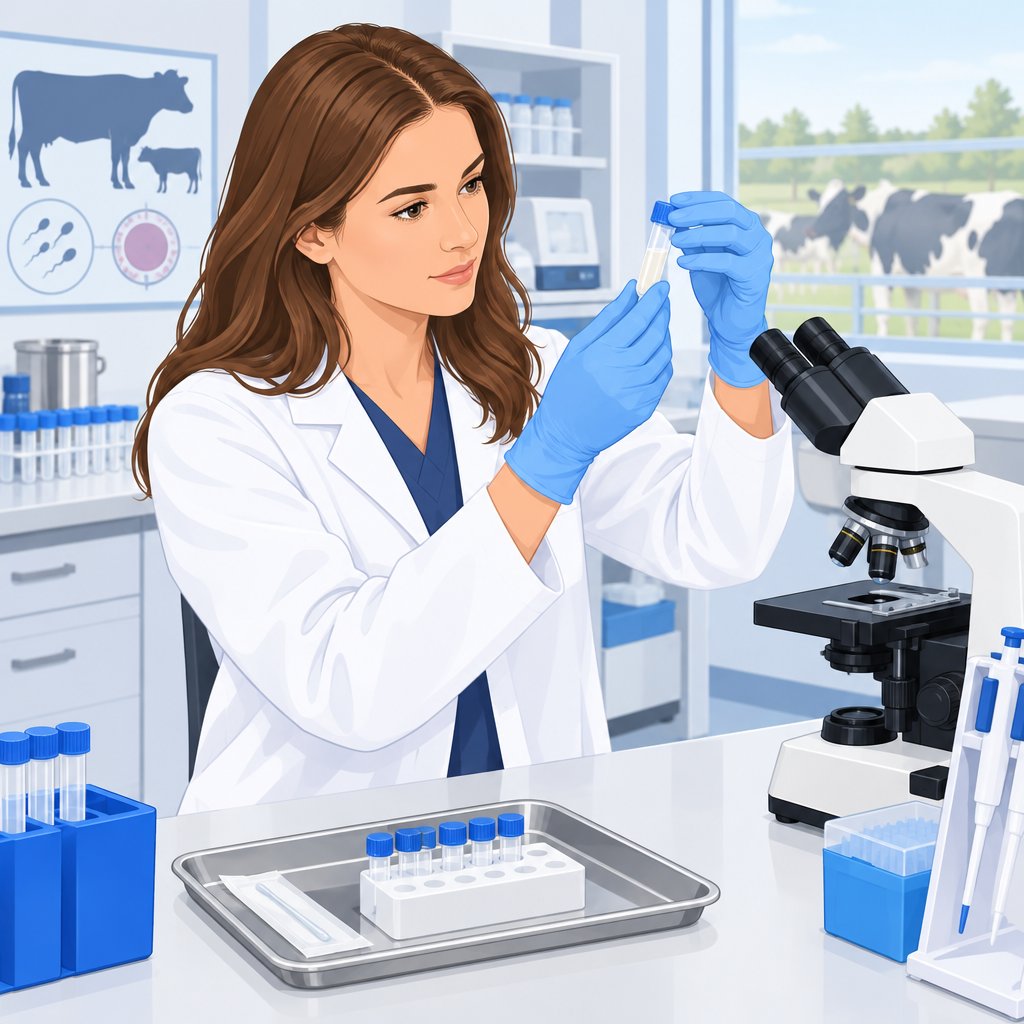
Equipment and Tools
Artificial insemination technicians rely on specialized tools to perform their duties efficiently and effectively.
These tools support hygienic, accurate, and controlled insemination procedures.
Proper equipment handling also helps technicians protect animals and maintain professional standards.
Specialized Tools and Equipment
Technicians use several tools during artificial insemination procedures.
Each item supports semen handling, placement, hygiene, or preparation.
Additionally, technicians must understand each tool’s purpose before using it.
- An artificial insemination gun deposits semen into the female reproductive tract.
- Semen straws store and transport bull semen.
- Sheaths and gloves maintain hygiene and help prevent contamination.
- A speculum helps technicians visualize the cervix during insemination.
- A thawing apparatus prepares frozen semen before insemination.
Equipment Maintenance and Cleaning
Technicians must maintain and clean equipment carefully before and after procedures.
Regular maintenance helps prevent infections and supports successful insemination.
Furthermore, inspections and timely replacements help preserve equipment performance.
- Technicians should clean equipment before and after each use with disinfectants.
- They should store tools in clean, dry environments to prevent contamination.
- Regular inspections can identify damage or equipment wear.
- Technicians should calibrate insemination guns regularly for accurate semen deposition.
- They should replace damaged or worn equipment immediately.
Proper Handling and Storage Practices
Proper handling and storage protect technicians and support successful insemination procedures.
Clean, well-maintained tools can help prevent infections and improve procedural accuracy.
Moreover, careful equipment management supports cost-effectiveness and regulatory compliance.
- Proper handling and cleaning prevent infections among animals and technicians.
- Well-maintained tools support accurate semen deposition and successful insemination.
- Proper maintenance and storage extend equipment life and reduce replacement costs.
- Following handling procedures demonstrates professionalism and dedication.
- Adhering to equipment protocols supports industry standards and regulatory compliance.
Find Out More: Importance of Quality Control in Agricultural Exports
Work Schedule
An Artificial Insemination Technician follows a diverse and demanding schedule.
Work hours depend on the breeding needs of the farm or facility.
Therefore, technicians need flexibility and dedication throughout their working schedules.
- Early mornings may form part of the schedule.
- Late evenings may also require technician availability.
- Weekend and holiday work may accommodate animal breeding schedules.
Irregular Work Hours and On-Call Duties
Irregular hours and on-call duties create significant challenges in this role.
Technicians must remain available when breeding needs arise unexpectedly.
This availability can complicate family responsibilities and other personal commitments.
Time Management and Scheduling Flexibility
Strong time management helps technicians handle changing responsibilities efficiently.
They must prioritize tasks and adjust quickly when breeding schedules change.
Additionally, organized planning helps technicians meet animal care responsibilities consistently.
You Might Also Like: Work-Life Balance Tips for Agricultural Laborers
Team Collaboration
Artificial insemination technicians collaborate with veterinarians, breeders, and other animal care professionals.
These professionals combine their expertise to support animal welfare and successful insemination procedures.
Strong teamwork helps the group coordinate procedures, follow protocols, and respond to animal needs.
- Veterinarians help determine suitable insemination timing.
- Breeders provide information about lineage and breeding history.
- Animal care professionals contribute specialized knowledge and practical support.
Coordinating With Veterinarians and Breeders
Technicians work with veterinarians to identify appropriate times for insemination.
Veterinarians guide decisions according to the animal’s reproductive cycle.
Meanwhile, breeders share lineage details and breeding histories that may affect the procedure.
Communication and Teamwork
Effective communication keeps every professional informed about procedures and protocols.
Clear updates help the team maintain consistent expectations and desired outcomes.
Additionally, teamwork allows each professional to contribute specialized expertise during the insemination process.
Responsibilities Within the Animal Care Team
The technician carries out insemination procedures accurately while following team protocols.
The technician also monitors animal responses and communicates progress to the team.
These updates help veterinarians and breeders identify necessary adjustments during ongoing care.
You Might Also Like: Impact of Climate Change on Plant Diseases
Emotional Demands of Artificial Insemination Work
- Technicians manage difficult cases, unsuccessful inseminations, and animal health issues.
- Self-care and mental health support help technicians manage emotional challenges.
- Effective coping strategies help technicians handle stress and emotional strain.
Artificial Insemination Technicians often face emotional challenges in their work.
Difficult cases, unsuccessful inseminations, and animal health issues can increase emotional strain.
Therefore, technicians need practical strategies that protect their well-being.
Technicians can prioritize self-care by taking breaks when necessary.
Transform Your Career Today
Unlock a personalized career strategy that drives real results. Get tailored advice and a roadmap designed just for you.
Start NowThey can also seek support from colleagues or supervisors when situations become difficult.
Additionally, stress-relieving activities can support their overall well-being.
Mental health resources can help technicians process emotions and navigate challenging situations.
These resources may include counseling services or employee assistance programs.
Meanwhile, mindfulness meditation and journaling can help technicians manage stress.
Hobbies outside work can also provide joy and relaxation.
By using these strategies, technicians can better manage their work’s emotional demands.
They can also protect their mental health while continuing to support animal care.
Safety Protocols for Artificial Insemination Technicians
Artificial insemination technicians follow strict safety measures and protocols throughout their work.
These measures protect technicians and animals from health and safety risks.
Furthermore, technicians must follow strict hygiene practices.
Proper biosecurity measures help prevent diseases from spreading among animals.
Technicians receive training to handle hazardous materials safely.
This training reduces risks and helps prevent accidents.
It also covers protective gear and the safe disposal of waste materials.
During emergencies, technicians respond quickly and efficiently.
Regular safety audits confirm that technicians follow all protocols correctly.
Therefore, technicians must remain vigilant and proactive while maintaining a safe work environment.
By following established protocols, technicians protect themselves and the animals in their care.
Professional Demands in Animal Reproduction
Artificial insemination technicians work with cattle, horses, pigs, and some exotic zoo animals.
They may serve farms, veterinary clinics, and research facilities.
Because they handle animals outdoors, technicians must tolerate changing weather conditions.
They also need physical fitness when working with large animals.
Additionally, technicians communicate clearly with owners, veterinarians, and other team members.
They record reproductive data accurately and follow guidelines for each animal’s cycle.
This attention to detail supports consistent work during animal breeding procedures.
The role demands flexibility and stamina, yet it contributes importantly to animal reproduction.
Additional Resources
Google search results for Work Environment of an Artificial Insemination Technician Agricultural
Bing search results for Work Environment of an Artificial Insemination Technician Agricultural


