




Introduction
Horticulturists need the right tools for successful gardening and landscaping projects.
Essential tools improve efficiency, accuracy, and safety during gardening tasks.
These benefits help horticulturists create beautiful and healthy gardens.
Essential Hand Tools for Horticulture
- Pruning shears
- Trowels
- Hand cultivators
- Weeding tools
Quality hand tools support precise work across pruning, planting, weeding, and cultivation.
Each tool helps horticulturists manage specific garden tasks with greater control.
Therefore, selecting durable, comfortable tools strengthens daily garden maintenance.
- Quality hand tools improve precision during cutting, planting, and cultivating tasks.
- The right tools help horticulturists complete garden tasks efficiently while reducing effort.
- Durable hand tools withstand regular garden use and provide lasting value.
- Ergonomic designs improve comfort and reduce hand and wrist strain during extended work.
- Reliable tools perform consistently and help horticulturists achieve desired gardening results.
For example, pruning shears help horticulturists shape bushes with accuracy.
Trowels support planting, while hand cultivators loosen soil around plants.
Meanwhile, weeding tools help remove unwanted growth from garden beds.
Choose well-made tools that feel comfortable and match the tasks you regularly perform.
Digging Tools
Digging tools include shovels, spades, and garden forks.
These tools support planting, transplanting, and soil preparation.
They help horticulturists complete these tasks with greater precision and control.
Necessity of Digging Tools
- Digging tools break up compacted soil and create planting holes for seeds and plants.
- They support careful transplanting of seedlings and larger plants without damaging their roots.
- Gardeners use them to mix soil amendments and fertilizers into the soil.
Planting, Transplanting, and Soil Preparation
Horticulturists use digging tools to create precise holes for seeds and young plants.
These tools help gardeners place plants at depths that support healthy growth.
They also allow careful transplanting from containers into garden soil.
For soil preparation, shovels and spades turn soil and incorporate compost or organic matter.
They also break up compacted soil, remove rocks, and clear debris.
This process creates a loose, aerated planting bed for growing plants.
Supporting Healthy Soil and Plant Growth
Garden forks loosen and aerate soil without excessively disturbing its structure.
This action supports drainage, root development, and soil health.
Consequently, prepared soil gives plants access to essential nutrients and water.
High-quality shovels, spades, and garden forks help horticulturists handle varied gardening tasks.
Furthermore, these tools support efficient and precise work throughout the garden.
Proper soil preparation and careful planting help create conditions for healthy, thriving plants.
You Might Also Like: The Future of Irrigation: What Specialists Should Know
Watering Tools
Proper watering supports plant health and encourages steady growth.
Therefore, horticulturists need tools that match different garden sizes and watering tasks.
A suitable toolkit improves control, reduces waste, and makes routine watering more efficient.
Hoses
Hoses help gardeners reach different areas throughout the garden.
Choose a durable, kink-resistant hose with an adjustable nozzle.
Consequently, one quality hose can support varied watering needs with less effort.
Watering Cans
Watering cans provide precise control for potted plants and delicate flowers.
Select a size and material that suit your gardening needs.
Moreover, their spouts direct water carefully, which helps prevent waste and overwatering.
Sprinklers
Sprinklers efficiently water larger garden areas.
Oscillating, stationary, and rotating models offer different coverage ranges and watering patterns.
Thus, sprinklers help distribute water across the garden and support even plant growth.
Matching Tools to Garden Needs
Using several watering tools lets gardeners adapt to changing tasks.
These tools can support delicate flowers, large shrubs, or an entire garden.
Transform Your Career Today
Unlock a personalized career strategy that drives real results. Get tailored advice and a roadmap designed just for you.
Start NowFinally, proper techniques and suitable tools help plants receive the water they need.
Monitor each task and provide the correct amount of water for plant health.
Find Out More: Successful Viticulturists: Stories and Insights
Garden Maintenance Tools
Maintaining a garden requires suitable tools for efficient, organized work.
Rakes, hoes, and wheelbarrows support essential horticultural tasks.
Together, these tools help gardeners keep outdoor spaces healthy and attractive.
Essential Tools for Garden Maintenance
- A rake gathers leaves, grass clippings, and other garden debris.
- A hoe supports weeding, soil cultivation, and unwanted plant removal.
- A wheelbarrow transports soil, mulch, and plants while reducing physical strain.
Benefits of Garden Maintenance Tools
- Rakes and hoes clear debris and unwanted plants, helping gardens remain tidy.
- Regular hoeing controls weeds before they compete with plants for nutrients.
- Wheelbarrows move heavy materials efficiently and reduce back strain during garden tasks.
These tools simplify routine maintenance throughout the year.
They also help gardeners maintain attractive, healthy, and well-organized outdoor spaces.
Explore Further: Innovations in Seed Treatment Techniques
Essential Pruning Tools
Pruning involves removing dead or overgrown branches to support healthy plant growth.
Gardeners use different pruning tools for branches, stems, hedges, and shrubs.
Therefore, selecting each tool according to the task improves cutting control.
- Loppers cut thick branches with their long handles and strong blades.
- Hedge shears shape hedges and shrubs into a neat appearance.
- Pruning saws cut thick branches and overgrown stems beyond lopper capacity.
How Pruning Tools Support Plant Health
Pruning tools help gardeners maintain plant health and improve garden appearance.
They also help gardeners shape plants and remove unwanted growth.
Additionally, careful pruning directs plant energy toward new shoots and branches.
- Shaping plants creates desired forms and enhances garden appearance.
- Removing dead branches helps limit places where diseases and pests may remain.
- Reducing excess growth encourages healthier new shoots and branches.
Proper Pruning Tool Use and Maintenance
Gardeners should use pruning tools correctly to avoid damaging plants.
Sharp blades create clean cuts and reduce damage or infection risks.
Furthermore, regular cleaning helps keep tools ready for future pruning tasks.
- Keep blades sharp to make clean cuts and reduce plant damage.
- Clean blades after use to remove sap and debris.
- Learn proper cutting techniques to reduce plant stress and injury.
Maintaining Pruning Tool Performance
The right pruning tools help gardeners maintain healthy and attractive plants.
Quality tools support clean work when gardeners use them correctly.
As a result, proper tool selection and care support successful gardening activities.
See Related Content: Career Path: Becoming a Biotechnology Specialist
The Value of Soil Testing Tools
Soil testing tools help horticulturists understand the conditions surrounding their plants.
They reveal important information about soil composition, pH levels, nutrient content, and moisture.
Consequently, horticulturists can adjust plant care according to the soil’s specific needs.
- pH meters help horticulturists monitor and adjust soil pH for suitable plant growing conditions.
- Moisture meters show soil moisture levels and help prevent overwatering or underwatering.
How Soil Testing Guides Plant Care
- Soil testing tools help horticulturists analyze pH levels, nutrient content, and moisture levels.
- Horticulturists can make informed decisions about fertilization, watering schedules, and plant selection.
- Additionally, these tools can reveal early signs of plant diseases and nutrient deficiencies.
- Prompt intervention can help prevent further damage.
- Regular testing supports sustainable gardening practices and long-term plant health.
These tools provide practical information for maintaining healthy and thriving plants.
They also help horticulturists match plant care with specific soil conditions.
Pest Control Tools
Every horticulturist should keep insect traps available to monitor and manage pest populations effectively.
Hand sprayers apply pesticides and other treatments to targeted areas.
Protective gear includes gloves, masks, and goggles for pesticide handling.
Proper pest control tools help prevent damage from common garden pests.
Insect traps help gardeners identify pests early.
Early identification can prevent a minor problem from becoming major.
Hand sprayers support precise pesticide application.
Consequently, they reduce waste and potential harm to non-target organisms.
Protective gear limits exposure to harmful chemicals.
It also supports personal safety during pest control activities.
Quality pest control tools can save time and effort when managing garden pests and diseases.
Regular tool use helps maintain a healthy garden environment.
It also protects plant health.
Transform Your Career Today
Unlock a personalized career strategy that drives real results. Get tailored advice and a roadmap designed just for you.
Start NowProper maintenance and storage can extend tool lifespan and effectiveness.
Moreover, staying informed about pest control tools and techniques helps gardeners address potential problems.
Prevention remains essential, so keep suitable pest control tools available.
Storage and Organization Tools
Storage solutions help horticulturists protect, organize, and access their gardening tools.
These solutions include tool sheds, toolboxes, and garden tool racks.
Additionally, organized storage supports safer and more productive horticultural work.
Importance of Storage Solutions
Horticulturists use many tools and equipment items during daily gardening tasks.
Hand tools include pruners and trowels, while larger equipment includes lawnmowers and trimmers.
Therefore, effective storage helps maintain an efficient and productive workspace.
Tool Sheds
Tool sheds store larger equipment such as lawnmowers, tillers, and trimmers.
They protect equipment from the elements and help prevent damage.
Moreover, sheds create designated spaces that keep gardens and work areas uncluttered.
Toolboxes
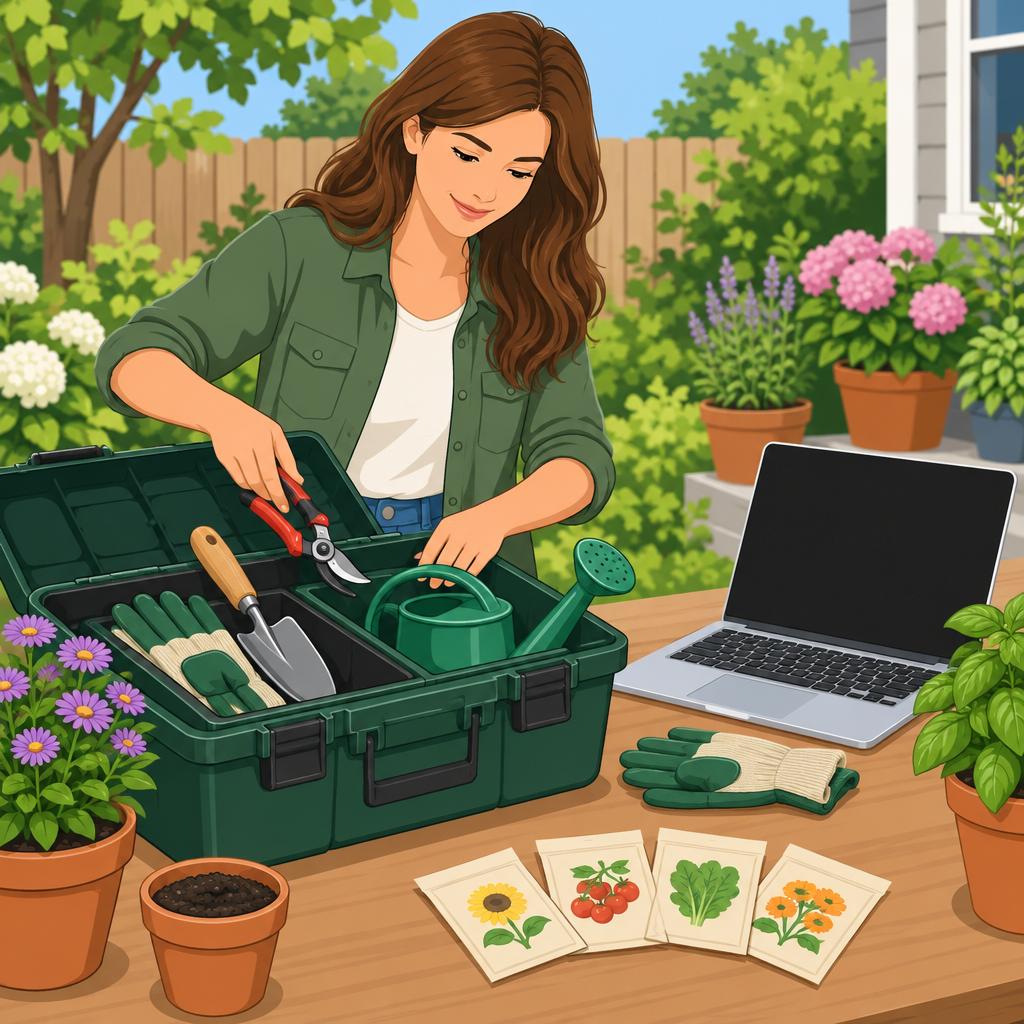
Toolboxes hold smaller hand tools, including pruners, shears, and hand trowels.
They provide portable storage for horticulturists working throughout a garden or worksite.
As a result, toolboxes keep essential equipment organized and readily accessible.
Garden Tool Racks
Garden tool racks organize long handled tools such as rakes, shovels, and hoes.
Vertical storage allows horticulturists to maximize space inside sheds and garages.
Furthermore, racks prevent tools from becoming damaged or tangled during storage.
Benefits of Organized Tool Storage
Proper storage improves safety by reducing hazards throughout the garden or workspace.
Organized equipment also helps horticulturists find tools quickly during gardening tasks.
In addition, correct storage protects equipment from moisture, sunlight, rust, and corrosion.
- Safe storage reduces tripping hazards and helps prevent accidental injuries.
- Accessible tools save time and effort during different gardening tasks.
- Protection from damaging elements can extend the useful life of equipment.
- A well organized workspace supports a smoother and more productive workflow.
A Complete Horticultural Toolkit
Every horticulturist should maintain a toolkit with essential tools.
For example, hand pruners and soil meters support successful gardening.
Moreover, quality tools can greatly enhance the gardening experience and produce better results.
With the right tools available, horticulturists can efficiently care for plants and maintain their gardens.
Therefore, horticulturists should recognize the value of proper tools for every horticultural project.
Equip yourself with the necessary tools to achieve success in your gardening endeavors.
Additional Resources
Google search results for Essential Tools for Every Horticulturist's Toolkit Agricultural
Bing search results for Essential Tools for Every Horticulturist's Toolkit Agricultural


