




Advancements in Irrigation Technology
Irrigation technology continues advancing rapidly, transforming how farmers irrigate crops.
Meanwhile, irrigation helps agriculture distribute water properly for optimal plant growth.
Therefore, specialists should understand key developments to improve agricultural practices.
Advancements in Irrigation Technology
Recent years have brought significant technological advances to irrigation systems.
These developments have transformed how agriculture manages and uses water.
Consequently, farmers can improve efficiency while supporting more sustainable practices.
Smart Irrigation Systems
- Smart irrigation systems represent a major breakthrough in modern irrigation technology.
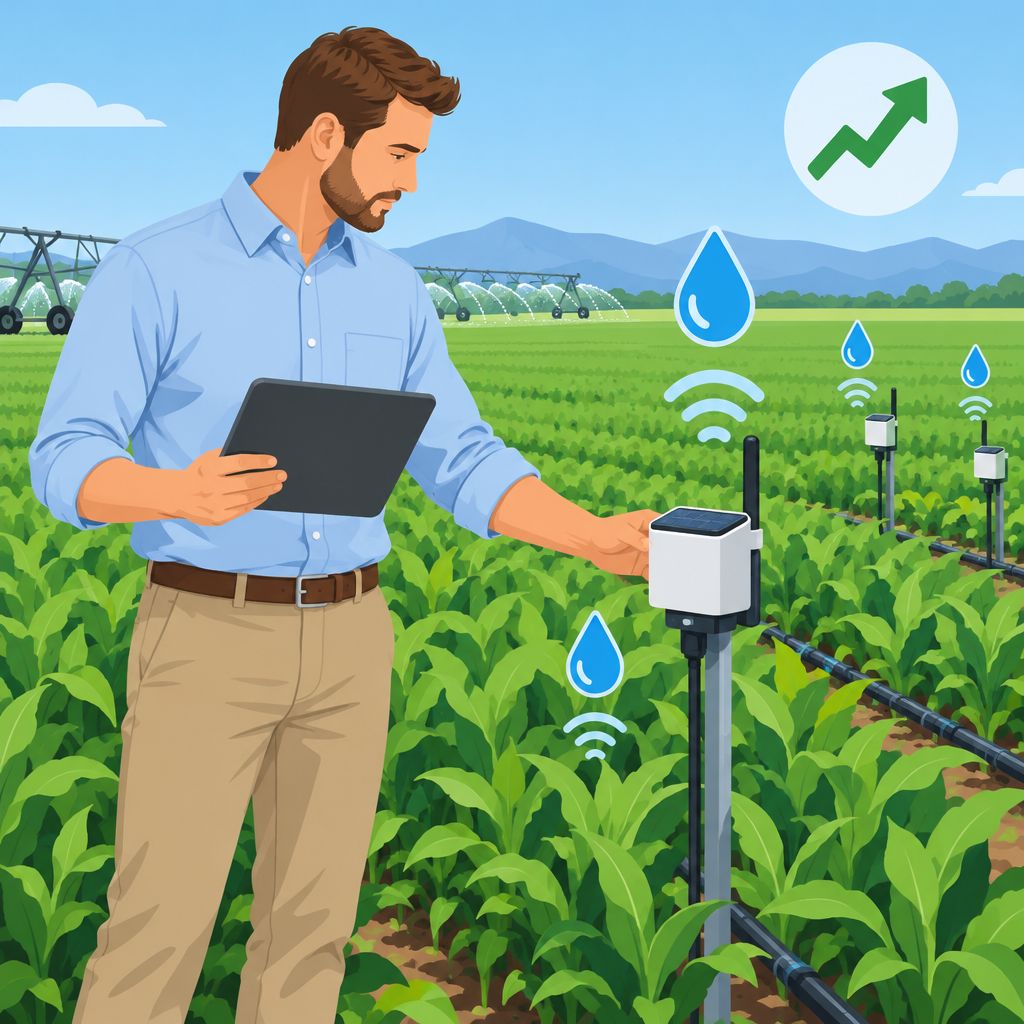
- They use sensors and weather data to assess soil moisture and crop water requirements.
- Consequently, precise and timely watering reduces waste and supports crop yields.
Precision Agriculture
- Precision agriculture adds another important advancement to irrigation management.
- It uses satellite imagery and GPS technology to monitor and manage crops efficiently.
- As a result, targeted watering reduces usage and enhances productivity.
Effects on Water Conservation and Efficiency
- Together, these technologies strengthen water conservation across agricultural operations.
- Farmers can use water more judiciously, reducing waste and preserving available resources.
- Moreover, improved efficiency supports higher crop quality and yield within sustainable agriculture practices.
These advancements are shaping agriculture by promoting water conservation and efficient resource use.
Therefore, specialists should follow these developments and strengthen sustainable agricultural practices.
Climate Change Effects on Irrigation
Climate change significantly affects irrigation practices around the world.
Consequently, specialists must monitor changing conditions when managing irrigation systems.
These effects influence water availability, irrigation schedules, and water losses.
- Changing precipitation patterns affect water availability for irrigation.
- Moreover, droughts and floods can disrupt irrigation schedules.
- Rising temperatures increase evaporation rates and water loss from irrigation systems.
Challenges of Adapting to Changing Weather Patterns
Changing weather patterns create several challenges for irrigation specialists.
Specialists must adjust water management practices as conditions become less predictable.
They also need practical solutions that address infrastructure and financial limitations.
- Uncertainty makes future weather patterns difficult to predict for efficient water management.
- Infrastructure may require upgrades to withstand extreme weather events.
- New technologies can create additional costs for climate-resilient irrigation systems.
Strategies for Sustainable Irrigation
Specialists can use several strategies to address climate-related irrigation challenges.
These approaches can support careful water management during changing weather conditions.
Additionally, collaboration can help communities address water scarcity collectively.
- Specialists can implement drip irrigation and rainwater harvesting to save water.
- Weather forecasting tools can improve irrigation schedules and water usage.
- Climate-resilient crops can support successful growth with less water.
- Soil conservation practices can improve water retention and reduce runoff.
- Local communities and policymakers can collaborate to address water scarcity issues.
By applying these strategies, irrigation specialists can adapt more effectively to changing weather patterns.
Staying informed about climate change research can also support sustainable water management practices.
Delve into the Subject: Successful Viticulturists: Stories and Insights
Integration of Artificial Intelligence and Big Data
- AI and big data advancements are transforming irrigation methods.
- Data analytics helps specialists optimize irrigation schedules and improve efficiency.
- Specialists can benefit greatly from understanding and using these technologies.
Artificial Intelligence and Big Data are becoming increasingly important in irrigation.
These technologies are reshaping traditional practices and improving water management.
They also provide advanced tools for improving crop production.
Specialists should understand these innovations and apply them carefully.
How AI and Big Data Are Reshaping Irrigation
AI can analyze large amounts of data in real time.
It identifies patterns and supports accurate irrigation decisions.
Specialists can use AI to schedule irrigation and monitor crop health.
They can also predict water requirements and detect system problems promptly.
Data Analytics for Efficient Irrigation Scheduling
Big data combines information from weather forecasts, soil moisture, and crop conditions.
Specialists can use this information to create predictive irrigation models.
These models help crops receive suitable amounts of water at appropriate times.
Consequently, specialists can reduce over-irrigation, limit waste, and support crop productivity.
Benefits of Precision Water Management
Data analytics enables specialists to manage water with greater precision.
Historical and real-time data support irrigation plans tailored to crop needs.
These plans can consider soil moisture, evapotranspiration, and plant water requirements.
As a result, precision irrigation can conserve water and improve crop quality.
Monitoring Irrigation System Performance
Data analytics helps specialists identify irrigation irregularities quickly.
Flow rates, pressure levels, and sensor readings can reveal potential problems.
Early detection reduces the risk of crop damage and unnecessary water loss.
Performance insights also guide maintenance decisions and system upgrades.
Transform Your Career Today
Unlock a personalized career strategy that drives real results. Get tailored advice and a roadmap designed just for you.
Start NowWhy Specialists Should Use These Technologies
Specialists need AI and big data to support efficient irrigation management.
These tools can strengthen decision-making and improve resource efficiency.
They also help specialists respond to changing environmental conditions and market demands.
Training and education can help specialists use these technologies effectively.
Supporting Sustainable Irrigation Through Digital Innovation
AI and big data offer specialists new opportunities to improve irrigation practices.
Specialists can develop customized solutions and refine irrigation strategies with these tools.
Therefore, responsible technology use can support sustainable agriculture and improved crop production.
Gain More Insights: Innovations in Seed Treatment Techniques
Sustainable Irrigation Practices
Sustainable irrigation practices help conserve resources for future generations.
Irrigation specialists should choose methods that limit environmental harm.
These practices support healthier agriculture and a more sustainable future.
- Specialists should prioritize sustainable methods to conserve resources for future generations.
- Improper irrigation can harm soil health and water quality.
- Specialists can promote drip irrigation, rainwater harvesting, and proper water management.
Effects on Soil Health and Water Quality
Improper irrigation can damage soil health and water quality.
Over-irrigation may cause waterlogging, soil erosion, and salinization.
Excessive fertilizers and pesticides can contaminate water sources.
Environmentally Friendly Irrigation Methods
Specialists can promote drip irrigation because it sends water directly to plant roots.
This approach minimizes water wastage.
Rainwater harvesting lets farmers collect and store water for irrigation.
Proper scheduling matches irrigation with crop needs and soil moisture levels.
These methods can reduce environmental impacts and support sustainable agriculture.
Find Out More: Career Path: Becoming a Biotechnology Specialist
Water Scarcity and Efficient Water Use
Water scarcity directly affects agriculture as food demand grows and irrigation supplies become more limited.
Therefore, specialists must manage irrigation water carefully to support reliable crop production.
Efficient irrigation helps specialists maximize crop yields while reducing unnecessary water loss.
Several practical strategies can help specialists use available water more effectively.
The following approaches support more efficient water management in irrigation systems.
- Modern irrigation technologies: Specialists can improve efficiency by using drip irrigation and precision agriculture to deliver water directly to plant root zones.
- Water-saving practices: Mulching, rainwater harvesting, and agricultural runoff recycling can conserve water and reduce reliance on traditional sources.
- Soil moisture monitoring: Regular checks help specialists schedule irrigation precisely and prevent excessive watering.
- Climate-based planning: Specialists can use climate data to adjust watering schedules and reduce evaporation losses.
- Smart irrigation practices: Sensors and automated controls can adjust water application according to soil moisture and plant needs.
Together, these measures help specialists address water scarcity through coordinated irrigation management.
They also support sustainable agriculture by conserving water while meeting plant needs.
Discover More: Navigating Agricultural Regulations with Extension Agents
Collaboration with Other Industries
Collaboration will shape the future of irrigation.
Irrigation specialists can work with technology companies to improve irrigation efficiency.
These partnerships can create solutions that address specific irrigation challenges.
Potential for Collaboration
Technology companies offer cutting-edge tools and solutions for irrigation applications.
Irrigation specialists understand the sector’s practical needs and ongoing challenges.
Both groups can combine their knowledge to develop targeted irrigation solutions.
- Technology companies bring advanced tools and solutions to collaborative projects.
- Specialists provide valuable insights into irrigation needs and challenges.
- Joint efforts can produce innovations for specific irrigation requirements.
Benefits of Interdisciplinary Approaches
Interdisciplinary teams combine expertise from several fields.
This broader knowledge supports more complete approaches to irrigation challenges.
Diverse perspectives can encourage creativity and improve irrigation practices.
- Different areas of expertise support more holistic problem-solving.
- Diverse perspectives can stimulate creativity and innovation.
- Interdisciplinary work can support sustainable and efficient irrigation systems.
Partnerships That Support Irrigation Innovation
Specialists can partner with technology companies on research and development projects.
Joint ventures can create new products and services for the irrigation industry.
Partnerships can help specialists respond to changing technology and industry needs.
Transform Your Career Today
Unlock a personalized career strategy that drives real results. Get tailored advice and a roadmap designed just for you.
Start Now- Research partnerships can advance irrigation tools and practices.
- Joint ventures can expand available products and services.
- Industry partnerships can help specialists adapt to technological changes.
Leading Irrigation Through Adaptation
The future of irrigation favors smart, efficient systems that optimize water usage.
Furthermore, specialists must follow emerging trends to remain competitive and deliver cutting-edge solutions.
Therefore, irrigation professionals must adapt and lead industry innovation to support sustainability.
Additional Resources
Google search results for The Future of Irrigation: What Specialists Should Know Agricultural
Bing search results for The Future of Irrigation: What Specialists Should Know Agricultural


