




Forensic Science as a Career Field
Forensic science applies scientific methods to investigate crimes.
It supports criminal justice by providing evidence for investigations and court proceedings.
Moreover, growing demand for forensic scientists makes this field a promising career path.
Choosing a Forensic Science College and Program
Aspiring forensic scientists should choose colleges and programs that provide appropriate education and training.
An institution’s educational quality and available resources can strongly influence a graduate’s career direction.
Therefore, applicants should examine accreditation, curricula, faculty expertise, research opportunities, internships, and job placement rates.
Leading Forensic Science Colleges and Programs
Several colleges and universities offer highly regarded forensic science programs.
Notable institutions include University of California, Berkeley, Pennsylvania State University, University of Florida, Michigan State University, and Boston University.
These programs cover criminalistics, toxicology, DNA analysis, and crime scene investigation.
Additionally, students can use advanced laboratories and technology while learning from experienced faculty members.
Graduates gain knowledge and skills for careers in forensic science.
Criteria for Selecting Top Forensic Science Colleges and Programs
Use several criteria when comparing forensic science colleges and programs.
First, examine accreditation, specializations, practical experience, faculty expertise, and research opportunities.
These factors help students identify programs that match their educational needs and career goals.
- Accreditation and reputation of the institution
- Specializations and concentrations offered
- Internship and hands-on experience opportunities
- Faculty expertise and research opportunities
Accreditation and Reputation of the Institution
First, examine whether recognized bodies accredit the institution’s forensic science program.
Accreditation signals that the program meets established standards for quality and excellence.
Additionally, institutional reputation can influence educational quality and available opportunities.
Specializations and Concentrations Offered
Next, review the specializations and concentrations available through each program.
Specialized coursework can develop deeper knowledge and skills in specific forensic science areas.
Choose options that align with your interests and intended career direction.
Internship and Hands-On Experience Opportunities
Practical experience strengthens students’ ability to apply theoretical knowledge.
Therefore, consider programs that provide internships or hands-on learning in real-world settings.
These opportunities can also build industry connections and support potential employment prospects.
Faculty Expertise and Research Opportunities
Faculty expertise can significantly enrich the learning experience.
Look for professors who actively conduct research and understand diverse forensic science areas.
Research participation can develop skills, expand networks, and introduce current field developments.
Careful comparison of these criteria can guide students toward a strong forensic science program.
The right choice can provide valuable knowledge, practical skills, and meaningful academic opportunities.
Top Forensic Science Colleges in the United States
Several United States colleges offer focused forensic science education.
These programs develop knowledge in crime scene investigation, laboratory analysis, and specialized forensic methods.
Additionally, students can pursue undergraduate or graduate study through different academic pathways.
University of California, Irvine
The University of California, Irvine offers a Bachelor of Science in Forensic Science.
Its curriculum focuses on crime scene investigation, forensic chemistry, and DNA analysis.
Therefore, students encounter several important areas within forensic science.
Boston University
Boston University offers a Master of Science in Forensic Anthropology.
The program provides hands-on training in forensic anthropology, osteology, and forensic archaeology.
As a result, students study both human remains and archaeological methods.
Pennsylvania State University
Pennsylvania State University hosts a recognized Forensic Science Program.
The program offers undergraduate and graduate degrees in forensic science.
Furthermore, students receive preparation centered on research and practical training.
Transform Your Career Today
Unlock a personalized career strategy that drives real results. Get tailored advice and a roadmap designed just for you.
Start NowUniversity of Florida
The University of Florida offers a respected Forensic Science Program.
Its research includes forensic toxicology, forensic DNA analysis, and forensic entomology.
Consequently, students can explore several specialized research areas.
George Washington University
George Washington University offers a Master of Forensic Science program.
The program presents a comprehensive study of forensic science techniques and methodologies.
Moreover, students examine approaches that support broad forensic science preparation.
Academic Opportunities Across These Programs
These colleges provide varied degree options for students interested in forensic science.
Their offerings include bachelor’s programs, master’s programs, and specialized academic training.
Together, the programs cover investigation, chemistry, anthropology, toxicology, DNA analysis, and entomology.
See Related Content: Common Myths About Border Patrol Agents Debunked
Forensic Science Program Experience at Leading Colleges
Forensic science programs combine scientific study with practical training.
Students develop knowledge through coursework, laboratory work, and applied exercises.
These programs also connect students with professionals and potential career opportunities.
Curriculum and Coursework Requirements
Students study biology, chemistry, criminal justice, and forensic techniques.
They learn to collect, analyze, and interpret evidence from crime scenes.
Additionally, advanced classes address specialized forensic subjects and laboratory methods.
- Coursework covers biology, chemistry, criminal justice, and forensic techniques.
- Students examine crime scene investigation, evidence collection, analysis, and interpretation.
- Advanced subjects include DNA analysis, toxicology, and forensic anthropology.
- Laboratory work helps students apply theoretical knowledge to practical situations.
Case Studies and Practical Forensic Applications
Case studies show how forensic professionals apply scientific techniques.
Hands-on exercises allow students to practice investigation and evidence analysis.
Furthermore, realistic scenarios help students apply forensic methods to criminal investigations.
- Students analyze case studies involving different forensic techniques.
- Simulations provide practice with crime scene investigation and evidence analysis.
- Real-life scenarios help students apply forensic methods during investigations.
Guest Lectures and Industry Partnerships
Guest speakers share professional knowledge with students.
They discuss current trends, technologies, and practices in forensic science.
Industry partnerships also connect students with practical learning and professional networks.
- Colleges invite industry professionals to speak with forensic science students.
- Guest lectures explain developments in forensic science practices and technologies.
- Partnerships create opportunities for internships, research projects, and networking.
Professional Development and Networking Opportunities
Professional development activities help students strengthen their knowledge and abilities.
Career events allow students to meet potential employers.
Moreover, professional relationships can provide mentorship and career guidance.
- Workshops help students improve their professional skills and knowledge.
- Networking events and career fairs connect students with potential employers.
- Job placement assistance supports students as they pursue career opportunities.
- Professional relationships can provide mentorship for students’ career goals.
See Related Content: Parole Officer: Working with Families
Student Success Stories from Forensic Science Programs
Forensic science programs prepare graduates for varied careers involving investigation, analysis, and research.
Graduates apply their education in crime laboratories, law enforcement agencies, private laboratories, and research institutions.
Furthermore, alumni experiences can guide prospective students toward practical training and meaningful career opportunities.
- Profiles of successful graduates
- Career paths and opportunities after graduation
- Alumni testimonials and recommendations for prospective students
Profiles of Successful Graduates
Forensic science programs have produced graduates who excel in crime scene investigation, forensic analysis, and research.
For example, Sarah graduated from XYZ University with a degree in forensic science.
She now works as a forensic technician in a renowned crime laboratory.
Sarah analyzes evidence and assists with criminal investigations.
Another graduate, John, pursued forensic accounting after completing his degree.
He provides financial analysis for cases involving fraud and embezzlement.
His work uses financial skills to uncover discrepancies.
Career Paths and Opportunities After Graduation
Forensic science graduates can pursue many career options after completing their programs.
Some graduates work for law enforcement agencies, while others join private laboratories or research institutions.
Additionally, graduates can explore DNA analysis, toxicology, digital forensics, and forensic anthropology.
- Crime scene investigation
- Forensic analysis
- DNA analysis
- Toxicology
- Digital forensics
- Forensic anthropology
These skills enable graduates to contribute to the justice system and address complex cases.
Transform Your Career Today
Unlock a personalized career strategy that drives real results. Get tailored advice and a roadmap designed just for you.
Start NowAlumni Experiences and Recommendations for Prospective Students
Alumni often share their experiences and insights with prospective forensic science students.
They highlight practical training, hands-on experience, and networking opportunities within their programs.
Many alumni also emphasize internships and practical projects as important career-building experiences.
They recommend that prospective students participate actively in research projects, internships, and workshops.
These activities help students gain real-world experience and build a strong foundation in forensic science.
Graduate success stories demonstrate how education, practical training, and experiential learning can support forensic science careers.
See Related Content: Freelance vs. In-House Security Consultants
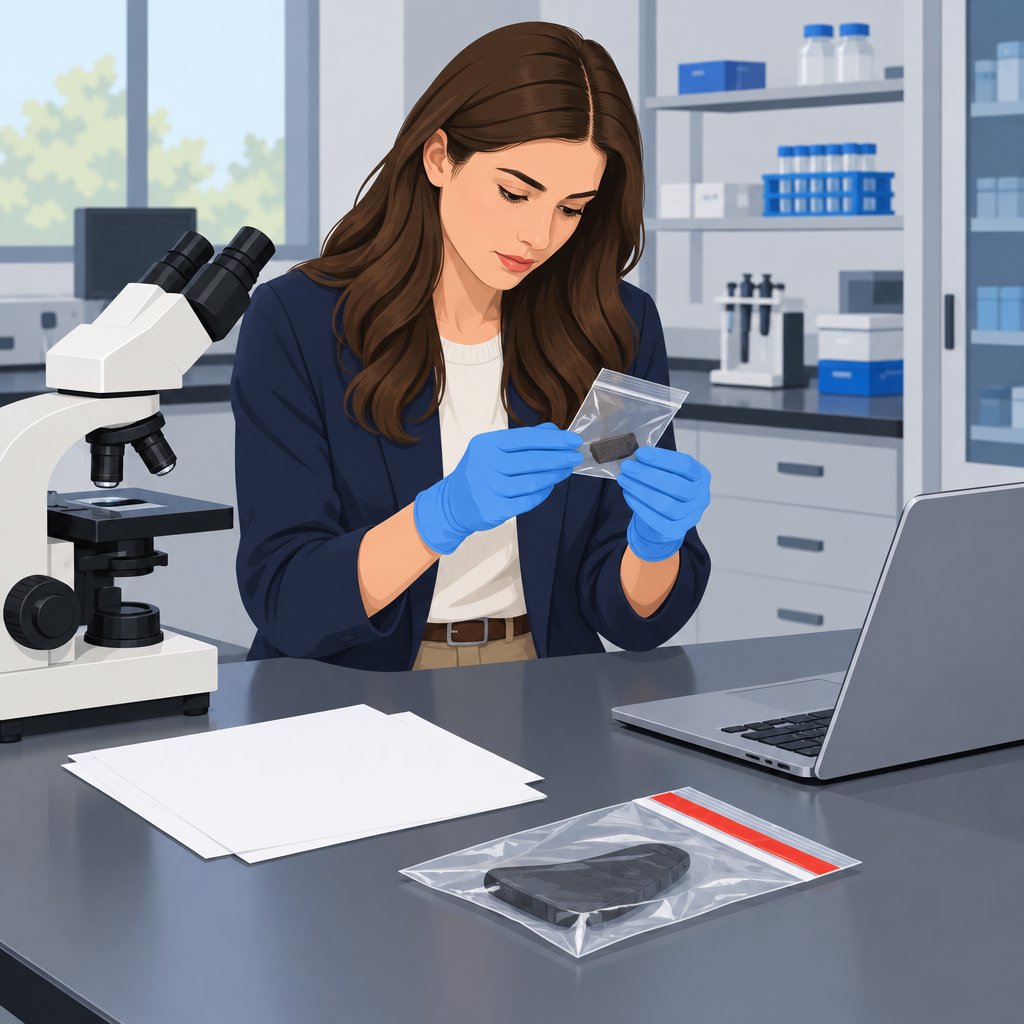
Tips for Applying to Forensic Science Programs
- Review application requirements and deadlines to avoid missing important opportunities.
- Craft a compelling personal statement that showcases your passion and commitment to forensic science.
- Request strong recommendation letters from professors or professionals who can discuss your skills.
- Prepare for interviews by researching each program and practicing common questions.
- Highlight unique experiences or skills that distinguish you from other applicants.
- Explore financial aid and scholarship opportunities to help fund your education.
These steps can increase your chances of acceptance into a top forensic science program.
Explore Further: Protecting Diplomats: Diplomatic Security Tactics
Emerging Technologies in Forensic Investigations
Forensic investigators increasingly use advanced tools to improve accuracy and efficiency.
DNA techniques now produce more accurate and reliable results.
Digital systems, artificial intelligence, and mobile software expand investigative capabilities.
- Advancements in DNA analysis techniques provide more accurate and reliable results.
- Digital forensics tools help investigators examine cybercrimes and data breaches.
- Artificial intelligence streamlines several forensic analysis processes.
- Mobile forensic software extracts relevant data from smartphones.
Growth in Digital Forensics and Cybercrime Specialties
Cybercrime specialists address growing threats involving hacking, identity theft, and online fraud.
Digital evidence increasingly shapes investigations and criminal cases.
Employers seek these professionals across public agencies, private companies, and government organizations.
- Hacking, identity theft, and online fraud continue creating investigative needs.
- Professionals investigate digital evidence connected to criminal cases.
- Cybersecurity helps organizations prevent and detect online threats.
- Law enforcement agencies, private companies, and government organizations offer career opportunities.
Forensic Science in Criminal Justice and Legal Proceedings
Forensic evidence helps investigators solve crimes and supports prosecutions.
Scientific findings also promote fairness and accuracy during legal proceedings.
DNA analysis can help exonerate people who faced wrongful accusations.
- Forensic evidence helps solve crimes and convict offenders.
- Scientific proof supports fairness and accuracy in legal proceedings.
- DNA and forensic analysis can exonerate wrongly accused individuals.
- Objective evidence can improve public trust in the criminal justice system.
Career Outlook and Salary Potential in Forensic Science
Forensic science offers opportunities across laboratories, agencies, consulting firms, and research institutions.
Demand continues for technicians, forensic pathologists, and crime scene investigators.
Specialized certifications and experience can help professionals pursue higher-paying roles.
- Forensic science technicians, forensic pathologists, and crime scene investigators remain in demand.
- Government agencies, forensic laboratories, consulting firms, and research institutions provide employment opportunities.
- The Bureau of Labor Statistics reports a median annual salary of $58,230 for forensic science technicians.
- Certifications and experience can support advancement into higher-paying positions.
Advancing Through Forensic Science Education
Choosing the right college and program supports a successful career in forensic science.
Therefore, aspiring forensic scientists should research and apply to leading programs that enhance their skills.
Additionally, readers should explore available resources and opportunities within forensic science.
Additional Resources
Google search results for Top Forensic Science Colleges and Programs Protective Services
Bing search results for Top Forensic Science Colleges and Programs Protective Services


