




Parole officers supervise people released from prison before completing their sentences.
They ensure each person follows the conditions of parole.
These conditions may include drug testing, counseling sessions, and employment efforts.
However, family involvement plays an important role in successful reintegration.
Parole officers recognize that families can provide essential support during this transition.
By involving families, officers can help establish a stable support system.
That support may reduce recidivism and encourage positive behavior changes.
Families also can provide valuable insight into a person’s behavior and needs.
Consequently, officers can better understand the person’s circumstances.
They can then develop more effective supervision and support strategies.
Moreover, officers build strong relationships with families beyond routine supervision.
These relationships can create a supportive environment for successful community reintegration.
Together, officers and families can encourage better choices in the future.
Building Relationships with Families
- Establishing trust supports effective communication and collaboration.
- Listening to families’ concerns demonstrates empathy and can improve outcomes.
- Regular check-ins reveal family dynamics and the challenges families face.
- Additionally, offering resources and support can strengthen relationships between officers and families.
Supporting Families Through Reintegration
- Providing information about the parolee’s progress can ease anxiety and uncertainty.
- Offering guidance on boundaries and expectations can promote a healthy environment.
- Meanwhile, helping families access community resources can support reintegration.
- Addressing conflicts promptly can prevent escalation and protect the parolee’s progress.
Challenges Faced by Families of Parolees
Families often face serious challenges when a loved one remains incarcerated or prepares for parole.
A parole officer can help families understand these difficulties and identify available support.
Family support can also strengthen communication during the transition back into the community.
Financial Strain
Families may lose income when a loved one remains incarcerated.
Consequently, they may struggle to cover basic household expenses.
Financial pressure can make it harder to provide consistent practical support.
Emotional Stress
In addition, incarceration can create intense emotional stress for relatives.
Family members may experience guilt, shame, helplessness, or anxiety.
These feelings can affect mental health and family relationships.
Communication Barriers
Communication may remain difficult when facilities limit phone access or visitation hours.
Therefore, families may struggle to maintain regular contact with their loved one.
Limited contact can weaken relationships and complicate emotional support.
Stigma and Judgment
Families may also face stigma and judgment within their communities.
As a result, relatives might avoid seeking help or discussing their needs.
This isolation can deepen shame and guilt among family members.
Impact of Incarceration on Families
Incarceration can affect family well-being long after the initial separation.
These effects may influence relationships, finances, communication, and emotional health.
Parole officers can address some family concerns while supporting the reentry process.
Family Reunification
Family reunification often begins with maintaining contact during incarceration.
A parole officer can help families prepare for the parolee’s return and changing responsibilities.
Stronger family connections may support reintegration and reduce the likelihood of reoffending.
Support and Community Resources
Parole officers can connect families with mental health services and financial assistance.
They may also identify community programs that support family well-being.
These resources can help relatives manage practical and emotional challenges.
Advocacy and Family Empowerment
Parole officers can advocate for family needs during the reentry process.
They provide information and guidance about complex legal and social systems.
This support can empower families to participate actively in their loved one’s transition.
Transform Your Career Today
Unlock a personalized career strategy that drives real results. Get tailored advice and a roadmap designed just for you.
Start NowFind Out More: Freelance vs. In-House Security Consultants
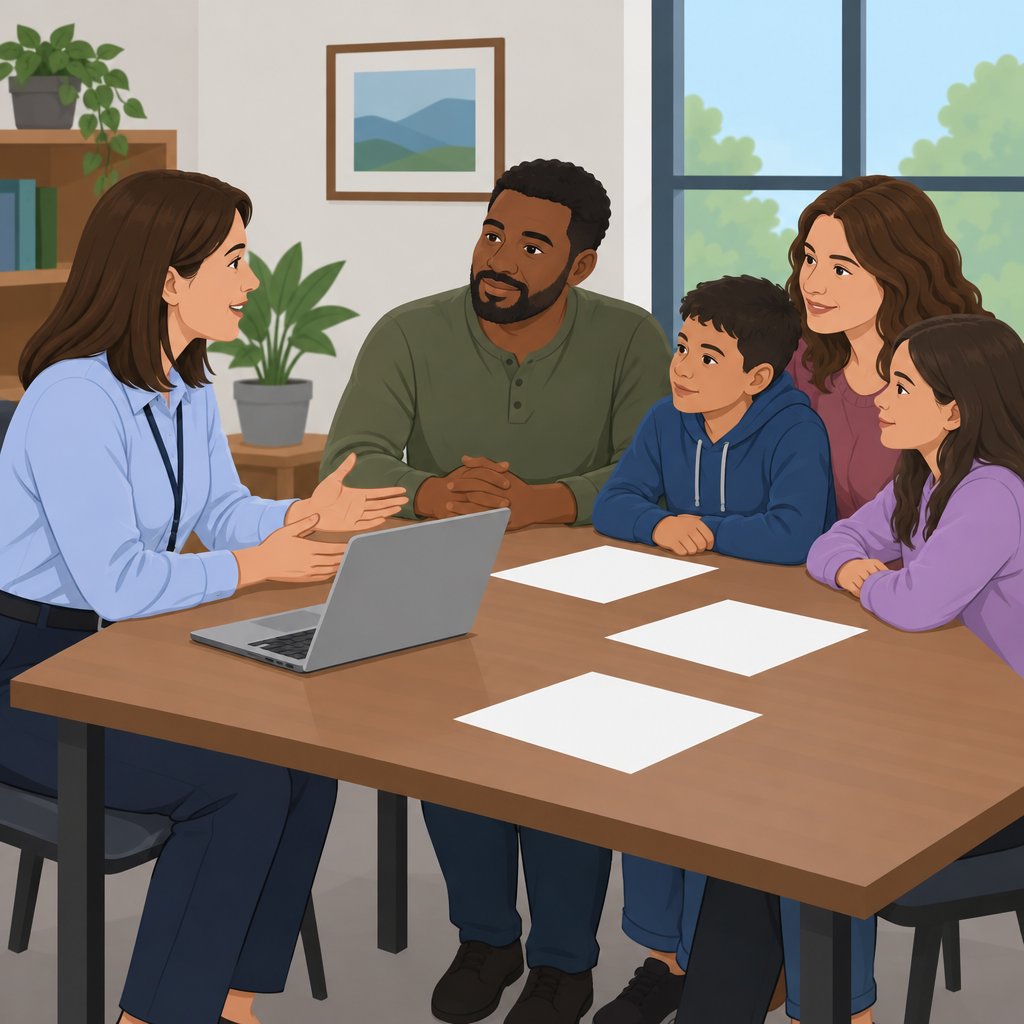
Strategies for Effective Communication and Support
Effective communication helps families understand parole requirements and available support.
Clear explanations can reduce confusion during conversations about parole.
Additionally, coordinated support can help families and parolees address their needs.
Tips for Parole Officers
Parole officers should listen carefully when families share concerns or ask questions.
They can explain each parole step using simple and understandable language.
Furthermore, officers can show empathy while maintaining appropriate professional boundaries.
- Listen actively and attentively to families’ concerns and questions.
- Explain the parole process in simple terms to ensure understanding.
- Offer empathy and support while maintaining professional boundaries.
- Encourage open and honest communication between families and the parolee.
- Provide regular updates on the parolee’s progress and compliance with conditions.
Resources and Services for Families
Families can access community resources for guidance and additional understanding.
Counseling services may help individuals and families manage stress.
Moreover, social services can connect families with practical forms of assistance.
- Connect families with community support groups for additional guidance and understanding.
- Provide information on counseling services for individuals and families dealing with stress.
- Offer referrals to social services for financial assistance or housing support if needed.
- Educate families about educational and vocational programs that support the parolee’s progress.
- Collaborate with other agencies to offer holistic support to families in need.
You Might Also Like: Protecting Diplomats: Diplomatic Security Tactics
Case Studies and Success Stories
These case studies show how parole officers can support families during difficult reintegration experiences.
Practical assistance can address housing, employment, and legal challenges affecting parents and children.
Family support can also help relatives rebuild stability after a loved one’s release.
Real-Life Examples of Parole Officers Making a Positive Impact
These examples show how targeted support can address practical family needs.
Officers responded to specific circumstances rather than offering one standard solution.
Their actions helped families pursue housing, employment, or legal support.
- An officer connected a mother with resources, helping her secure affordable housing for her children.
- Another officer directed a father toward job training, leading to steady employment.
- One officer guided a family through court proceedings, supporting a favorable legal outcome.
Success Stories of Families Navigating Reintegration
Families may face different pressures after a loved one’s release from prison.
Their experiences show how support can strengthen communication, finances, and cultural understanding.
Each family used available assistance to address its own reintegration needs.
- With parole officer support, the Smith family communicated effectively and rebuilt trust after their son’s release.
- The Johnson family developed a stable budget and savings plan after receiving financial literacy resources.
- Community organizations helped the Garcia family receive culturally sensitive support during reintegration.
Gain More Insights: How to Become an Emergency Management Director
Family Support in Parole Reintegration
Family involvement supports successful parole reintegration.
- Parole officers support families by providing resources, guidance, and counseling.
- These efforts promote positive outcomes for parolees and their families.
Additional Resources
Google search results for Parole Officer: Working with Families Protective Services
Bing search results for Parole Officer: Working with Families Protective Services


