




Border patrol agents enforce immigration laws and help secure the United States’ borders.
However, several common myths and misconceptions surround their work.
Responsibilities Beyond Deportation
Border patrol agents perform duties beyond deporting people.
They prevent illegal border crossings, human trafficking, and drug smuggling.
Therefore, their responsibilities include several forms of border enforcement.
Impartial Enforcement Across Communities
It remains inaccurate to assume that every border patrol agent is racist.
Agents receive training to enforce immigration laws impartially.
That training directs them to act without regard to race or ethnicity.
Standards Governing the Use of Force
Some isolated incidents have involved excessive force.
Nevertheless, most agents receive training that limits force to necessary situations.
Established protocols guide their responses during enforcement activities.
Policies Protecting Individual Rights
Border patrol agents must follow strict policies and procedures.
These requirements protect the rights of people whom agents encounter.
Those protections include immigrants and asylum seekers.
Oversight and Accountability Measures
Border patrol agents face accountability for their actions.
Internal and external oversight mechanisms review their enforcement activities.
These mechanisms support transparency and fairness.
Separating facts from myths can improve public understanding of border patrol work.
Clear information also supports more informed discussions about immigration and border security.
Addressing misconceptions helps create a more productive dialogue.
Border Patrol Responsibilities and Agency Coordination
A common myth portrays border patrol agents as solely responsible for enforcing immigration laws.
In practice, they primarily prevent illegal entries and smuggling at the border.
They monitor physical borders, deter unauthorized crossings, and support national security and sovereignty.
Other agencies also handle important parts of immigration enforcement.
- Immigration and Customs Enforcement (ICE) enforces immigration laws within the interior.
- Customs and Border Protection (CBP) handles customs regulations at ports of entry and border checkpoints.
- These agencies collaborate to support comprehensive immigration enforcement.
Therefore, border patrol agents perform a vital border security role beyond immigration enforcement.
Their work fits within a broader system that protects borders and supports national security.
Use of Force Training for Border Patrol Agents
Border patrol agents receive extensive training on appropriate force.
They learn to de-escalate situations whenever possible.
They use force only when absolutely necessary.
Protocols That Limit Excessive Force
Agents must follow strict guidelines when using force.
These guidelines require verbal warnings before force, when circumstances allow.
Agents may use only the force required to control a situation.
- Internal affairs departments investigate claims of excessive force.
- Agents who use excessive force may face disciplinary action.
- Many border patrol agents wear body cameras during migrant interactions.
- Body cameras can deter misconduct and provide evidence during investigations.
These safeguards support responsible force use and accountability for misconduct.
You Might Also Like: Parole Officer: Working with Families
Racial Profiling and Border Patrol Practices
Some people believe border patrol agents routinely racially profile individuals.
However, agents receive training to enforce immigration laws while upholding civil rights.
Agency policies require agents to treat individuals fairly during their duties.
Strict Adherence to Policies
Policies prohibit racial profiling during enforcement activities.
Agencies take allegations of misconduct seriously and investigate them thoroughly.
Agents who engage in racial profiling can face disciplinary action.
Transform Your Career Today
Unlock a personalized career strategy that drives real results. Get tailored advice and a roadmap designed just for you.
Start NowCultural Competency Training
Border patrol agents receive cultural competency training.
That training helps agents understand diverse communities they may encounter.
It also encourages respectful interactions without assumptions based on race or ethnicity.
Community Engagement
Border patrol agencies engage with local communities to build trust.
Agents participate in outreach programs that address concerns about racial profiling.
These efforts support positive relationships and greater transparency.
Fair Treatment and Accountability
These practices support fair treatment during border patrol duties.
Racial profiling remains against agency policies.
Training and community engagement help agents serve diverse populations respectfully.
Learn More: Freelance vs. In-House Security Consultants
Border Patrol agents work in several regions, not only along the southern border.
They serve along northern borders and coastal areas.
Furthermore, their responsibilities vary according to their assigned locations.
Locations Where Border Patrol Agents Work
Agents operate along the northern border, especially near the Canadian border.
They also serve along coastal borders, including ports and areas at sea.
These assignments allow agents to monitor and secure different border environments.
- Northern borders include areas along the Canadian border.
- Coastal borders include ports and areas at sea.
Regional Responsibilities of Border Patrol Agents
Agents perform different duties depending on the region where they work.
For example, southern border agents address illegal immigration, drug trafficking, and human smuggling.
Meanwhile, northern and coastal agents address distinct entry and smuggling concerns.
- Southern border agents prevent illegal immigration, drug trafficking, and human smuggling.
- Northern border agents prevent illegal entry through remote areas and international waterways.
- Coastal border agents monitor maritime traffic, prevent smuggling, and protect coastal territories.
Therefore, Border Patrol agents work across varied locations.
Their regional assignments shape the duties they perform.
Find Out More: Protecting Diplomats: Diplomatic Security Tactics
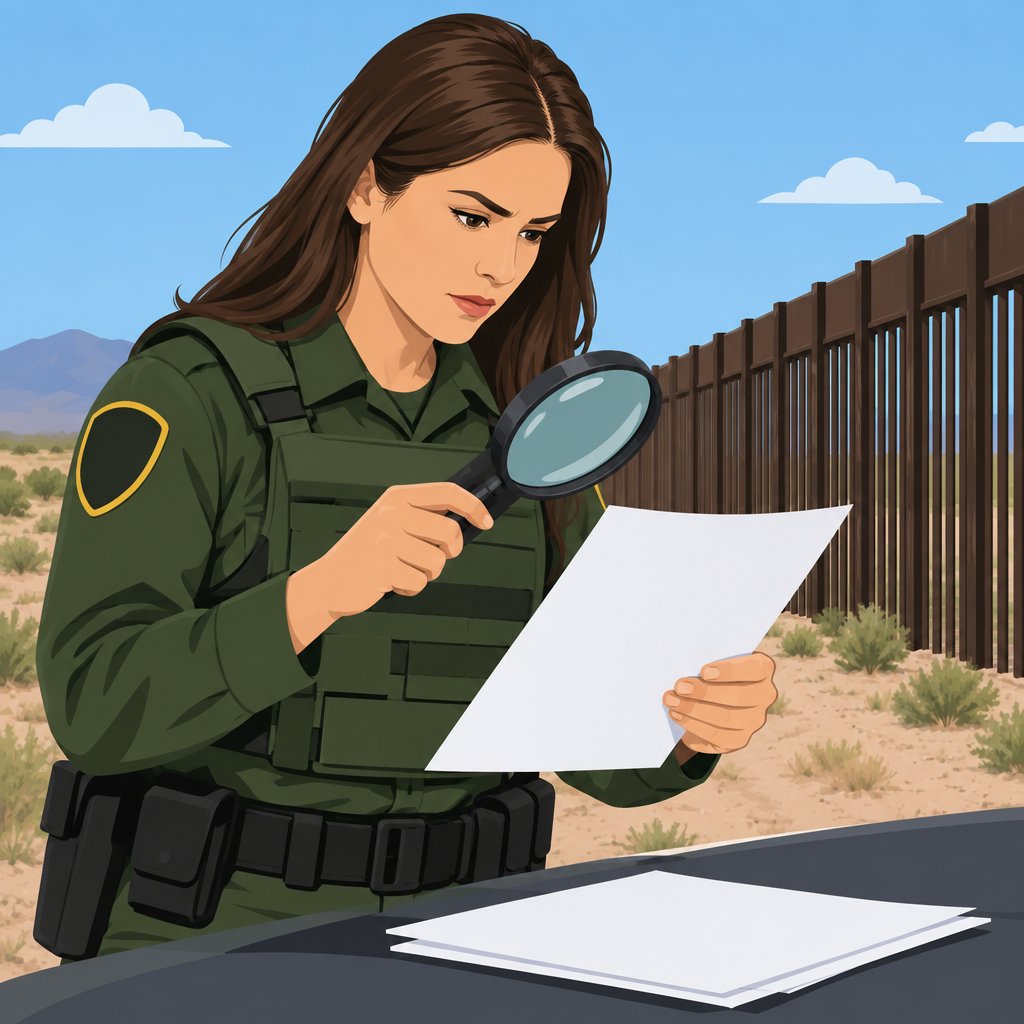
Legal and Ethical Responsibilities of Border Patrol Agents
Border patrol agents, like all law enforcement officers, must respect legal and ethical responsibilities.
They must protect and uphold human rights while performing their official duties.
Several laws, regulations, and conduct standards establish these responsibilities.
- U.S. Constitution: The Constitution guarantees fundamental rights to everyone within the country, regardless of immigration status.
- These rights include due process and protection from unreasonable searches and seizures.
- Immigration and Nationality Act: This law establishes the framework for immigration enforcement in the United States.
- Agents must follow its provisions while respecting people involved in immigration enforcement actions.
- International human rights instruments: The Universal Declaration of Human Rights and Convention Against Torture establish treatment principles.
- These principles guide government authorities, including border patrol agents, when they interact with individuals.
Guidelines That Support Human Rights Protections
Agencies use guidelines and protocols to promote respectful treatment during border enforcement actions.
These measures also support accountability and transparency in official conduct.
Agents must apply these standards while carrying out their assigned responsibilities.
- Use of Force Policies: Agencies establish rules that limit force and protect individual rights.
- Agents should use force only when necessary and proportional to the threat presented.
- Training and Professional Standards: Agents receive instruction about human rights, cultural sensitivity, and ethical conduct.
- They must follow professional standards and treat every individual with dignity and respect.
- Complaint and Oversight Mechanisms: Agencies provide ways to report alleged misconduct or rights violations.
- These mechanisms support accountability and provide avenues for addressing grievances.
Therefore, border patrol agents remain obligated to respect human rights during their duties.
Following legal standards and agency guidelines helps agents perform their responsibilities appropriately.
See Related Content: How to Become an Emergency Management Director
Oversight Mechanisms
Some people believe border patrol agents avoid accountability for misconduct.
However, agency oversight mechanisms examine their conduct and support professional standards.
Internal affairs investigations provide one process for reviewing allegations against agents.
Internal Affairs Investigations
Designated agency teams conduct internal affairs investigations into alleged misconduct or wrongdoing.
These reviews examine reported conduct and help the agency protect its integrity.
Moreover, the process supports accountability when agents fail to meet professional expectations.
Consequences for Misconduct
Agents face consequences when authorities find misconduct.
Possible discipline includes suspension or termination.
Depending on the severity, misconduct can also lead to legal repercussions.
Transform Your Career Today
Unlock a personalized career strategy that drives real results. Get tailored advice and a roadmap designed just for you.
Start NowExamples of Consequences
Some agents have lost their jobs after excessive use of force.
Others have faced criminal charges for corruption or illegal on-duty activities.
These outcomes demonstrate that misconduct can produce employment and legal consequences.
Accountability mechanisms therefore challenge the myth that agents face no consequences.
They encourage agents to perform their duties with professionalism and integrity.
Consequences also reinforce the agency’s responsibility to address misconduct.
Border patrol agents handle many responsibilities beyond apprehending undocumented migrants.
Their work includes public safety, border monitoring, and efforts against smuggling activities.
These varied duties challenge the myth that agents focus on only one aspect of their jobs.
Duties of Border Patrol Agents
Agents respond to people in distress and help address threats near the border.
They also monitor border areas and enforce immigration laws during their regular assignments.
Additionally, agents work to prevent drugs, weapons, and other contraband from crossing the border.
- Agents often support search and rescue operations for individuals in distress along the border.
- They work to prevent the smuggling of drugs, weapons, and other contraband across the border.
- Agents enforce immigration laws, although apprehending undocumented migrants is not their only responsibility.
- They patrol and monitor the border to maintain security and prevent unauthorized crossings.
Partnerships with Other Agencies
Border patrol agents coordinate with other agencies when addressing safety concerns and criminal activities.
These partnerships allow agencies to share information and coordinate their operations.
Agents also participate in joint task forces focused on specific criminal activities.
- Agents work with local police departments and sheriffs’ offices to address safety concerns in border regions.
- They participate in joint task forces with agencies such as ICE and DEA.
- Agents share intelligence and coordinate operations with other law enforcement agencies.
These responsibilities show that border patrol agents perform more than migrant apprehensions.
Their duties and partnerships support broader efforts to maintain border security.
Common Misconceptions About Border Patrol Agents
Several misconceptions surround the roles and responsibilities of Border Patrol agents.
These misunderstandings can obscure the range of duties agents perform.
Therefore, clear information supports more informed discussions about border security and immigration enforcement.
Professional Conduct and Treatment of Migrants
Most Border Patrol agents are dedicated professionals who prioritize safety and security.
However, the claim that agents always act aggressively misrepresents their professional role.
Their responsibilities require attention to safety during interactions with migrants.
Authority and Accountability
Border Patrol agents do not possess unlimited power.
Instead, strict protocols guide their official actions.
Accountability requirements provide consequences when agents fail to follow those rules.
Responsibilities Beyond Apprehension
Border Patrol agents do more than apprehend undocumented immigrants.
They also work to prevent drug trafficking and human smuggling.
Consequently, their responsibilities include broader border security concerns.
Oversight and Professional Standards
Government agencies oversee Border Patrol agents through established rules and regulations.
These requirements create formal expectations for professional conduct.
As a result, agents do not operate without oversight.
Informed Discussion of Border Security
Understanding actual roles helps readers evaluate claims about Border Patrol agents.
Furthermore, accurate information supports productive dialogue about border security.
It also encourages informed discussion about immigration enforcement.
Additional Resources
Google search results for Common Myths About Border Patrol Agents Debunked Protective Services
Bing search results for Common Myths About Border Patrol Agents Debunked Protective Services


