




Understanding the DEA’s Role in the War on Drugs
The War on Drugs originated during the 1970s in response to a rising drug crisis.
The United States established the Drug Enforcement Administration in 1973 to enforce drug laws.
The DEA now supports federal efforts against illegal drug trafficking and related activities.
History and Purpose of the DEA
The DEA operates as a federal agency within the Department of Justice.
It combats drug trafficking through domestic and international operations.
The agency seeks to disrupt trafficking organizations and their distribution networks.
Responsibilities of the DEA
The DEA enforces United States laws and regulations concerning controlled substances.
Its investigators conduct investigations into suspected drug crimes.
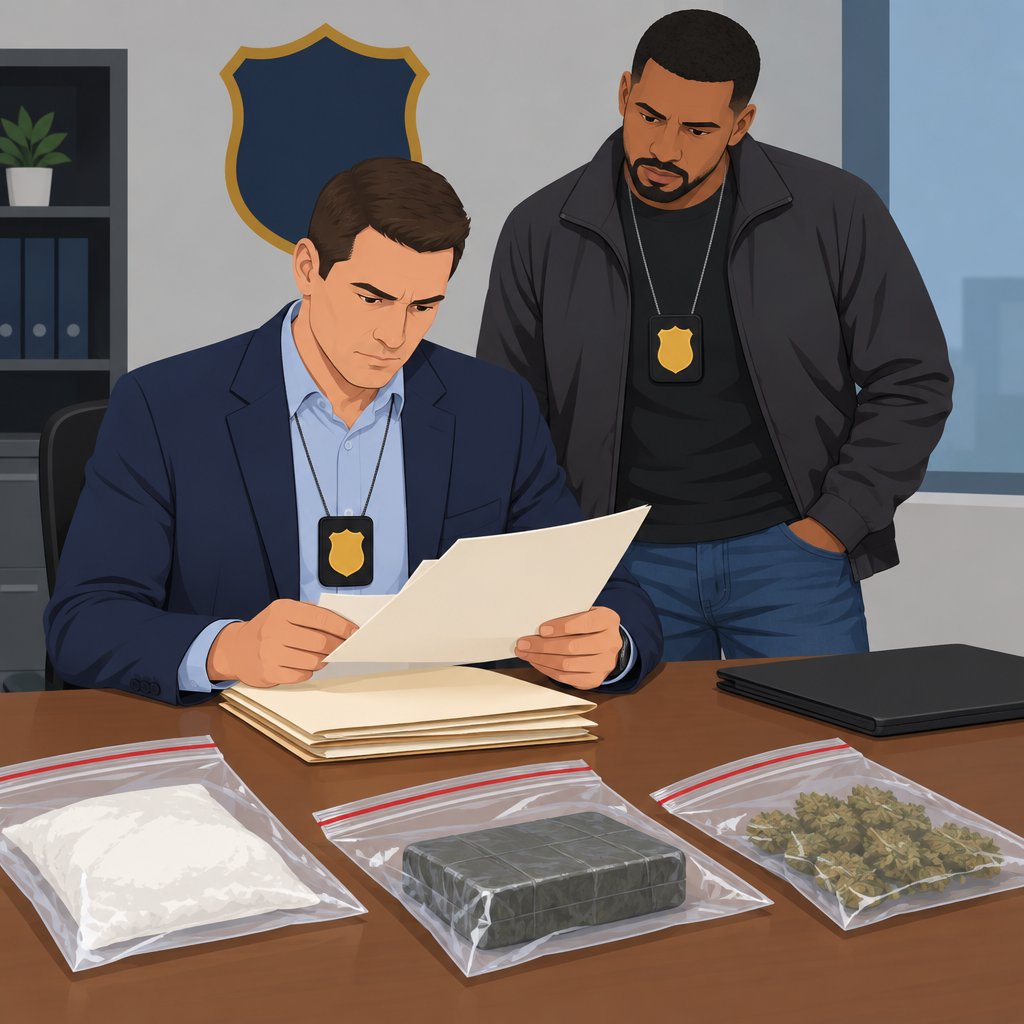
The agency arrests people involved in drug crimes and seizes illicit drugs.
Collaboration with Other Agencies
The DEA works closely with state and local law enforcement agencies.
These agencies coordinate their drug enforcement efforts.
The DEA shares intelligence and resources to address drug-related activities.
Impact of the DEA’s Efforts
DEA actions have produced significant drug seizures and arrests.
The agency has also disrupted drug operations.
Its work plays a crucial role in reducing illegal drug availability and drug-related crime.
Criticism and Challenges Facing the DEA
Critics have challenged the DEA’s harsh enforcement tactics.
They have also criticized the agency’s limited focus on prevention.
Meanwhile, evolving drug trends create continuing enforcement challenges.
Limited resources and corruption within the agency create additional difficulties.
Overview of the DEA
The Drug Enforcement Administration coordinates federal efforts against drug trafficking.
It enforces controlled substances laws and targets significant trafficking organizations.
Additionally, its work combines investigations, seizures, arrests, and public education.
History and Establishment of the DEA
President Richard Nixon established the DEA on July 1, 1973.
Before then, several agencies handled drug enforcement responsibilities separately.
Consequently, Nixon created one agency dedicated to combating drug trafficking.
- The DEA consolidated drug enforcement efforts across multiple agencies.
- The agency formed through the merger of the Bureau of Narcotics and Dangerous Drugs and other agencies.
- This consolidation addressed inefficiencies caused by scattered enforcement responsibilities.
Purpose and Mission in Combating Drug Trafficking
The DEA enforces United States controlled substances laws and regulations.
Its agents investigate major drug trafficking organizations operating domestically and internationally.
Through enforcement actions, the agency seeks to reduce illicit drug availability.
- Agents arrest key members of trafficking organizations.
- They seize illicit drugs and assets connected to trafficking operations.
- The DEA works to disrupt and dismantle major trafficking organizations.
- The agency educates the public about drug abuse and trafficking dangers.
DEA Enforcement Powers
The DEA investigates drug-related crimes and supports prosecutions against drug offenders.
It also works with other law enforcement agencies to strengthen drug enforcement efforts.
These powers help the agency address drug trafficking, manufacturing, and distribution across national and international settings.
- Authority to investigate and prosecute drug-related crimes
- Collaboration with other law enforcement agencies
Authority to Investigate and Prosecute Drug-Related Crimes
The DEA investigates and prosecutes individuals or organizations involved in drug trafficking, manufacturing, and distribution.
It addresses illegal drug operations on national and international scales.
Additionally, agents use surveillance, undercover operations, and wiretapping to gather evidence against suspected drug offenders.
DEA agents receive training to manage complex cases and prepare evidence for prosecution in court.
Their investigative work supports efforts to hold drug offenders accountable under applicable laws.
Collaboration with Other Law Enforcement Agencies
The DEA collaborates with federal, state, and local law enforcement agencies.
This cooperation enables agencies to share information, resources, and expertise.
Moreover, coordinated efforts help agencies target drug trafficking networks more effectively.
These partnerships can disrupt illegal operations and support enforcement actions against drug offenders.
Transform Your Career Today
Unlock a personalized career strategy that drives real results. Get tailored advice and a roadmap designed just for you.
Start NowBy combining their capabilities, participating agencies work to safeguard communities from harmful drug abuse effects.
The DEA’s enforcement powers and partnerships support broader efforts to address drug-related crimes.
Delve into the Subject: Physical Fitness for Campus Security Officers
Impact of DEA Actions
The DEA’s actions affect illegal drug supplies and the financial resources supporting illicit trafficking.
These efforts also target networks that move narcotics through communities.
Together, seizures and network disruptions address supply, financing, and organizational activity.
- Seizure of illegal drugs and assets
- Disruption of drug trafficking networks
Seizure of Illegal Drugs and Assets
The DEA seizes narcotics before traffickers distribute them.
These seizures interrupt supply chains and prevent confiscated substances from reaching people who might abuse them.
Asset seizures also remove financial resources from criminal organizations.
Consequently, trafficking becomes less profitable, while illegal activity faces greater consequences.
Disruption of Drug Trafficking Networks
Meanwhile, the DEA targets organizations that sustain the illegal drug trade.
Enforcement actions create obstacles for traffickers seeking to operate efficiently.
These disruptions can affect connected parts of the supply chain.
Therefore, criminal networks face greater difficulty maintaining their operations.
These actions can reduce drug-related crime and violence by limiting trafficking activity.
Additionally, cooperation with domestic and international partners supports the DEA’s enforcement initiatives.
The agency’s combined efforts contribute to safer communities and address the broader effects of illicit drugs.
Discover More: Wildland Firefighter Team Dynamics and Leadership
Criticisms of the DEA
- Allegations of excessive use of force
- Concerns about racial profiling and civil liberties violations
Critics have raised several concerns about the DEA.
These concerns focus on force, racial profiling, and civil liberties.
Together, these issues raise questions about enforcement practices and accountability.
Allegations of Excessive Use of Force
Critics allege that DEA agents sometimes use excessive force during arrests and search warrant operations.
This concern focuses on tactics that may endanger suspects, residents, or innocent bystanders.
Moreover, critics question whether the agency applies force proportionately and explains its decisions transparently.
A raid on a home intensified these concerns after a flashbang grenade critically injured a toddler.
Critics argued that agents used unnecessary and disproportionate tactics during that operation.
DEA agents have also participated in shootings that caused suspects’ deaths.
Critics question whether officers justified lethal force in those situations.
They also point to limited transparency and accountability within the agency’s use of force policies.
Concerns About Racial Profiling and Civil Liberties Violations
Critics also question whether the DEA disproportionately targets communities of color.
Such concerns include allegations that agents target people based on race or ethnicity.
Additionally, critics argue that some operations may violate privacy, due process, and other civil liberties.
Reports have accused DEA agents of using racial profiling during enforcement activities.
These allegations suggest that agents may target individuals without evidence of criminal activity.
Consequently, critics question the agency’s commitment to equal treatment under the law.
Critics have also accused the DEA of conducting warrantless searches and seizures.
They further object to surveillance techniques that may infringe on individual privacy rights.
Greater oversight could improve accountability and support a more just approach to drug enforcement.
Gain More Insights: Physical Fitness Standards for CBP Officers
Reform Efforts Within the DEA
Since its establishment in 1973, the DEA has addressed drug trafficking and abuse in the United States.
Transform Your Career Today
Unlock a personalized career strategy that drives real results. Get tailored advice and a roadmap designed just for you.
Start NowHowever, critics have emphasized the agency’s enforcement focus over prevention and treatment.
In response, the DEA has pursued reforms that address underlying drug-related issues.
- Implementation of community policing strategies
- Emphasis on prevention and treatment programs
Community Policing Strategies
Community policing represents one key reform effort within the DEA.
This approach encourages law enforcement agencies to collaborate with the communities they serve.
Through those relationships, the DEA seeks trust, stronger communication, and targeted interventions for local needs.
Additionally, engagement with residents, organizations, and stakeholders provides insights into community challenges.
Those insights help the agency develop enforcement and prevention initiatives aligned with community needs.
This shift has improved public safety and reduced drug-related crime.
Prevention and Treatment Programs
The DEA has also increased its emphasis on prevention and treatment programs.
Enforcement alone cannot address the complex nature of drug abuse.
Therefore, the agency supports education, outreach, and access to treatment services.
Prevention initiatives include school-based programs and public awareness campaigns.
Partnerships with healthcare providers promote early detection and intervention for substance use disorders.
These efforts seek to reduce demand for illicit drugs and deter involvement in trafficking.
By addressing root causes, the DEA hopes to support safer, healthier communities.
Together, these reforms reflect a more holistic and community-centered approach.
Collaboration and innovation help the DEA respond to community needs.
This approach supports the agency’s continuing role in addressing drug-related issues.
Learn More: Public Safety Officer: Salary and Benefits Insights
International collaboration gives the DEA an important role in global drug control efforts.
DEA’s Role in Global Drug Control Efforts
The agency works with foreign governments and organizations to combat illegal drug trafficking and distribution worldwide.
Additionally, shared information and joint operations help authorities target international drug cartels.
DEA agents also coordinate with foreign law enforcement agencies to dismantle drug trafficking networks.
- The DEA shares intelligence to disrupt international drug trafficking.
- Joint operations help agencies address international drug cartels.
- International cooperation strengthens efforts against global drug distribution.
Partnerships with Foreign Governments and Organizations
The DEA has formed partnerships with countries to strengthen responses to drug trafficking and production.
These relationships help international counterparts address shared drug threats collaboratively.
Furthermore, agencies exchange practices and tactics while monitoring and intercepting illicit shipments across borders.
- Partnerships support coordinated responses to common drug threats.
- Foreign agencies exchange practices and tactics with the DEA.
- International cooperation helps intercept illicit drug shipments.
Consequently, these partnerships support the global effort against illegal drugs.
Coordinated Strategies for Addressing Drug Abuse
The DEA plays a crucial role in the War on Drugs by enforcing drug laws and regulations.
It targets drug trafficking organizations, disrupts their operations, and seizes illicit drugs.
However, the War on Drugs involves complex social, economic, and political considerations.
Therefore, effective responses must address both drug supply and demand.
Prevention, treatment, and education can help communities reduce drug abuse and addiction.
Furthermore, communities, organizations, and policymakers can support coordinated efforts against these challenges.
Such cooperation can promote awareness, strengthen rehabilitation efforts, and support safer environments for future generations.
Additional Resources
Google search results for Understanding the DEA's Role in the War on Drugs Protective Services
Bing search results for Understanding the DEA's Role in the War on Drugs Protective Services


