




Physical Fitness for Campus Security Officers
Physical fitness helps campus security officers maintain a safe and secure campus environment.
Moreover, fitness prepares officers to respond effectively during emergencies and potential threats.
Additionally, strength, agility, and stamina support performance during demanding duties.
Therefore, fit officers can manage high-stress situations and face fewer injury risks during physical altercations.
Physical Fitness for Campus Security Officers
Physical fitness supports campus security officers during demanding work.
It helps them respond effectively when situations require physical effort.
Additionally, regular exercise can strengthen physical readiness and mental resilience.
Physical Demands of Campus Security Work
Campus security officers may patrol large areas on foot during their shifts.
They may also respond quickly to emergencies across campus.
Furthermore, officers might climb stairs, run distances, or restrain individuals.
Physical fitness helps officers complete these demanding tasks more effectively.
Reaction Time and Decision-Making
Physical fitness can support faster reactions during emergency situations.
A well-conditioned body can improve agility and alertness under pressure.
Consequently, officers may assess risks and choose appropriate responses more quickly.
Regular exercise can also support memory, focus, and concentration.
Strength and Endurance for Officer Responsibilities
Officers may need strength when restraining aggressive individuals.
They may also escort trespassers away from campus property.
Strength training can help officers perform these duties while reducing injury risks.
Meanwhile, cardiovascular exercise can build stamina for extended patrols.
Improved endurance can also reduce fatigue during sustained physical exertion.
Health and Well-Being Benefits
Physical fitness can help officers maintain their health beyond job performance.
Regular exercise may reduce risks associated with heart disease, diabetes, and obesity.
It can also support mental health by reducing stress, anxiety, and depression.
As a result, officers may experience better focus, resilience, and job satisfaction.
Prioritizing fitness can improve physical abilities, mental acuity, and quality of life.
Moreover, fitness supports personal safety and the safety of others.
This commitment can help officers remain prepared and capable during challenging duties.
Exercise and Physical Well-Being
Regular exercise supports the physical well-being that campus security officers need during daily duties.
It also helps officers sustain healthy routines while managing demanding responsibilities.
Furthermore, consistent activity can improve energy, recovery, and general health.
- Exercise strengthens the heart and supports healthy blood pressure levels.
- Cardio, weight training, and flexibility exercises support overall physical conditioning.
- Regular activity helps officers manage weight and reduce obesity-related health risks.
- Physical activity improves blood flow and can increase energy throughout the day.
- Consistent exercise can improve sleep patterns and promote more restful nights.
Exercise, Stress, and Mental Performance
Exercise also supports emotional balance among campus security officers.
Moreover, physical activity can help officers manage stress during demanding workdays.
Regular movement may also support clearer thinking and a more positive outlook.
- Exercise releases endorphins that can ease stress and support well-being.
- Physical activity connects with reduced symptoms of anxiety and depression.
- Regular exercise can support memory, focus, and decision-making abilities.
- Achieving fitness goals can strengthen confidence and self-esteem.
By prioritizing regular exercise, officers can support their physical health and mental readiness.
Learn More: Wildland Firefighter Team Dynamics and Leadership
Exercises for Campus Security Officers
Campus security officers can use varied exercises to develop well-rounded fitness.
These activities support the physical abilities required during demanding duties.
A balanced routine can combine cardiovascular, strength, and functional training.
Cardio Exercises for Endurance and Stamina
Cardiovascular exercises can improve endurance and stamina for campus security officers.
They can also support quick responses during emergencies and campus patrols.
Transform Your Career Today
Unlock a personalized career strategy that drives real results. Get tailored advice and a roadmap designed just for you.
Start NowOfficers can select activities that match their preferences and fitness levels.
- Running or jogging can develop cardiovascular endurance and stamina.
- Cycling strengthens the legs while providing low-impact cardiovascular training.
- Jumping rope can improve coordination, agility, and stamina.
- Swimming provides a full-body workout that develops cardiorespiratory fitness and endurance.
Strength Training for Physical Strength and Agility
Strength training can help officers build power, stability, and muscular endurance.
Bodyweight and weighted movements can develop useful strength for demanding activities.
Functional drills can further improve coordination, balance, and physical performance.
- Push-ups, pull-ups, squats, and lunges can build strength and agility.
- Deadlifts, squats, bench presses, and overhead presses can increase strength and power.
- Kettlebell swings, goblet squats, and Turkish get-ups can improve stability and strength.
- Battle ropes, sled pushes, and agility ladder drills can develop functional movement skills.
Officers can combine these exercise categories to create a diverse fitness routine.
Regular training can help them maintain readiness for varied campus responsibilities.
Choosing appropriate exercises can also support consistent participation and personal well-being.
Delve into the Subject: Physical Fitness Standards for CBP Officers
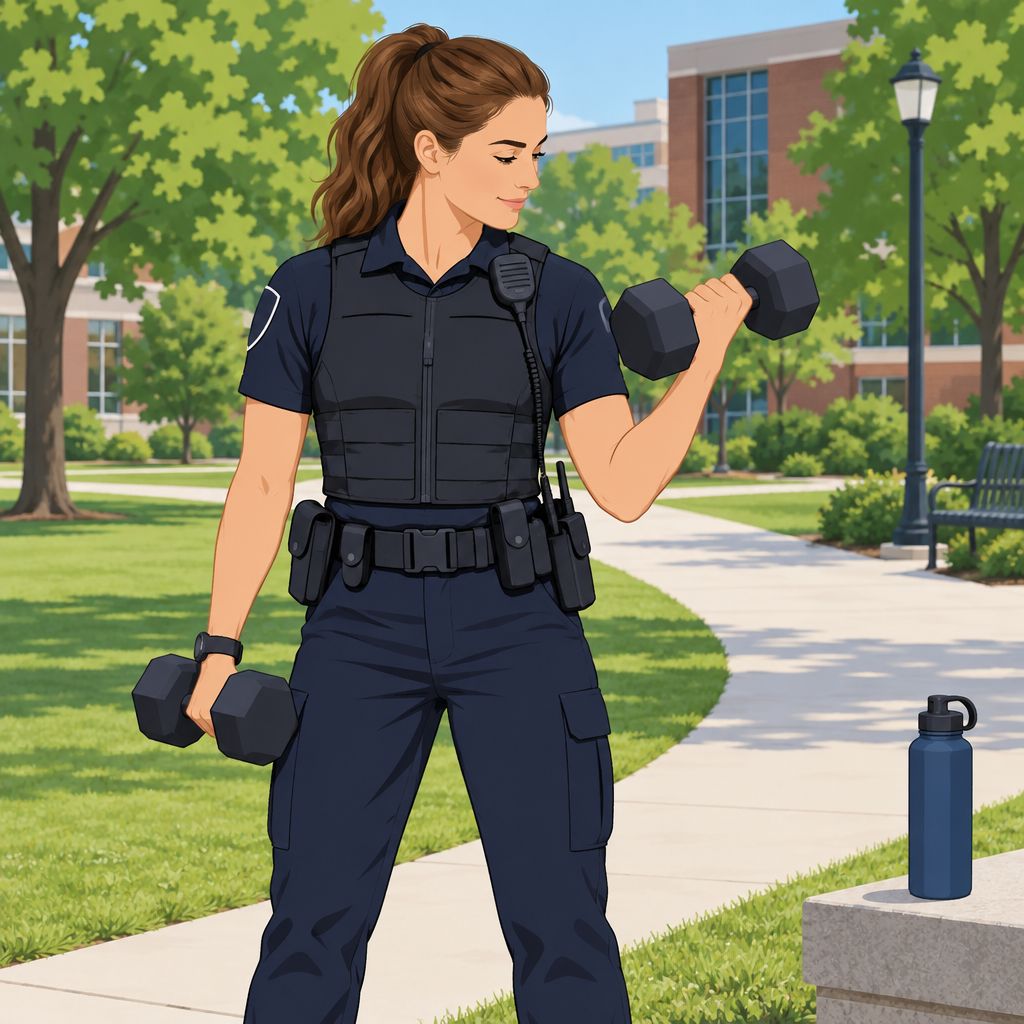
Incorporating Physical Fitness into Daily Routine
Campus security officers can add physical activity throughout each day.
Short breaks and efficient workouts can support a practical fitness routine.
Walking or biking to work can provide additional exercise when possible.
- Use short breaks during shifts for quick exercises.
- Prioritize high-intensity interval training for efficient workouts.
- Consider biking or walking to work when possible.
Practical Ways to Schedule Exercise During Shifts
Balancing a demanding campus security job with fitness can challenge many officers.
However, proper planning and commitment can make regular exercise possible.
Officers can use shift time or off-duty periods to maintain a routine.
- Schedule workouts like any other important task.
- Use your lunch break for a quick workout or walk.
- Wake up earlier for a morning exercise session.
- Use stairs instead of the elevator for additional activity.
- Find a workout buddy for motivation and accountability.
Consistency in a Fitness Regimen
Consistency helps people see results from their fitness efforts.
Regular exercise supports overall health and well-being.
Furthermore, consistent routines can build endurance and stamina for demanding tasks.
- Regular exercise improves overall health and well-being.
- Consistency helps build endurance and stamina for demanding job tasks.
- Maintaining a healthy routine reduces the risk of workplace injuries.
- Consistent workouts support long-term health benefits and quality of life.
- A consistent fitness regimen sets a positive example for others.
Find Out More: Public Safety Officer: Salary and Benefits Insights
Nutrition and Hydration Tips
Campus security officers face physical demands during their duties.
A balanced diet helps them meet those demands.
It also supports muscle function and overall performance.
Role of a Balanced Diet in Supporting Physical Fitness
- A balanced diet provides campus security officers with essential nutrients for demanding duties.
- It supplies nutrients that support muscle function and overall performance.
- Include lean proteins, whole grains, fruits, and vegetables in daily meals.
- Meanwhile, processed foods high in sugar and unhealthy fats can contribute to fatigue.
- Adequate protein supports muscle repair and recovery after physical activities.
Hydration Guidelines to Maintain Energy Levels during Long Shifts
- Drink water regularly throughout the day, even before you feel thirsty.
- Carry a reusable water bottle for easy access during patrols or breaks.
- Choose water or electrolyte-enhanced beverages instead of sugary drinks.
- Clear or light yellow urine indicates proper hydration, while dark yellow suggests dehydration.
- Limit caffeine because it can contribute to dehydration and affect sleep during night shifts.
Gain More Insights: Campus Security Officer: Ensuring Dormitory Safety
Setting Realistic Fitness Goals
- Emphasize the importance of setting achievable fitness goals.
- Encourage tracking progress and adjusting goals as needed.
Realistic fitness goals help campus security officers protect their physical well-being and perform their duties effectively.
Achievable targets can improve overall health, reduce injury risks, and support stronger job performance.
Additionally, clear goals give officers direction and purpose during workouts.
Specific targets can increase motivation and encourage consistent exercise and healthier daily choices.
Officers can track fitness levels and measure improvements over time.
This progress can show how effort produces results and encourage continued commitment.
However, goals should challenge officers without becoming unrealistic.
Goals that seem too easy may limit motivation.
Conversely, overly difficult goals can cause frustration and burnout.
Therefore, officers should review goals regularly and adjust them as their fitness develops.
As officers progress, revised targets can provide continued challenges and support further improvement.
Furthermore, a fitness trainer or health coach can offer guidance and support.
These professionals can help officers create personalized fitness plans and monitor progress.
They can also help officers set realistic goals and remain on track.
Consequently, consistent tracking and thoughtful adjustments can help officers stay motivated.
These practices can improve fitness levels and support physical health and well-being.
Better fitness can also enhance overall job performance.
Access to Fitness Resources
Campus security departments can support officer wellness by sharing available fitness resources.
Transform Your Career Today
Unlock a personalized career strategy that drives real results. Get tailored advice and a roadmap designed just for you.
Start NowThese resources may include campus gyms, classes, and flexible workout alternatives.
Access information helps officers choose practical options for their work locations.
- Officers can review campus gym facilities and fitness classes.
- Officers working remotely can use adaptable workout options.
Gym Facilities
Many campuses provide on-site gyms that security officers may use.
These facilities often include cardio machines and weightlifting equipment.
Officers can use these resources to support consistent training.
Fitness Classes
Some campuses offer fitness classes designed to address different training needs.
Classes may focus on strength, endurance, flexibility, or stress management.
Officers can apply techniques from these classes during personal workouts.
Alternative Workout Options
Remote officers can perform bodyweight exercises without gym equipment.
Running or walking outdoors can provide accessible cardiovascular activity.
Resistance bands or TRX straps can support portable strength training.
Campus security departments should communicate available fitness resources clearly.
This support helps officers maintain healthy routines across different work settings.
Officers can select options that fit their schedules and locations.
Physical Fitness and Effective Campus Security
Physical fitness helps campus security officers perform their duties effectively and protect the campus community.
It improves strength, endurance, and agility for emergency responses.
Regular exercise and proper nutrition help officers maintain strong physical condition.
Furthermore, cardiorespiratory fitness supports campus patrols and rapid incident responses.
Strength training prepares officers to manage physical altercations and move obstacles.
Flexibility exercises expand range of motion and help prevent injuries.
These abilities help officers respond swiftly during emergencies.
They also help officers maintain a strong presence on campus.
Additionally, physical fitness can reduce injury risks during demanding duties.
Healthy habits support effective security work and campus safety.
Campus security officers should prioritize fitness alongside their job responsibilities.
Regular workouts and healthy habits help officers sustain their readiness.
Consistent physical preparation supports optimal job performance.
By maintaining fitness levels, officers can better fulfill their responsibilities.
Their readiness strengthens safety across the campus environment.
Additional Resources
Google search results for Physical Fitness for Campus Security Officers Protective Services
Bing search results for Physical Fitness for Campus Security Officers Protective Services


