




Introduction
CBP officers play a crucial role in safeguarding borders.
They enforce immigration laws and help ensure national security.
Additionally, they prevent smuggling and facilitate lawful trade.
Importance of Physical Fitness
Physical fitness helps CBP officers handle the rigorous demands of their work.
Officers need strength, agility, and endurance to chase suspects and lift heavy objects.
These abilities also help officers maintain control during high-pressure situations.
Purpose of Physical Fitness Standards
Physical fitness standards ensure that CBP officers can perform their duties effectively.
They also help officers complete their responsibilities efficiently.
Furthermore, these standards support readiness for border security operations.
Physical Fitness Standards for CBP Officers
CBP officers must pass a physical fitness test to perform their duties effectively.
The assessment measures cardiovascular endurance, strength, and flexibility.
Additionally, regular testing helps officers maintain the fitness required for field responsibilities.
Physical Fitness Test Requirements
The test measures how safely and effectively CBP officers perform job-related tasks.
It includes exercises that simulate running, lifting, bending, and other law enforcement activities.
Officers must meet each minimum standard to pass and continue working in the field.
Physical Fitness Test Components
Cardiovascular activities, such as running, biking, or swimming, measure endurance and heart health.
Strength exercises, including push-ups, sit-ups, and weightlifting, evaluate muscle performance.
Stretching and range-of-motion exercises assess flexibility and support comfortable movement.
Physical Fitness Testing Frequency
CBP officers typically complete physical fitness testing annually or semi-annually.
Regular evaluations identify weaknesses and highlight areas requiring improvement.
Officers who miss minimum standards may receive additional training or counseling.
CBP Officer Physical Fitness Test Requirements
The CBP Officer Physical Fitness Test measures capabilities needed for effective duty performance.
It includes upper-body strength, core strength, and cardiovascular endurance.
Additionally, the requirements support consistent evaluations of officer fitness.
Push-ups test upper-body strength through repetitions completed within a designated time frame.
Sit-ups measure core strength through a set number completed within a specific period.
Meanwhile, the 1.5-mile run tests cardiovascular endurance against a required completion time.
Minimum Fitness Standards
Minimum requirements vary by age and gender to promote fairness and consistency.
Generally, male officers complete 25 to 30 push-ups, while female officers complete 15 to 20.
For sit-ups, males typically complete 30 to 35, while females complete 25 to 30 within the given period.
Run times depend on age and gender, with standards ranging from under 12 minutes to under 16 minutes.
Consequences of Failing the Standards
Officers who miss a minimum receive remedial training to improve their fitness levels.
If repeated attempts produce failing results, officials may impose disciplinary action.
Such action can include removal from the officer’s position.
Maintaining fitness helps officers perform duties effectively and support border safety and security.
Gain More Insights: Public Safety Officer: Salary and Benefits Insights
Training and Preparation for the Test
Physical fitness helps CBP officers perform their duties effectively and efficiently.
Regular exercise prepares officers for the physical demands of their work.
Additionally, consistent training helps officers maintain readiness for the physical fitness test.
Benefits of Regular Exercise for Officers
Regular exercise builds strength and endurance for demanding duties.
Transform Your Career Today
Unlock a personalized career strategy that drives real results. Get tailored advice and a roadmap designed just for you.
Start NowIt also improves cardiovascular health, flexibility, and agility.
Furthermore, exercise increases energy levels and reduces the risk of injury.
- Enhanced overall strength and endurance
- Improved cardiovascular health
- Increased flexibility and agility
- Higher energy levels
- Reduced risk of injury
Fitness Resources for Officers
Officers can use several resources to improve their fitness levels.
Fitness centers and specialized training programs can support their preparation.
Moreover, trainers, online resources, and peers can provide useful guidance and encouragement.
- Access to fitness centers or gyms
- Training programs designed for law enforcement officers
- Online workout routines and fitness tips
- Peer support and encouragement
- Guidance from physical fitness instructors or trainers
Strategies for Managing Exercise in a Busy Schedule
Officers can schedule workouts like other important appointments.
They can also combine exercise with daily activities, such as walking or biking.
Additionally, shorter sessions and family activities can make regular training easier.
- Schedule workouts as important appointments
- Walk or bike while completing daily tasks
- Break workouts into shorter sessions
- Use quick, high-intensity interval training workouts
- Exercise with family or friends for motivation
Gain More Insights: Campus Security Officer: Ensuring Dormitory Safety
Benefits of Maintaining Physical Fitness
- Maintaining physical fitness improves agility and stamina, which can support stronger job performance.
- Additionally, regular exercise and strength training can reduce workplace injuries and fatigue.
- Moreover, physical fitness supports lower stress levels and better overall health for officers.
Discover More: Parole Officer: Building Trust with Clients
Challenges That Affect CBP Officer Fitness
CBP officers face physical demands that can gradually affect their fitness levels.
Long periods of standing, patrolling, and physical confrontations require consistent readiness.
These demands can challenge officers who must balance fitness with demanding work responsibilities.
- Long shifts can reduce the time available for planned exercise.
- Unpredictable schedules can disrupt sleep and make exercise routines difficult.
- Physical confrontations can increase fatigue and recovery needs.
- Limited dining options can encourage fast food and vending machine snacks.
Irregular shifts can also interfere with consistent meal planning and personal recovery.
Furthermore, officers may struggle to find healthy food during busy work periods.
Strategies for Sustaining Fitness During Demanding Schedules
Officers can protect their fitness by treating exercise as a regular responsibility.
Scheduling workouts before or after shifts can create consistency despite changing work hours.
Shorter exercise sessions can still support fitness when longer workouts remain impractical.
Meal preparation helps officers bring nutritious food and snacks to work.
Planning meals ahead can reduce reliance on unhealthy choices during demanding shifts.
Colleagues can encourage one another by organizing group workouts and shared fitness goals.
Supervisors can support a workplace culture that values fitness and personal wellness.
Agency wellness programs may provide fitness facilities, nutrition counseling, and stress management resources.
Using available resources can help officers manage challenges and remain prepared for duty.
Find Out More: Balancing Work and Life as a Wildland Firefighter
Success Stories of CBP Officers Meeting Fitness Standards
- Examples of officers who excelled in the physical fitness test.
- Ways those officers achieved their fitness goals.
- Inspirational stories that motivate other officers.
These stories show how dedication and support can help CBP officers meet physical fitness standards.
The officers improved their abilities through structured exercise, goal setting, and consistent effort.
Their experiences encourage colleagues to pursue physical readiness for duty.
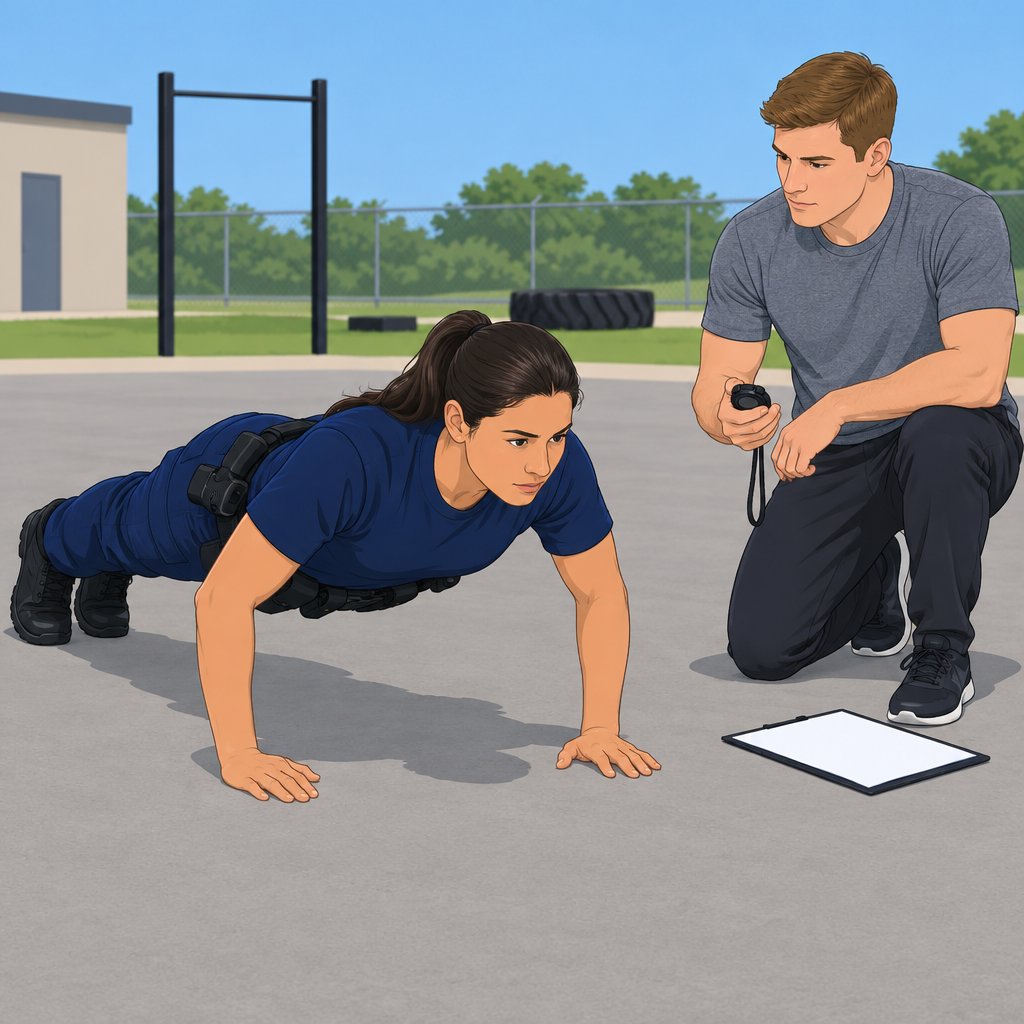
Officer John’s Fitness Journey
Officer John committed himself to meeting the physical fitness standards required for CBP officers.
He created a personalized workout plan with cardio, strength training, and flexibility exercises.
As he trained consistently, John gradually improved his fitness level.
He tracked his progress by setting specific goals and assessing his performance regularly.
Although he faced challenges, John remained committed to his fitness journey.
His improved fitness strengthened his confidence and supported his performance as a CBP officer.
Officer Sarah’s Fitness Transformation
Officer Sarah initially struggled to meet the fitness standards required for her role.
She sought guidance from a fitness trainer and nutritionist.
Together, they developed a comprehensive fitness plan for her needs.
Sarah followed the plan diligently and combined high-intensity interval training with weightlifting.
She also focused on proper nutrition, strength, endurance, and agility.
Each workout encouraged Sarah to keep improving and pursue her fitness goals.
Transform Your Career Today
Unlock a personalized career strategy that drives real results. Get tailored advice and a roadmap designed just for you.
Start NowBenefits of Meeting Fitness Standards
John and Sarah experienced stronger overall health and well-being after meeting the fitness standards.
They felt more energetic, focused, and confident in their roles as CBP officers.
By sharing their experiences, both officers encouraged colleagues to prioritize physical fitness.
Their example highlights how hard work and support can promote physical readiness for duty.
Leadership Support for Officer Fitness
Leadership support strengthens the physical fitness of CBP officers.
Supervisors can encourage officers as they pursue their fitness goals.
They can also create an environment that supports healthy habits and regular exercise.
- Supervisors can set an example by prioritizing their own physical fitness.
- They can provide encouragement and motivation to their subordinates.
- Supervisors can offer guidance on fitness routines and healthy habits.
- They can create a supportive environment for officers pursuing fitness goals.
Agency Resources for Fitness Support
Agency resources can help officers develop consistent fitness routines.
These resources may provide practical guidance for exercise and nutrition.
Additionally, fitness events can encourage officers to remain physically active.
- CBP may offer gym facilities, fitness classes, or wellness programs.
- On-site trainers or nutritionists may provide additional guidance.
- The agency may provide workout plans or diet plans.
- CBP may organize fitness challenges or events that promote physical activity.
Benefits of a Health and Wellness Culture
A health and wellness culture encourages officers to prioritize physical well-being.
It can promote overall health and reduce the risk of injuries on the job.
Furthermore, shared fitness goals can strengthen morale and camaraderie among officers.
- A wellness culture encourages officers to prioritize their physical well-being.
- It promotes overall health and reduces the risk of injuries on the job.
- Officers can build morale and camaraderie by supporting each other’s fitness goals.
- The culture creates a positive image for the agency as a health-conscious organization.
Physical Fitness and Operational Readiness
Physical fitness standards for CBP officers support effective job performance and overall well-being.
Officers must maintain strong physical fitness to perform their duties and responsibilities effectively.
Therefore, officers should prioritize physical wellness through regular exercise and healthy lifestyle choices.
By staying fit, officers remain prepared for their jobs’ physical demands.
Additionally, fitness helps officers protect the borders of the United States.
Agencies should continue supporting officers as they pursue their fitness goals.
They can provide resources, training, and encouragement to support consistent physical wellness.
Moreover, a physically fit workforce can perform duties more effectively.
Regular fitness may also reduce injuries and illnesses associated with a sedentary lifestyle.
For these reasons, CBP officers should make physical fitness a lasting priority.
This commitment benefits officers while supporting the safety and security of the nation.
Additional Resources
Google search results for Physical Fitness Standards for CBP Officers Protective Services
Bing search results for Physical Fitness Standards for CBP Officers Protective Services


