




Fish and Game Wardens and Wildlife Conservation
Fish and game wardens play a vital role in wildlife conservation.
They enforce laws and regulations to protect and preserve various species.
Wildlife conservation helps maintain ecosystem balance and ensure diverse species survival.
Responsibilities of Fish and Game Wardens in Wildlife Conservation
Fish and Game Wardens play a crucial role in wildlife conservation by enforcing laws and regulations to protect endangered species.
These responsibilities help maintain ecosystem balance and preserve biodiversity.
They also support safer relationships between people and wildlife.
- Enforcing wildlife laws and regulations to protect endangered species
- Investigating illegal activities such as poaching and habitat destruction
- Educating the public on wildlife conservation and safe interactions with animals
Enforcing Wildlife Laws and Regulations
First, wardens patrol designated areas and check whether hunters and fishermen follow current regulations.
They monitor bag limits, hunting seasons, and protections for endangered species.
Additionally, they apply penalties when people violate conservation laws.
Investigating Illegal Wildlife Activities
Wardens investigate poaching and habitat destruction because these activities threaten endangered species.
They gather evidence and interview witnesses during each investigation.
Furthermore, they work with law enforcement agencies to apprehend suspected wildlife criminals.
Educating the Public About Wildlife Conservation
They teach the public why wildlife conservation matters and how human actions affect ecosystems.
They explain responsible outdoor recreation practices during public education efforts.
Moreover, they promote safe wildlife interactions to reduce conflicts between people and animals.
Through these combined duties, wardens help protect wildlife for future generations.
Wildlife Conservation Strategies Used by Fish and Game Wardens
Fish and game wardens use several coordinated strategies to protect wildlife and maintain healthy natural resources.
These efforts combine field observation, partnerships, and habitat restoration work.
Together, these approaches support informed decisions about wildlife populations and their habitats.
- Patrol protected areas to monitor wildlife populations.
- Collaborate with agencies and organizations on conservation plans.
- Implement habitat restoration projects that support wildlife habitats.
Conducting Patrols in Protected Areas
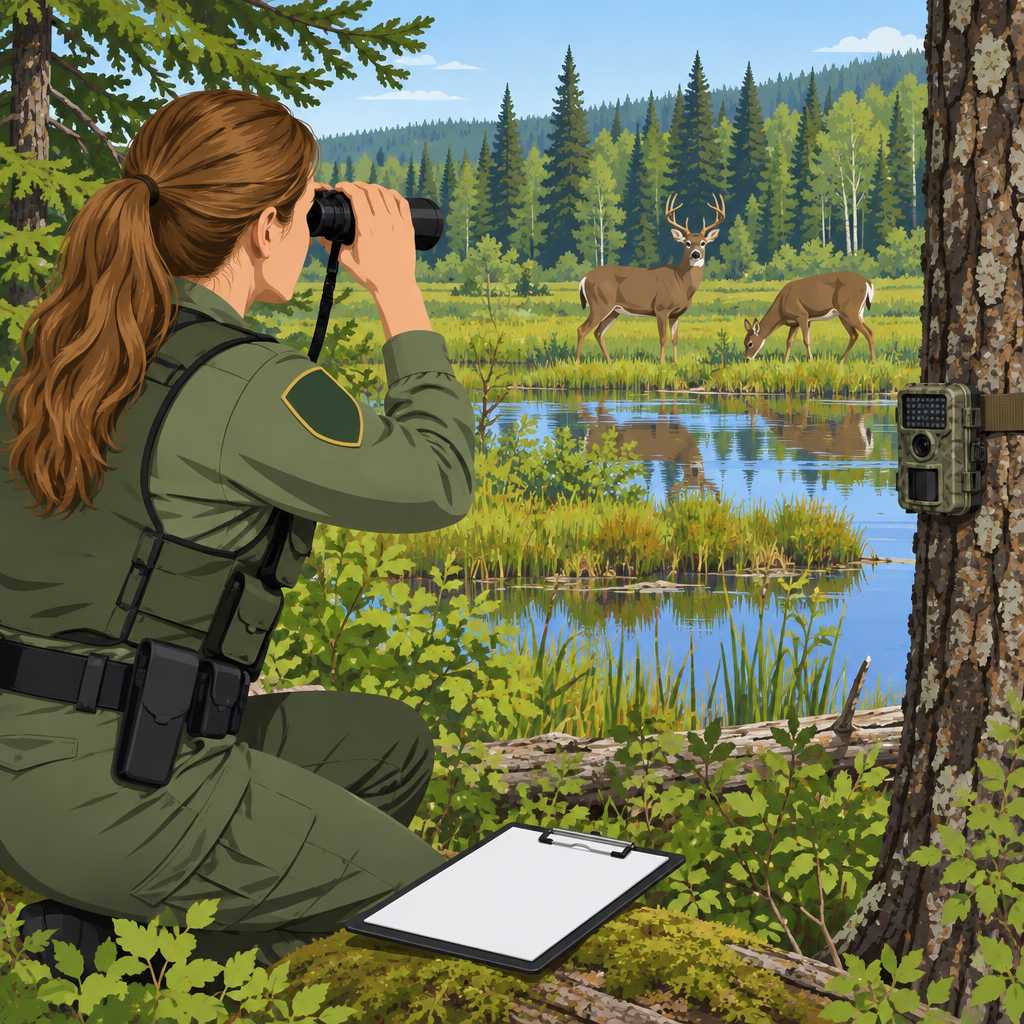
Wardens regularly patrol protected areas to observe wildlife populations and identify potential threats.
During these patrols, they watch for poaching, habitat destruction, and other illegal activities.
They also gather population data that informs conservation efforts and management strategies.
Collaborating on Conservation Plans
Additionally, wardens collaborate with agencies and organizations when developing conservation plans.
These partnerships connect wardens with broader expertise and resources.
Consequently, coordinated planning can support more informed wildlife protection efforts.
Implementing Habitat Restoration Projects
Wardens also implement habitat restoration projects that support wildlife habitats.
They may plant native vegetation, restore wetlands, or create artificial habitats.
These projects address habitat loss caused by human activities and help wildlife thrive.
You Might Also Like: U.S. Marshal Badges: Meaning and Significance
Challenges Faced by Fish and Game Wardens in Wildlife Conservation
Fish and game wardens face several pressures while supporting wildlife conservation.
Limited funding, competing duties, and human-wildlife conflicts can complicate their daily work.
These challenges require careful decisions that protect wildlife while recognizing human needs.
- Limited resources and funding for conservation efforts
- Balancing law enforcement duties with conservation initiatives
- Addressing conflicts between human activities and wildlife conservation goals
Limited Resources and Funding for Conservation Efforts
Funding shortages can restrict the equipment, personnel, and support available for conservation work.
Consequently, wardens may struggle to monitor populations, enforce regulations, and study wildlife habitats effectively.
These limitations can hinder conservation efforts and increase risks for vulnerable wildlife.
Balancing Law Enforcement Duties with Conservation Initiatives
Wardens must enforce rules against illegal hunting, fishing, and poaching.
At the same time, they promote sustainable wildlife management and protect important habitats.
Therefore, they must balance legal requirements with ecological and ethical considerations.
Addressing Conflicts Between Human Activities and Wildlife Conservation Goals
Human expansion into natural habitats creates more frequent conflicts between people and wildlife.
To address these disputes, wardens may support habitat restoration, wildlife relocation, and public education.
Transform Your Career Today
Unlock a personalized career strategy that drives real results. Get tailored advice and a roadmap designed just for you.
Start NowHowever, lasting solutions require cooperation among stakeholders and attention to human needs and conservation goals.
See Related Content: Interview Tips for Aspiring Probation Officers
Wildlife Rehabilitation and Release Successes
Rehabilitation programs have helped injured and threatened wildlife return to suitable natural habitats.
In Florida, bald eagle rehabilitation has supported notable population growth.
Careful monitoring and protection have helped these birds return to their natural habitats.
Similarly, programs in Hawaii have supported sea turtle recovery.
Wardens have protected these endangered species and strengthened their survival prospects.
Consequently, sea turtle populations have increased steadily, creating a more promising future.
Successful Prosecution of Wildlife Crimes
Wildlife crime prosecutions can discourage activities that threaten endangered species.
In Africa, wardens apprehended individuals involved in illegal hunting.
Authorities then prosecuted those offenders through wildlife protection laws.
These cases helped curb poaching and protect ecosystem balance.
Additionally, wardens prosecuted people involved in exotic animal smuggling.
Such enforcement has helped reduce illegal trade in endangered species.
Together, these outcomes demonstrate that wildlife offenses can bring accountability.
Conservation Benefits for Ecosystems and Species
Conservation programs have strengthened local ecosystems and supported recovering species populations.
California condors provide one example of this progress.
Intensive measures have protected and restored their habitats.
As a result, condor numbers have increased, improving their prospects.
Caribbean coral reef protection offers another example.
Strict regulations have supported damaged reef restoration and renewed marine life.
These gains have helped local ecosystems thrive and allowed species to flourish.
Uncover the Details: Real Stories from TSA Officers: Experiences on the Job
Training and Education Requirements for Fish and Game Wardens
Fish and game wardens need focused education and training before assuming wildlife law enforcement duties.
These preparations build the knowledge and practical skills required for field responsibilities.
Employers often value college study because it strengthens knowledge of wildlife and natural resources.
Coursework and Certifications for Fish and Game Wardens
Candidates typically need a high school diploma or an equivalent qualification.
However, many employers prefer college education or a bachelor’s degree in a related field.
Relevant fields include wildlife management, biology, and natural resources.
Additionally, candidates must complete training at a state or federal law enforcement academy.
Academy courses cover firearms, self-defense, criminal investigations, and wildlife laws.
Some jurisdictions also require Peace Officer Standards and Training certification for law enforcement duties.
Continuing Training in Conservation and Law Enforcement
Wildlife conservation changes as new threats and management concerns emerge.
Therefore, wardens need continuing instruction to maintain current conservation and enforcement knowledge.
They may attend workshops, seminars, and conferences about wildlife trafficking, habitat conservation, and environmental law.
These learning opportunities help wardens respond to relevant issues within their jurisdictions.
Career Advancement in Wildlife Conservation
Career advancement can involve deeper specialization, leadership, advanced study, or policy work.
Each path lets wardens build on field experience while serving conservation goals.
Agencies and conservation organizations may offer different opportunities for professional growth.
- Wardens can pursue specialized training in forensic science, wildlife forensics, or marine biology.
- Experienced wardens may advance into supervisory roles within their agencies.
- Some wardens pursue advanced degrees in conservation biology or environmental management.
- Others transition into research, policy development, or advocacy positions.
Delve into the Subject: U.S. Marshals' Role in Asset Forfeiture
Transform Your Career Today
Unlock a personalized career strategy that drives real results. Get tailored advice and a roadmap designed just for you.
Start NowEnforcement and Conservation Duties
Fish and game wardens enforce wildlife protection laws and regulations.
They investigate illegal hunting, trapping, and fishing activities.
Additionally, wardens protect endangered species and conserve natural habitats.
They also educate the public about preserving wildlife and biodiversity.
Furthermore, wardens collaborate with other agencies to address wildlife-related issues.
Public Participation in Wildlife Protection
Everyone can support conservation and protect wildlife for future generations.
Individuals should follow wildlife regulations and report illegal activities.
Moreover, volunteering with wildlife organizations can strengthen conservation initiatives.
By raising awareness and participating actively, communities can support a sustainable future for wildlife.
Additional Resources
Google search results for Wildlife Conservation by Fish and Game Wardens Protective Services
Bing search results for Wildlife Conservation by Fish and Game Wardens Protective Services


