




Introduction
A Community Outreach Coordinator plays a vital role in connecting communities with resources and support.
They serve as a bridge between organizations and the public, advocating for community needs.
By becoming a Community Outreach Coordinator, you can make a significant impact in improving society.
Community Outreach Coordinator Role
- Understand the role’s responsibilities and duties
- Learn the required skills and qualifications
- Explore job opportunities and career paths
Research should clarify the coordinator’s responsibilities, required abilities, and possible career directions.
This approach keeps the role assessment focused on practical expectations.
Each area offers a distinct way to evaluate preparation for community outreach work.
Community Outreach Responsibilities
Community Outreach Coordinators create and implement programs that engage community members.
They work with stakeholders to identify needs and develop responsive strategies.
Additionally, they build relationships with residents and encourage a stronger sense of unity.
Skills and Qualifications for Outreach Work
Effective coordinators communicate clearly with people from diverse backgrounds.
They use interpersonal skills to establish productive connections.
Moreover, strong organizational abilities help them manage outreach activities effectively.
Community development or social work training can provide useful preparation.
Experience with project management and event planning can also support performance.
Outreach Job Opportunities and Career Paths
Nonprofits, government agencies, and educational institutions seek coordinators for community engagement efforts.
These settings offer different ways to apply outreach skills.
Career advancement may lead to management responsibilities or specialized outreach work.
Specialization can focus on areas such as healthcare or environmental advocacy.
Gain Relevant Experience
- Volunteer with local organizations or nonprofits to gain hands-on experience.
- Participate in community projects and initiatives to understand community needs.
- Intern or work in related fields, including social work, public relations, or event planning.
Relevant experience helps aspiring community outreach coordinators build practical skills.
These opportunities also provide valuable insight into community outreach work.
Start by volunteering with local organizations or nonprofits.
This hands-on work introduces you to essential community outreach responsibilities.
You can interact with community members, plan events, and collaborate with other volunteers.
Additionally, participate in community projects and initiatives.
These activities help you understand the specific needs of the community you want to serve.
That understanding supports effective outreach coordination.
Furthermore, consider internships or jobs in related fields.
Social work, public relations, and event planning can provide transferable experience.
These roles strengthen communication, event planning, and collaboration skills.
They also expose you to diverse groups of people.
By gaining relevant experience, you become better prepared for community outreach coordination.
These experiences can enhance your resume and develop practical knowledge.
They also prepare you to make a positive impact in the communities you serve.
See Related Content: How to Align Volunteers with Organizational Goals
Develop Communication Skills
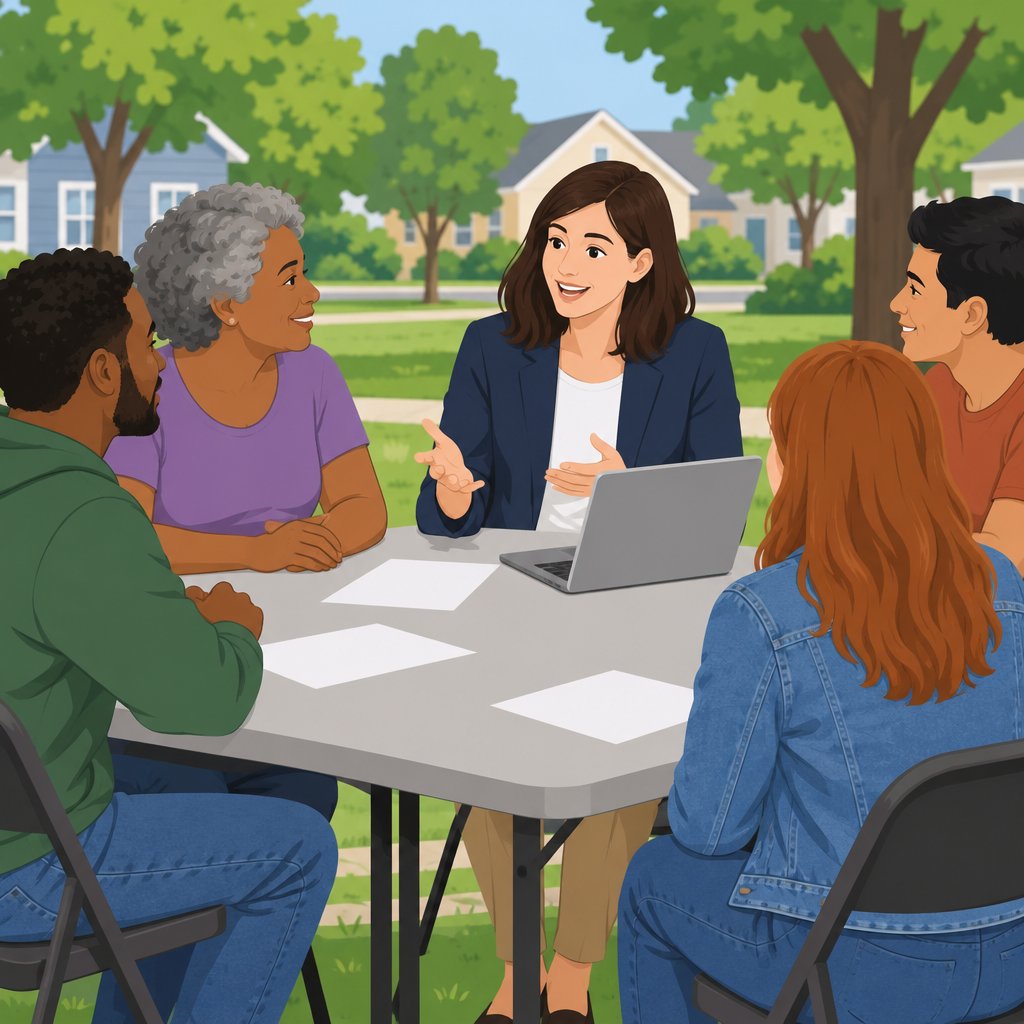
Strong communication skills help Community Outreach Coordinators connect with people from diverse backgrounds.
They use clear messages to build trust, encourage participation, and support community engagement.
Therefore, intentional practice strengthens written, verbal, listening, and digital communication abilities.
- Improve written and verbal communication skills for engaging diverse communities effectively.
- Practice active listening and empathy to build rapport with community members.
- Communicate effectively through social media, newsletters, and public speaking.
Written and Verbal Communication Skills
Clear and concise messages help community members understand important information.
Practice writing emails, reports, and other documents to improve clarity and accuracy.
Additionally, monitor your tone, pitch, and volume during conversations.
Transform Your Career Today
Unlock a personalized career strategy that drives real results. Get tailored advice and a roadmap designed just for you.
Start NowActive Listening and Empathy
Active listening helps coordinators build trust and rapport with community members.
Listen carefully without interrupting or imposing your personal opinions.
Show empathy by acknowledging each person’s perspectives and emotions.
Communication Across Different Mediums
Community Outreach Coordinators communicate through social media, newsletters, and public speaking engagements.
Tailor every message to the audience and communication channel.
For example, create engaging posts, informative newsletters, and impactful presentations.
By strengthening these skills, you can connect more effectively with diverse communities.
You Might Also Like: Mental Health Technician Certification Guide
Building a Professional Network
- Connect with other professionals in community outreach.
- Attend networking events, conferences, and workshops to learn from experts.
- Join professional organizations or associations related to community outreach.
Building a strong network is essential for success as a community outreach coordinator.
By connecting with other professionals, you can learn from their experiences.
You can also gain valuable insights and stay updated on industry trends.
Networking events, conferences, and workshops provide excellent opportunities to meet new people.
They also allow you to exchange ideas, collaborate on projects, and seek mentorship from experts.
Additionally, professional organizations can support your career development.
These groups offer networking opportunities, professional development, and resources that strengthen your skills.
Networking also helps you build connections and discover new opportunities.
These opportunities may include job prospects, partnerships, and collaborations.
Furthermore, networking keeps you connected with developments in community outreach.
You can continuously improve your expertise as a community outreach coordinator.
Uncover the Details: Community Health Workers in Schools and Education
Education and Training for Community Outreach Coordinators
Pursuing a degree in social work, public administration, or a related field builds foundational knowledge for this role.
These programs often cover community engagement, social justice, and advocacy.
Those subjects support effective community outreach work.
- Consider pursuing a degree in social work, public administration, or a related field.
- Take courses or workshops on community development, volunteer management, and grant writing.
- Obtain certifications or licenses that certain positions may require.
Additionally, courses in community development can strengthen practical preparation.
Workshops on volunteer management and grant writing can develop directly applicable skills.
These learning opportunities can also help you understand current trends and practices.
Furthermore, certifications or licenses may enhance your qualifications for certain positions.
Some roles may require credentials in volunteer management, nonprofit leadership, or project management.
Such credentials can demonstrate expertise and commitment to community outreach.
See Related Content: Technologies Used by Community Health Workers
Develop Project Management Skills
As a community outreach coordinator, strong project management skills support successful outreach work.
You will plan, organize, and execute programs and events that engage the community effectively.
These skills also help you manage resources, funding, and program evaluation.
- Learn to plan, organize, and execute community outreach programs and events
- Develop strategies for community engagement and outreach initiatives
- Build skills in budgeting, fundraising, and evaluating program effectiveness
Plan outreach efforts: Break each initiative into smaller tasks and set clear objectives.
Then, create a timeline to stay organized and meet important deadlines.
Organize resources: Develop systems for tracking resources, contacts, and schedules.
Project management software can streamline your workflow and improve organization.
Execute programs and events: Coordinate logistics, recruit volunteers, and oversee outreach activities.
Stay flexible and adapt your plans when unexpected challenges arise.
Develop engagement strategies: Study the needs and interests of your target community.
Transform Your Career Today
Unlock a personalized career strategy that drives real results. Get tailored advice and a roadmap designed just for you.
Start NowNext, tailor outreach efforts and combine online and offline tactics.
Build budgeting skills: Create and manage budgets for outreach programs.
Forecast expenses, track spending, and identify potential funding opportunities.
Strengthen fundraising: Explore grants, crowdfunding, and corporate sponsorships.
Meanwhile, cultivate donor relationships and seek additional funding sources.
Evaluate program effectiveness: Establish systems that monitor outreach results.
Collect participant feedback and track key performance indicators.
Finally, use the findings to make data-driven improvements.
Developing these skills prepares you to lead successful community outreach initiatives.
Your stronger project management abilities can support positive community impact.
Staying Updated on Current Issues
- Stay informed about social, economic, and political issues affecting communities.
- Keep up-to-date on best practices in community outreach and engagement.
- Continuously seek opportunities to learn and grow in the field.
As a Community Outreach Coordinator, staying informed strengthens your service to the communities you support.
Understanding current issues helps you tailor outreach efforts to address specific community needs.
Additionally, current knowledge of outreach practices helps you reach community members effectively.
Learning new strategies and methods can improve your initiatives and connect you with a wider audience.
Furthermore, seek professional development opportunities to continue growing in this field.
Attend conferences, workshops, and seminars related to community outreach.
Network with other professionals to expand your knowledge and strengthen your effectiveness.
Consequently, stronger skills can help you make a more significant impact in the communities you serve.
Community Outreach Creates Lasting Social Impact
Community outreach coordinators promote positive change by connecting individuals with resources and services.
They also organize events and programs that encourage community participation.
Additionally, they advocate for marginalized groups and help communities address shared concerns.
This work empowers communities, fosters social inclusion, and supports responses to poverty, education, and healthcare disparities.
People who want to help others can pursue careers in community outreach.
With dedication and commitment, they can create positive change in other people’s lives.
Additional Resources
Google search results for How to Become a Community Outreach Coordinator Social and Human Services
Bing search results for How to Become a Community Outreach Coordinator Social and Human Services


