




Community Health Workers and Digital Care
Community health workers serve as frontline public health workers for underserved populations.
They provide health education and preventive care within their communities.
They also connect individuals with healthcare resources when needed.
Technology Supporting Community Health Work
Technology improves communication, data collection, and health monitoring for community health workers.
Mobile devices and health applications help workers access relevant information quickly.
Consequently, CHWs can make informed decisions and respond efficiently to patient needs.
Mobile Devices and Health Applications
CHWs use smartphones and tablets equipped with health applications.
These tools help workers record patient data and track health outcomes.
Additionally, health applications support communication with healthcare providers.
Telehealth Services and Remote Consultations
Telehealth services help CHWs connect patients with healthcare professionals remotely.
Video conferencing and virtual consultations reduce barriers to accessing care.
Therefore, CHWs can facilitate health assessments without requiring physical presence.
Digital Health Records and Care Coordination
Digital health records allow CHWs to store and retrieve patient information securely.
They support continuity of care and accurate tracking of health trends.
Moreover, these records improve coordination and encourage personalized care.
Online Training and Public Health Resources
CHWs can access online training modules, webinars, and public health resources.
These platforms provide interactive learning opportunities and current healthcare information.
As a result, online learning helps CHWs strengthen their skills and knowledge.
Technology Strengthening Community Care
Technology helps CHWs work more efficiently and communicate more effectively.
It also expands access to healthcare services for individuals and communities.
By using these tools, CHWs can support community well-being more effectively.
Mobile Applications for Data Management
Mobile applications help community health workers collect and manage patient data efficiently.
These tools support accurate records, health trend tracking, and treatment outcome monitoring.
Additionally, direct data entry streamlines workflows and supports timely information collection.
Telemedicine Tools for Remote Consultations
Telemedicine tools connect community health workers with healthcare professionals remotely.
Through video calls and messaging, workers can request guidance and share patient information.
Consequently, remote consultations connect communities with healthcare facilities and specialist support.
Wearable Devices for Health Monitoring
Wearable devices, including smartwatches and fitness trackers, monitor vital signs and health indicators.
Workers can track physical activity, heart rate, sleep patterns, and other health metrics.
By reviewing this information, they can identify trends, respond to abnormalities, and support personalized care plans.
Technology’s Role in Community Health
These technologies expand community health workers’ capacity to support patients.
They can improve healthcare access, encourage preventive measures, and strengthen patient monitoring.
Together, these tools help workers promote better health outcomes for individuals and communities.
Technology Benefits for Community Health Workers
Technology helps community health workers deliver more efficient and coordinated healthcare services.
These tools support accurate information handling, timely communication, and consistent patient follow-up.
As a result, community health workers can strengthen care quality within their communities.
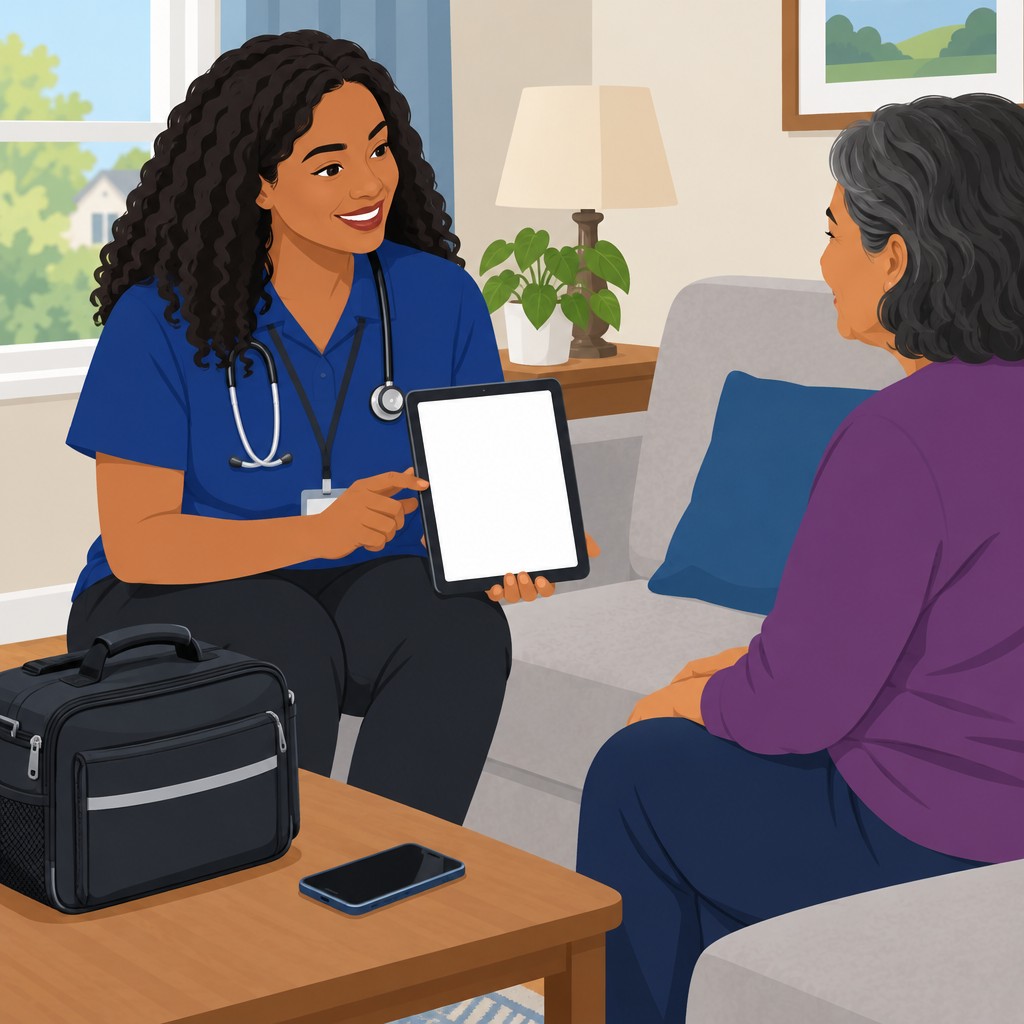
Improved Efficiency in Data Collection and Reporting
Digital systems streamline how community health workers capture and document information.
Workers can enter information directly into digital systems, reducing potential errors.
Real-time collection supports faster analysis and more timely decision-making.
Moreover, automated reporting saves time and resources for workers and organizations.
Transform Your Career Today
Unlock a personalized career strategy that drives real results. Get tailored advice and a roadmap designed just for you.
Start NowEnhanced Communication Between Community Health Workers and Healthcare Providers
Technology creates secure and efficient communication channels between workers and healthcare providers.
Instant messaging, video calls, and teleconferencing support quick consultations.
Healthcare professionals can provide guidance and support remotely when workers need assistance.
Additionally, electronic medical records improve collaboration and continuity of care.
Better Tracking of Patient Progress and Outcomes
Digital tools help workers monitor health metrics and treatment adherence.
Tracking systems can alert workers about missed appointments or medication doses.
Data analysis can reveal trends and patterns in patient outcomes.
Therefore, workers can adjust interventions using current progress information.
Stronger Community Healthcare Delivery
Technology helps workers provide higher quality care and support patient engagement.
These capabilities also encourage more personalized care planning.
By embracing suitable tools, workers can make a greater impact on community health outcomes.
Explore Further: The Importance of Self-Care for Domestic Violence Counselors
Challenges in Implementing Technology for Community Health Workers
Technology implementation can create practical challenges for community health workers.
These barriers can affect daily work in underserved communities.
Organizations must address access, training, security, connectivity, cost, adoption, integration, and long-term engagement.
- Limited technology access affects community health workers in remote or low-resource areas.
- Many community health workers lack the training and technical support needed to use technology effectively.
- Healthcare settings require protocols that protect patient data and privacy.
- Poor internet connectivity can hinder technology use in rural communities.
- Budget constraints can make technology implementation and maintenance difficult for organizations.
- Some community health workers and healthcare providers may resist adopting unfamiliar technologies.
- Organizations may find it complex and time-consuming to integrate technology with existing healthcare systems.
- Organizations must sustain community health workers’ engagement and motivation for technology use over time.
Explore Further: Creating a Volunteer Orientation Program
Successful Technology Implementation for Community Health Workers
Several initiatives have used technology to strengthen community health worker programs.
These examples show how digital tools can support communication, reporting, training, and care coordination.
Together, these approaches help organizations serve underserved communities more effectively.
- Last Mile Health equips community health workers in Liberia with smartphones containing apps for patient tracking, supervisor communication, and training access.
- Medic Mobile provides mobile health tools that help community health workers collect information, receive alerts, and communicate with healthcare providers.
- BRAC in Bangladesh uses tablets to record maternal and child health indicators, helping supervisors make faster, more accurate decisions.
Technology’s Impact on Community Health Worker Effectiveness
These initiatives demonstrate several ways technology can improve community health worker performance.
Digital tools also help organizations coordinate services and monitor program activities.
As a result, community health workers can respond more consistently to community health needs.
- Technology improves communication among community health workers, supervisors, patients, and healthcare providers.
- Digital tools streamline data collection, storage, and transmission for stronger program monitoring.
- Mobile platforms expand access to training materials, guidelines, and healthcare protocols.
- Real-time information supports informed decisions and more timely, targeted interventions.
- SMS reminders, teleconsultations, and education modules can strengthen patient engagement and treatment adherence.
Technology can therefore improve community health worker efficiency, productivity, and service quality.
Continued innovation may create further opportunities to improve health and well-being worldwide.
Delve into the Subject: What Does a Family Support Worker Do?
Technology-Supported Field Care
Mobile applications give community health workers quick access to educational resources.
They also help workers record patient information and communicate with healthcare providers.
These functions support organized care during community-based health activities.
Monitoring and Clinical Collaboration
Wearable devices help community health workers monitor vital signs during patient care.
Remote monitoring can reveal health risks early and support preventive interventions.
Telemedicine platforms let workers consult physicians in real time when patients need additional guidance.
Requirements for Technology Adoption
Organizations must consider costs when they introduce technology into community health programs.
Reliable connectivity and practical training also influence whether workers can use these tools effectively.
Strong privacy protections help maintain patient confidentiality and preserve trust.
Emerging Tools for Community Health Workers
Artificial intelligence may offer new support for community health workers.
Virtual reality and tele-education may expand learning opportunities for workers.
These technologies could strengthen preparation and support for community-based care.
Sustaining Technology-Enabled Public Health
Continued investment can help community health workers use digital tools effectively.
Ongoing training can improve service delivery and support better patient outcomes.
These efforts can help address healthcare disparities and strengthen public health programs.
Transform Your Career Today
Unlock a personalized career strategy that drives real results. Get tailored advice and a roadmap designed just for you.
Start NowAdditional Resources
Google search results for Technologies Used by Community Health Workers Social and Human Services
Bing search results for Technologies Used by Community Health Workers Social and Human Services


