




Community Health Workers in Schools
Community health workers play a crucial role in schools and education.
Their presence in educational settings supports students and the wider school community.
They bring valuable benefits to students, teachers, families, and schools.
Community health workers (CHWs) are vital members of school communities, providing essential support and resources to students, teachers, and families.
They promote health and wellness, address social determinants of health, and connect people with needed services and resources.
CHWs help create healthy environments that support learning and academic success.
By working in schools, CHWs can identify health issues early and provide health education.
They also facilitate access to care for students who might otherwise go without it.
Additionally, they serve as liaisons among families, schools, and healthcare providers.
This collaboration helps students receive support for academic and personal growth.
Their presence also helps remove barriers to learning rooted in social, economic, and environmental factors.
For example, CHWs can address food insecurity, limited healthcare access, and mental health challenges.
These issues can affect student well-being and academic performance.
By addressing these concerns proactively, CHWs help create healthier and more supportive schools.
Therefore, their work supports student health, well-being, and academic success.
CHWs collaborate with schools, families, and communities to build comprehensive support systems.
These systems nurture student growth and development.
Community Health Workers in Schools
Community health workers promote health and wellness among students in schools.
They often earn trust as community members who understand student needs and challenges.
Their work supports student well-being through education, guidance, and connections to helpful resources.
Connection to Healthcare Systems
Community health workers connect communities with healthcare systems.
They provide education, support, and resources that help people improve their health outcomes.
Because they understand local concerns, they can help students access appropriate assistance.
Health Support for Students
In schools, these workers address health issues that affect students.
They may conduct health screenings and teach students about healthy habits.
They also connect students with resources that provide further support.
Diverse Professional Backgrounds
Community health workers bring experience from social work, nursing, and public health.
Their varied backgrounds give them different skills for supporting students.
Together, these skills help them respond to student needs in several ways.
Cultural Competency in Student Support
Cultural competency helps workers serve students from diverse backgrounds effectively.
They must understand and respect community beliefs and practices.
This respect strengthens their ability to promote health and wellness.
Health Challenges Affecting Students
Students face health challenges that can affect their well-being.
These challenges can also influence academic performance.
Schools can address these concerns through education, support, and early intervention.
- Mental health issues include anxiety and depression.
- Poor diet choices can contribute to nutritional deficiencies.
- Limited physical activity can contribute to obesity.
- Bullying and peer pressure create significant social challenges.
Community health workers help schools respond to these student health needs.
They provide practical guidance while connecting students with appropriate support.
Additionally, their services encourage healthier choices and stronger social support.
- They provide information about healthy lifestyle choices.
- They offer counseling services for mental health concerns.
- They organize health screenings and student assessments.
- They facilitate support groups for students facing social challenges.
Research on School-Based Community Health Workers
Research indicates that community health workers can improve student health outcomes.
Several studies connect their school-based support with attendance and healthier behaviors.
Transform Your Career Today
Unlock a personalized career strategy that drives real results. Get tailored advice and a roadmap designed just for you.
Start NowThe findings also suggest benefits from structured health education and student assistance.
- Journal of School Health research found fewer illness-related absences in schools employing community health workers.
- CDC research linked community health worker-led health education with lower student obesity rates.
- National Association of Community Health Centers analysis found supported students more likely to practice healthy behaviors.
These findings support integrating community health workers into school settings.
Early support can help students develop healthier habits.
Consequently, students may receive support for both academic and personal growth.
Discover More: Technologies Used by Community Health Workers
Collaborating with School Staff and Faculty
Community health workers bridge healthcare services and schools.
They collaborate with teachers, counselors, and other school staff.
This collaboration promotes student well-being and improves access to needed resources.
Ways Community Health Workers Can Collaborate with School Personnel
Community health workers can support school personnel through education, coordination, and direct participation.
They can share relevant health information with teachers through workshops and training sessions.
They can also coordinate with counselors, families, and school teams to address student health concerns.
- Provide workshops and training sessions for teachers on relevant health topics
- Work with school counselors to identify students who may need additional support
- Assist with school-wide health initiatives
- Participate in parent-teacher conferences about health concerns
The Importance of Communication and Teamwork
Effective communication helps community health workers and school staff coordinate their efforts.
Teamwork allows them to recognize student needs and organize appropriate support.
As a result, students can receive the assistance they need to succeed.
Examples of Successful Collaborations
Community health workers and school personnel have created collaborations that support student well-being.
One partnership connected a community health organization with a local elementary school.
The partners provided nutrition education and resources to students and families.
This collaboration improved student health outcomes and increased parent engagement in school activities.
Another collaboration paired a community health worker with a high school counselor.
Together, they supported students struggling with mental health issues.
They identified students who needed support and connected them with appropriate resources.
They also provided ongoing assistance to support student well-being.
These partnerships help schools address diverse student health needs.
By combining their strengths, community health workers and school staff can create supportive learning environments.
Explore Further: The Importance of Self-Care for Domestic Violence Counselors
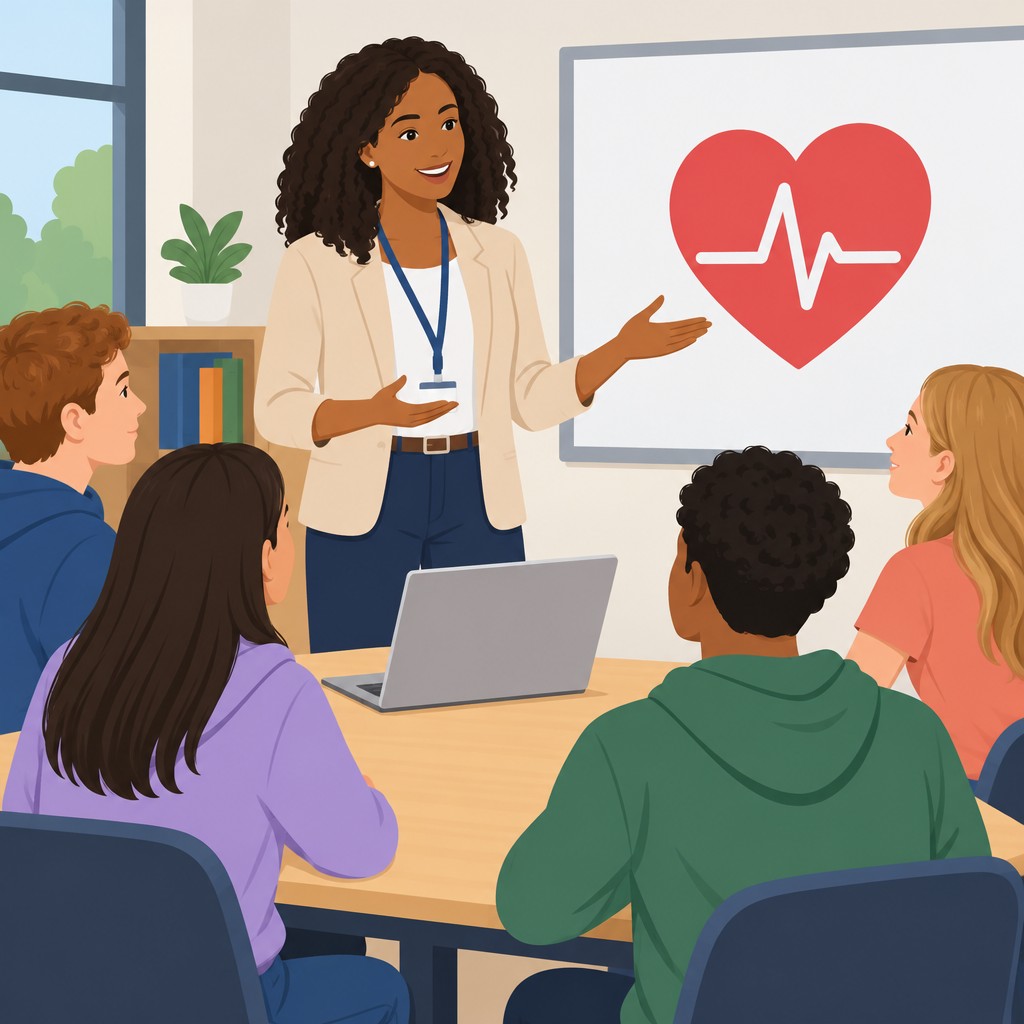
Providing Health Education and Resources
- Role of Community Health Workers: Community health workers provide health education on nutrition, physical activity, mental health, and sexual health.
They connect students, families, and healthcare providers with accurate and relevant health information. - Importance of Promoting Healthy Habits and Prevention Strategies: By promoting healthy habits and prevention strategies, community health workers help students develop lifelong health skills.
These skills help students make informed decisions about their health.
Consequently, students can improve health outcomes and reduce chronic disease risks.
They also address health disparities and promote health equity.
Furthermore, they provide culturally sensitive education for students from diverse backgrounds. - Resources and Tools for Community Health Workers: Community health workers use educational materials, workshops, webinars, and interactive activities.
They collaborate with healthcare providers, school staff, and community organizations.
These partnerships connect students with healthcare services, screenings, and additional support.
Additionally, technology helps them expand health education.
They use digital platforms, apps, and social media to share current health information.
Find Out More: Creating a Volunteer Orientation Program
Community Health Workers in Schools and Education
Community health workers support students’ mental health and emotional well-being.
They connect students, families, and healthcare systems with helpful resources.
These efforts help students manage challenges and thrive in school.
Roles Supporting Student Mental Health
Community health workers help students access mental health resources and support.
They also provide counseling and guidance when students face mental health concerns.
Additionally, they create safe spaces where students can discuss concerns and seek help.
- Community health workers provide students with access to mental health resources and support.
- They offer counseling and guidance to students who may face mental health issues.
- They create supportive environments where students can discuss concerns and seek help.
Strategies for Recognizing and Addressing Mental Health Concerns
Regular check-ins help staff monitor student well-being.
Teachers and staff can learn to recognize signs of mental health concerns.
Mental health education can increase awareness and reduce stigma among students.
- Schools can establish regular check-ins to monitor student well-being and identify warning signs.
- Training helps teachers and staff recognize concerns and refer students to appropriate resources.
- Mental health education programs raise awareness and reduce stigma surrounding mental health.
Benefits of Destigmatizing Mental Health Issues
Reducing stigma makes it easier for students to seek help.
Support helps students build resilience and develop coping skills.
Early attention may prevent mental health concerns from becoming more serious.
- Destigmatizing mental health encourages students to seek help without fear of judgment or shame.
- Support helps students build resilience and coping skills for the future.
- Addressing concerns early can prevent more serious issues from developing later.
Community health workers strengthen school environments by supporting student mental health and emotional well-being.
Their resources and guidance help create positive, nurturing settings where students can thrive.
Transform Your Career Today
Unlock a personalized career strategy that drives real results. Get tailored advice and a roadmap designed just for you.
Start NowDelve into the Subject: What Does a Family Support Worker Do?
Engaging Families and Communities
Community health workers connect schools, families, and communities.
They help create supportive conditions that promote student health and wellness.
Through regular engagement, they extend health support beyond school buildings.
Ways Community Health Workers Engage Families and Communities
They can organize workshops about nutrition, physical activity, and mental health.
They can also collaborate with community organizations to support families facing needs.
Additionally, they can offer personal guidance for specific health concerns.
- Community health workers can organize family workshops about nutrition and physical activity.
- They can include mental health topics in family information sessions.
- They can collaborate with local organizations to provide family resources.
- They can create newsletters about health events and community initiatives.
- They can provide individual counseling for families managing health concerns.
Building Trust With Families
Trust helps families build a supportive network around student health.
When families trust health workers, they more readily seek guidance for their children.
Furthermore, rapport encourages communication, collaboration, and commitment to health recommendations.
- Trust helps families support positive health outcomes for their children.
- Families may seek guidance when they trust community health workers.
- Strong rapport can improve communication between families and health workers.
- Clear communication can strengthen cooperation around health recommendations.
- Community health workers can empower families to support student health actively.
Bridging School and Home Environments
Community health workers can connect school health efforts with family involvement.
They can involve students and families in shared wellness activities.
They can also connect families with services that address health-related challenges.
- They can organize health fairs with educational activities for students and families.
- They can involve families in school health promotion efforts.
- They can refer families to community services and helpful resources.
- They can conduct home visits to assess environmental health factors.
These connections create a broader support system for students and families.
Family and community involvement can strengthen health support beyond school walls.
Consequently, community health workers can help promote wellness throughout the school community.
Advancing Student Health Through School Partnerships
Community health workers strengthen school health by guiding students toward education and support.
They also connect school systems with community resources while addressing health disparities.
Consequently, students can access support that helps them thrive academically and personally.
Integrating these professionals encourages schools to recognize health as an important part of learning.
Furthermore, their involvement supports a holistic educational environment that values student well-being.
Local advocates should support their integration to advance health equity and address diverse student needs.
Schools, communities, and health workers can therefore build inclusive environments that prioritize every student’s well-being.
Additional Resources
Bing search results for Community Health Workers in Schools and Education Social and Human Services


