




Importance of Pest Control
Pest control methods protect crops and buildings from pest damage.
Pests can damage crops and buildings.
Pest control manages and eliminates pests to prevent agricultural and property losses.
Chemical Pest Control Methods
- Chemical pesticides are synthetic substances used to kill or control pests.
- They remain popular because they act quickly and control pests effectively.
- However, chemical pesticides can harm the environment, especially soil and water.
- When sprayed, these chemicals can leach into soil and contaminate groundwater.
- Additionally, agricultural runoff can carry pesticides into nearby water bodies and affect aquatic life.
Environmental Effects on Soil and Water
- Chemical pesticides can disrupt soil ecosystems by killing beneficial organisms.
- Consequently, this loss can reduce soil fertility and overall soil health over time.
- When pesticides seep into groundwater, they can contaminate drinking water sources and threaten human health.
- Additionally, these chemicals can accumulate in aquatic environments and affect fish, amphibians, and other aquatic organisms.
- Because some chemicals persist, they can cause cumulative environmental damage over time.
Health Concerns for Humans and Animals
- Exposure to chemical pesticides can cause acute and chronic health effects in humans.
- Short-term exposure can cause dizziness, nausea, skin rashes, and respiratory issues.
- Meanwhile, long-term exposure to low pesticide levels has links to serious conditions, including cancer.
- Children and pregnant women face particular vulnerability to harmful pesticide effects.
- Animals that contact these chemicals can experience similar health problems.
Biological Pest Control Methods
Biological pest control uses naturally occurring substances and beneficial organisms.
These methods target pests while preserving beneficial insects and surrounding organisms.
They offer an eco-friendly approach with limited environmental effects.
- Description of biological pesticides and their benefits
- Examples of beneficial insects used for pest control
- Minimal environmental impact of biological pest control methods
Biological Pesticides and Their Benefits
Biological pesticides come from animals, plants, bacteria, or minerals.
They target specific pests without harming beneficial insects or other organisms.
These products interfere with pest growth or reproduction.
As a result, they can eliminate targeted pests.
They provide an eco-friendly alternative to chemical pesticides.
These pesticides break down quickly after application.
This reduces contamination risks for soil, water, and air.
They also support balance between pests and natural predators.
This balance encourages sustainable pest control solutions.
Beneficial Insects Used for Pest Control
Farmers and gardeners use beneficial insects as natural pest control agents.
Ladybugs feed on aphids, mites, and other soft-bodied insects.
These pests can damage crops.
Parasitic wasps lay eggs inside pest insects.
The developing offspring eventually kill those pests.
Lacewing larvae consume aphids, mites, and other pests.
Predatory mites feed on spider mites, thrips, and whiteflies.
Therefore, these insects help protect crops without chemical interventions.
These organisms also help maintain healthy ecosystems by controlling pest populations.
Environmental Impact of Biological Pest Control
Biological methods generally affect fewer surrounding organisms than chemical alternatives.
Their target specificity helps protect beneficial insects, animals, and plants.
They also preserve natural predator-prey relationships and support biodiversity.
Furthermore, these methods reduce pesticide residues in soil, water bodies, and air.
This approach promotes sustainable agriculture and supports human health.
See Related Content: Dairy Science Certifications and Licensing
Mechanical Pest Control Methods
Mechanical methods use physical barriers, traps, and devices to manage pest infestations.
These methods control pests without relying on chemical pesticides.
They help manage pests through capture, exclusion, or deterrence.
Mechanical Devices Used for Pest Control
Several mechanical devices can capture, block, or deter pests.
Users can select devices according to the pest and affected area.
Common options include traps, barriers, and electronic devices.
- Traps capture or kill rodents, insects, and small animals.
- Barriers such as nets, screens, and fences block pests from entering areas.
- Electronic devices emit sound waves or vibrations that deter pests from nesting or feeding.
Advantages of Physical Barriers and Traps
Physical barriers and traps offer alternatives to chemical pest control methods.
They can focus control on particular pest species.
These methods also help reduce effects on non-target organisms.
- Mechanical methods avoid harmful chemicals that may affect the environment, wildlife, or people.
- Targeted traps and barriers can limit effects on beneficial insects and natural predators.
- Mechanical methods provide alternatives that help prevent resistance to chemical pesticides.
Disposal and Recycling of Mechanical Devices
Proper disposal and recycling help prevent pollution from mechanical pest control devices.
Transform Your Career Today
Unlock a personalized career strategy that drives real results. Get tailored advice and a roadmap designed just for you.
Start NowRegular maintenance keeps traps effective and reduces unintended harm to non-target species.
Responsible handling also supports sustainable pest management practices.
- Inspect and maintain traps regularly to preserve their efficiency.
- Repair or replace worn traps to maintain effective control.
- Follow local waste management guidelines when disposing of devices.
- Recycle suitable traps and barriers to reduce waste.
Uncover the Details: Key Differences Between Vet Tech and Vet Nurse
Cultural Pest Control Methods
Cultural pest control changes farm conditions to reduce pest populations naturally.
These practices support pest management through planned crop choices and field management.
Farmers can also reduce pesticide reliance by combining suitable cultural approaches.
Definition of Cultural Pest Control Practices
Cultural pest control involves using practices that alter the environment.
These environmental changes make conditions less suitable for pests.
As a result, pests may decline through natural management processes.
Benefits of Crop Rotation and Intercropping
Crop rotation disrupts pest life cycles and helps reduce pest populations naturally.
Intercropping creates a diverse ecosystem that makes it harder for pests to thrive.
Together, these practices support pest management through greater crop diversity.
- Crop rotation disrupts pest life cycles and reduces their populations naturally.
- Intercropping creates a diverse ecosystem that makes it difficult for pests to thrive.
Sustainable Farming Practices That Reduce Pesticide Reliance
Integrated Pest Management combines cultural, biological, and chemical methods strategically.
Cover cropping improves soil health and helps reduce pest presence.
Therefore, these sustainable practices can minimize the need for pesticides.
- Integrated Pest Management combines cultural, biological, and chemical methods strategically.
- Cover cropping improves soil health, reduces pests, and minimizes pesticide use.
Learn More: Plant Pathologists and Crop Improvement Programs
Integrated Pest Management
Integrated pest management, or IPM, provides an eco-friendly approach to controlling pests.
It emphasizes long-term prevention instead of depending only on chemical pesticides.
Furthermore, IPM combines several control methods to manage pests responsibly.
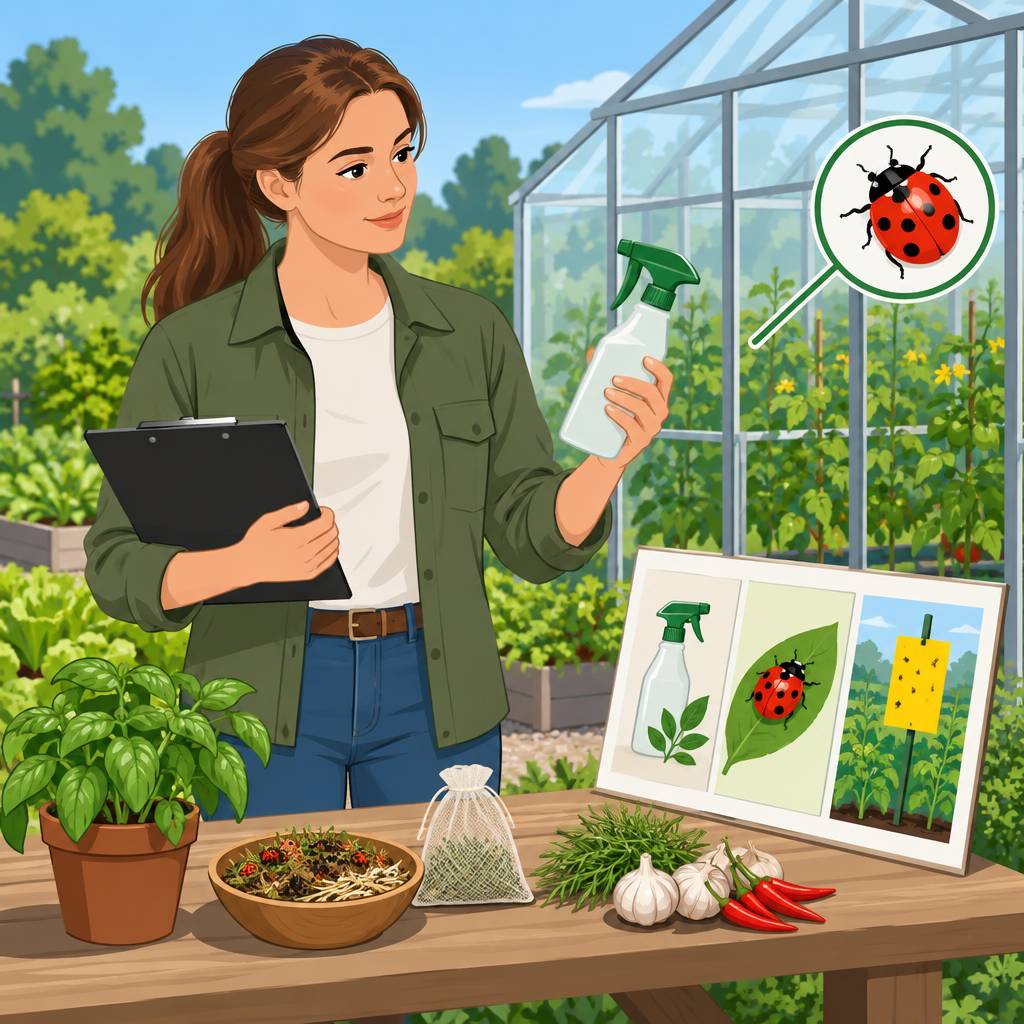
How IPM Manages Pests
IPM integrates biological, cultural, physical, and chemical methods.
Practitioners monitor pest activity before choosing an appropriate control method.
This process reduces economic, health, and environmental risks associated with pests.
- Monitoring involves regular inspections for pests and related damage.
- Cultural controls modify environments to make them less suitable for pests.
- Mechanical controls use physical barriers or traps to prevent infestations.
- Biological controls use natural predators or parasites to reduce pest populations.
- Chemical controls use necessary pesticides as a last resort.
Environmental Benefits of IPM
IPM reduces environmental impacts by targeting pest problems carefully.
Moreover, it limits chemical use while preserving natural predators and beneficial insects.
These practices also reduce unnecessary exposure to harmful chemicals.
- Reduced pesticide use limits water and air contamination.
- Preserving natural predators supports biodiversity.
- Rotating control methods helps prevent pesticide resistance.
- Lower chemical exposure supports human health.
- Targeted treatments save energy and resources compared with blanket applications.
Learn More: Livestock Housing and Facility Management
Organic Pest Control Methods
-
Organic pest control uses natural substances and biological techniques to manage pests.
Certification requires these methods to follow standards established by organic farming organizations.
-
Natural predators, including ladybugs, lacewings, and predatory mites, can control pests.
Meanwhile, botanicals such as neem oil, garlic, and chili peppers can repel or eradicate pests.
Essential oils, including peppermint and cedarwood, can act as natural insecticides.
-
These methods support soil health and biodiversity.
Unlike chemical pesticides, they do not harm beneficial soil organisms and microorganisms.
Furthermore, they preserve the ecosystem’s natural balance.
Healthy soil enables plants to develop stronger immune systems and resist infestations naturally.
Introduction to Eco-Friendly Pest Control Options
Many people choose eco-friendly pest control to reduce environmental and health impacts.
These products target pests while limiting harm to other organisms and surrounding environments.
Therefore, non-toxic and biodegradable options can support pest management in homes and gardens.
Examples of Non-Toxic and Biodegradable Pest Control Products
Several eco-friendly products and approaches can help manage pest populations.
For example, natural substances can affect pests without relying on conventional chemical treatments.
Additionally, beneficial insects can provide natural support in gardens.
- Diatomaceous earth comes from fossilized diatoms and dehydrates insects and other pests.
- Neem oil comes from neem tree seeds and affects pest feeding and reproduction.
- Botanical insecticides use plant extracts, such as pyrethrum, to control pests.
- Beneficial insects, including ladybugs and lacewings, can naturally reduce pest populations.
Environmental and Health Benefits of Eco-Friendly Products
Eco-friendly pest control can reduce exposure to harmful substances in homes, gardens, soil, and water.
Moreover, targeted methods can help preserve beneficial insects, birds, and other organisms.
Many biodegradable products also break down naturally without leaving harmful residues.
- Reduced chemical exposure limits contact with substances that may harm human health.
- Preserving beneficial organisms helps maintain balance within the surrounding ecosystem.
- Biodegradable products break down naturally without contaminating soil or water.
- Sustainable practices reduce reliance on synthetic chemicals and promote natural solutions.
Environmental Stewardship in Pest Control
Each pest control method creates distinct environmental effects.
Chemical pesticides can harm beneficial insects and pollute water sources.
Biological controls may disrupt ecosystems when people manage them improperly.
Physical controls, including traps and barriers, generally reduce environmental harm.
However, physical controls may provide limited effectiveness during large infestations.
Transform Your Career Today
Unlock a personalized career strategy that drives real results. Get tailored advice and a roadmap designed just for you.
Start NowTherefore, individuals and businesses should prioritize sustainable pest control options.
These choices can minimize environmental damage during pest management.
They also help protect biodiversity, water quality, and ecosystem health.
Additionally, everyone can support environmentally friendly pest control practices.
People can learn about available methods before selecting pest management approaches.
Businesses can support companies that prioritize sustainability.
Citizens can also advocate for policies that encourage environmentally friendly pest management.
Ultimately, environmentally friendly pest control reflects our responsibility to protect future generations.
This responsibility extends beyond pest management.
By choosing carefully, we can reduce environmental harm through responsible pest management.
Additional Resources
Google search results for Environmental Impact of Pest Control Methods Agricultural
Bing search results for Environmental Impact of Pest Control Methods Agricultural


