




Veterinary Technology and Nursing Roles
Veterinary technicians and veterinary nurses support veterinarians while caring for animals.
Both professions contribute to clinical care, treatment, and communication within veterinary teams.
Understanding their responsibilities helps clarify how each role supports animal health.
Veterinary Technician Responsibilities
Veterinary technicians assist veterinarians with clinical procedures and provide nursing care to animals.
They take X-rays, collect samples, and administer medications.
Therefore, technicians support veterinarians during various aspects of animal care.
Veterinary Nurse Responsibilities
Veterinary nurses work closely with veterinarians to provide medical care and treatment to animals.
They monitor patients, prepare surgery rooms, and educate pet owners.
As a result, veterinary nurses contribute to patient care and owner communication.
Why Understanding These Roles Matters
Understanding the differences helps people determine appropriate care for animals.
It also supports clear communication and coordination among veterinary team members.
Finally, recognizing these roles helps individuals choose careers matching their interests and skills.
Education Requirements for Veterinary Technicians
Veterinary technicians typically need a two-year associate degree from an accredited program.
The coursework includes anatomy, physiology, medical terminology, and hands-on clinical experience.
Some programs also offer bachelor’s degrees or advanced degrees for further education.
Degree Options for Veterinary Technicians
An associate degree in veterinary technology remains the most common requirement for veterinary technicians.
Some universities and colleges also offer bachelor’s degrees in veterinary technology or related fields.
Advanced degrees, including master’s and doctorate degrees, support specialized knowledge.
Licensing and Certification for Veterinary Technicians
After completing their education, veterinary technicians must pass the Veterinary Technician National Exam.
Some states also require technicians to pass a state exam or complete continuing education credits.
After passing the required exams, technicians can become licensed or certified in their state.
Vet techs and vet nurses often share responsibilities, but their training and credentials can differ.
These differences affect education pathways, degree choices, and professional certification.
The following sections explain the main requirements associated with veterinary nursing.
Education Requirements for Vet Nurses
Vet nurses typically complete a diploma or associate degree program in veterinary technology.
These programs introduce animal anatomy, medical terminology, pharmacology, and related clinical subjects.
Additionally, students gain practical experience through supervised training in clinical settings.
- Vet nurses may complete a diploma or associate degree in veterinary technology.
- The curriculum covers animal anatomy, medical terminology, and pharmacology.
- Clinical training gives students practical experience caring for animals.
- Some nurses pursue certifications in anesthesia or dentistry.
Degree Options for Vet Nurses
An associate degree remains a common educational pathway for vet nurses.
However, some professionals continue their studies through bachelor’s degree programs.
Furthermore, graduate education can support advancement in veterinary nursing or animal health management.
- Associate degree programs commonly require two years of study.
- Some vet nurses pursue bachelor’s degrees in veterinary technology or related fields.
- Graduate degrees can prepare nurses for advanced career opportunities.
- Continuing education helps nurses maintain current professional knowledge and credentials.
Licensing and Certification for Vet Nurses
After completing an approved education program, vet nurses must pass the Veterinary Technician National Exam.
Passing this examination allows candidates to pursue certification through the applicable professional process.
In addition, some states require a separate license before professionals practice veterinary nursing.
- Vet nurses take the Veterinary Technician National Exam after completing their education.
- Some states require vet nurses to obtain a state license.
- Continuing education helps professionals maintain certification and current knowledge.
You Might Also Like: Plant Pathologists and Crop Improvement Programs
Veterinary technicians, commonly called vet techs, play an important role in veterinary medicine.
They assist veterinarians with medical care while supporting animal health and well-being.
Job Responsibilities of Veterinary Technicians
Vet techs support veterinarians during examinations, treatments, surgeries, and routine patient care.
They also handle diagnostic, nursing, and medication-related duties under veterinary supervision.
Additionally, their work helps veterinary teams deliver organized and consistent care.
- Vet techs perform diagnostic tests, including blood work and urinalysis.
- They assist during surgeries by monitoring anesthesia and preparing surgical instruments.
- They administer medications and vaccines under a veterinarian’s supervision.
- They provide nursing care, including feeding and grooming hospitalized animals.
- They conduct physical examinations and record patient histories.
Typical Tasks and Duties
Vet techs complete practical tasks that support diagnosis, treatment, and recovery.
Transform Your Career Today
Unlock a personalized career strategy that drives real results. Get tailored advice and a roadmap designed just for you.
Start NowThey prepare patients, equipment, and samples before veterinarians begin procedures.
Furthermore, they provide direct care and explain important health topics to pet owners.
- Vet techs collect and analyze samples for laboratory testing.
- They prepare animals for procedures and surgeries.
- They assist with dental cleanings, wound care, and other medical procedures.
- They provide emergency care for injured or ill animals.
- They educate pet owners about nutrition and parasite control.
Differences Between Vet Tech and Vet Nurse Roles
Vet techs and vet nurses perform similar tasks, but their professional scopes can differ.
Vet techs commonly practice in the United States, while vet nurses are more common in the United Kingdom.
Other countries may use different titles, training pathways, and credentialing requirements.
Vet techs often focus on medical procedures, medications, and nursing care.
Vet nurses may have broader duties involving patient assessment and anesthesia monitoring.
They may also assist with surgical procedures as part of the veterinary team.
Both professionals work closely with veterinarians to support animal health and well-being.
See Related Content: Livestock Housing and Facility Management
Job Responsibilities of Vet Nurses
Vet nurses assist veterinarians while providing medical care to animals.
They administer medications and monitor patients during recovery.
Additionally, vet nurses communicate with pet owners and answer their questions.
They educate owners about proper animal care and treatment requirements.
Vet nurses also maintain clean and safe environments for animals.
They may assist with surgery, prepare equipment, and handle laboratory specimens.
In some clinics, vet nurses schedule appointments and manage client records.
Typical Tasks and Duties of Vet Nurses
Vet nurses administer treatments under a veterinarian’s supervision.
They provide post-operative care and monitor each patient’s recovery.
Furthermore, vet nurses teach owners about animal care, nutrition, and medication administration.
- Vet nurses administer medications and treatments to animals under veterinary supervision.
- They provide post-operative care and monitor patients during recovery.
- Vet nurses educate owners about animal care, nutrition, and medications.
- They prepare surgical equipment and monitor anesthesia during procedures.
- Vet nurses collect and handle laboratory specimens for diagnostic testing.
- They maintain clean and organized clinic or hospital environments.
- Vet nurses schedule appointments, follow treatment plans, and address client concerns.
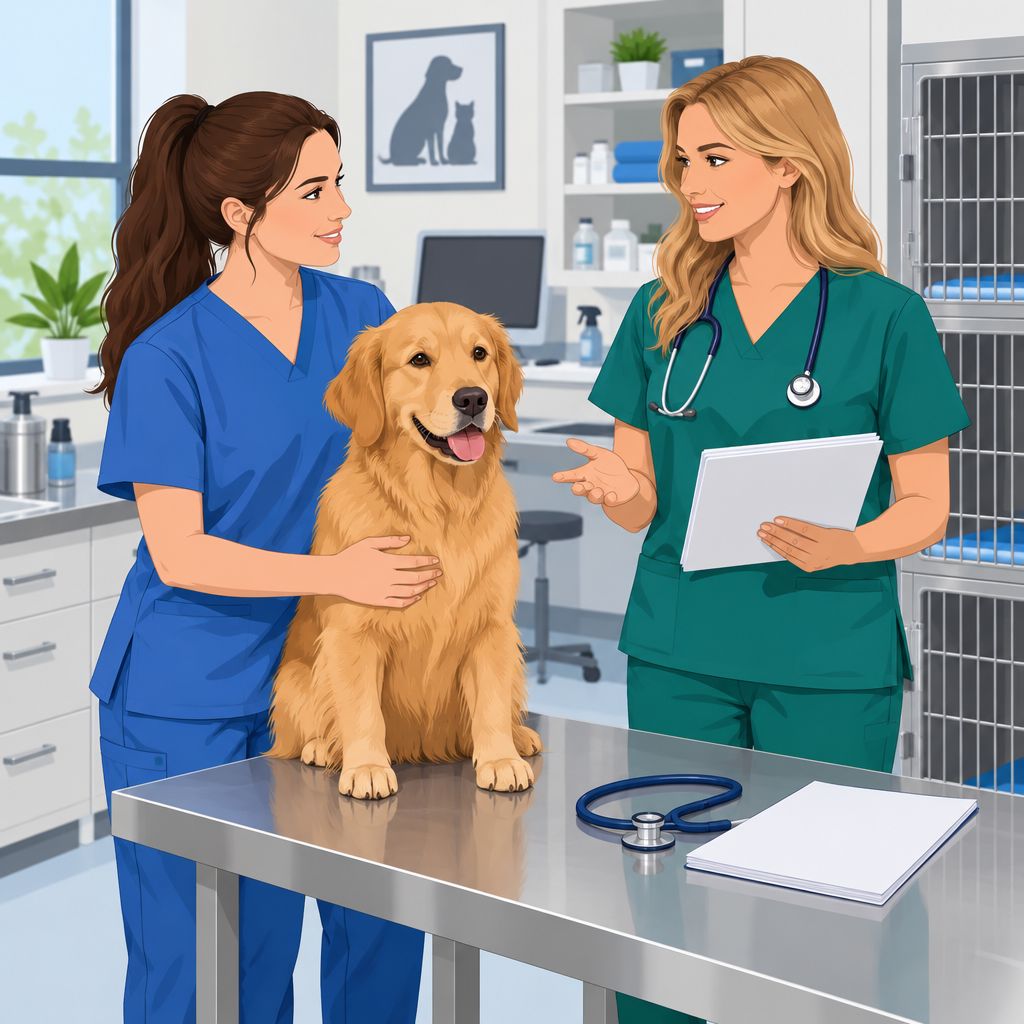
Scope of Practice for Vet Nurses and Vet Techs
Vet nurses typically handle a broader range of responsibilities than vet techs.
For example, vet nurses may provide client education, wound care, and medication administration.
Vet techs usually focus more on radiography, laboratory work, and anesthesia monitoring.
Vet nurses often manage patient care and communicate directly with pet owners.
Meanwhile, vet techs may develop specialized skills in dental care or emergency medicine.
Both professions support animal care and treatment within veterinary teams.
Gain More Insights: How Poultry Scientists Ensure Animal Welfare
Work Settings for Vet Techs
Vet techs can work in veterinary clinics.
They also work in animal hospitals and research facilities.
Additionally, zoos and academia provide other work settings.
Employment Opportunities in Different Settings
Vet techs can pursue employment in various settings.
Their employment options extend beyond standard veterinary clinics.
They may work in emergency care, surgery, dentistry, or exotic animal medicine.
Specializations Available for Vet Techs
Vet techs can specialize in several clinical areas.
Available specializations include anesthesia, dentistry, emergency care, and clinical pathology.
Animal behavior also offers a specialization option.
Discover More: Ethical Considerations for Agricultural Loan Officers
Work Settings for Vet Nurses
Vet nurses can work in veterinary clinics, hospitals, research facilities, zoos, wildlife centers, and educational institutions.
These settings allow them to support animal care across clinical, research, educational, and conservation environments.
Additionally, each workplace can provide different daily duties and animal care experiences.
Transform Your Career Today
Unlock a personalized career strategy that drives real results. Get tailored advice and a roadmap designed just for you.
Start NowEmployment Opportunities in Different Settings
Vet nurses can work with animals ranging from small domestic pets to exotic animals.
They may find opportunities in emergency clinics, surgery centers, rehabilitation centers, and pet grooming facilities.
Therefore, workplace choices can shape the animals they assist and the care activities they perform.
Specializations Available for Vet Nurses
Vet nurses can specialize in emergency and critical care, anesthesia, dentistry, surgical assistance, radiology, animal behavior, or wildlife rehabilitation.
Specialized training can help nurses focus their work within a particular area of veterinary care.
Furthermore, specialization can support advanced career opportunities and may lead to higher salaries.
Differences Between Veterinary Technicians and Veterinary Nurses
Veterinary technicians and veterinary nurses support animal healthcare, but their professional differences remain important.
Education, scope, titles, regulation, and workplaces can distinguish these roles.
Understanding these distinctions can help prospective professionals evaluate their options.
Education and Training Pathways
Vet techs usually complete a two-year associate degree program.
Vet nurses typically complete a four-year bachelor’s degree program.
These different pathways can shape each professional’s preparation for veterinary work.
Professional Scope and Job Titles
Vet techs assist veterinarians with medical procedures and administer treatments.
Vet nurses may handle broader responsibilities, including surgical assistance and anesthesia monitoring.
The United States commonly uses veterinary technician, while the United Kingdom and Australia commonly use veterinary nurse.
Certification and Professional Regulation
Veterinary technicians in the United States must pass the Veterinary Technician National Exam.
This examination supports certification for veterinary technicians.
Vet nurses in the United Kingdom must register with the Royal College of Veterinary Surgeons.
Workplace Options
Vet techs often work in private veterinary clinics and animal hospitals.
Vet nurses may work in clinics, zoos, research facilities, and educational institutions.
Therefore, workplace preferences can influence which career path feels most suitable.
Choosing a Veterinary Career Direction
Career choices can depend on individual preferences, education level, and desired responsibilities.
Each pathway offers opportunities to support animal healthcare within veterinary teams.
Comparing training, regulation, duties, and workplaces can support an informed decision.
Additional Resources
Google search results for Key Differences Between Vet Tech and Vet Nurse Agricultural
Bing search results for Key Differences Between Vet Tech and Vet Nurse Agricultural


