




Dairy Science Certifications and Licensing
Professionals must understand why certifications and licensing matter in dairy science.
These credentials validate expertise and demonstrate commitment to quality and safety in dairy production.
As technology and regulations evolve, professionals must stay updated to remain competitive and compliant.
Relevant certifications strengthen skills, expand knowledge, and improve career prospects in dairy science.
Types of Dairy Science Certifications
Dairy science certifications address different areas of dairy work.
These areas include production, animal health, and quality assurance.
Each certification includes specific requirements and benefits.
- Dairy Production and Processing Certification
- Animal Health Certification
- Quality Assurance Certification
Dairy Production and Processing Certification
This certification focuses on dairy production and processing.
It develops knowledge of milk production and processing techniques.
It also strengthens understanding of quality control.
- Requirement: Complete courses in dairy production and processing.
- Benefit: Enhance knowledge of milk production, processing techniques, and quality control.
Animal Health Certification
This certification focuses on animal health management.
It addresses disease prevention and livestock health.
The training supports disease identification and treatment.
- Requirement: Complete training in animal health management and disease prevention.
- Benefit: Identify and treat livestock diseases while supporting herd health.
Quality Assurance Certification
This certification focuses on quality control in dairy products.
It explains measures that support consistent product quality.
It also helps professionals follow industry standards.
- Requirement: Understand quality control measures in dairy products.
- Benefit: Support industry compliance and improve dairy product quality.
Importance of Dairy Science Certifications
Dairy science certifications provide specialized knowledge and practical skills.
They also help professionals demonstrate their abilities within the dairy industry.
Furthermore, these credentials can support career development and professional credibility.
- Certifications can open career opportunities by providing specialized knowledge and skills.
- Certifications can increase salary potential within the dairy industry.
- Certifications showcase expertise and credibility in dairy science.
- Employers often value certifications because they demonstrate professional development.
Career Opportunities Supported by Certifications
Dairy science certifications can influence a professional’s career path.
They validate expertise and competency in specific areas of dairy science.
Consequently, certified candidates may appear more appealing to potential employers.
In competitive job markets, certifications can distinguish candidates from other applicants.
Employers may prioritize certified candidates who show commitment to continuous learning.
Additionally, these credentials can demonstrate dedication to professional growth.
Enhanced Salary Potential Through Certification
Specialized certifications can strengthen an individual’s salary potential.
They indicate proficiency and knowledge within a particular dairy science area.
Therefore, certified professionals may qualify for higher-paying positions.
Employers recognize the value that qualified professionals bring to the industry.
Certified individuals can use their credentials when negotiating salary packages.
As a result, certifications can support stronger financial opportunities.
Professional Expertise and Credibility
Certifications provide tangible evidence of expertise in dairy science.
Completing certification programs demonstrates commitment to essential professional skills.
It also shows that professionals continue developing their industry knowledge.
Employers often view certifications as indicators of competence and dedication.
Listing credentials on a resume can strengthen a candidate’s professional profile.
Ultimately, certifications can help professionals build trust with potential employers.
Uncover the Details: Key Differences Between Vet Tech and Vet Nurse
Process of Obtaining Dairy Science Certifications
Candidates first meet the education requirements established by their chosen certification program.
These requirements typically include a bachelor’s degree in dairy science or a related field.
Transform Your Career Today
Unlock a personalized career strategy that drives real results. Get tailored advice and a roadmap designed just for you.
Start NowAfter meeting those requirements, candidates take an exam covering dairy production, nutrition, and management.
Passing the exam demonstrates dairy science competency to potential employers.
Steps Involved in Earning a Dairy Science Certification
First, research programs that match your career goals and interests.
Next, enroll in a program and complete its required coursework or training.
Then, study relevant materials and resources to prepare for the certification exam.
- Research certification programs that align with your career goals and interests.
- Enroll in a certification program and complete required coursework or training.
- Prepare for the certification exam using relevant materials and resources.
- Take the certification exam and meet the required passing score.
- After certification, pursue continuing education to maintain and renew your credentials.
Resources and Organizations Offering Dairy Science Certifications
Several organizations and educational institutions may provide dairy science certification opportunities.
Professional networking can help candidates discover suitable certification programs and requirements.
Industry news can also reveal new programs and changing certification opportunities.
- The American Dairy Science Association offers certification programs in dairy science.
- The Dairy Science Association offers programs for different levels of expertise.
- The Dairy Farmers of America provides certification programs for dairy science professionals.
- Local universities and colleges may offer dairy science certification programs.
- Online platforms such as Coursera and Udemy may offer dairy science certification courses.
- Professional organizations like the American Association of Bovine Practitioners may offer certification programs.
- State departments of agriculture may provide information about dairy science certification programs.
- Industry professionals can provide insights into available certification opportunities.
- Candidates can track industry news to stay informed about new certification programs.
- Professionals can pursue multiple certifications to broaden their dairy science knowledge.
- Certified professionals should maintain their credentials through continuing education and development activities.
Discover More: Plant Pathologists and Crop Improvement Programs
Licensing in Dairy Science
Licensing in dairy science grants official permission to work in the dairy industry.
It confirms that workers and businesses meet required standards for their responsibilities.
Furthermore, licensing protects public health by regulating dairy production, processing, and distribution.
These controls help products meet established quality and safety requirements.
Without licensing, poor sanitation, incorrect handling, or contamination could threaten consumers.
Licensing also creates accountability and oversight throughout the dairy supply chain.
In addition, regulated operations strengthen consumer trust in dairy products.
Consumers can feel confident that licensed businesses follow recognized production conditions.
The industry uses different licenses for production, processing, distribution, and sales activities.
A milk producer license applies to primary milk production.
It requires farmers to address animal health, hygiene, and milk quality standards.
A dairy processor license applies to businesses that turn raw milk into cheese, yogurt, or butter.
Those businesses must follow strict processing and hygiene requirements.
A dairy product distributor license applies to companies that distribute or sell dairy products.
It supports safe handling, storage, and transportation while preserving product quality and freshness.
Moreover, these licenses protect product integrity from the farm to the table.
Requirements may differ by state or country.
Government agencies or industry organizations establish rules for local dairy needs and challenges.
Industry professionals must understand applicable licensing requirements and follow them consistently.
Compliance helps prevent legal problems, penalties, and threats to public health.
By securing required licenses, professionals show commitment to safe, high-quality dairy production.
This commitment also supports the dairy industry’s reputation and success.
Uncover the Details: Livestock Housing and Facility Management
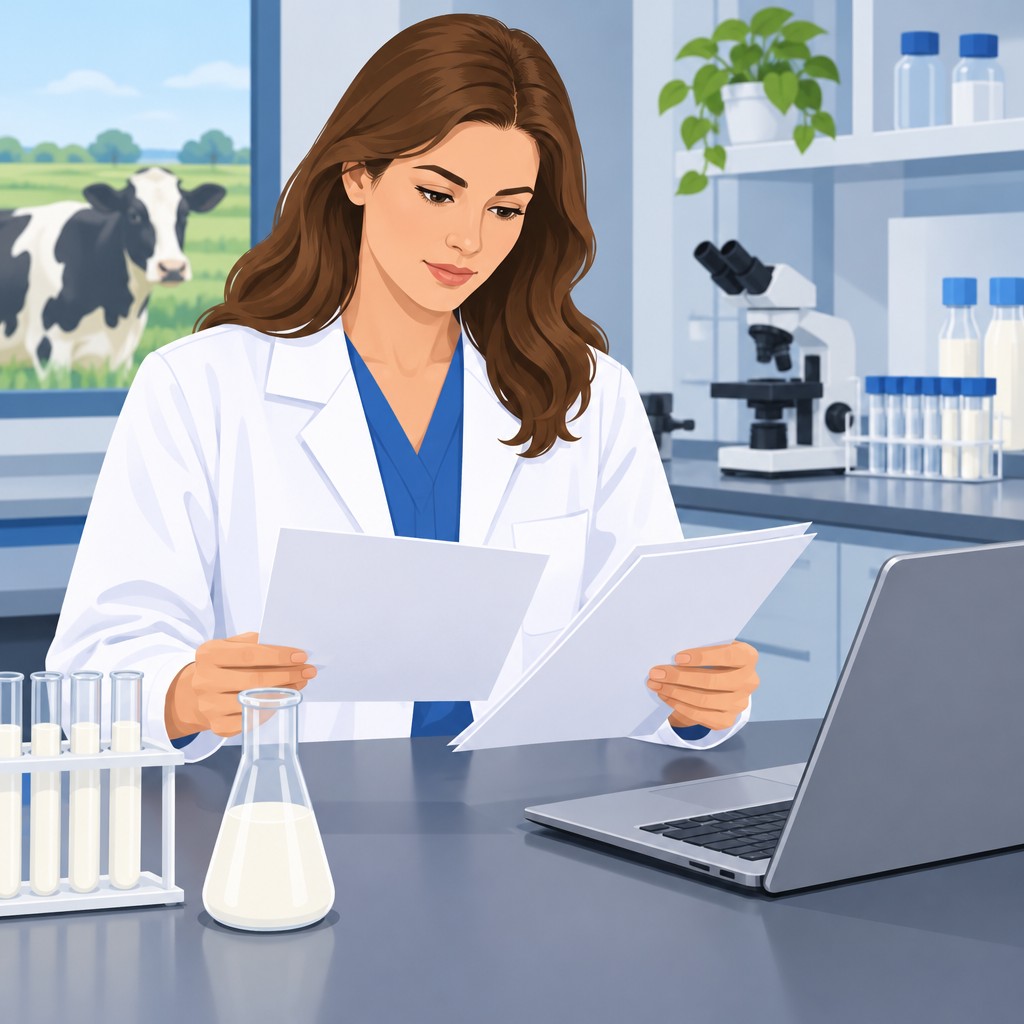
Licensing Supports Dairy Industry Compliance
Licensing helps dairy professionals comply with industry regulations and standards.
By obtaining licenses, professionals show their commitment to established protocols and guidelines.
Regulatory bodies use these requirements to protect dairy product quality and safety.
Additionally, licensing requirements often include training that prepares workers to handle dairy products responsibly.
Risks of Operating Without Dairy Licenses
Working without required licenses can threaten consumer health and expose individuals to legal liabilities.
After a food safety incident, unlicensed workers may face fines, lawsuits, or criminal charges.
Furthermore, unlicensed businesses may damage their reputation and credibility within the dairy industry.
Without legitimate licenses, companies may struggle to secure partnerships with suppliers, distributors, and retailers.
Transform Your Career Today
Unlock a personalized career strategy that drives real results. Get tailored advice and a roadmap designed just for you.
Start NowTherefore, licensing supports the integrity, safety, and quality of dairy operations.
Uncover the Details: How Poultry Scientists Ensure Animal Welfare
Dairy Science License Application Process
Obtaining a dairy science license requires applicants to follow requirements established by the appropriate authority.
Applicants should verify state rules before beginning their education, training, and application activities.
Requirements may include practical experience, examinations, background checks, and interviews.
- Research the specific dairy science licensing requirements in your state.
- Complete the education or training programs required for licensure.
- Submit an application to the appropriate licensing board or agency.
- Pay all relevant fees associated with the application process.
- Complete any required background checks or fingerprinting processes.
- Prepare for and pass any required licensing examinations.
- Attend any in-person interviews or meetings requested by the licensing board.
- Receive the license after approval and begin practicing in dairy science.
Agencies Regulating Dairy Science Licenses
Several agencies and organizations help oversee licensing, safety, quality, and professional standards within the dairy industry.
The Department of Agriculture often monitors dairy farms, production facilities, and dairy products.
The Food and Drug Administration regulates food safety and quality standards related to dairy products.
- Department of Agriculture: Oversees many dairy industry regulations.
- Food and Drug Administration: Regulates dairy food safety and quality standards.
- State Licensing Boards: Manage licensing requirements for dairy professionals.
- National Dairy Council: Provides resources and guidance about industry regulations.
- Dairy Farmers of America: Supports farmers and advocates for industry standards.
State licensing boards review applications and establish education, training, and experience requirements.
These boards may conduct interviews and approve licenses for qualified applicants.
Industry organizations provide guidance on regulations, best practices, advocacy, growth, and sustainability.
A license grants legal authority to practice and demonstrates compliance with applicable standards.
License holders must usually renew their credentials periodically to maintain current professional standing.
Certifications in Dairy Science
Professionals can pursue certifications in dairy science to support career advancement.
Available options include Dairy Herd Management and Dairy Farming.
These credentials confirm relevant knowledge and skills in the field.
State-Based Licensing Requirements
Some states require licenses for certain work in the dairy industry.
These licenses confirm that individuals meet specified qualifications and standards.
Therefore, candidates should check licensing requirements in their state.
Professional Benefits of Dairy Credentials
Certifications and licenses can strengthen credibility within the dairy sector.
Employers often prefer candidates who hold these professional credentials.
Moreover, these credentials show ongoing commitment to professional development.
Career Development Through Dairy Credentials
People who pursue these credentials can access new career opportunities.
These qualifications also showcase expertise in dairy science.
By continuing to learn and develop, individuals can remain competitive in the industry.
Additional Resources
Google search results for Dairy Science Certifications and Licensing Agricultural
Bing search results for Dairy Science Certifications and Licensing Agricultural


