




Aviation maintenance technicians play a crucial role in ensuring the safety and airworthiness of aircraft.
Without them, the aviation industry would not function smoothly.
Research and Education
Relevant education and training provide aspiring aviation maintenance technicians with essential industry preparation.
Additionally, effective programs develop the skills and knowledge needed to excel in aviation maintenance.
Through focused study, candidates can prepare for a successful and fulfilling career in this dynamic industry.
- Stay current with the latest industry trends and technological advancements.
- Develop a solid foundation in aircraft maintenance principles and practices.
- Gain hands-on experience through practical training and internships.
- Increase job prospects and career advancement opportunities.
- Build credibility and trust with employers and colleagues.
Researching Aviation Maintenance Programs
First, identify your career goals and interests within aviation maintenance.
Next, research reputable institutions and schools offering aviation maintenance courses and programs.
Then, compare options by reviewing location, accreditation, cost, and curriculum.
- Identify your career goals and interests within aviation maintenance.
- Research reputable institutions and schools offering aviation maintenance courses and programs.
- Consider location, accreditation, cost, and curriculum when comparing programs.
- Contact current students, alumni, and industry professionals for insights and recommendations.
- Attend informational sessions, open houses, and career fairs to evaluate specific programs.
Careful research helps aspiring technicians select education and training that support their professional goals.
As a result, candidates can enter the industry with relevant preparation and practical experience.
Networking in Aviation Maintenance
Networking plays a crucial role in aviation because it helps aspiring technicians build relationships, gain insights, and uncover opportunities.
These strategies explain how to network effectively within the aviation maintenance field.
Professional connections can provide knowledge, insights, and career opportunities.
- Attend aviation conferences, seminars, and workshops to meet professionals and expand your network.
- Join organizations such as the Aviation Technician Education Council (ATEC) or Aircraft Maintenance Technicians Association (AMTA).
- Use LinkedIn to contact professionals, join aviation groups, and follow industry news and trends.
- Participate in forums such as Aviation Maintenance Community or AvCanada to discuss topics and seek advice.
- Visit job fairs to connect with hiring managers, recruiters, and industry experts.
You Might Also Like: Impact of Globalization on Supply Chain Management
Hands-on Experience
Hands-on experience helps aspiring aviation maintenance technicians understand their field more effectively.
Classroom learning provides theory, while practical work applies that knowledge to real-world situations.
Therefore, practical experience helps technicians develop skills, build confidence, and prepare for aviation maintenance careers.
- Gain practical aviation maintenance experience to strengthen your understanding.
- Seek internships or apprenticeships to develop hands-on skills.
Internships in Aviation Maintenance
Internships with reputable aviation companies offer valuable opportunities for practical learning.
Interns work alongside experienced technicians and observe established maintenance processes.
They can also participate in maintenance tasks and apply classroom knowledge to aircraft maintenance.
Apprenticeship Programs
Apprenticeship programs combine classroom instruction with on-the-job training.
Apprentices work under experienced technicians while developing practical maintenance skills.
They also learn industry practices and gain useful insights into aviation maintenance.
Volunteer Projects
Volunteer projects within schools or communities can provide additional practical experience.
Participants may assist with aircraft demonstrations, restoration projects, or aviation club activities.
These opportunities strengthen technical abilities and demonstrate commitment to aviation maintenance.
Find Out More: How Transportation Security Screeners Ensure Safety
Aviation Maintenance Certifications and Licensing
Aviation maintenance technicians need specific credentials to work legally and effectively.
These credentials define which aircraft structures, systems, engines, or tasks technicians may service.
Technicians must complete required education, experience, examinations, and application steps.
- The Airframe Mechanic Certificate authorizes work on aircraft structures, systems, and powerplants.
- The Powerplant Mechanic Certificate permits work on aircraft engines and related systems.
- The Airframe and Powerplant (A&P) Mechanic Certificate covers both airframes and powerplants.
- The Remote Pilot Certificate applies to technicians working with drones or remotely piloted aircraft.
- The Repairman Certificate may apply to technicians working for repair stations or aircraft manufacturers.
Applicants follow several steps to obtain the appropriate credential.
- Most certifications require an FAA-approved aviation maintenance technician program or equivalent experience.
- Applicants need practical aircraft maintenance experience for the required number of hours.
- Applicants must pass a written knowledge test for their selected certification.
- Applicants must demonstrate their skills during a practical test with an FAA inspector.
- After meeting the requirements, applicants submit their certification or license application.
Technicians must keep their certifications and licenses current.
The FAA establishes renewal and continuing education requirements for these credentials.
Meeting those requirements helps technicians remain qualified to perform aircraft maintenance safely and effectively.
Discover More: Key Skills Needed for a Successful Route Planner
Safety and Regulations
Aviation maintenance relies on safety protocols and regulations.
These requirements protect technicians and passengers.
They also guide maintenance procedures toward safe and reliable results.
Significance of Safety Protocols and Regulations
Following established requirements helps technicians perform maintenance procedures safely.
Moreover, compliance reduces risks during aircraft maintenance activities.
Transform Your Career Today
Unlock a personalized career strategy that drives real results. Get tailored advice and a roadmap designed just for you.
Start NowThese practices also support professionalism throughout the aviation industry.
- Safety protocols protect aircraft, passengers, and crew members.
- They minimize accidents and mishaps during maintenance procedures.
- They help technicians comply with aviation authority requirements.
- They establish a culture of safety and professionalism.
- They prevent costly damage to aircraft and equipment.
Therefore, technicians support safety and reliability by following applicable protocols and regulations.
Staying Updated on Regulations and Best Practices
Regularly reviewing industry regulations helps technicians maintain current knowledge.
Safety training programs and workshops can strengthen relevant knowledge and skills.
Professional organizations provide resources and updates related to aviation maintenance.
- Review the latest industry regulations regularly.
- Attend safety training programs and workshops.
- Join professional aviation maintenance organizations.
- Seek guidance from experienced technicians and mentors.
- Monitor technological advancements and changing maintenance practices.
Staying informed supports compliance, work quality, and professionalism in aviation maintenance.
See Related Content: How to Start a Career as a Supply Chain Analyst
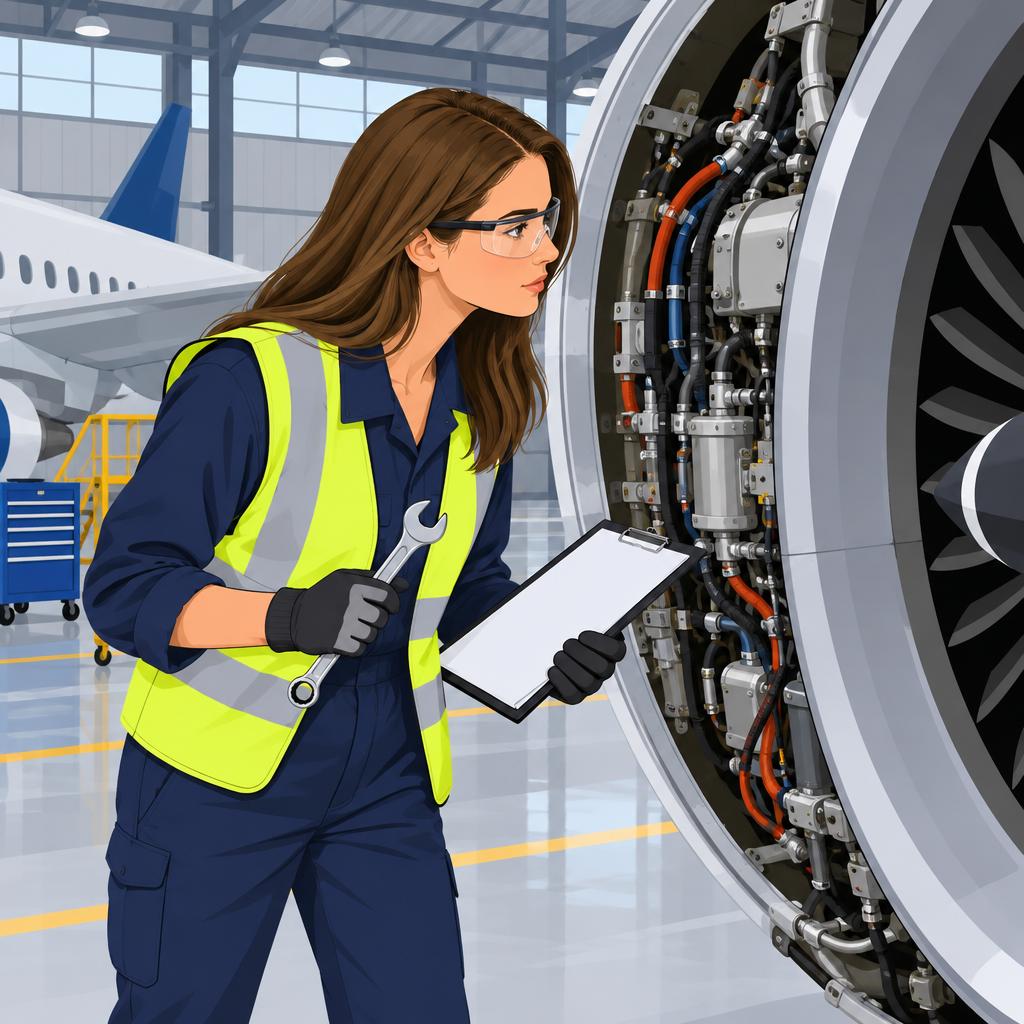
Developing Strong Problem-Solving Skills
Aviation maintenance technicians face daily challenges that require quick thinking and creative solutions.
Strong problem-solving skills support safe and efficient aircraft maintenance processes.
Technicians can strengthen these skills by staying calm, finding root causes, and considering alternative solutions.
- Staying Calm and Focused: Technicians should remain calm and focused because panic can cause errors and delays.
- Identifying Root Causes: Technicians should understand underlying issues before attempting to solve problems effectively.
- Thinking Creatively: Technicians should consider alternative approaches when straightforward solutions may not provide the best results.
- Collaborating with Peers: Colleagues can share ideas, brainstorm solutions, and address complex problems together.
- Continuing to Learn: Technicians should follow developments in aviation technology and maintenance practices to improve their knowledge.
Improving Critical Thinking Abilities
Critical thinking supports effective problem-solving in aviation maintenance.
Aspiring technicians can strengthen this ability through questioning, analysis, feedback, and continued curiosity.
These practices help technicians examine problems carefully and develop informed solutions.
- Asking Questions: Technicians should seek clarification and understand every aspect of an issue before choosing solutions.
- Practicing Analytical Thinking: Technicians should divide complex problems into smaller components and analyze each part carefully.
- Seeking Feedback: Experienced technicians and supervisors can provide valuable perspectives on approaching and solving problems.
- Challenging Assumptions: Technicians should examine information from multiple angles instead of accepting every detail immediately.
- Staying Curious: Curiosity encourages continuous learning and helps technicians understand how systems work and problems occur.
Together, these abilities position aspiring aviation maintenance technicians for success in this demanding and rewarding profession.
Importance of Continuous Learning
When pursuing a career in aviation maintenance, continuous learning supports long-term success.
The aviation industry constantly evolves, so technicians must continue developing their knowledge and skills.
Ongoing education helps aspiring technicians respond effectively to changing maintenance requirements.
- Attend workshops, seminars, and conferences to continue developing aviation maintenance skills.
- Use these events to learn about current trends and connect with industry professionals.
Staying Current With Industry Changes
Aspiring technicians can stay ahead of industry changes through continuous learning.
Technological advancements continue shaping aviation maintenance practices.
Workshops, seminars, and conferences reveal the latest trends in aviation maintenance.
Enhancing Professional Skills
Continuous learning strengthens your aviation maintenance skills and knowledge.
Stronger capabilities can make you a more valuable asset to potential employers.
Furthermore, current knowledge demonstrates your commitment to professional growth and excellence.
Seeking Mentorship and Guidance
Experienced aviation maintenance technicians can provide valuable insights and practical guidance.
Their advice can help aspiring technicians understand professional expectations.
Seeking mentorship also supports continued growth within aviation maintenance.
Career Growth
Aviation maintenance technicians can pursue several career paths within the industry.
Clear goals help technicians choose suitable opportunities and measure their professional progress.
Technicians can strengthen their careers by developing expertise, leadership abilities, and industry awareness.
Technical Specialization and Professional Development
Technicians can specialize in avionics, engines, structures, or aircraft systems.
Specialized expertise can increase a technician’s value to employers and support advancement.
Additional training can expand professional knowledge and demonstrate commitment to career development.
Leadership and Workplace Responsibility
Technicians can seek supervisory responsibilities as they gain experience.
They can also mentor junior technicians or lead maintenance projects and teams.
Leadership experience can prepare technicians for higher-level positions and greater earning potential.
Industry Awareness and Career Planning
Aviation technology continues to evolve, so technicians should monitor relevant industry developments.
Industry publications, conferences, workshops, forums, and webinars can provide useful information.
Technicians should define career goals and identify the education, training, and experience those goals require.
Regular feedback from supervisors, colleagues, and mentors can reveal opportunities for improvement.
By applying these strategies, technicians can pursue long-term growth within aviation maintenance.
Transform Your Career Today
Unlock a personalized career strategy that drives real results. Get tailored advice and a roadmap designed just for you.
Start NowCore Qualities for Aviation Maintenance Success
Aspiring aviation maintenance technicians should prioritize safety, attention to detail, and current technology.
Strong communication skills and a willingness to learn can distinguish successful professionals in this field.
The aviation industry depends on skilled professionals to support safe and efficient air travel.
Therefore, pursue your goals with determination and passion to build a rewarding aviation maintenance career.


