




Introduction
Transportation security screeners play a crucial role in ensuring traveler safety.
They perform this role at airports and other transportation hubs.
These dedicated professionals are trained to identify potential threats and risks.
Screening Process
Security screeners use a variety of tools and techniques to check passengers and belongings.
For example, they use X-ray machines, metal detectors, and pat-down searches.
Every passenger and every piece of luggage must pass through the screening process.
Consequently, screening occurs before passengers board their flights.
Training and Certification
Transportation security screeners undergo rigorous training to prepare for their roles.
They must pass background checks and receive certifications to qualify for security procedures.
Moreover, continuous training keeps them updated on the latest security measures.
Adherence to Regulations
Security screeners must strictly follow protocols and guidelines set by regulatory authorities.
This approach ensures consistency in the screening process and maintains high security levels.
Furthermore, deviations from regulations could compromise passenger safety.
Communication and Collaboration
Security screeners work closely with other airport personnel, including law enforcement.
They share critical information and respond to security threats effectively.
Additionally, collaboration among security agencies helps address security challenges collectively.
Continuous Improvement
Transportation security screeners constantly evaluate and refine security procedures to enhance safety measures.
They learn from past incidents and adapt strategies to better protect travelers.
Consequently, their proactive and adaptive efforts help maintain transportation system security.
Training and Qualifications
This section outlines qualifications and training for transportation security screeners.
It covers eligibility, training programs, and simulated exercises.
Read each subsection for detailed descriptions and requirements.
- Requirements to become a transportation security screener
- Extensive training programs and ongoing education
- Simulated exercises to prepare for real-life scenarios
Requirements to Become a Transportation Security Screener
Candidates must meet eligibility criteria set by the Transportation Security Administration.
Applicants must be U.S. citizens or legal permanent residents.
A high school diploma or equivalent is required.
Candidates must pass a background check and a drug test.
Applicants must be at least 18 years old.
They must demonstrate proficiency in English and good communication skills.
Extensive Training Programs and Ongoing Education
New screeners undergo comprehensive initial training programs.
Training covers security protocols and threat detection techniques.
Trainees receive hands-on instruction with X-ray machines and metal detectors.
They learn passenger screening procedures and professional interaction skills.
Screeners attend regular workshops to stay current on evolving threats.
Simulated Exercises for Real-Life Preparedness
Screeners take part in simulated exercises that mirror real scenarios.
Simulations include suspicious items in carry-on baggage and unruly passengers.
These exercises build decision-making skills and the ability to work under pressure.
They test knowledge of protocols and response coordination.
Role of Training in Screener Effectiveness
Ongoing education helps screeners adapt to evolving security threats.
Simulated practice reinforces protocol adherence and quick decision making.
Regular training sustains skills and supports consistent screening procedures.
Transform Your Career Today
Unlock a personalized career strategy that drives real results. Get tailored advice and a roadmap designed just for you.
Start NowScreening procedures
Transportation security screeners implement stringent screening procedures to protect passengers and staff.
Consequently, these procedures help prevent potential threats to aviation security.
Additionally, screeners apply measures that balance safety and passenger convenience.
- Use of advanced technology such as x-ray machines and body scanners
- Manual bag checks and pat-downs when necessary
- Strict protocols to follow for every passenger
Use of advanced technology such as x-ray machines and body scanners
Primarily, screeners use x-ray machines and body scanners to detect prohibited items.
Specifically, x-ray machines scan luggage to reveal concealed objects.
Also, body scanners screen passengers for items missed by pat-downs.
Manual bag checks and pat-downs when necessary
Moreover, screeners perform manual bag checks and pat-downs when technology cannot resolve alarms.
They inspect luggage contents when alarms trigger or items remain unclear on scans.
Consequently, screeners use pat-downs to search for concealed items that scanners may miss.
Importantly, officers follow privacy and safety protocols during all physical searches.
Strict protocols to follow for every passenger
Screeners follow strict protocols to ensure consistent and accurate screening for every passenger.
Protocols require verifying passenger identity and confirming travel itineraries before screening.
They inspect luggage using required equipment and monitor passenger behavior for suspicious indicators.
Screeners maintain security and mitigate threats by following these procedures consistently.
Uncover the Details: Key Skills Needed for a Successful Route Planner
Identifying potential threats
- Transportation security screeners undergo rigorous training.
- Screeners learn to recognize suspicious behavior or items.
- They identify signs that may indicate potential danger.
- Screeners quickly assess situations to protect passenger safety.
Training to recognize suspicious behavior or items
- Screeners study body language cues to spot unusual behavior.
- They receive instruction on behavioral indicators that suggest risk.
- Training covers identification of prohibited items like weapons.
- Screeners practice detection of explosives and suspicious objects.
Monitoring for prohibited items such as weapons or explosives
- Screeners use advanced scanning technology to detect hidden weapons.
- They monitor luggage and personal items for suspicious objects.
- Technology assists but screeners remain alert for anomalies.
- They follow procedures to escalate any suspected threats.
Quick decision-making in high-pressure situations
- Screeners make split-second decisions under pressure.
- They remain calm and follow established response protocols.
- Training helps them act quickly to mitigate potential threats.
- Screeners coordinate with crew or authorities when necessary.
Gain More Insights: How to Start a Career as a Supply Chain Analyst
Collaboration with other agencies
Transportation security screeners play a crucial role in ensuring the safety of travelers and the general public.
A key aspect is collaborating with other agencies.
This collaboration enhances security and helps respond to threats.
Here are some ways in which transportation security screeners work with law enforcement and intelligence agencies:
- Working with law enforcement and intelligence agencies: Screeners work closely with local state and federal partners.
- Sharing information on potential threats or suspects: Collaboration involves sharing information to prevent incidents and identify risky individuals.
- Coordinating responses to security incidents: Screeners coordinate with agencies to ensure swift cohesive responses that mitigate risks.
Collaboration with other agencies is essential for transportation security screeners.
It helps safeguard travelers and maintain security within transportation systems.
Working with law enforcement and intelligence agencies helps screeners stay ahead of threats.
This cooperation supports the safety of passengers.
You Might Also Like: Tips for Managing Stress as a Seaman
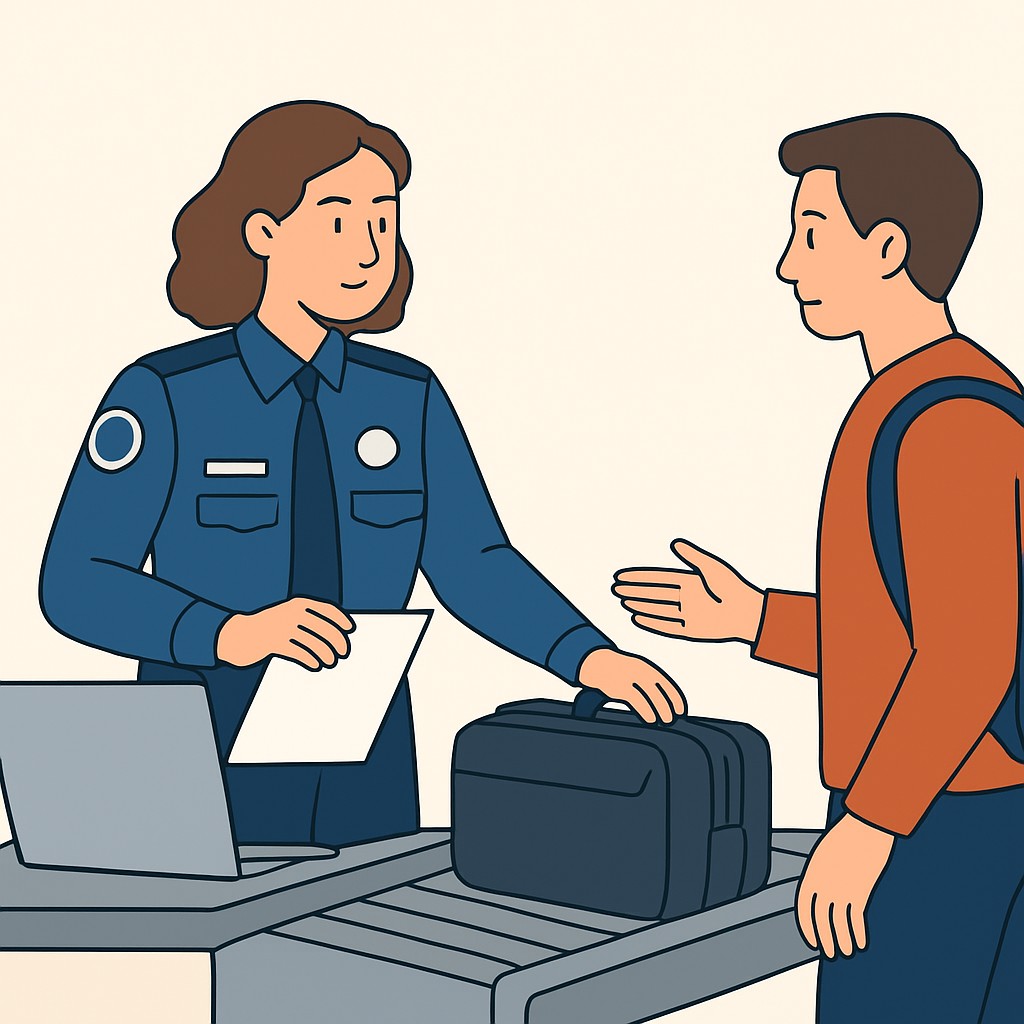
Adherence to regulations and guidelines
Transportation security screeners must follow regulatory protocols at all times.
These protocols come from the Transportation Security Administration.
Furthermore, strict adherence helps maintain consistent safety standards.
- Following strict protocols set by the Transportation Security Administration (TSA)
- Regular audits and inspections to ensure compliance
- Continuous improvement based on feedback and updates
Following strict protocols set by the Transportation Security Administration (TSA)
Screeners follow TSA protocols during all screening operations.
These protocols include procedures for handling potentially dangerous items.
Consequently, screeners can detect and prevent many security threats.
Regular audits and inspections to ensure compliance
The TSA schedules regular audits and site inspections.
These evaluations identify lapses in compliance with regulations.
Then, officials address issues promptly to restore proper procedures.
Continuous improvement based on feedback and updates
Screeners receive feedback from audits, incidents, and travelers.
They adapt their practices when procedures or technology change.
Consequently, ongoing updates help maintain effective security measures.
Role of compliance in maintaining airport security
Adherence to regulations protects travelers and airport operations.
By following protocols, screeners support consistent security practices.
Moreover, audits and feedback drive continuous improvement and standards.
Transform Your Career Today
Unlock a personalized career strategy that drives real results. Get tailored advice and a roadmap designed just for you.
Start NowDelve into the Subject: Role of Traffic Managers in Crisis Situations
Customer service and professionalism
Transportation security screeners ensure passenger and airline staff safety.
They also provide a positive and helpful experience for people passing through checkpoints.
These duties combine safety with strong customer service.
- Interacting with passengers in a courteous and respectful manner
- Handling challenging situations with patience and empathy
- Representing the TSA and the transportation industry positively
Interacting with passengers in a courteous and respectful manner
Greet travelers as they approach the security checkpoint.
Answer questions clearly and offer guidance when needed.
Use patience and respectful language to help anxious travelers.
Handling challenging situations with patience and empathy
Remain calm when facing frustrated or upset passengers.
Listen carefully and acknowledge concerns to build trust.
Provide reassurance and practical assistance while following security protocols.
Representing the TSA and the transportation industry positively
Act with professionalism to shape passenger perceptions of airport security.
Offer assistance when travelers ask for help.
Treat all travelers respectfully to create a welcoming terminal environment.
Role of screeners as ambassadors for safety and service
Screeners combine safety responsibilities with customer service duties.
They represent their organization through demeanor and helpful actions.
By treating travelers with respect, screeners promote confidence in air travel.
Appreciation for Transportation Security Screeners
Travelers should acknowledge the dedication of transportation security screeners.
Furthermore, passengers can support screeners by following procedures and staying patient.
Together, these actions contribute to a safer travel environment for everyone.


