




Boilermaker Work in Industrial Settings
A boilermaker is a skilled tradesperson.
They fabricate, assemble, and maintain boilers, tanks, and other large vessels.
Their work supports construction, manufacturing, and power generation industries.
Boilermaker Skills and Responsibilities
Boilermakers use technical skills such as welding, blueprint reading, and mechanical aptitude.
They interpret engineering drawings.
Workers cut and shape metal.
They use various tools and machines to assemble components.
Moreover, boilermakers ensure that vessels meet industry safety and functionality standards.
They conduct thorough inspections.
Afterward, they repair defects and perform routine maintenance.
These tasks help vessels perform optimally.
Because they work in high-risk environments, boilermakers follow strict safety protocols.
Each worker uses personal protective equipment.
For hazardous materials, they follow established handling procedures.
Additionally, workers operate equipment safely.
Furthermore, boilermakers communicate and collaborate with engineers, project managers, and other tradespeople.
These teams must complete projects on time and within budget.
Clear communication helps them share ideas, solve problems, and coordinate tasks.
Their expertise supports the safety and efficiency of boilers and other vessels.
Education and Training Requirements
Boilermakers assemble, install, and repair boilers, closed vats, and other large containers.
These containers hold liquids and gases.
Successful candidates develop skills through education, practical training, and professional certification.
High School Diploma or GED Equivalent
Prospective boilermakers typically need a high school diploma or GED equivalent.
This foundation provides knowledge for pursuing boilermaking work.
It also prepares candidates for additional technical instruction.
- Candidates typically need a high school diploma or GED equivalent.
Apprenticeship Programs and Vocational Training
Many boilermakers complete formal apprenticeships or vocational training.
These programs combine classroom instruction with on-the-job training.
Most programs last four to five years and build practical expertise.
- Apprenticeships and vocational programs provide classroom instruction and hands-on experience.
Certification and Licensure Requirements
Some states require boilermakers to obtain certification and licensure before working.
Applicants may need to pass a written exam and meet work experience requirements.
Regular continuing education may help workers maintain their licenses.
- Certification requirements may include exams, work experience, and continuing education.
Essential Skills for Successful Boilermakers
- Strong mechanical aptitude helps boilermakers understand boilers and other mechanical systems.
- Blueprint reading enables accurate interpretation of fabrication instructions and technical diagrams.
- Welding and fabrication skills help boilermakers join, shape, and assemble metal components securely.
- Careful measurements and attention to detail protect quality, structural integrity, and workplace safety.
Boilermakers use mechanical aptitude to understand how boilers and related systems work.
This knowledge also helps them troubleshoot problems effectively.
Furthermore, blueprint reading allows boilermakers to translate complex diagrams into physical structures.
These drawings provide specific instructions for accurate metal fabrication.
Skilled boilermakers use arc, MIG, and TIG welding methods to join metal pieces.
They also shape and assemble components according to specifications.
Finally, precise measurements help prevent errors that could cause structural failures or safety hazards.
By checking details carefully, boilermakers maintain the quality and integrity of their work.
See Related Content: Understanding Factory Work: Roles and Responsibilities
Transform Your Career Today
Unlock a personalized career strategy that drives real results. Get tailored advice and a roadmap designed just for you.
Start NowResponsibilities of a Boilermaker
Boilermakers perform specialized tasks that support safe industrial operations.
They shape, install, inspect, and repair equipment used in demanding work environments.
Additionally, they follow technical instructions and safety procedures throughout each assignment.
Fabricating and Assembling Metal Structures
First, boilermakers fabricate and assemble metal structures, including boilers, tanks, and pressure vessels.
They read blueprints before cutting, bending, or shaping metal components.
Then, they weld or bolt the components together to form the required structure.
Installing and Repairing Industrial Equipment
Boilermakers install boilers, tanks, and pressure vessels within industrial facilities.
They troubleshoot equipment problems and replace or repair damaged parts.
Afterward, they conduct tests and follow safety procedures to support reliable operation.
Performing Maintenance and Inspections
Routine maintenance helps boilermakers identify developing equipment problems.
They clean, lubricate, and adjust components during scheduled maintenance activities.
Furthermore, they inspect equipment carefully to identify safety hazards before problems escalate.
Operating Heavy Machinery Safely
Boilermakers operate cranes, forklifts, welding machines, and other heavy equipment.
They follow operating procedures and wear appropriate protective equipment during these tasks.
Moreover, they monitor surrounding workers and communicate clearly to reduce accident risks.
Uncover the Details: Miner's Handbook: Tips for Newcomers
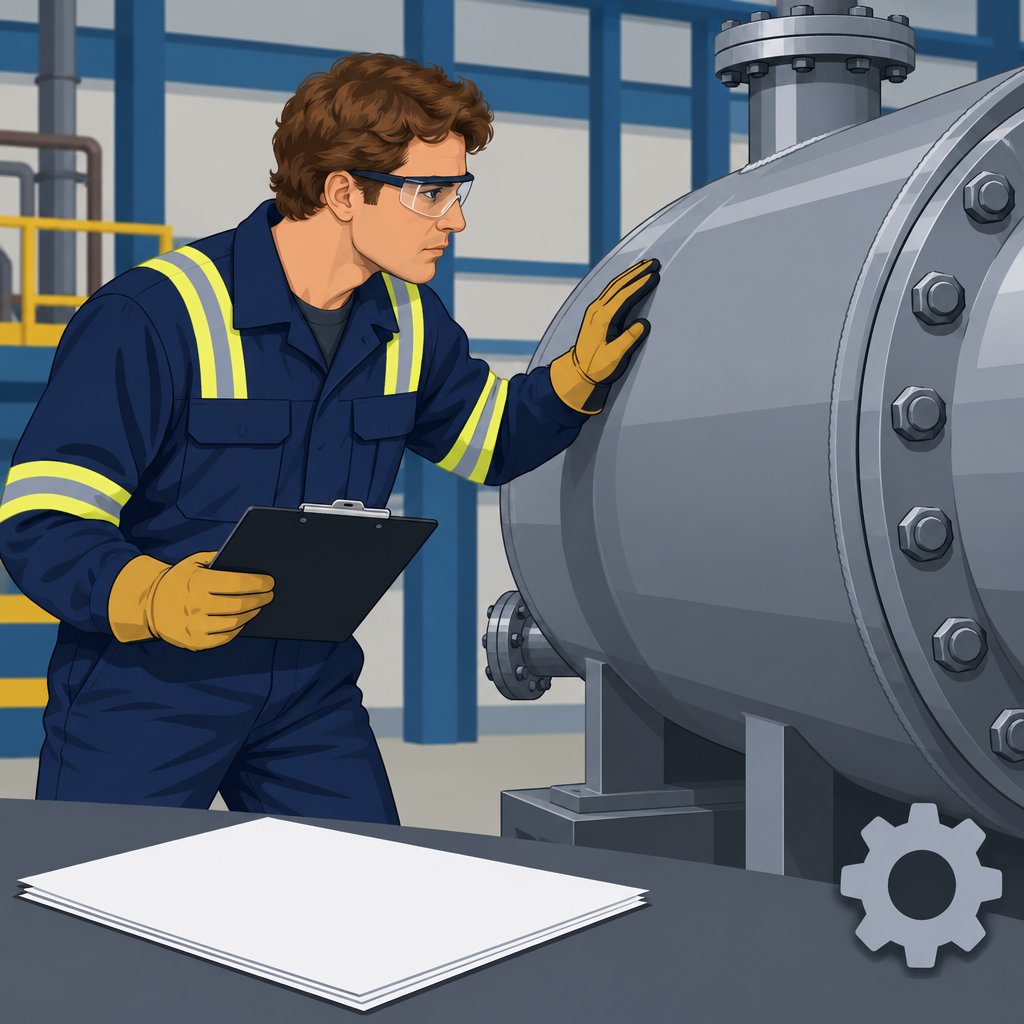
Safety Protocols and Regulations for Boilermakers
Boilermakers must follow strict safety protocols when constructing and maintaining boilers.
These practices protect workers and others from hazards in the workplace.
Therefore, safe work practices support a secure environment during boiler-related projects.
Importance of Following OSHA Guidelines
OSHA establishes guidelines and regulations that protect workers from workplace hazards.
Boilermakers must follow these requirements to help prevent accidents and injuries.
Additionally, ignoring OSHA regulations can bring fines, penalties, and serious harm.
- OSHA protects workers from hazards in the workplace.
- Boilermakers must follow OSHA guidelines during boiler-related projects.
- Noncompliance can cause fines, penalties, and serious injuries.
Proper Handling of Hazardous Materials
Boilermakers may handle asbestos, lead, and chemicals during their work.
These materials can create serious health risks without proper controls.
Consequently, workers need training that prevents exposure, contamination, and environmental damage.
- Boilermakers often work with asbestos, lead, and chemicals.
- Proper training helps workers handle hazardous materials safely.
- Improper procedures can cause long-term health problems and environmental damage.
Use of Personal Protective Equipment on Job Sites
Boilermakers should wear suitable personal protective equipment on every job site.
Hard hats, gloves, goggles, and respirators help reduce workplace risks.
Furthermore, proper equipment protects workers from injuries and harmful substances.
- Boilermakers should wear hard hats, gloves, goggles, and respirators.
- Personal protective equipment reduces physical injuries and harmful exposure.
- Failing to use proper equipment can cause serious injuries, illnesses, or fatalities.
By following safety protocols, boilermakers protect themselves and their colleagues.
They also reduce risks associated with hazardous materials and boiler projects.
Consistent safety practices help maintain a safer working environment.
Discover More: What to Expect During Your First Week as a Mover
Career Opportunities for Boilermakers
Boilermakers can pursue varied career paths as industrial employers build, maintain, and upgrade major facilities.
These opportunities can support professional growth, advancement, and specialization within the trade.
Demand may increase when facilities require skilled workers for construction, maintenance, and efficiency improvements.
Job Outlook and Industry Growth
New power plants, refineries, and industrial facilities create opportunities for boilermakers.
Additionally, existing facilities need maintenance and upgrades that help keep boilers efficient.
Employment projections show six percent growth from 2020 through 2030, faster than average.
- Construction projects can increase demand for skilled boilermakers.
- Maintenance work helps facilities preserve efficient boiler operations.
- Welding and blueprint reading skills may improve employment opportunities.
Advancement to Supervisory Roles
Experienced boilermakers can pursue supervisory or management positions within the industry.
These roles allow skilled workers to coordinate teams and guide project activities.
Transform Your Career Today
Unlock a personalized career strategy that drives real results. Get tailored advice and a roadmap designed just for you.
Start NowAdditional leadership or management training may support advancement into supervisory positions.
- Supervisors oversee teams of boilermakers during assigned projects.
- They schedule project activities and coordinate workforce responsibilities.
- They also ensure that teams meet required safety standards.
Specialization in Industries and Boiler Types
Boilermakers can specialize in industries that use complex boiler and vessel systems.
Industry specialization helps workers develop expertise and pursue projects with specific technical requirements.
Workers can also focus on particular boiler designs through additional training and certification.
- Petrochemical facilities offer opportunities for industry-specific experience.
- Power generation and industrial manufacturing provide additional specialization areas.
- Firetube, watertube, and electric boilers represent potential technical specialties.
- Further training can help workers demonstrate proficiency with specific boiler types.
You Might Also Like: The Role of Technology in Power Line Work
Salary and Benefits for Boilermakers
Boilermakers often receive competitive compensation because their work requires specialized skills.
Employers in construction, manufacturing, and shipbuilding may offer different pay and benefits.
Location, experience, and industry can significantly influence a boilermaker’s total compensation.
Average Salary Range for Boilermakers
Entry-level boilermakers may earn around $40,000 per year when they begin their careers.
Experienced boilermakers can earn more than $80,000 annually after developing several years of experience.
Construction employers typically pay more than manufacturing employers, although actual salaries vary.
- Entry-level boilermakers may start at around $40,000 per year.
- Experienced boilermakers with several years of experience can earn upwards of $80,000 per year.
- Construction boilermakers may earn more than boilermakers working in manufacturing.
Benefits for Boilermakers
Employers may supplement boilermaker salaries with benefits that strengthen the total compensation package.
Health insurance can help workers manage medical, dental, and vision expenses.
Retirement plans and paid leave can support long-term financial planning and personal time.
- Health insurance may include medical, dental, and vision coverage.
- Retirement plans may include 401(k) accounts or pensions.
- Paid time off may include vacation days, sick leave, and holidays.
Factors Affecting Boilermaker Salaries
Several factors can change the amount a boilermaker earns.
Workers in expensive areas may receive higher salaries to offset increased living costs.
Specialized industries may offer higher pay because their work involves greater complexity.
- Location can influence pay, especially in major cities and other high-cost areas.
- Years of experience can increase earning potential as boilermakers develop their skills.
- Industry specialization can affect salaries in fields such as nuclear power or aerospace.
These factors help boilermakers set realistic expectations about career progression and compensation.
Professional Development for Boilermakers
Boilermakers play important roles in constructing, repairing, and maintaining boilers, tanks, and other vessels.
These responsibilities require technical expertise, attention to detail, and physical fitness.
Additionally, aspiring boilermakers should pursue continuous learning to stay current with industry trends and technologies.
Interested individuals can explore vocational programs, industry websites, and professional organizations for further guidance.


