




Safety Guidance for New Miners
Mining presents serious challenges, especially for newcomers learning to work safely.
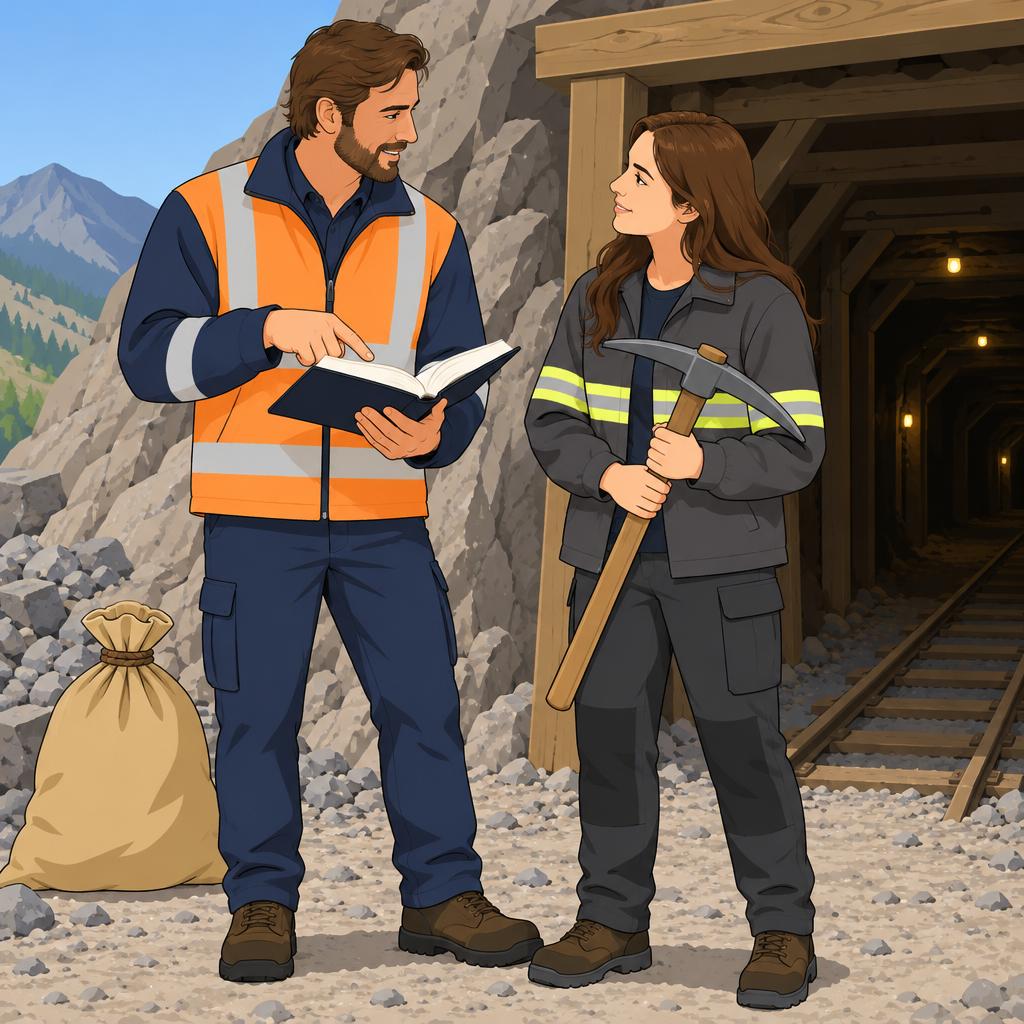
A practical handbook gives new miners essential guidance for navigating workplace hazards.
New miners may encounter cave-ins, equipment malfunctions, and exposure to hazardous materials.
Therefore, they need clear safety tips and guidance to protect themselves and support success in their profession.
This guidance can help newcomers approach mining responsibilities with greater awareness.
Understanding the Basics of Mining
Mining extracts valuable minerals and other geological materials from the Earth.
Mining operations use either surface methods or underground methods.
Surface mining removes covering soil and rock, while underground mining uses tunnels and shafts.
- Surface mining: Removing soil and rock above mineral deposits.
- Underground mining: Digging tunnels and shafts toward mineral deposits.
Key Components of Mining Operations
Mining operations progress through several connected stages.
Geologists begin by searching for deposits before extraction starts.
After extraction, workers process minerals and restore the affected land.
- Exploration: Geologists search for mineral deposits.
- Extraction: Workers remove mineral resources from the Earth.
- Processing: Workers refine and separate extracted minerals for use.
- Reclamation: Workers restore land after mining activities cease.
Role of Miners in Extracting Natural Resources
Miners operate equipment and machinery during resource extraction.
They work in teams to remove minerals efficiently and effectively.
Their efforts supply raw materials for various industries.
- Equipment operation: Miners operate mining equipment and machinery.
- Safety procedures: Miners follow procedures that protect people and the environment.
- Teamwork: Miners cooperate to extract minerals efficiently and effectively.
- Resource supply: Miners provide raw materials for various industries.
Safety First
Mining environments contain hazards that can seriously harm workers.
New miners should learn safety protocols before entering mining work areas.
Following established procedures protects both individual workers and their colleagues.
Common Safety Hazards in Mining
Several hazards require constant awareness and careful preparation.
Workers can reduce many risks by using protective equipment and following approved procedures.
Supervisors and miners must address unsafe conditions before work continues.
- Cave-ins can occur when ground collapses unexpectedly, so workers should confirm that support structures remain secure.
- Explosions may result from flammable gases or dust, making proper ventilation and safe drilling essential.
- Poor air quality can cause respiratory issues, so workers should use respiratory protection and maintain ventilation systems.
- Loud mining equipment can damage hearing over time, so workers should wear suitable hearing protection.
- Mining processes may expose workers to harmful chemicals, requiring approved handling procedures and protective gear.
Safety Protocols for New Miners
New miners should build safe habits from their first day at work.
They should remain attentive, communicate concerns, and follow established work practices.
They must also protect their physical and mental health while performing demanding tasks.
- Attend comprehensive safety training before beginning work in a mine.
- Wear required personal protective equipment, including hard hats and high-visibility clothing.
- Stay alert, focused, and aware of changing conditions around you.
- Follow safe work practices and never trade safety for efficiency.
- Participate in safety meetings to discuss concerns and effective practices.
- Report unsafe conditions immediately to a supervisor or safety professional.
- Prioritize physical and mental health to support safe job performance.
Consistent safety practices help miners protect themselves and their colleagues.
Safety should guide every decision throughout a mining career.
Discover More: What to Expect During Your First Week as a Mover
Equipment and Tools
Mining operations require suitable equipment and tools for effective work.
Newcomers need essential items that support practical tasks and personal protection.
Proper equipment also helps workers manage demanding mining conditions.
Essential Equipment and Tools
Workers use protective equipment and basic tools throughout mining activities.
Each item serves a specific purpose during excavation, movement, or site work.
Therefore, newcomers should understand every item’s function before using it.
- Hard hat: Protects your head from falling debris in the mine.
- Headlamp: Provides visibility in dark and confined spaces.
- Gloves: Protect your hands from sharp edges and chemicals.
- Steel-toed boots: Provide safety and stability around heavy equipment.
- Pickaxe: Breaks and digs through rock and soil.
- Shovel: Moves large amounts of material quickly and efficiently.
Maintenance and Usage of Mining Tools
Regular maintenance keeps mining tools ready for safe and effective use.
Workers should inspect, clean, lubricate, and store tools correctly.
Additionally, using the right tool helps prevent damage and injury.
- Regularly inspect tools for damage or wear and tear.
- Keep tools clean and lubricated to ensure optimal performance.
- Store tools properly in a dry and secure location when not in use.
- Use the right tool for the job to avoid damage or injury.
Importance of Personal Protective Equipment (PPE)
Personal Protective Equipment protects workers from potential mining hazards.
PPE helps workers address risks involving falling objects and chemical exposure.
Moreover, proper PPE use supports confidence, efficiency, and workplace responsibility.
- PPE prevents injuries from falling objects, chemical exposure, and other hazards.
- It reduces the risk of workplace accidents and fatalities.
- It increases confidence and efficiency in challenging conditions.
- It promotes a culture of safety and responsibility among miners.
Safety should remain your top priority throughout mining work.
Maintain tools properly and use necessary PPE for a safer mining experience.
Transform Your Career Today
Unlock a personalized career strategy that drives real results. Get tailored advice and a roadmap designed just for you.
Start NowLearn More: The Role of Technology in Power Line Work
Training and Certification
Proper training and certification support safe and efficient work in mining.
They prepare workers to understand workplace risks and perform assigned duties effectively.
Therefore, workers should complete appropriate training before starting mining jobs.
Importance of Proper Training
Before entering a mine, workers should understand the risks associated with mining activities.
Proper training provides the knowledge and skills needed to work safely.
In addition, training helps workers perform their responsibilities more effectively.
Sources for Mining Certifications and Licenses
Various organizations and training centers offer mining certifications and licenses.
Local technical colleges and vocational schools may provide relevant training programs.
Meanwhile, the National Mining Association and Mine Safety and Health Administration provide additional options.
- Local technical colleges or vocational schools
- National Mining Association
- Mine Safety and Health Administration
- Online platforms offering mining courses
Before enrolling, research each institution carefully.
Choose a reputable provider with comprehensive programs recognized within the industry.
This approach helps workers select training that matches industry expectations.
Continuing Education and Skills Development
After earning certifications and licenses, workers can continue developing their mining skills.
Workshops and seminars can introduce new mining technologies and practices.
Additionally, apprenticeships and on-the-job training can strengthen practical abilities.
- Attend workshops and seminars about new mining technologies and practices
- Participate in on-the-job training and apprenticeship programs
- Pursue advanced certifications or degrees in mining engineering or related fields
- Join industry associations and networks to follow industry trends and developments
Workers can also pursue advanced certifications or degrees in mining engineering and related fields.
Furthermore, industry associations and networks can help workers follow changing industry developments.
Continuous learning can support career advancement and more efficient mining operations.
Delve into the Subject: Expert Tips for Painting New Construction Homes
Health and Wellness
Mining work can challenge your physical and mental well-being.
Therefore, you should monitor your health while managing demanding workplace conditions.
Taking proactive steps can support your well-being throughout your mining career.
Physical Health Challenges
Mining work can expose you to dust, fumes, and other hazardous materials.
Additionally, standing, lifting, and repetitive movements can strain your muscles and joints.
Poor ergonomic conditions can also contribute to back pain and physical discomfort.
- Dust, fumes, and hazardous materials can cause respiratory issues.
- Long hours of standing, heavy lifting, and repetitive motions can cause musculoskeletal injuries.
- Poor ergonomic conditions can cause back pain and other discomforts.
Mental Health Challenges
Mining schedules can separate you from family and friends for extended periods.
Moreover, tight deadlines and strict safety protocols can create workplace pressure.
Fear of accidents, injuries, and fatalities can also affect your mental well-being.
- Long periods away from home can cause isolation from family and friends.
- High-pressure conditions can increase stress during demanding work periods.
- Concern about accidents, injuries, and fatalities can affect mental health.
Ways to Maintain Health and Well-being
Good nutrition and hydration help your body manage physically demanding work.
Regular breaks allow your body and mind to recover during strenuous tasks.
Open communication can help you address health concerns before they worsen.
- Stay hydrated and eat nutritious meals to fuel your body.
- Take regular breaks to rest your body and mind.
- Exercise outside work to strengthen muscles and improve endurance.
- Use proper lifting techniques and ergonomic tools to prevent injuries.
- Use PPE to reduce exposure to harmful substances.
- Discuss health concerns openly with supervisors and colleagues.
Resources for Health Support
Mining companies may provide confidential counseling through Employee Assistance Programs.
Medical clinics near mining sites can provide immediate attention during emergencies.
Support groups and online forums can connect miners who share similar experiences.
- Employee Assistance Programs can provide confidential counseling services.
- Medical clinics near mining sites can provide emergency medical attention.
- Mental health hotlines can support miners experiencing stress, anxiety, or depression.
- Support groups can help miners discuss shared challenges.
- Online forums can connect miners and encourage experience sharing.
Prioritizing your health supports a longer and more successful career in mining.
Use available resources whenever physical or mental health concerns arise.
You Might Also Like: Common Challenges Faced by Surveyors on the Job
Environmental Considerations
Mining activities can harm ecosystems and communities.
These impacts include deforestation, water pollution, and wildlife habitat destruction.
Transform Your Career Today
Unlock a personalized career strategy that drives real results. Get tailored advice and a roadmap designed just for you.
Start NowMiners should understand these effects and reduce environmental damage.
-
Understand Environmental Impact
Mining can cause deforestation, water pollution, and habitat destruction for wildlife.
-
Practice Sustainable Mining
New miners should use sustainable practices that reduce environmental impacts.
They should reclaim land, use eco-friendly equipment, and reduce waste.
-
Minimize Environmental Harm
Miners can reduce harm through proper waste management and lower energy consumption.
They should also protect water quality for future generations.
-
Promote Responsible Mining
Responsible mining follows regulations and engages local communities.
It also supports environmental conservation efforts.
-
Adopt Reclamation Strategies
Miners should restore land after completing mining activities.
They can replant vegetation, restore water sources, and minimize erosion.
These actions promote ecological balance.
-
Monitor Environmental Impacts
Regular monitoring shows whether mitigation measures work effectively.
Miners should track air quality, water quality, and biodiversity changes.
This monitoring helps address emerging environmental issues.
New miners should prioritize environmental considerations throughout their work.
Sustainable practices can support responsible mining and protect the environment for future generations.
Communication and Teamwork
Effective communication and teamwork support successful mining operations.
Miners communicate clearly with colleagues and supervisors to improve workplace safety and efficiency.
Moreover, strong teamwork helps employees coordinate tasks and support one another.
Guidelines for Communicating in a Mining Setting
- Always use clear and concise language to convey important information.
- Listen actively to what your colleagues and supervisors are saying.
- Ask questions if you feel unsure or need clarification.
- Use radios or hand signals when working in noisy environments.
- Report issues or concerns promptly to your supervisor or safety officer.
Building Positive Relationships with Team Members
- Show respect for your colleagues and their expertise.
- Offer help and collaborate with colleagues on shared tasks.
- Recognize and appreciate each team member’s strengths and skills.
- Communicate openly and honestly to foster trust and understanding.
- Celebrate team successes and milestones to boost morale and motivation.
Fostering a Collaborative Work Environment
- Encourage open communication and feedback among team members.
- Establish clear roles and responsibilities to prevent confusion and conflict.
- Promote teamwork and mutual support throughout the team.
- Hold regular team meetings to discuss goals, challenges, and progress.
- Create an inclusive workplace where every team member feels valued and respected.
By following these guidelines, miners can create a safe, productive, and harmonious work environment.
Effective communication and teamwork also promote success and well-being for every team member.
Career Development
Mining offers newcomers several career paths and opportunities for advancement.
Therefore, new miners should set goals and build skills for long-term progress.
These actions can help workers navigate the industry with purpose.
Potential Career Paths
- Newcomers often begin as laborers, equipment operators, or technicians.
- With experience, workers can pursue specialized roles such as geologists, engineers, or safety specialists.
- Over time, dedicated miners can advance into supervisory or management positions.
Advancement Opportunities
- Continuous learning can strengthen skills and increase a worker’s value.
- Strong work performance can demonstrate reliability and support promotion decisions.
- Additionally, networking can reveal opportunities and career advancement options.
Setting Career Goals
Clear goals give new miners direction as they develop their careers.
A practical plan connects daily efforts with realistic career objectives.
- First, identify specific and measurable objectives for your mining career.
- Next, create a roadmap with steps and realistic timelines for reaching those objectives.
- Finally, seek experienced miners who can provide guidance and support.
Networking and Professional Relationships
Professional relationships play an important role in mining careers.
Moreover, connections can provide information, guidance, and encouragement.
- Networking can provide access to job opportunities that companies do not advertise publicly.
- Experienced professionals can share industry insights and current career information.
- Peers and mentors can offer support as workers progress through their careers.
Sustaining Progress in Mining Work
Newcomers should understand safety protocols, proper training, and equipment maintenance.
Following these practices can support a successful and fulfilling mining career.
Always prioritize safety and seek guidance from experienced miners when needed.
Additionally, practice these tips consistently and stay informed about industry updates and changes.
Doing so can strengthen your skills and knowledge, supporting a more successful mining career.
May every newcomer stay safe and prosperous throughout their mining journey.
Additional Resources
Google search results for Miner's Handbook: Tips for Newcomers Construction and Manual Labor
Bing search results for Miner's Handbook: Tips for Newcomers Construction and Manual Labor


