




Introduction
Construction projects often encounter various challenges.
These challenges can impact project success.
Overcoming these obstacles supports timely completion and maintains industry profitability.
The Impact of the Shortage of Skilled Workers in the Construction Industry
The construction industry often faces a shortage of skilled labor.
This shortage can delay projects, reduce work quality, and lower productivity.
Consequently, companies may face higher costs, missed deadlines, and pressure on their bottom line.
When qualified workers are unavailable, companies struggle to fill key roles and maintain project schedules.
Additionally, inexperienced workers may produce rework, create safety hazards, and increase potential legal liabilities.
Strategies for Attracting and Retaining Skilled Labor
Companies can strengthen recruitment by offering development, fair compensation, and clear career pathways.
Meanwhile, flexible schedules and supportive workplaces can improve satisfaction and encourage skilled workers to stay.
Technology, educational partnerships, and employee referrals can expand access to qualified candidates.
- Invest in Training and Development: Provide ongoing training and development opportunities to attract and retain skilled workers.
- Competitive Compensation: Offer competitive salaries and benefits to attract and retain skilled workers.
- Career Advancement Opportunities: Provide clear career pathways that motivate skilled workers to progress within the company.
- Work-Life Balance: Offer flexible schedules, telecommuting options, and initiatives that support a healthy work-life balance.
- Collaborative Work Environment: Create a positive workplace where employees feel valued and supported.
- Embrace Technology: Invest in tools that streamline processes and improve efficiency for skilled workers.
- Partnerships with Educational Institutions: Provide internships, apprenticeships, and training programs through educational partnerships.
- Employee Referral Programs: Encourage employees to refer qualified candidates who may not actively seek new opportunities.
Project Delays
Construction projects often experience delays that affect schedules, budgets, and project success.
Therefore, construction professionals should identify recurring causes before delays disrupt planned work.
They can then apply coordinated solutions that support timely completion and budget control.
Common Reasons for Project Delays
Several conditions can interrupt construction activities and shift planned completion dates.
For example, weak preparation, external disruptions, and approval problems can slow progress.
Additionally, unmanaged project changes may create further scheduling pressure.
- Inadequate project planning and scheduling can create avoidable delays.
- Unpredictable weather conditions can halt construction activities.
- Material delivery delays or shortages can interrupt planned work.
- Design changes or client alterations can extend project timelines.
- Permit and approval delays can prevent construction progress.
Strategies for Minimizing Construction Delays
Project teams can reduce delays through deliberate planning and active coordination.
Moreover, managers should monitor progress continuously and address warning signs early.
These practices help teams protect schedules while responding to unforeseen conditions.
- Develop a comprehensive plan covering tasks, timelines, and milestones.
- Identify potential risks and prepare mitigation strategies proactively.
- Maintain clear communication among project stakeholders.
- Allocate sufficient manpower and equipment for project requirements.
- Prepare contingency plans for unforeseen circumstances.
- Monitor progress regularly and report emerging delays promptly.
- Encourage collaboration among teams, subcontractors, and vendors.
- Use construction management technology to improve efficiency and visibility.
Find Out More: Best Practices for Painting Trim and Moldings
Budget Overruns in Construction Projects
Budget overruns can weaken project success and create financial pressure for construction teams.
Therefore, project leaders should understand cost risks before construction activities begin.
Effective planning and monitoring help teams complete projects within approved budget constraints.
Common Causes of Budget Overruns
Several factors can push construction costs beyond the original budget.
Moreover, teams can reduce financial surprises by addressing these factors during planning.
The following causes frequently contribute to construction budget overruns.
- Inaccurate initial cost estimates can cause expenses to exceed approved funding.
- Scope creep increases costs when clients request changes after budget approval.
- Unforeseen site conditions may reveal hazardous materials, poor soil, or hidden utilities.
- Frequent change orders can increase expenses and disrupt the project schedule.
Cost Management Practices
Project teams need reliable cost controls throughout every construction phase.
Additionally, early financial reviews allow managers to correct unfavorable trends promptly.
These practices support accurate forecasting and more disciplined spending decisions.
- Conduct a comprehensive feasibility study before finalizing project budgets.
- Prepare detailed cost estimates using thorough project planning.
- Establish a contingency fund for unforeseen expenses.
- Track expenses regularly against the approved budget.
- Identify financial risks and develop practical mitigation strategies.
- Use value engineering to reduce costs without compromising quality.
- Evaluate alternative materials, construction methods, and design choices.
Strategies for Maintaining Budget Control
Strong coordination helps stakeholders protect financial targets during project execution.
Furthermore, transparent decisions reduce misunderstandings that could create unnecessary costs.
Project leaders should combine communication, scope control, and professional experience.
- Maintain open communication among all project stakeholders.
- Keep stakeholders aligned with budget constraints and project goals.
- Review and adjust the budget as project conditions change.
- Monitor project progress to identify potential overruns early.
- Manage scope changes carefully to prevent uncontrolled cost growth.
- Prioritize approved work to maintain budget adherence.
- Engage experienced contractors, architects, and project managers.
By monitoring costs and controlling scope, project teams can manage challenges more effectively.
Consequently, proactive financial management helps teams deliver construction projects within approved budget constraints.
See Related Content: How to Maintain High Standards in Janitorial Work
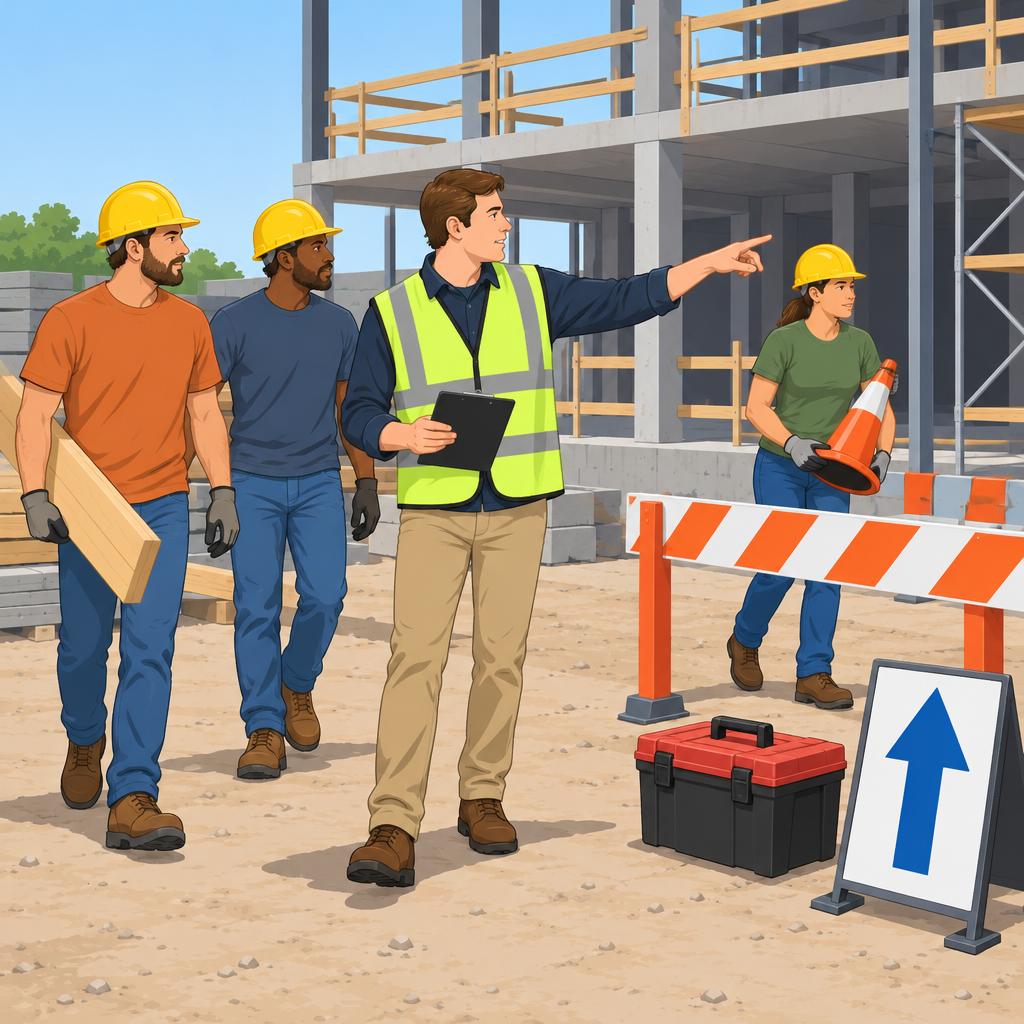
Addressing Safety Hazards in Construction
Construction companies should always treat safety as their highest priority.
Proper safety protocols reduce risks and protect everyone on the construction site.
Therefore, consistent safety practices support worker wellbeing and project success.
Importance of Prioritizing Safety
Safety measures help prevent accidents that could cause serious injuries or fatalities.
Transform Your Career Today
Unlock a personalized career strategy that drives real results. Get tailored advice and a roadmap designed just for you.
Start NowAdditionally, compliance with safety regulations helps companies avoid fines and legal consequences.
A safe workplace also strengthens trust, productivity, and the company’s reputation.
- Safety measures protect workers from injuries and life-threatening accidents.
- Legal compliance helps companies avoid costly fines and legal consequences.
- A safe environment builds worker confidence and supports productivity.
- Companies that prioritize safety can attract clients and build positive reputations.
Implementing Proper Safety Protocols
Construction companies should establish clear procedures for identifying and managing site hazards.
Regular training helps workers understand safety procedures and use equipment correctly.
Moreover, open communication allows teams to address concerns before accidents occur.
- Provide comprehensive training on safety procedures and protocols.
- Conduct routine inspections to identify and address potential hazards.
- Provide appropriate safety gear and require workers to use it.
- Encourage workers to report safety concerns without fear of retaliation.
- Develop an emergency response plan for fires, injuries, and other emergencies.
- Keep communication open so workers understand current safety procedures.
- Schedule regular safety meetings to discuss concerns and reinforce safe practices.
These practices create safer construction environments and support greater industry success and sustainability.
Discover More: Health and Safety Tips for Janitors and Custodians
Construction companies must follow environmental regulations to reduce harm to the environment.
Failure to comply can cause substantial fines and project delays.
Therefore, companies should understand environmental requirements before construction activities begin.
Environmental Compliance Challenges in Construction
Environmental compliance can challenge construction companies in several ways.
Moreover, teams must manage legal requirements while controlling project costs and schedules.
Changing regulations also require companies to review their compliance practices regularly.
- Many construction companies lack awareness of the regulations affecting their projects.
- Complex environmental laws can make compliance difficult to understand.
- Compliance measures can create additional costs for construction companies.
- Some companies lack the resources or expertise needed to manage regulatory requirements.
- Constantly changing laws require companies to monitor regulatory updates.
Practical Approaches to Environmental Compliance
Companies can strengthen compliance by educating employees about applicable environmental regulations.
Additionally, environmental consultants can provide guidance when internal expertise remains limited.
Technology and cooperation with regulators can further improve environmental performance.
- Provide regular training sessions to keep employees informed about environmental regulations.
- Hire environmental consultants to support compliance efforts when necessary.
- Use effective waste management practices to reduce environmental impact.
- Build positive relationships with regulatory bodies to streamline compliance processes.
- Invest in technology that tracks and monitors environmental performance.
Although environmental compliance presents challenges, companies must prioritize sustainability and environmental stewardship.
By applying these practices, construction teams can better navigate environmental laws.
Consequently, consistent compliance supports responsible construction activities and reduces avoidable regulatory problems.
You Might Also Like: Tips for Maintaining a Clean and Organized Home
Supply chain disruptions can significantly affect construction projects.
They can delay work, increase expenses, and reduce productivity.
Therefore, construction companies need practical strategies that protect material availability and project progress.
Impact of Supply Chain Disruptions on Construction Projects
Disruptions can prevent materials from reaching construction sites on schedule.
Consequently, delayed deliveries can extend project timelines and strain planned budgets.
Rush orders may then increase expenses as teams try to maintain progress.
Unavailable materials may also force substitutions that reduce project quality.
Strategies for Maintaining Material Availability
Companies can reduce these risks by coordinating procurement, suppliers, and project teams.
Additionally, proactive planning helps teams respond before shortages interrupt construction activities.
The following practices support a steadier flow of materials.
- Companies should diversify suppliers to reduce dependence on one source.
- Teams should prepare backup suppliers and alternative materials for emergencies.
- Regular updates help project participants identify and resolve delivery problems quickly.
- Supply chain software can track orders, inventory, and potential disruptions.
- Accurate demand forecasts help companies prevent material shortages and excess inventory.
- Strong supplier relationships encourage collaboration during unexpected supply chain problems.
Accurate forecasts help teams maintain sufficient materials without creating unnecessary inventory.
Furthermore, strong supplier partnerships can support practical solutions when disruptions occur.
Communication Issues
Effective communication helps project stakeholders overcome common construction challenges.
Poor communication can cause delays, errors, and misunderstandings that affect project success.
Therefore, construction teams should prioritize clear communication throughout each project.
Significance of Effective Communication
- Clear communication keeps everyone aligned with project goals and expectations.
- It prevents costly mistakes and rework by clarifying roles and responsibilities.
- Moreover, effective communication fosters a positive work environment and promotes team collaboration.
- It supports prompt problem-solving and decision-making, reducing conflicts and site disruptions.
Techniques for Improving Communication
- Use meetings, emails, and project management software to keep everyone informed.
- Establish clear communication lines and share stakeholder contact information readily.
- Additionally, encourage open and honest communication about emerging issues and concerns.
- Provide regular updates about project progress, milestones, and changes.
Collaboration on Construction Sites
- Promote teamwork and shared purpose among stakeholders to strengthen site collaboration.
- Involve all stakeholders in decision-making and problem-solving activities.
- Establish communication protocols that help information flow smoothly among team members.
- Hold regular meetings and site visits to discuss progress and address challenges.
By prioritizing communication and collaboration, construction teams can overcome challenges and achieve successful project outcomes.
Strategies for Successful Construction Delivery
Construction teams can improve project success by addressing common challenges before they disrupt delivery.
Proactive planning and teamwork help teams manage risks more effectively.
Moreover, early action supports smoother execution and strengthens client satisfaction.
Clear communication enables stakeholders to share information, clarify responsibilities, and resolve issues quickly.
Transform Your Career Today
Unlock a personalized career strategy that drives real results. Get tailored advice and a roadmap designed just for you.
Start NowTeams should also monitor budgets carefully to control costs and protect financial performance.
Diligent scheduling helps project leaders coordinate activities and maintain planned completion dates.
By combining these practices, construction professionals can reduce risks and improve project efficiency.
Consequently, teams can deliver quality results while protecting their professional reputation.
These efforts help projects finish on time and within budget.
Additional Resources
Google search results for Overcoming Common Challenges in Construction Construction and Manual Labor
Bing search results for Overcoming Common Challenges in Construction Construction and Manual Labor


