




Introduction
High-risk offenders may require focused intervention because their conduct can create serious risks.
Their circumstances can involve criminal history, behavior, or mental health issues.
Effective work aims to prevent future crimes, encourage rehabilitation, and protect society.
Defining High-Risk Offenders
High-risk offenders have a higher likelihood of re-offending or committing serious crimes.
Several factors can influence this likelihood, including criminal history, behavior, and mental health issues.
Professionals assess these factors when developing appropriate intervention and supervision strategies.
Importance of Working With High-Risk Offenders
Working with high-risk offenders can help prevent future crimes.
Furthermore, rehabilitation can support positive changes in individual behavior.
These efforts can reduce recidivism and contribute to safer communities.
Challenges and Rewards of Intervention
Professionals may face resistance when working with high-risk offenders.
They must also address underlying issues and encourage compliance with treatment and supervision.
Nevertheless, successful intervention can produce positive behavior change, reduced recidivism, and safer communities.
Understanding High-Risk Offenders
High-risk offenders are individuals who are more likely to commit crimes or re-offend than the general population.
Understanding their categories and characteristics supports effective risk management strategies.
Therefore, targeted approaches can help reduce re-offending and support public safety.
Categories of High-Risk Offenders
High-risk offenders fall into several categories with different challenges and risk factors.
Moreover, each category requires interventions that address its specific needs.
These distinctions help professionals select suitable strategies for managing re-offending risks.
- Violent offenders
- Sex offenders
- Repeat offenders
- Substance abusers
- White-collar criminals
Common Characteristics of High-Risk Offenders
Several characteristics commonly appear among people who face higher risks of re-offending.
However, these characteristics do not determine an individual’s behavior or future outcomes.
Recognizing these factors allows professionals to target interventions more effectively.
- History of substance abuse
- Lack of impulse control
- Antisocial personality traits
- Poor problem-solving skills
- Low levels of empathy
- Exposure to violence or trauma
Recidivism Rates Among High-Risk Offenders
Research shows that high-risk offenders have higher recidivism rates than low-risk offenders.
Approximately 70-80% of high-risk offenders will re-offend within five years after release from prison.
Consequently, proactive intervention and support can help reduce re-offending after release.
Effective work with high-risk offenders requires a comprehensive understanding of their challenges and risk factors.
Furthermore, evidence-based practices can address individual needs and support successful reintegration into society.
These efforts can reduce recidivism rates while enhancing public safety.
Training and Education for High-Risk Offender Work
- A bachelor’s degree in criminal justice or a related field provides the minimum education for this work.
- Specialized programs from correctional facilities or law enforcement agencies provide hands-on experience.
- Ongoing education helps professionals follow new trends, techniques, and best practices.
- Additionally, workshops, seminars, and conferences help professionals strengthen their skills.
- A master’s degree in criminology or psychology can deepen understanding of offender behavior.
- Certification programs, such as Certified Correctional Behavioral Health Professional, can demonstrate field expertise.
- Internships and volunteer opportunities in correctional facilities provide practical experience and networking opportunities.
- Professionals often need continuing education credits to maintain certifications and licenses.
- Specialized courses should cover risk assessment, behavioral analysis, and treatment interventions.
- Role-playing exercises and simulations can strengthen communication and de-escalation skills.
- Professionals must understand legal and ethical considerations to maintain integrity.
- Furthermore, cultural competence helps professionals interact effectively with diverse offender populations.
- Multidisciplinary collaboration with psychologists, social workers, and law enforcement supports holistic offender management.
- Mentors and experienced professionals can provide guidance and constructive feedback.
- Case reviews, peer consultations, and supervision sessions encourage professional reflection and learning.
- Finally, self-care practices such as mindfulness, exercise, and therapy can help prevent burnout.
You Might Also Like: CBP Officers and Technological Advancements
Effective intervention supports positive outcomes when professionals work with high-risk offenders.
These practices can address behaviors that contribute to criminal conduct.
They also aim to reduce reoffending and support successful rehabilitation.
Evidence-Based Interventions
- Cognitive-behavioral therapy addresses distorted thinking patterns and harmful behaviors.
- Motivational interviewing strengthens intrinsic motivation for meaningful change.
- Skills training builds prosocial behaviors and practical coping strategies.
- Mindfulness-based interventions increase self-awareness and emotional regulation.
- Restorative justice practices encourage accountability and address harm caused by offenses.
Individualized Treatment Plans
High-risk offenders may present complex needs and underlying issues connected to criminal behavior.
Individualized plans address those factors more effectively than uniform interventions.
Professionals should review each plan regularly as needs and progress change.
- Assess each offender’s risk and protective factors before selecting interventions.
- Consider developmental history, trauma experiences, and social support during treatment planning.
- Collaborate with multidisciplinary team members to provide integrated care.
- Monitor progress and adjust treatment when challenges emerge.
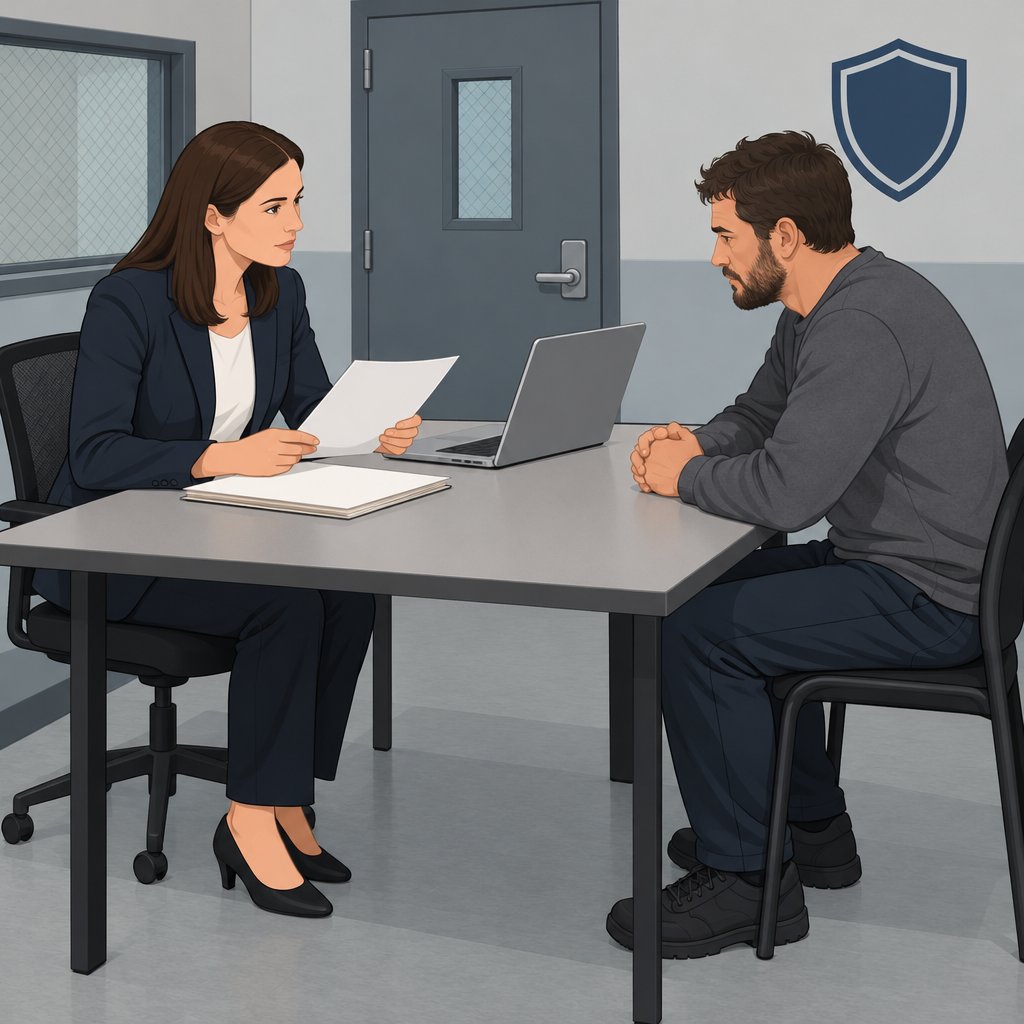
Cognitive-Behavioral Therapy Applications
Cognitive-behavioral therapy offers a recognized approach for working with high-risk offenders.
The method focuses on changing negative thoughts and behaviors.
It also helps participants develop practical responses to difficult situations.
- CBT helps offenders recognize distorted thinking patterns linked to criminal behavior.
- Participants develop coping skills for managing stress, anger, and impulsivity.
- The approach strengthens problem-solving and decision-making skills.
- Offenders learn to avoid situations that may increase personal risk.
- CBT can increase self-awareness and empathy during prosocial interactions.
Combining evidence-based interventions with individualized planning can strengthen rehabilitation efforts.
These approaches support safer reintegration by addressing behavior, coping, motivation, and accountability.
Gain More Insights: Work-Life Balance for Border Patrol Agents
Transform Your Career Today
Unlock a personalized career strategy that drives real results. Get tailored advice and a roadmap designed just for you.
Start NowCollaboration with Law Enforcement and the Legal System
- Professionals must explain collaboration’s importance when managing high-risk offenders.
- Professionals can protect the community by sharing critical information and resources.
- However, agencies may face bureaucratic hurdles and differing priorities within the criminal justice system.
- Collaboration improves communication, coordination, and monitoring efficiency for high-risk offenders.
Explore Further: Top Challenges Wildland Firefighters Face
Managing Burnout and Self-Care
Working with high-risk offenders can create a significant emotional toll for professionals.
This work may affect mental health, personal well-being, and professional effectiveness.
Therefore, professionals should prioritize self-care while managing ongoing workplace stress.
- Recognize that working with high-risk offenders can feel emotionally draining.
- Understand how this work may affect your mental health and well-being.
- Seek support from colleagues, supervisors, or mental health professionals when needed.
Strategies for Managing Stress
Clear boundaries can help professionals separate workplace demands from their personal lives.
Mindfulness and physical activity can also support healthier responses to stress.
Short pauses during the workday provide opportunities to relax and regain focus.
- Establish boundaries between work and personal life to help prevent burnout.
- Practice mindfulness techniques such as deep breathing or meditation.
- Engage in regular physical exercise to help reduce stress levels.
- Take short breaks throughout the day to relax and recharge.
Preventing Burnout
Regular self-monitoring can reveal emotional strain before it becomes overwhelming.
Time away from work allows professionals to rest, recover, and restore their energy.
Supervision and counseling can help professionals process challenging work experiences.
- Monitor your emotional well-being and seek help when you feel overwhelmed.
- Take regular time off to rest and recharge.
- Participate in activities outside work that bring joy and relaxation.
- Attend regular supervision or counseling sessions to process work experiences.
The Importance of Self-Care
Self-care remains necessary for professionals who work with high-risk offenders.
Ignoring personal needs can reduce job performance and increase the risk of burnout.
Taking care of yourself also supports the clients and communities you serve.
- Recognize self-care as a necessity rather than a luxury.
- Understand that neglecting self-care can affect performance and increase burnout risk.
- Prioritize activities that help you unwind after challenging workdays.
- Remember that personal well-being ultimately benefits the clients you serve.
Explore Further: Campus Security Officer: Emergency Response Skills
Building Rapport and Trust
Building rapport with high-risk offenders supports a positive therapeutic relationship.
It encourages effective communication between the offender and the professional.
Furthermore, it helps establish trust during rehabilitation.
Techniques for Building Rapport
Professionals need patience, empathy, and a non-judgmental attitude when building rapport.
They should also communicate consistently and demonstrate genuine interest in rehabilitation.
These practices can make therapeutic interactions more constructive and respectful.
- Active listening requires attention to the offender’s words without judgment.
- Empathy involves understanding and acknowledging the offender’s feelings and experiences.
- Respect means treating offenders with dignity despite their past actions.
- Genuine interest shows sincere concern for the offender’s well-being and rehabilitation.
- Consistency makes professional interactions reliable and predictable.
Trust in the Therapeutic Relationship
Trust encourages offenders to communicate honestly and openly with their therapist.
It also supports cooperation when professionals and offenders establish rehabilitation goals.
Moreover, trust can reduce resistance and support meaningful change.
- Trust encourages openness during therapeutic discussions.
- Trust promotes cooperation when setting goals and pursuing rehabilitation.
- Trust reduces resistance to treatment and professional guidance.
- Trust facilitates change and personal growth during rehabilitation.
Effective Communication Strategies
Professionals can strengthen therapeutic communication by using clear, respectful, and supportive language.
They should also monitor their body language and facial expressions.
Additionally, constructive feedback can clarify how actions affect others.
- Clear and concise language communicates information in a straightforward way.
- Non-verbal communication includes body language and facial expressions.
- Validation acknowledges feelings and experiences without requiring agreement.
- Constructive feedback helps offenders understand the effects of their actions.
- Encouragement motivates offenders toward positive change.
Therefore, a positive therapeutic relationship can support offenders throughout their rehabilitation journey.
Evaluating Progress
Professionals must constantly evaluate progress and success when working with high-risk offenders.
Regular evaluation shows whether interventions remain effective.
It also shows whether individuals continue toward rehabilitation and reintegration into society.
- Professionals can measure effectiveness through regular assessments of behavior and treatment compliance.
- Validated assessment tools and outcome measures can provide valuable intervention data.
- Changes in attitudes, beliefs, and behaviors can indicate treatment progress.
- Collaboration with professionals and agencies can provide broader progress insights.
Importance of Tracking Progress
Professionals track progress to monitor each offender’s journey.
They can adjust treatment plans when needs or challenges change.
Early monitoring also helps professionals address regression or non-compliance.
- Tracking progress helps professionals monitor rehabilitation and adjust treatment plans.
- Early signs of regression or non-compliance can reveal issues that hinder progress.
- Regular monitoring can reinforce positive behaviors and sustain commitment to rehabilitation goals.
- Professionals can tailor interventions to specific needs and challenges.
Indicators of Success
Professionals can identify success through behavioral, social, and reintegration outcomes.
Reduced criminal behavior can indicate meaningful progress.
Support networks can provide additional feedback about rehabilitation.
- Decreased recidivism and criminal behavior can indicate successful intervention.
- Improved social skills, coping mechanisms, and problem-solving abilities demonstrate positive change.
- Education, employment, or vocational training can support successful reintegration.
- Positive feedback from family, peers, and support networks can indicate rehabilitation progress.
These measures help professionals assess interventions, support rehabilitation, and reduce the likelihood of reoffending.
Professional Practice and Community Safety
Working with high-risk offenders requires specialized skills and a deep understanding of human behavior.
Professionals should approach these individuals empathetically while maintaining firm boundaries and clear expectations.
Moreover, rapport and trust help professionals intervene effectively and support rehabilitation and reintegration.
Transform Your Career Today
Unlock a personalized career strategy that drives real results. Get tailored advice and a roadmap designed just for you.
Start NowBecause these individuals often have complex needs and histories, treatment requires a nuanced, multifaceted approach.
Additionally, continued professional development keeps practitioners informed about best practices and evidence-based interventions.
Although this work challenges professionals, witnessing positive change and growth can make it deeply rewarding.
By continuing to learn and grow, professionals can positively affect individual lives and community safety.
Additional Resources
Google search results for Working with High-Risk Offenders Protective Services
Bing search results for Working with High-Risk Offenders Protective Services


