




Understanding Waste Management Workers
Many misconceptions surround waste management workers.
Debunking these misunderstandings helps people appreciate the crucial work these workers perform.
Their efforts help keep communities clean and safe.
Waste Management Requires Specialized Skills
- Many people assume waste management workers need neither education nor specialized skills.
- However, this work demands varied knowledge, training, and practical abilities.
- Workers learn safety protocols, equipment operation, and proper waste segregation procedures.
- They also solve problems that arise during daily operations.
Knowledge Required for Safe Waste Handling
- For example, workers must understand recycling practices and waste disposal regulations.
- They operate different machines and equipment safely and efficiently.
- Additionally, they classify waste and handle hazardous materials correctly.
Waste Management Workers Support Public Health
- Waste management workers help keep communities clean and healthy.
- Moreover, they prevent pollution, reduce landfill waste, and support sustainability.
- Without their efforts, environmental risks would increase and public health could suffer.
Misconception: Waste Management Workers Are Not Environmentally Conscious
This misconception about waste management workers is far from the truth.
Waste management professionals promote sustainability through daily work and environmentally responsible practices.
They recognize that improper disposal harms the environment and work to reduce that harm.
For several reasons, their work reflects strong environmental responsibility.
- Commitment to Sustainability: Workers reduce landfill waste and encourage recycling and composting.
- Training and Education: Many workers receive training about environmental issues and sustainable waste management practices.
- Green Initiatives: Workers join community efforts that promote recycling, composting, and other environmentally responsible practices.
- Advanced Technology: Modern equipment improves collection, processing, disposal, energy use, and emissions management.
- Community Engagement: Workers join events, workshops, and outreach programs that teach proper waste management.
- Regulatory Compliance: Workers follow local, state, and federal rules for handling, disposal, and recycling.
These efforts reduce environmental impact and support sustainable waste management.
Waste management workers contribute to environmental protection through their daily responsibilities.
You Might Also Like: How to Ensure Quality in Construction Projects
Physical Fitness in Waste Management Work
One common misconception suggests that waste management workers lack the fitness required for their jobs.
This view often reflects limited understanding of the physical demands involved in waste management.
In reality, workers need strength, endurance, and resilience to complete their daily responsibilities.
Addressing the Physical Demands of the Job
Workers regularly handle heavy bags and bulky items during waste collection.
They also spend long periods walking, standing, and moving between collection points.
Additionally, changing weather conditions can make their physical duties more challenging.
- Workers lift heavy trash bags and bulky objects during their daily duties.
- They require endurance because collection work involves extended periods on their feet.
- They perform these demanding tasks in various weather conditions.
The Importance of Physical Fitness
Physical fitness helps workers perform their responsibilities effectively and safely.
Strength and stamina also help them manage demanding tasks without unnecessary difficulty.
Furthermore, proper conditioning can reduce the risk of strains and other injuries.
- Fitness supports safe handling of heavy materials and equipment.
- Good strength helps workers avoid injuries caused by improper lifting.
- Physical readiness allows workers to complete collection tasks efficiently.
Recognizing Workers’ Commitment
Waste management workers perform essential duties that help keep communities clean and safe.
Although their work often happens behind the scenes, it supports public health and sanitation.
Their continued commitment shows the strength, dedication, and resilience required by this profession.
Gain More Insights: Landscape Architect: Working with Historic Properties
One common misconception about waste management workers is that society does not value or respect them.
This belief stems from limited understanding of their important role in keeping communities clean and safe.
Societal Stigma Surrounding Waste Management Workers
Waste management workers often face negative stereotypes because of their work.
Many people view their jobs as dirty, menial, and unskilled.
Consequently, society may show their profession little respect.
Their work often happens behind the scenes, so people may overlook their daily efforts.
They collect and dispose of trash without receiving much recognition.
Moreover, waste’s unpleasant odors and unsanitary associations can further devalue their work.
Yet this view ignores the essential services they provide.
Ways to Show Appreciation and Respect
- Public education can explain how workers help maintain clean and healthy communities.
- Public events, awards, and social media campaigns can recognize and celebrate their contributions.
- Employers can provide training and development opportunities that support professional growth.
- Organizations can improve working conditions and safety measures to protect workers.
- Competitive wages and benefits can attract and retain talented industry workers.
These actions can challenge negative perceptions surrounding waste management workers.
They can also show appreciation for the role workers play in community health and cleanliness.
Find Out More: Advancements in Ironworking Technology and Tools
Waste Management Requires Shared Responsibility
Waste management workers handle essential tasks that support clean and orderly communities.
However, they cannot address every waste-related issue alone.
Individuals, businesses, and governments must also support responsible waste management practices.
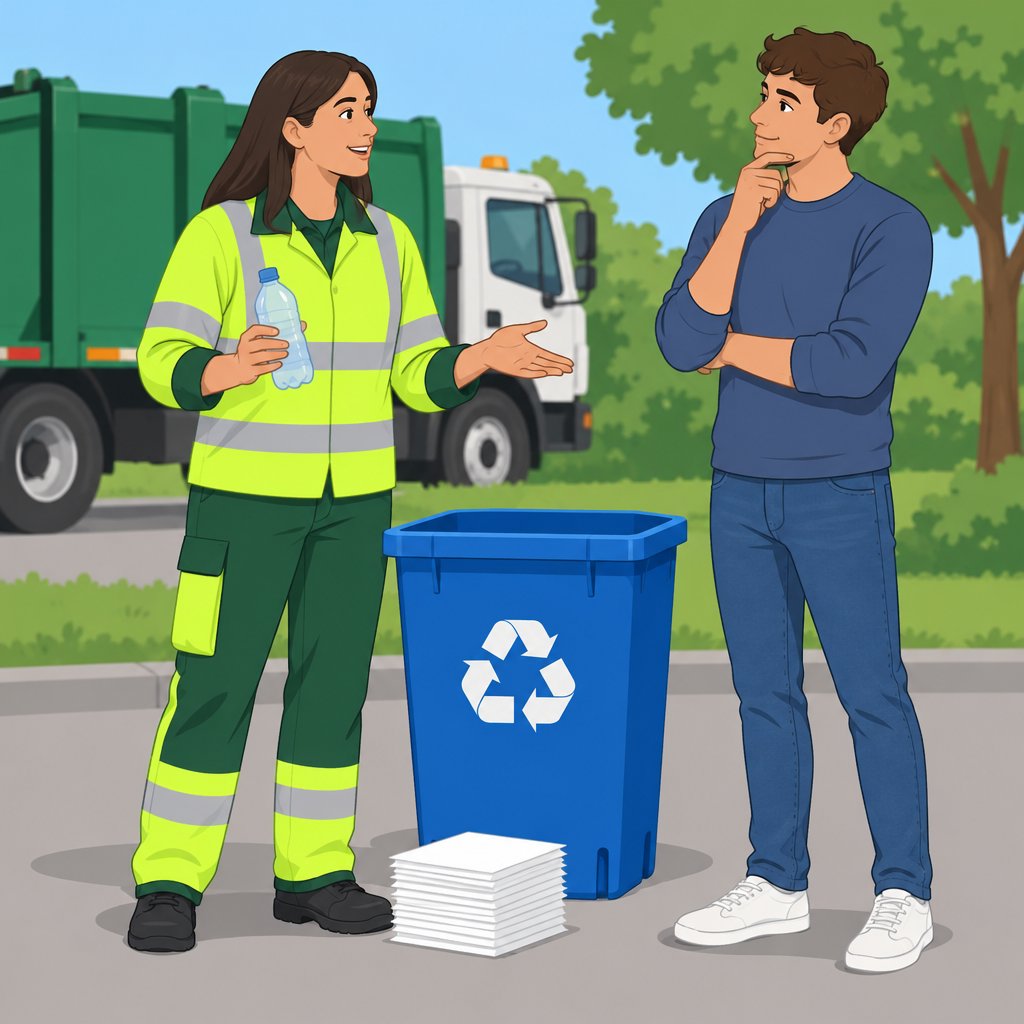
Responsibilities of Waste Management Workers
Waste management workers collect, transport, sort, and dispose of waste properly.
They also protect communities by handling hazardous materials safely.
Transform Your Career Today
Unlock a personalized career strategy that drives real results. Get tailored advice and a roadmap designed just for you.
Start NowTheir primary responsibilities include the following tasks.
- Collecting waste from residential, commercial, and industrial areas.
- Sorting and separating recyclable materials from non-recyclable waste.
- Handling and disposing of hazardous waste safely.
- Maintaining cleanliness and order at waste collection points.
Collective Responsibility in Waste Management
Effective waste management depends on cooperation among workers, individuals, businesses, and governments.
People can reduce pressure on waste services by limiting the waste they create.
Communities also need responsible disposal habits and sustained support for environmental initiatives.
- Reduce waste through recycling and composting.
- Dispose of waste in designated bins or facilities.
- Support initiatives that promote waste reduction and sustainability.
- Participate in community clean-up activities.
Shared Accountability for Waste-Related Issues
Waste management workers perform vital duties, but they do not bear every responsibility.
When everyone contributes, waste management becomes more effective and sustainable.
Recognizing shared accountability encourages better habits and supports cleaner surroundings.
Delve into the Subject: Residential vs. Commercial Pest Control Jobs
Waste Management Workers Demonstrate Professionalism
Society often views waste management workers as careless and irresponsible.
This perception relies on stereotypes and biases rather than accurate observations.
However, these stereotypes fail to reflect the professionalism and dedication these essential workers demonstrate.
Professional Standards in Waste Management
Waste management workers undergo rigorous training to handle waste safely and efficiently.
They manage various waste types, including hazardous materials that require expertise and caution.
Furthermore, workers follow safety protocols in challenging environments, including landfills and recycling facilities.
- Waste management workers receive training that supports safe and efficient waste handling.
- They manage different waste types, including hazardous materials.
- They work in landfills and recycling facilities where safety remains essential.
- Their work helps keep communities clean and safe.
Work Ethic and Environmental Commitment
Waste management workers take pride in keeping the environment clean.
They work long hours in changing weather conditions to manage waste properly.
Many workers also support environmental sustainability by reducing waste and promoting recycling.
- Waste management workers demonstrate a strong work ethic.
- They work in all weather conditions to collect and dispose of waste properly.
- Many workers support sustainability through waste reduction and recycling.
- Labeling these hardworking individuals as careless ignores their public health contributions.
The misconception that waste management workers act carelessly remains unfounded.
These dedicated professionals manage waste effectively while protecting the environment.
Communities should appreciate and respect their hard work and commitment.
Importance of Fair Wages and Benefits for Waste Management Workers
Some people mistakenly believe that waste management workers receive poor compensation.
Fair wages and benefits recognize their essential work and support strong performance.
These employment conditions also strengthen the waste management industry.
Recognition of Their Essential Role
Waste management workers help keep communities clean and healthy.
Fair compensation acknowledges the importance of their work in society.
It also shows that communities value the services these workers provide.
Retention of Skilled Workers
Competitive wages and benefits attract skilled workers to the waste management industry.
They also encourage experienced employees to remain in their positions.
Consequently, communities maintain a consistent workforce that handles waste effectively.
Motivation and Job Satisfaction
Fair compensation can increase workers’ motivation and job satisfaction.
Motivated employees often demonstrate stronger productivity and performance.
As a result, employers benefit from a more engaged workforce.
Economic Impact of Waste Management Workers on Communities
Some people also believe that waste management work creates little economic value.
In reality, the industry supports employment, revenue generation, and community services.
Proper waste management also protects public health and improves quality of life.
Job Creation
The waste management industry provides employment opportunities for many individuals.
Waste collectors, recyclers, landfill workers, and other professionals support this industry.
Together, these roles create jobs within communities.
Revenue Generation
Waste management companies generate local revenue through collection services.
Communities can reinvest this revenue in public projects and initiatives.
Transform Your Career Today
Unlock a personalized career strategy that drives real results. Get tailored advice and a roadmap designed just for you.
Start NowTherefore, waste services contribute to local economic activity.
Environmental Benefits
Waste management workers help reduce pollution through proper waste handling.
Their work protects the environment and supports healthier communities.
These benefits can improve public health and quality of life.
Cost Savings
Efficient waste management practices can reduce costs for municipalities and businesses.
Recycling and waste reduction can lower disposal fees.
These practices can also reduce other expenses linked to waste handling.
Community Well-Being
Waste management workers support the overall well-being of their communities.
They help create cleaner and safer surroundings by handling waste properly.
Furthermore, their work supports a more sustainable environment for everyone.
Recognizing the Essential Role of Waste Management Workers
After debunking common misconceptions, waste management workers clearly deserve respect and appreciation.
They play a crucial role in keeping our environment clean and safe.
Furthermore, people should understand the challenges they face and the importance of their work.
Waste management workers are not merely garbage collectors.
Instead, they serve as essential frontline workers who protect public health and the environment.
Therefore, they deserve recognition and support for their tireless efforts.
Next time you see a waste management worker, take a moment to thank them for their hard work.
Their job is tough and often underappreciated.
Nevertheless, their contribution to society remains invaluable.
Let us show them the respect they deserve.


