




Quality Standards in Construction
Construction teams must ensure quality for successful project completion.
Quality means meeting or exceeding specified standards and requirements.
It supports safety, durability, and customer satisfaction throughout construction projects.
Proper Planning
Proper planning is crucial before any construction project begins.
It sets the foundation for a successful outcome.
Additionally, detailed planning identifies potential challenges and supports strategies to address them.
- Detailed planning before starting the construction project
- Materials, manpower, and timeline considerations
- Project management software for planning and scheduling
Furthermore, detailed planning helps teams identify challenges and develop suitable strategies.
Materials, manpower, and timelines each influence project progress and completion.
Project management software simplifies scheduling and resource allocation.
Qualified contractors help ensure quality in construction projects.
Experienced and reputable contractors bring valuable expertise to each project.
They can manage various challenges that may arise during construction.
Check references and previous work samples before selecting contractors.
This review helps you assess past work quality and expected results.
Also, confirm that contractors hold proper licenses and insurance.
These protections reduce liability and support professional construction practices.
When evaluating contractors, consider these criteria.
- Experience: Choose contractors with successful projects similar to yours.
- Reputation: Read reviews and request recommendations from trusted sources.
- Communication: Select contractors who respond promptly and collaborate effectively.
- Skillset: Confirm that contractors possess the expertise your project requires.
By following these steps, you can improve your project’s likelihood of meeting quality standards.
Uncover the Details: Landscape Architect: Working with Historic Properties
Quality Materials in Construction
Using high-quality materials helps construction projects achieve lasting durability.
Project teams must check materials for durability and performance before using them.
Additionally, trusted suppliers help teams obtain reliable materials for construction.
- Verify each material’s origin to confirm its quality and authenticity.
- Inspect materials upon delivery to identify defects or damage.
- Test materials before use to assess their performance and durability.
- Confirm that materials meet the project’s required specifications and standards.
As a result, quality materials and trusted suppliers support durable construction projects.
Gain More Insights: Advancements in Ironworking Technology and Tools
Regular Inspections and Quality Control
- Conduct inspections throughout the construction process.
- Implement quality control measures to identify and address issues.
- Make necessary adjustments to maintain quality standards.
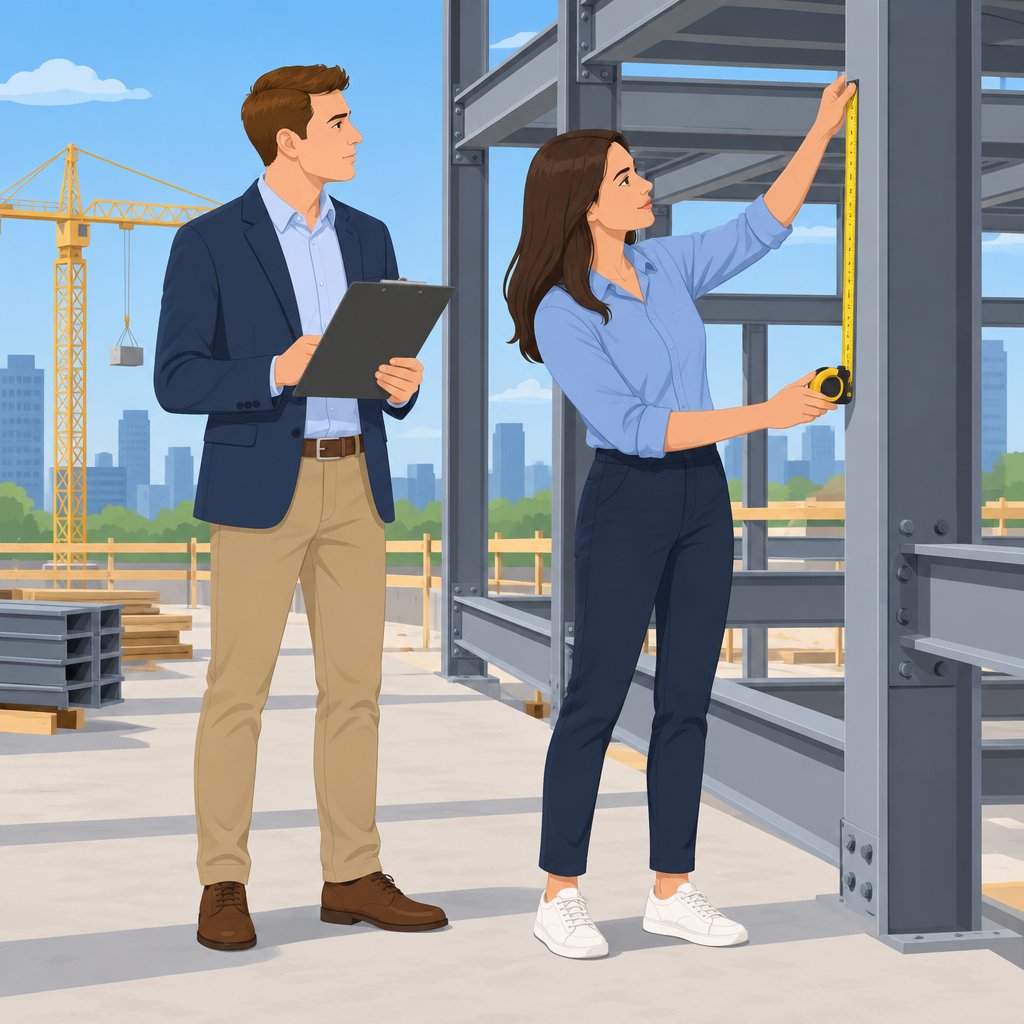
Project managers and quality control teams conduct inspections throughout construction.
These inspections reveal potential issues early and support prompt corrective action.
Meanwhile, quality control measures help teams monitor and evaluate completed work.
Teams can then address deviations from established requirements quickly.
When inspections identify problems, project teams make necessary adjustments promptly.
Those adjustments may reassign tasks, provide employee training, or change materials and equipment.
Consequently, the project can remain on course while meeting its quality objectives.
Regular inspections and quality control help construction teams deliver results that satisfy clients and stakeholders.
Delve into the Subject: Residential vs. Commercial Pest Control Jobs
Communication and Collaboration in Construction Projects
- Clear communication among all stakeholders supports quality assurance.
- Regular meetings help teams discuss progress and address concerns promptly.
- Architects, engineers, contractors, and clients must collaborate to meet quality expectations.
Effective communication keeps construction stakeholders aligned and focused on shared project goals.
Without clear communication, misunderstandings can cause delays, cost overruns, and lower-quality results.
Therefore, teams should share information clearly throughout the project.
Regular meetings create opportunities to review progress and address emerging concerns.
During these discussions, stakeholders can ask questions, voice opinions, and adjust project plans.
Consequently, collective decisions help teams maintain direction and respond quickly to issues.
Close collaboration allows architects, engineers, contractors, and clients to coordinate their responsibilities.
Transform Your Career Today
Unlock a personalized career strategy that drives real results. Get tailored advice and a roadmap designed just for you.
Start NowEach group can share expertise and knowledge while supporting consistent project execution.
As a result, coordinated efforts can help the team deliver work that meets expectations.
Communication and collaboration also foster trust and strengthen working relationships.
Moreover, a productive team environment can support successful project completion and stakeholder satisfaction.
See Related Content: How Climate Change Affects Commercial Fishing
Compliance with Building Codes and Regulations
Construction projects must follow building codes and regulations to protect safety and structural integrity.
- Project teams must obtain necessary permits and approvals before construction begins.
- Building inspectors regularly verify compliance throughout the construction process.
These standards establish legal requirements for safe and durable buildings.
Before breaking ground, project teams must secure approvals from local authorities.
Required permits may include zoning, building, and environmental approvals.
However, requirements vary according to the project and its circumstances.
Without proper permits, authorities may impose fines, delays, or work stoppages.
Therefore, teams should complete all legal requirements before beginning construction.
During construction, inspectors assess whether completed work follows applicable codes and regulations.
They identify violations and provide feedback that helps teams correct problems.
Construction teams should address inspection findings promptly to prevent rework and penalties.
By following these requirements, projects can deliver safe, durable, and lawful buildings.
Safety should guide every construction project because it protects workers and helps prevent accidents and injuries.
Construction companies can strengthen project quality when they place safety at the center of daily operations.
Moreover, consistent safety practices support a controlled work environment for everyone on site.
Importance of Prioritizing Safety in Construction Projects
Prioritizing safety protects workers and helps companies maintain a positive reputation.
Furthermore, effective safety measures can improve productivity across construction activities.
They also reduce costly delays caused by accidents and injuries.
Providing Proper Safety Training to Workers
Before work begins, construction companies should provide thorough safety training to every worker.
This training should explain how workers use safety equipment correctly.
It should also cover emergency procedures and the importance of following safety protocols.
Implementing Safety Measures to Prevent Accidents and Injuries
Construction companies can apply several measures to prevent accidents and injuries on site.
Regular inspections help teams identify potential hazards and address them promptly.
Additionally, clear procedures help workers understand their responsibilities during daily construction activities.
- Conduct regular safety inspections to identify potential hazards and address them promptly.
- Require workers to wear personal protective equipment, including helmets, gloves, and safety harnesses.
- Establish clear communication channels so workers understand safety protocols and procedures.
- Train workers to operate heavy machinery and equipment safely.
- Maintain a clean, organized work site to prevent slips, trips, and falls.
These measures create a safer work environment and reduce the likelihood of accidents and injuries.
As a result, safety practices can support stronger project efficiency and quality.
Delivering Durable Construction Outcomes
Construction teams can improve outcomes by coordinating decisions across every project stage.
Consistent attention to workmanship helps prevent costly mistakes and supports lasting structural function.
Teams should evaluate project decisions against expected quality, safety, compliance, and performance requirements.
This approach connects daily work with the project’s intended results.
Consequently, disciplined quality management helps teams deliver structures that meet or exceed expectations.
Additional Resources
Bing search results for How to Ensure Quality in Construction Projects Construction and Manual Labor


