




Introduction
Waste management workers help communities maintain cleanliness and safety.
They collect trash and support recycling efforts in their communities.
Additionally, their daily work helps keep the environment healthy.
Starting the Day
Waste management workers usually begin their shifts early in the morning.
Before leaving, they put on protective gear for their assigned duties.
Then, the workers travel to their designated routes.
Collecting Trash
Workers collect trash from residential and commercial areas.
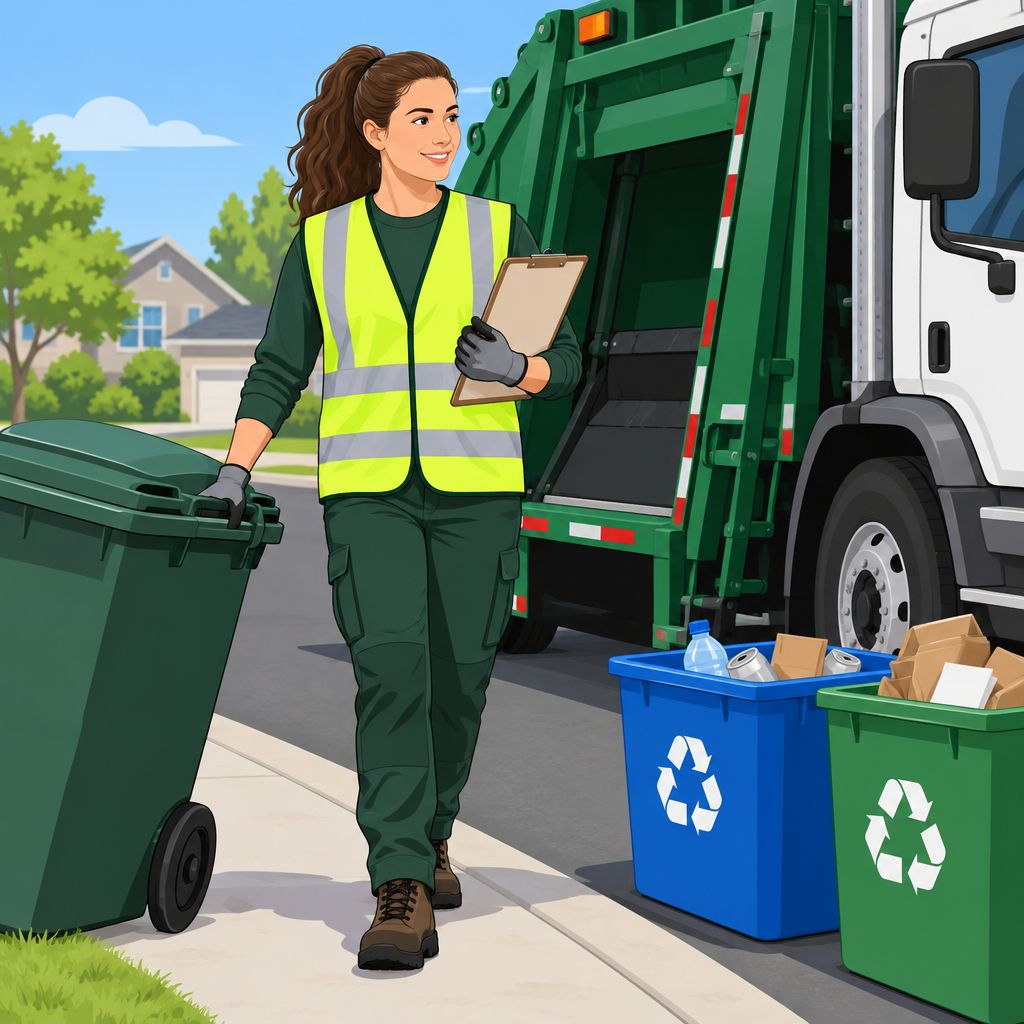
They drive through neighborhoods and empty bins into collection trucks.
As a result, regular collection keeps shared spaces cleaner.
Sorting and Recycling
After collection, workers separate recyclable materials from non-recyclable waste.
This process helps reduce the amount of waste requiring disposal.
Furthermore, recycling supports sustainability within local communities.
Specialized Waste Handling
Some waste management workers receive training for handling hazardous materials.
They follow strict procedures when managing these substances.
These safety measures support responsible disposal and protect the surrounding community.
Teamwork and Communication
Waste management workers depend on teamwork to complete their responsibilities efficiently.
They communicate while coordinating coverage across their assigned routes.
Consequently, cooperation helps workers organize their daily collection activities.
Completing the Workday
After finishing their routes, workers return to the facility.
There, they unload collected trash and prepare for the following day.
Their continued effort helps communities remain clean and safe.
Waste Management Worker Responsibilities
Waste management workers collect and transport waste materials from various locations.
They also sort recyclable materials from regular waste during their daily duties.
Furthermore, they maintain clean collection areas to support safe and hygienic waste disposal.
Collecting and Transporting Waste Materials
Workers begin each day by reviewing their assigned route.
They collect waste materials from residential, commercial, and industrial areas.
Next, they load the materials onto their designated vehicle.
They transport the waste to an appropriate disposal or recycling facility.
Attention to detail helps workers collect and transport waste according to regulations and guidelines.
Sorting Recyclables from Regular Waste
At the facility, workers sort recyclable materials from regular waste.
They separate paper, plastic, glass, and metal for recycling.
This process diverts recyclable materials from landfills and sends them to recycling centers.
Proper sorting helps recycling facilities process materials efficiently.
As a result, workers support environmental sustainability through responsible material handling.
Maintaining Clean Waste Collection Areas
Workers maintain collection areas to prevent littering and environmental contamination.
They regularly clean collection bins, dumpsters, and surrounding areas.
This work keeps the waste disposal process clean and organized.
Additionally, clean collection areas improve the community’s overall appearance and safety.
Through these responsibilities, waste management workers promote responsible disposal and recycling practices.
Waste Management Workday Schedule
As a waste management worker, my day usually starts bright and early in the morning.
Transform Your Career Today
Unlock a personalized career strategy that drives real results. Get tailored advice and a roadmap designed just for you.
Start NowAt 5:00 am, my alarm signals another bustling day ahead.
Upon arriving at the waste management facility, I begin by planning collection routes.
First, I map efficient routes to maximize our productivity throughout the day.
During peak seasons or busy periods, our team may need to work overtime.
Consequently, we complete waste collection and disposal in a timely manner.
Our team remains punctual, reliable, and dedicated to keeping the community clean and green.
Each day brings unique challenges and rewards that make this work fulfilling and worthwhile.
Gain More Insights: Apprenticeship Programs for Aspiring Boilermakers
Challenges Faced by Waste Management Workers
- Waste management workers handle dangerous chemicals and substances throughout their work.
- Additionally, the job demands lifting heavy objects and working through extreme weather conditions.
- Workers also complete long hours of physically demanding labor.
- Furthermore, workers often encounter hostility from uncooperative or disrespectful residents.
See Related Content: How to Maintain and Repair Installed Glass Structures
Safety Precautions and Training
Effective safety precautions and training help waste management workers control risks during waste handling.
These measures support safer decisions when workers encounter hazardous materials.
Together, protective equipment, instruction, and clear protocols strengthen workplace safety.
Importance of Proper Protective Gear
Workers wear gloves, safety goggles, and masks when handling waste.
In addition, protective gear helps prevent injuries, infections, and exposure to harmful chemicals.
As a result, suitable equipment reduces the risk of accidents.
Training on Waste Handling Procedures
Workers receive thorough training on safe methods for handling different types of waste.
They learn to dispose of hazardous materials and recyclables properly.
Furthermore, training covers equipment use and techniques that minimize risks.
Protocols for Handling Different Types of Waste
Specific protocols guide workers who handle biohazardous, chemical, and electronic waste.
For example, workers follow guidelines that prevent contamination during disposal.
By following these protocols, workers protect themselves and the environment from harm.
Find Out More: Machinist Work Environment: What to Expect
Environmental Impact of Waste Management Work
Waste management work directly affects how communities handle discarded materials.
Therefore, environmentally responsible practices can reduce pollution and conserve resources.
Workers support these goals through recycling, waste reduction, sustainability, and greener collection methods.
Importance of Recycling and Waste Reduction
Recycling diverts useful materials from landfills and supports more responsible resource use.
Workers sort plastic, paper, and glass before sending these materials to recycling facilities.
This process helps conserve natural resources and reduces the volume of landfill waste.
Waste reduction also limits the amount of discarded material entering collection systems.
For example, reusable bags and containers can replace many single-use products.
By promoting these practices, workers help protect environmental resources for future generations.
Promoting Sustainability in Waste Management Practices
Sustainable practices guide waste management operations toward less harmful environmental outcomes.
Teams can use energy-efficient vehicles and equipment to reduce operational demands.
They can also consider alternative fuel sources and responsible disposal methods.
Moreover, sustainability requires solutions that protect environmental health over time.
Waste management teams can partner with local organizations to develop recycling programs.
They can educate the public about proper disposal and support sustainable policies.
Implementing Green Initiatives in Waste Collection
Green initiatives can make waste collection more efficient and environmentally responsible.
Electric and hybrid vehicles can reduce greenhouse gas emissions during collection activities.
Composting programs can divert organic waste from landfills.
Transform Your Career Today
Unlock a personalized career strategy that drives real results. Get tailored advice and a roadmap designed just for you.
Start NowIn addition, improved technology can streamline operations and reduce environmental impacts.
These initiatives can lower the carbon footprint associated with waste collection.
By applying greener methods, workers contribute to a cleaner and healthier environment.
You Might Also Like: How to Become a Licensed Pest Control Worker
Career Growth Opportunities in Waste Management
Waste management offers opportunities for professional development and career growth.
Workers can build valuable skills through training, leadership opportunities, and specialized roles.
These pathways can help employees develop fulfilling careers within the industry.
Training Programs for Advancement
Many waste management companies provide training programs that support employee advancement.
These programs may cover safety protocols, equipment operation, and environmental regulations.
By completing training, workers can gain skills that increase their value to employers.
Management Roles in Waste Collection Companies
Experienced workers may advance into management positions within their companies.
Possible roles include team supervisor, operations manager, and general manager.
Managers lead teams, improve efficiency, and help ensure regulatory compliance.
Specialization in Recycling or Hazardous Waste Management
Workers can also specialize in areas such as recycling or hazardous waste management.
Specialization allows employees to develop expertise and pursue more challenging responsibilities.
Recycling specialists may develop programs, while hazardous waste specialists focus on safe material disposal.
Personal Experiences and Anecdotes from Waste Management Workers
Waste management workers encounter unexpected discoveries during collection.
They also overcome practical obstacles while handling discarded materials.
Meanwhile, their work supports cleaner communities and a healthier environment.
Interesting Finds During Waste Collection
Waste management workers sometimes discover valuable or unusual items among collected rubbish.
For example, one worker found a perfectly functioning laptop beneath a pile of rubbish.
The owner had accidentally discarded it while cleaning the house.
Another worker discovered vintage comic books that could fetch a good auction price.
These unexpected discoveries make collection work more exciting.
They also encourage workers to remain alert during daily duties.
Challenges Overcome During Waste Collection
Waste management work includes several demanding challenges.
Workers handle heavy and bulky items during regular collection activities.
They also navigate narrow alleyways while driving garbage trucks.
Furthermore, workers handle hazardous materials carefully to protect themselves and the environment.
They educate the public about proper disposal and encourage greater recycling.
Despite these obstacles, workers take pride in keeping communities clean and sustainable.
Rewards of Supporting a Cleaner Environment
Waste management workers gain meaningful rewards despite unpleasant working conditions.
Their efforts directly support cleaner and healthier environments.
Seeing less landfill waste and more recycling motivates workers to continue serving communities.
They also help preserve the planet for future generations.
Additionally, community gratitude reinforces the importance of their work.
Daily Collection and Waste Processing
Starting bright and early, workers collect trash from homes and businesses.
They navigate neighborhoods and empty bins into trucks with efficiency and care.
Each stop presents challenges, including heavy lifting and separating recyclables from general waste.
Despite demanding work, these workers take pride in keeping communities clean.
Transform Your Career Today
Unlock a personalized career strategy that drives real results. Get tailored advice and a roadmap designed just for you.
Start NowMoreover, they work through rain or shine to ensure garbage receives collection.
Once routes end, workers transport collected waste to a disposal site.
At landfills or recycling centers, they unload materials for processing and proper disposal.
Next, workers separate recyclables for delivery to recycling facilities.
The Community Value of Their Daily Work
After a long day, workers return home knowing they made a difference.
Consistent collection supports the community’s daily cleanliness.
Communities can appreciate these workers for their tireless efforts behind the scenes.
Additional Resources
Google search results for Day in the Life of a Waste Management Worker Construction and Manual Labor
Bing search results for Day in the Life of a Waste Management Worker Construction and Manual Labor


