




Machinists operate and maintain machines that produce precision metal parts.
Understanding the work environment helps machinists support safety and efficiency during daily tasks.
Physical Environment
Machinists typically work in manufacturing plants, machine shops, or tool rooms.
They operate various types of machinery in these workplaces.
These settings support their efforts to produce precision metal parts.
Work Conditions
Machinists may encounter loud noises, extreme temperatures, and hazardous materials.
Therefore, they must wear protective gear while working.
Protective gear helps them address these challenging conditions.
Work Schedule
Machinists usually work full-time hours.
Some shifts include evenings and weekends.
Production demands determine when those shifts occur.
Team Collaboration
Machinists work closely with engineers, designers, and quality control inspectors.
Together, they help ensure products meet specifications.
This collaboration connects machine operation with product requirements.
Lifting and Standing
Machinists may lift heavy materials during their work.
They also stand for long periods while operating machines.
Consequently, physical stamina supports these responsibilities.
Job Satisfaction
Although machining can challenge workers, many machinists find satisfaction in their work.
They create precision parts and solve complex problems.
Many machinists value these tasks.
Duties and Responsibilities of a Machinist
Machinists translate production requirements into precise machining steps.
They select suitable processes by examining blueprints, sketches, and specifications.
They also adjust machine settings and monitor operations throughout production.
- Operate and maintain machinery to produce precision parts.
- Read blueprints, sketches, and specifications to determine suitable machining processes.
- Set up, adjust, and operate machine tools for precision machining operations.
- Monitor machine feed and speed to support consistent production quality.
Overview of the Tasks They Perform
Machinists shape parts according to required dimensions, tolerances, and specifications.
They inspect completed work and identify whether each part meets quality standards.
Additionally, they support reliable production through maintenance and process collaboration.
- Machine parts to meet specified tolerances and requirements.
- Inspect finished parts to confirm compliance with quality standards.
- Perform routine machine maintenance to preserve working condition.
- Collaborate with engineers and designers to improve manufacturing processes.
Importance of Precision and Attention to Detail
Precision directly affects the function and fit of every finished product.
Even a small error can prevent a part from working as intended.
Therefore, machinists follow strict tolerances to protect quality and prevent costly mistakes.
Skills Required for the Job
Machinists need technical knowledge, careful judgment, and strong problem-solving abilities.
They use drawings and measurements to guide accurate machining decisions.
Furthermore, machine knowledge helps them choose effective tools and operating methods.
- Read blueprints and technical drawings with confidence.
- Apply strong mathematical and problem-solving skills.
- Use precision measuring instruments accurately.
- Understand various machine tools and their functions.
Physical Work Environment
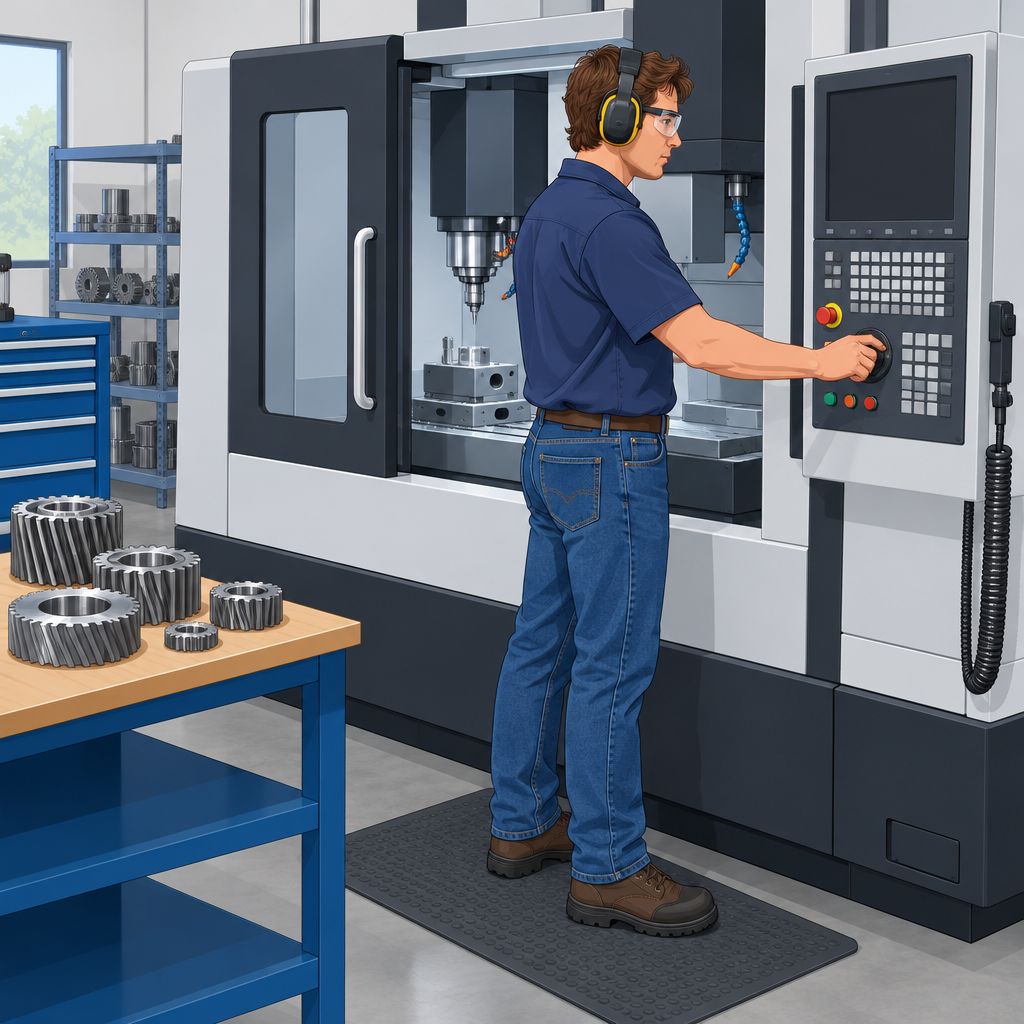
Machinists work in environments designed to support machining processes.
They often work in factories, workshops, or specialized machine shops.
These settings provide space for the machinery and tools required for their work.
- Typical settings: Machinists work in factories, workshops, or specialized machine shops.
- Safety precautions: They wear suitable personal protective equipment and follow proper machine operation procedures.
- Equipment and tools: Machinists use lathes, milling machines, grinders, and cutting tools.
Machinists must stay alert around moving parts while operating precision equipment.
The work can feel fast-paced and demanding for people who enjoy hands-on machinery tasks.
Find Out More: How to Become a Licensed Pest Control Worker
Machinist Work Schedules and Hours
Machinists typically work full-time schedules of about 40 hours per week.
Some employers offer flexible schedules to accommodate personal needs.
Transform Your Career Today
Unlock a personalized career strategy that drives real results. Get tailored advice and a roadmap designed just for you.
Start NowAdditionally, workload and demand may create opportunities for overtime.
Employers may also schedule weekend or night shifts when necessary.
Therefore, machinists usually follow standard schedules with potential flexibility and additional hours.
See Related Content: The Social and Cultural Aspects of Mining
Team Dynamics and Collaboration in Machining
Machinists often work closely with colleagues and supervisors to complete projects efficiently and accurately.
This collaborative environment supports success in the machining industry.
Effective communication helps machinists solve problems, share ideas, and coordinate tasks.
- Interaction with colleagues and supervisors
- Importance of teamwork in achieving project goals
- Opportunities for mentorship and learning from experienced machinists
Team members share knowledge and skills while supporting one another during machining projects.
Consequently, teamwork helps machinists achieve project goals and deliver high-quality results.
Experienced machinists also provide valuable mentorship within a team environment.
By observing techniques and asking questions, newer machinists can strengthen their machining skills.
Seeking guidance also helps machinists develop greater expertise through practical learning.
These team dynamics support professional growth, skill development, and successful project outcomes.
Find Out More: How to Improve Efficiency as an Assembler
Stress Factors in the Work Environment
Working as a machinist can be rewarding, but the role also creates stress that may affect well-being.
Recognizing these pressures helps machinists choose effective coping strategies.
These strategies can support daily performance and personal balance.
Challenges in Meeting Deadlines
Tight deadlines create a major source of stress for machinists.
Consequently, urgent demands can increase anxiety and overall stress levels.
Machinists can manage deadline pressure by prioritizing tasks and communicating clearly with their teams.
- Prioritizing tasks helps machinists manage urgent responsibilities.
- Clear communication helps teams coordinate work more effectively.
- Realistic goals can reduce pressure during demanding projects.
- Breaking projects into smaller tasks makes deadlines easier to manage.
Mental and Physical Job Demands
Machinists need both mental focus and physical stamina to perform their work effectively.
Heavy machinery and precision tools can make the job physically demanding.
Additionally, careful attention helps machinists maintain accuracy during their tasks.
- Machinists work with heavy machinery that requires physical effort.
- Precision tools require careful handling and consistent attention.
- Detail-oriented work helps machinists produce accurate results.
- Self-care supports workers facing mental and physical demands.
Strategies for Managing Stress and Maintaining Balance
Mindfulness and relaxation techniques can help machinists respond to stress more effectively.
Likewise, exercise and physical activity can support general well-being.
Healthy boundaries between work and personal life can protect work-life balance.
- Mindfulness practices can help reduce workplace stress.
- Relaxation techniques can encourage calm during demanding periods.
- Regular physical activity can improve overall well-being.
- Support from colleagues, friends, or mental health professionals can help manage stress.
By recognizing workplace stressors and using practical coping strategies, machinists can support their well-being and career success.
See Related Content: Excavator Operation: Key Techniques and Tips
Advancement Opportunities in the Field
Machinists can pursue several career paths as they develop their professional skills.
Career advancement may involve leadership, specialization, quality control, or research.
Training and current industry knowledge can help machinists pursue these opportunities.
Potential Career Growth Paths for Machinists
Experienced machinists can accept greater responsibility through several professional pathways.
Each pathway allows machinists to build on their existing technical abilities.
Career goals can guide machinists toward leadership, specialization, quality, or development roles.
- Machinists can move into supervisory roles and oversee teams of machinists.
- Specialists can focus on CNC machining or precision machining.
- Quality control roles involve checking the precision of machined parts.
- Research and development roles support new machining techniques and processes.
Training and Certification Programs to Enhance Skills
Additional training helps machinists strengthen their knowledge and practical abilities.
Certification can also demonstrate expertise to employers and support professional development.
Apprenticeships and continuing education provide further ways to expand machining skills.
- Advanced machinist courses develop specialized knowledge and machining skills.
- NIMS certifications validate machining expertise through industry-recognized credentials.
- Apprenticeships provide hands-on experience and mentorship.
- Continuing education in engineering or related fields expands professional expertise.
Benefits of Staying Updated with Industry Trends and Technologies
Machinists benefit from understanding current trends and technologies within their industry.
New knowledge can improve work efficiency and support higher-quality production.
Industry awareness can also strengthen career prospects and professional connections.
Transform Your Career Today
Unlock a personalized career strategy that drives real results. Get tailored advice and a roadmap designed just for you.
Start Now- Current knowledge can give machinists a competitive edge in the job market.
- New technologies can improve efficiency and product quality.
- Industry knowledge can support job security and professional value.
- Industry engagement can create networking opportunities with other professionals.
Machinists can elevate their careers by combining targeted training with current industry knowledge.
These efforts can support continued professional growth in the machining field.
Job Outlook and Job Satisfaction
Machinists can find promising opportunities as manufacturing operations continue to require skilled production workers.
The profession also offers satisfaction through precision, problem-solving, and collaboration.
However, long-term fulfillment depends on adapting skills and finding a supportive work environment.
Overview of Job Prospects for Machinists
As with many skilled trades, machinists generally have positive job prospects.
Growing manufacturing activity creates steady demand for workers who operate machines producing parts and products.
Moreover, technology creates opportunities for machinists who learn new methods and adapt to changing equipment.
These skills can strengthen their chances for continued employment and professional growth.
Factors Contributing to Job Satisfaction in the Profession
Machinists often gain satisfaction from turning raw materials into precise, useful parts.
They can take pride in producing high-quality components for various industries.
Additionally, machining encourages creativity because workers solve problems and choose efficient, accurate methods.
Teamwork with engineers, designers, and other machinists can also create a rewarding sense of community.
Importance of Finding Fulfillment in the Work Environment
Fulfillment in the work environment supports job satisfaction and personal well-being.
When machinists feel engaged, they often approach daily responsibilities with stronger motivation.
Furthermore, meaningful work can encourage pride, focus, and consistent performance.
Finding purpose at work can help machinists build satisfying, sustainable careers.
Machining Career Environment and Preparation
A machinist’s work environment combines technical precision, practical creativity, and careful attention to quality.
Machinists operate equipment and inspect completed products across several manufacturing industries.
These responsibilities make the role engaging for people who prefer hands-on technical work.
Additionally, machinists use problem-solving skills when production tasks require careful judgment.
Because the work demands accuracy, consistent attention to detail remains essential.
At times, the pace can feel demanding, especially when workers must maintain quality throughout production.
Nevertheless, many people find the work rewarding because it combines practical effort with technical expertise.
Prospective machinists should learn about these expectations before choosing this career path.
Building a strong foundation of knowledge and skills can support confident entry into machining.
Furthermore, continued focus and a strong work ethic can help workers contribute to manufacturing goals.
Additional Resources
Google search results for Machinist Work Environment: What to Expect Construction and Manual Labor
Bing search results for Machinist Work Environment: What to Expect Construction and Manual Labor


