




Boilermaker Apprenticeship Programs
Boilermakers fabricate and install boilers across construction and manufacturing industries.
These skilled professionals help ensure equipment and systems operate efficiently.
Apprenticeship programs provide hands-on training and mentorship for aspiring boilermakers.
Participants learn the trade while earning a competitive salary.
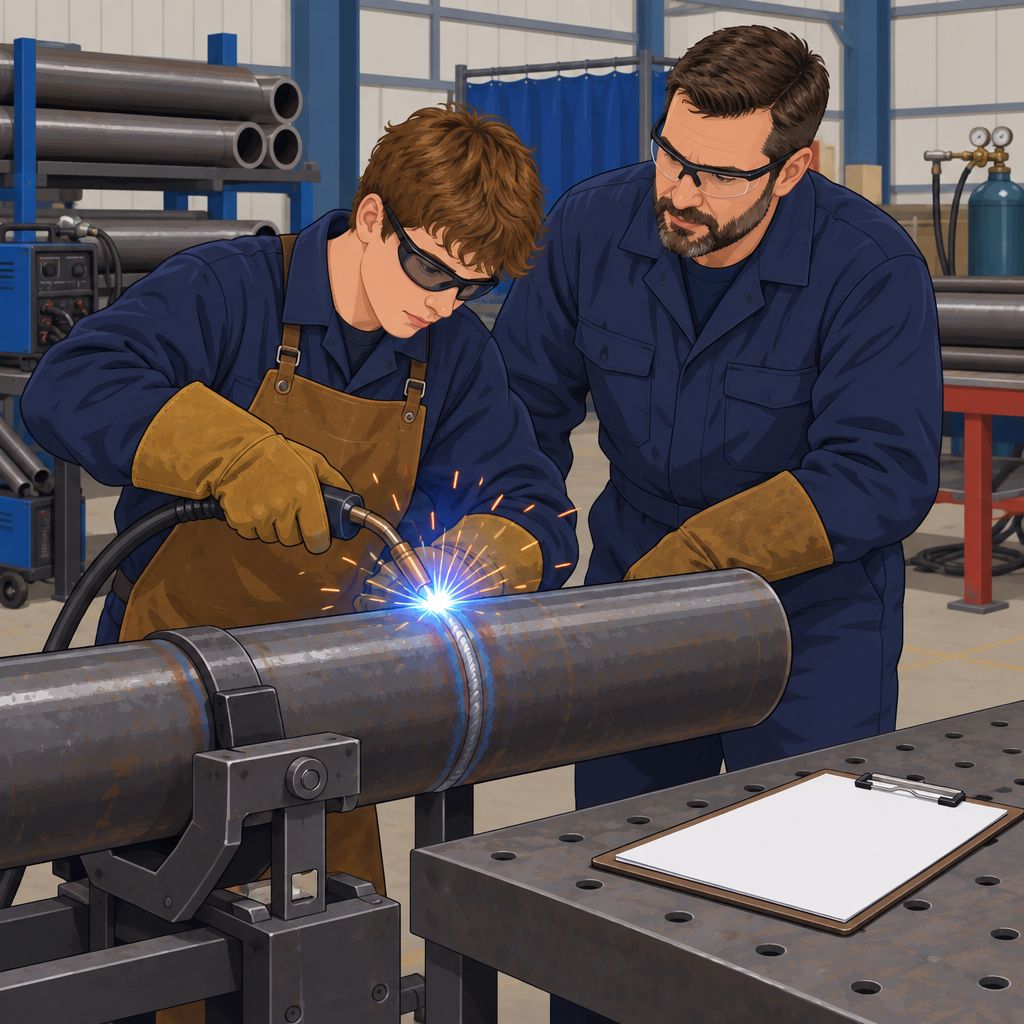
Experienced boilermakers guide apprentices as they develop valuable skills and knowledge.
Additionally, apprentices apply their training while working on real-world projects.
This practical experience can accelerate career advancement for aspiring boilermakers.
Direct industry exposure also helps apprentices develop a deeper understanding of the role.
Furthermore, many apprenticeship programs lead to full-time employment after completion.
Employers value the practical experience and knowledge that apprentices gain.
As a result, apprenticeship programs offer an effective starting point for boilermaker careers.
What Is a Boilermaker?
- Boilermakers are skilled tradespeople.
- They construct, repair, and maintain boilers.
- They work with heavy metals and weld components for efficient heating systems.
Importance of Boilermakers
- Boilermakers support construction, manufacturing, and power generation industries.
- They help boilers operate safely and efficiently.
- Their work helps prevent potential hazards and maximize production output.
Overview of Apprenticeship Programs
Apprenticeship programs combine on-the-job training with classroom instruction.
They provide hands-on experience and technical knowledge for aspiring boilermakers.
Therefore, these programs create a comprehensive path toward a successful career.
Benefits of Apprenticeship Programs
Apprentices gain practical experience in real-world work environments.
Meanwhile, classroom instruction develops the technical knowledge required for the trade.
Together, both learning methods prepare participants for demanding industry work.
- Hands-on experience helps aspiring boilermakers develop practical skills and workplace knowledge.
- Classroom instruction covers welding techniques, blueprint reading, and safety protocols.
Uncover the Details: How to Maintain and Repair Installed Glass Structures
Requirements for Aspiring Boilermakers
Aspiring boilermakers must meet requirements before entering apprenticeship programs.
These requirements typically include education, practical skills, and physical abilities.
Meeting these expectations can improve an applicant’s chances of acceptance.
Educational Background
Most programs require candidates to hold a high school diploma or equivalent.
Math and science courses can help candidates understand technical aspects of the work.
Additionally, trade school training and a valid driver’s license may benefit applicants.
- Most apprenticeship programs require candidates to have a high school diploma or equivalent.
- A strong foundation in math and science supports understanding of technical job requirements.
- Some programs prefer training in welding, metal fabrication, or related fields.
- A valid driver’s license helps boilermakers travel to different job sites.
Skills Desired in Aspiring Boilermakers
Mechanical aptitude helps candidates work with complex machinery and equipment.
Strong problem-solving abilities support quick thinking when challenging issues arise.
Furthermore, physical fitness and attention to detail support precise, high-quality work.
- Mechanical aptitude helps boilermakers work with complex machinery and equipment.
- Problem-solving abilities help workers address challenging problems with creative solutions.
- Physical fitness helps candidates manage the demands of boilermaking work.
- Attention to detail supports precision and high-quality results.
See Related Content: Machinist Work Environment: What to Expect
Finding Apprenticeship Programs for Boilermakers
Several resources can help aspiring boilermakers locate suitable apprenticeship programs.
Researching different programs helps applicants identify options that match their goals and interests.
Comparing available opportunities can support a well-informed career decision.
Resources for Locating Apprenticeship Programs
Trade schools, unions, and industry associations can connect applicants with apprenticeship opportunities.
Each resource offers a different path for researching available programs.
Therefore, applicants should explore multiple sources before choosing an apprenticeship.
- Trade schools
- Unions
- Industry associations
Trade Schools
Many trade schools offer apprenticeship programs for aspiring boilermakers.
These programs combine hands-on training with classroom instruction.
Additionally, trade schools often partner with local companies to help students secure apprenticeship positions.
Union Apprenticeships
Unions provide another valuable resource for locating apprenticeship programs.
Union apprenticeships typically offer competitive wages, benefits, and job security.
Moreover, union apprentices can gain experience while earning a living wage.
Transform Your Career Today
Unlock a personalized career strategy that drives real results. Get tailored advice and a roadmap designed just for you.
Start NowIndustry Associations
Industry associations can also provide information about apprenticeship programs.
The National Association of Boilermakers, Iron Ship Builders, Blacksmiths, Forgers, and Helpers is one example.
These associations may connect applicants with employers and provide valuable networking opportunities.
Exploring schools, unions, and associations helps applicants compare apprenticeship options.
Careful research allows each person to select a program suited to their career aspirations.
See Related Content: How to Become a Licensed Pest Control Worker
Apprenticeship applications require preparation, timely action, and clear communication.
Candidates can improve their prospects by presenting relevant experience and genuine interest.
They should also prepare carefully for interviews and entrance exams.
Application Steps for Boilermaker Apprenticeships
Begin by researching available apprenticeship programs and submitting applications before their deadlines.
Next, attend interviews when programs invite you to discuss your suitability.
Some programs also require entrance exams that assess your knowledge and skills.
- Research suitable apprenticeship programs before submitting your applications.
- Submit complete applications before each program’s stated deadline.
- Attend interviews and explain your suitability for the opportunity.
- Complete any required entrance exams to demonstrate your knowledge and skills.
Ways to Strengthen an Apprenticeship Application
Relevant experience helps demonstrate your interest and readiness for boilermaker training.
Furthermore, professional connections can provide useful insights about the application process.
Strong recommendations can also support your application by confirming your abilities and work ethic.
- Highlight related work experience and skills that reflect your interest in boilermaking.
- Show enthusiasm by explaining your desire to learn and grow as an apprentice.
- Network with current boilermakers or industry employers for guidance and insights.
- Request recommendations from past employers or educators who know your work.
- Practice common interview questions and explain your motivation clearly.
These actions can help you present yourself as a prepared and committed apprenticeship candidate.
See Related Content: The Social and Cultural Aspects of Mining
Hands-On Experience in Apprenticeship Programs
Apprenticeship programs give aspiring boilermakers valuable on-the-job training.
This practical experience helps apprentices strengthen essential skills.
Additionally, apprentices gain knowledge across several important work areas.
Welding Skills Development
Apprentices learn welding, which supports boiler manufacturing and repair.
They practice different welding techniques during their training.
As a result, they can support durable, high-quality boiler work.
Blueprint Reading Proficiency
Apprentices also develop proficiency in reading blueprints.
These technical drawings show project specifications and requirements.
Therefore, apprentices learn to interpret project details accurately.
Equipment Maintenance Training
Apprentices receive training in equipment maintenance.
They inspect, repair, and maintain various boiler components.
This training supports safe and efficient boiler operation.
Learning from Experienced Boilermakers
Apprentices often work alongside experienced boilermakers.
These professionals share knowledge, skills, and workplace practices.
Through mentorship, apprentices strengthen their approach to boiler work.
Importance of Safety Protocols
Experienced boilermakers emphasize safety protocols in the workplace.
They teach apprentices to prioritize safety during boiler work.
This guidance helps apprentices prevent accidents and injuries.
Hands-On Practice of Safety Measures
Apprentices apply safety measures during hands-on training.
They practice using personal protective equipment correctly.
They also follow established procedures to minimize workplace risks.
Developing a Safety-Oriented Mindset
Apprentices develop safety-oriented habits by observing experienced professionals.
They learn to recognize potential hazards in boiler work.
Transform Your Career Today
Unlock a personalized career strategy that drives real results. Get tailored advice and a roadmap designed just for you.
Start NowConsequently, they take proactive steps to support a safe working environment.
Classroom Instruction for Aspiring Boilermakers
Classroom instruction gives aspiring boilermakers technical knowledge for work in the field.
Students study several subjects that support accurate, safe, and efficient boiler work.
These lessons prepare students to apply measurements, scientific principles, and design concepts.
Technical Knowledge and Skills Taught in Classrooms
Classroom settings introduce aspiring boilermakers to technical knowledge and skills essential for success.
Students study mathematics, physics, and boiler design as part of their preparation.
Mathematics supports the accurate measurement and calculation of dimensions, angles, and materials.
Understanding mathematical principles helps students design, assemble, and repair boilers precisely.
Physics helps students understand heat transfer, pressure, and material properties.
By studying material behavior, aspiring professionals can support boiler safety and efficiency.
Boiler design forms another fundamental part of the curriculum.
Students create detailed plans and drawings for various types of boilers.
They consider size, capacity, fuel source, and intended use during the design process.
This knowledge supports boiler construction and maintenance according to industry standards and regulations.
Benefits of Combining Theory with Practical Experience
Theoretical learning and practical experience help develop well-rounded boilermaking professionals.
Classroom instruction and hands-on training provide a comprehensive understanding of the industry.
This combination also helps students strengthen their technical abilities.
Students can apply classroom knowledge to real-world scenarios through practical work.
Working on boiler projects shows how theoretical concepts translate into practical solutions.
Experienced professionals can guide aspiring boilermakers during these practical projects.
Practical experience also develops problem-solving, critical thinking, and teamwork skills.
Project challenges require students to troubleshoot issues and make timely decisions.
Additionally, collaboration helps students handle workplace challenges with greater confidence and efficiency.
Combining theory and practice builds a strong foundation for future careers.
Early hands-on experience helps professionals develop expertise and confidence.
These abilities support success in the dynamic and demanding field of boilermaking.
Career Benefits of Boilermaker Apprenticeships
Apprenticeship programs give aspiring boilermakers valuable hands-on experience.
They also create structured learning environments with guidance from experienced professionals.
Through this training, participants develop skills and knowledge needed for success.
Additionally, apprentices can build industry connections while learning from workplace experiences.
These opportunities can help individuals begin careers in the boilermaking industry.
Therefore, aspiring boilermakers should explore apprenticeship opportunities when planning their career paths.
Such programs can strengthen skills, expand professional networks, and support career development.
Pursuing an apprenticeship may open doors to future opportunities in boilermaking.


