




Glass Structure Maintenance and Repair
Understanding glass maintenance and repair helps preserve these structures over time.
Regular attention reveals common problems before they become more difficult to address.
This section introduces key concerns involving glass structures and their care.
Importance of Maintaining and Repairing Glass Structures
Maintenance and repair protect the structural integrity and safety of glass structures.
Additionally, regular maintenance prevents minor issues from becoming costly repairs or replacements.
Prompt attention can significantly extend the lifespan of glass structures.
Common Issues Affecting Glass Structures
Dirt and grime can accumulate on glass, reducing visibility and harming its appearance.
Similarly, scratches can affect surface clarity and the structure’s overall appearance.
Leaks may cause water damage and compromise structural integrity or insulation.
Meanwhile, cracks and chips can weaken glass and create safety hazards.
Improper installation or sealing can also cause air leaks and energy inefficiency.
Therefore, regular inspections, cleaning, and repairs address these issues effectively.
Regular Cleaning and Inspection
Regular cleaning preserves the appearance of glass structures.
It also removes dirt, grime, and debris that can deteriorate glass.
Additionally, routine inspections reveal problems before they require extensive repairs.
Benefits of regular cleaning
- Regular cleaning helps maintain the aesthetic appeal of glass structures.
- It prevents dirt, grime, and debris from damaging the glass.
- Clean glass provides a clearer view and allows natural light into the space.
- Routine cleaning can extend the lifespan of glass structures.
Proper glass cleaning methods
- Use a gentle glass cleaner or a mixture of water and vinegar.
- Avoid abrasive cleaners and tools that can scratch the surface.
- Use a soft, lint-free cloth to reduce streaks and smudges.
- Clean the frames and edges to maintain the structure’s overall appearance.
Inspection points
- Regular inspections help identify damage and other issues early.
- Early repairs can prevent larger problems and higher future costs.
- Inspect glass for cracks, chips, and scratches that could weaken its integrity.
- Check seals, joints, and hardware for wear or damage.
Recurring Maintenance Tasks
Recurring maintenance keeps glass structures functional and visually appealing.
It also helps maintain seals, hardware, and protective surfaces.
Addressing wear promptly reduces the risk of water infiltration and operating problems.
Sealant inspection and replacement
- Check sealant around glass panels for wear or deterioration.
- Replace cracked, peeling, or discolored sealant to prevent water infiltration.
- Apply sealant evenly so it covers every gap.
- Use silicone-based sealant for better adhesion and longevity.
Hardware checks and lubrication
- Inspect hinges, handles, locks, and other hardware for loose or damaged parts.
- Tighten loose screws and bolts to keep hardware secure.
- Lubricate moving parts with silicone-based lubricant to reduce rust and corrosion.
- Confirm that doors, windows, and other components operate smoothly.
Protective cleaning and coating
- Clean glass regularly with a non-abrasive cleaner.
- Consider a protective coating that repels water, dirt, and ultraviolet rays.
- Protective coatings can reduce the need for frequent cleaning.
- Consult a professional about suitable coating options for the glass structure.
Emergency Repairs and Troubleshooting
Prompt action helps control damage when glass structures develop sudden problems.
Secure damaged areas before attempting repairs or contacting a professional.
Meanwhile, address leaks and operating problems before they affect surrounding components.
Cracked or broken glass
- Secure the area immediately to prevent injuries.
- Cover the damaged area with tape or plastic sheeting.
- Contact a professional glass repair service for assessment and replacement.
Leaking seals or joints
- Dry the area thoroughly when water enters around seals or joints.
- Apply sealant to the affected area to limit further water damage.
- Investigate underlying causes and address them promptly.
Stuck or misaligned doors and windows
- Check tracks for obstructions or debris that could block movement.
- Use silicone-based lubricant on tracks and hinges.
- Adjust tracks or hardware to realign doors and windows.
Regular cleaning, inspection, and timely repairs help glass structures remain safe and functional.
These practices also preserve their appearance and support long-term performance.
Repairing Small Chips and Cracks
Small chips and cracks can worsen when owners leave them unattended.
Prompt repairs help preserve the structural integrity of glass structures.
Early attention can also improve the appearance of damaged glass.
Tools Needed for Small Damage Repairs
Gather the necessary tools before repairing a chip or crack.
These supplies help clean, repair, and polish the damaged area.
Use sharp tools carefully while removing loose glass pieces.
- Resin repair kit
- Clear nail polish or super glue
- Razor blade or sharp knife
- Microfiber cloth
- Rubbing alcohol or glass cleaner
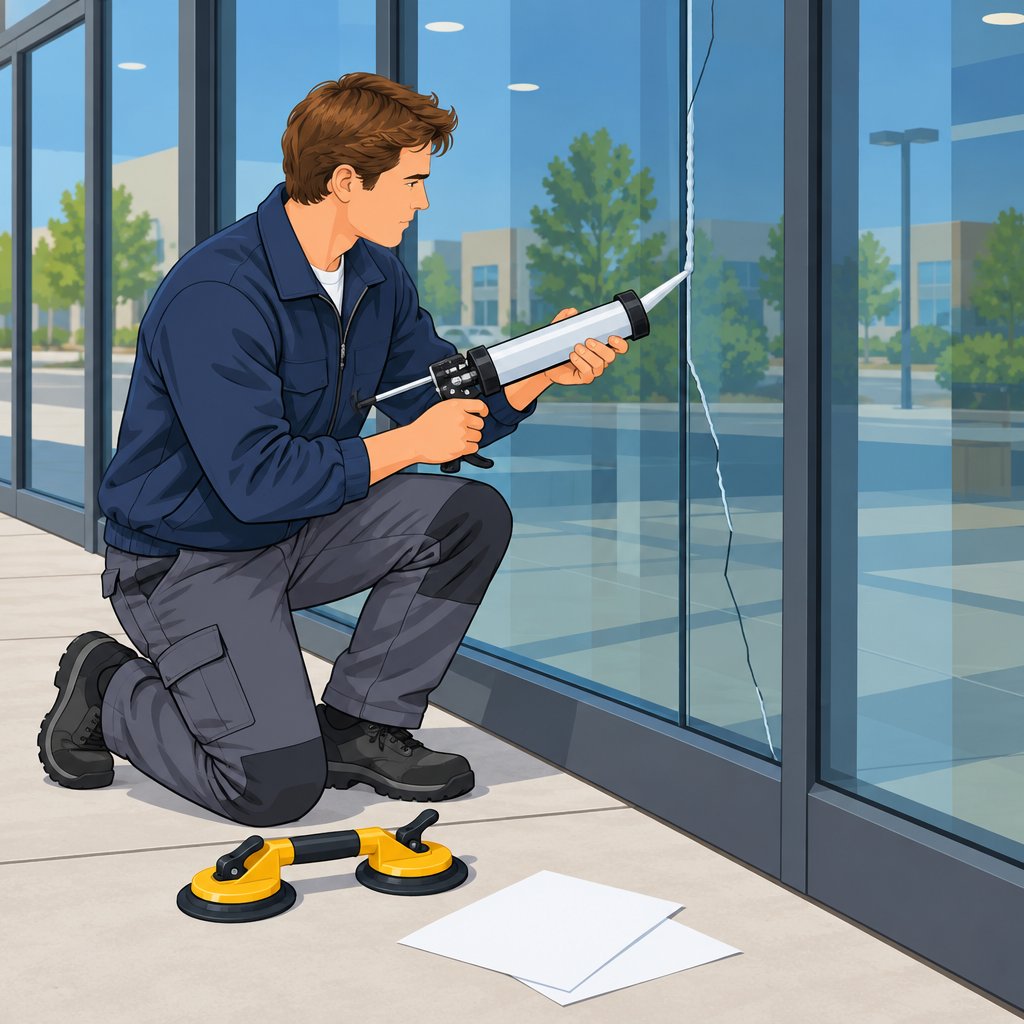
Steps for Repairing Chips and Cracks
First, clean the damaged area with rubbing alcohol or glass cleaner.
Next, remove loose glass pieces before applying the repair material.
Transform Your Career Today
Unlock a personalized career strategy that drives real results. Get tailored advice and a roadmap designed just for you.
Start NowFinally, polish the repaired area to blend it with the surrounding glass.
- Clean the damaged area with rubbing alcohol or glass cleaner.
- Use a razor blade or sharp knife to remove loose glass pieces.
- Apply a small amount of resin from the repair kit to the damage.
- Place a curing strip over the resin and follow the kit instructions.
- Remove the strip and scrape away excess resin with a razor blade.
- Polish the area with a microfiber cloth to blend the repair.
Benefits of Prompt Damage Repairs
Prompt repairs can prevent small chips and cracks from becoming larger problems.
Addressing damage early helps maintain the structural integrity of glass structures.
Timely repairs can also reduce the need for costly repairs or replacements.
Explore Further: Machinist Work Environment: What to Expect
Replacing Broken Glass Panes
Glass pane damage can affect a window’s appearance and operation.
Several warning signs can show when replacement has become necessary.
Careful removal and proper installation help maintain the glass structure.
Signs That a Glass Pane Needs Replacement
Inspect the pane when you notice visible damage or changes in its appearance.
Also, pay attention to operating problems and moisture around the glass.
These signs can indicate that the pane requires replacement.
- Look for cracks or chips in the glass.
- Check for a cloudy or foggy appearance between the panes.
- Notice whether the window becomes difficult to open or close.
- Inspect the edges for signs of leakage around the glass.
Safe Steps for Removing and Replacing Glass Panes
Begin by preparing the frame and protecting yourself from broken glass.
Remove old materials carefully, then clean the frame before installing the replacement pane.
Finally, secure the new pane and allow the caulk or putty to dry completely.
- Remove old caulking or putty from around the pane’s edges.
- Wear protective gloves and safety glasses to help prevent injuries.
- Carefully remove the broken glass without damaging the surrounding areas.
- Clean the frame and remove debris or old adhesive.
- Apply new caulk or putty around the frame.
- Carefully place the new glass pane into position.
- Secure the pane and let the caulk or putty dry completely.
When Professional Replacement Provides Better Support
Some glass pane replacements suit experienced do-it-yourself enthusiasts.
However, complex replacements may require professional expertise, specialized tools, and careful handling.
Professional assistance can also provide additional confidence during difficult replacement work.
- Professionals can install the pane correctly and help prevent future issues.
- They have the tools and experience required for complex replacements.
- Their expertise supports safer replacement work.
- Professional installation may include a warranty for added peace of mind.
Recognizing replacement signs helps you address pane damage promptly.
Following safe procedures supports careful removal and installation.
When the replacement seems complex, consult a professional for appropriate assistance.
Discover More: How to Become a Licensed Pest Control Worker
Sealing and Caulking Glass Structures
Sealing and caulking protect glass structures from water, air leaks, and deterioration.
These practices also support lasting performance and a neat appearance.
Proper materials and careful application help maintain sealed glass installations.
Importance of Sealing and Caulking
Effective sealing supports the structural integrity of glass installations.
Sealed joints limit water infiltration that can cause damage and mold growth.
Additionally, caulking reduces air leaks and improves the structure’s appearance.
- Sealing and caulking help maintain the structural integrity of glass installations.
- These materials prevent water infiltration, damage, and mold growth.
- They reduce air leaks and help maintain energy efficiency.
- They also enhance the aesthetic appeal of glass structures.
Recommended Sealants and Caulks for Glass
Glass structures require sealants that adhere well and withstand moisture.
Different products support bonding, waterproofing, flexibility, adhesion, and durability.
Select a suitable option according to the glass structure’s sealing requirements.
- Silicone sealants commonly seal glass structures.
- Butyl rubber sealants suit bonding glass to metal frames.
- Polyurethane caulks provide waterproofing and flexibility.
- Acrylic-based sealants offer adhesion and durability.
Steps for Sealing and Caulking Glass Structures
Begin by preparing the glass surface and surrounding application area.
Next, apply the sealant carefully and smooth the bead for consistent coverage.
Finally, allow curing time and inspect the joint periodically.
- Clean the glass surface thoroughly to remove dirt, dust, and debris.
- Apply painter’s tape to mask areas where sealant should not go.
- Cut the caulk tube tip at a 45-degree angle.
- Create a small opening at the cut tube tip.
- Apply a continuous sealant bead along the glass structure’s edge.
- Smooth the sealant with a caulking tool or soapy finger.
- Remove the painter’s tape before the sealant dries completely.
- Allow the sealant to cure before exposing it to moisture.
- Inspect the sealed area periodically for cracks or deterioration.
Following these steps helps preserve the longevity and functionality of glass structures.
Find Out More: The Social and Cultural Aspects of Mining
Preventing Condensation and Moisture Build-up
Condensation and moisture build-up can affect glass structures.
Temperature differences, trapped moisture, and high humidity levels can contribute to this issue.
Therefore, proper ventilation and improved insulation can help minimize moisture accumulation.
Common Causes of Condensation and Moisture Build-up
Temperature differentials between indoor and outdoor environments can cause condensation on glass.
Additionally, poor ventilation can trap moisture inside the structure.
Transform Your Career Today
Unlock a personalized career strategy that drives real results. Get tailored advice and a roadmap designed just for you.
Start NowHigh humidity levels can also increase moisture build-up on glass surfaces.
- Temperature differentials between indoor and outdoor environments
- Poor ventilation leading to trapped moisture
- High humidity levels
Tips for Preventing Condensation on Glass Structures
Proper ventilation allows moisture to escape from enclosed areas.
Dehumidifiers can reduce indoor humidity levels.
Furthermore, double or triple glazed windows can provide better insulation.
- Ensure proper ventilation to allow moisture to escape
- Use dehumidifiers to reduce indoor humidity levels
- Install double or triple glazed windows for better insulation
Addressing Existing Condensation Issues
Regularly wiping glass surfaces removes accumulated moisture.
Anti-fogging products can help prevent condensation from forming.
Meanwhile, ventilation fans can support moisture control in high-moisture areas.
- Wipe down glass surfaces regularly to remove moisture
- Use anti-fogging products to prevent condensation
- Consider installing ventilation fans in high-moisture areas
You Might Also Like: How to Improve Efficiency as an Assembler
Dealing with Scratches and Stains
Glass structures can develop scratches and stains from everyday contact and cleaning.
Proper cleaning methods help protect glass surfaces from additional damage.
Regular attention keeps glass structures looking their best over time.
Causes of Scratches and Stains on Glass Structures
Abrasive materials can scratch glass surfaces.
Improper cleaning techniques and sharp objects can also cause scratches.
Hard water deposits and chemical residue often create stains.
Effective Methods for Removing Scratches and Stains
For light scratches, apply a glass polishing compound with a microfiber cloth.
For stubborn stains, use vinegar and water to break down mineral deposits.
For deep scratches, contact a professional glass repair specialist.
Tips for Preventing Scratches and Stains
Avoid abrasive cleaners and scrubbing pads on glass surfaces.
Use a squeegee to remove water and help prevent mineral deposits.
Regularly clean and maintain glass structures to prevent dirt and grime buildup.
These practices help maintain glass structures and preserve their appearance for years.
Maintaining Glass Structures Over Time
Proper maintenance and repair support the longevity of glass structures.
Regular inspections, cleaning, and minor repairs can help prevent costly future damage.
Prompt attention to problems helps protect the safety and integrity of each structure.
Professional services can help maintain quality and long-term performance.
These practices preserve both the aesthetic appeal and functionality of glass structures.
Importance of Regular Maintenance for Glass Structure Longevity
Regular maintenance helps glass structures retain their function and appearance over time.
Inspections can identify developing concerns before they threaten safety or structural integrity.
Professional maintenance services can support reliable care and extend the useful life of glass structures.


