




Viticulturists in the Wine Industry
Viticulturists are essential professionals in the wine industry.
They manage vineyards to support grape production.
Their work contributes to the winemaking process.
Definition and Importance of Viticulturists
A viticulturist specializes in the science and production of grapes.
These professionals produce grapes specifically for winemaking.
They help ensure the quality and quantity of grapes used in winemaking.
Daily Responsibilities of Viticulturists
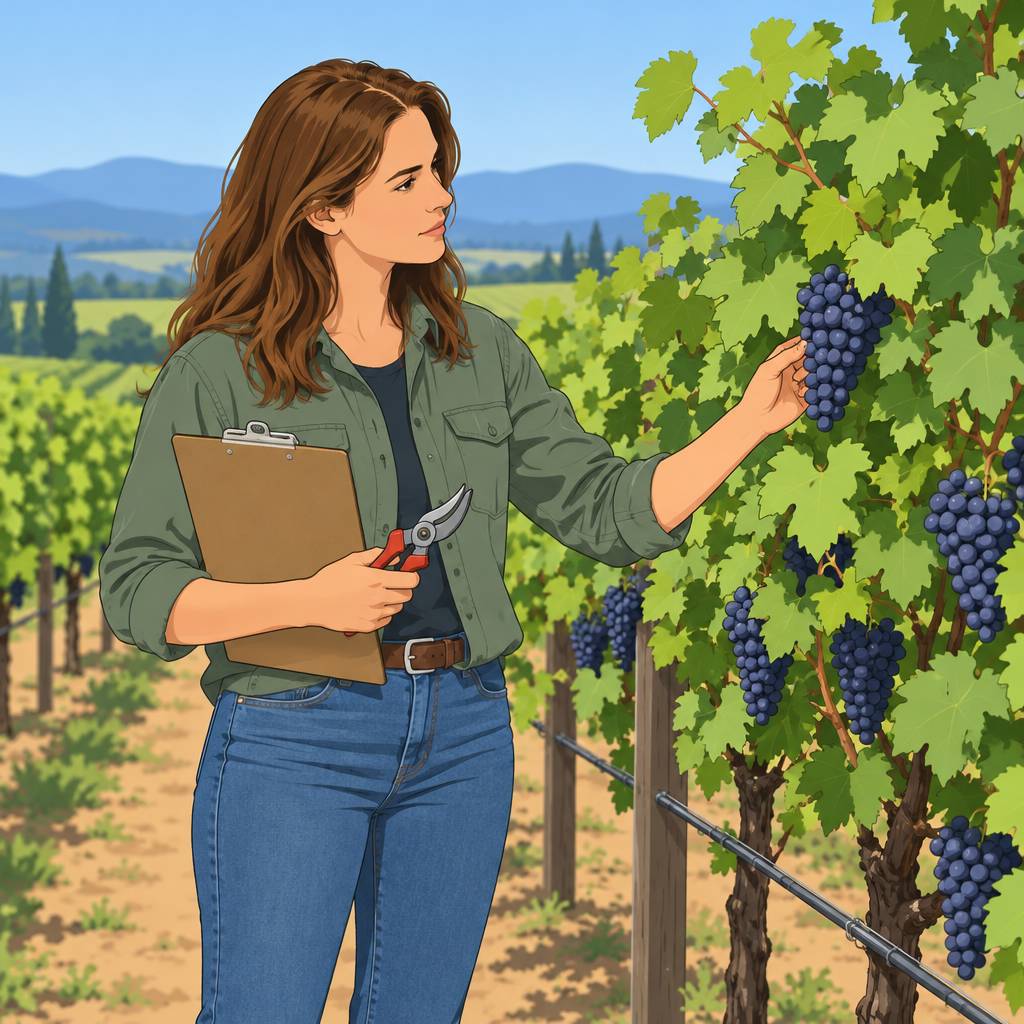
Viticulturists manage vineyards and support the healthy growth of grapevines.
Their daily work combines fieldwork, research, and analysis.
These activities help optimize grape quality and yield.
Vineyard Inspection and Pest Control
Viticulturists regularly inspect vineyards for signs of pests or diseases.
This monitoring helps them identify potential problems before they spread.
They then apply targeted control measures to protect grapevine health and productivity.
Monitoring Vine Growth and Development
Viticulturists track grapevine development throughout the growing season.
They observe bud break, flowering, fruit set, veraison, and ripening.
These observations guide decisions about pruning, trellising, and harvesting.
Managing Irrigation and Fertilization
Viticulturists ensure that grapevines receive sufficient water and nutrients.
They design irrigation systems that deliver appropriate water at suitable times.
They also develop fertilization programs using soil tests and plant nutrient requirements.
Supporting Vineyard Sustainability and Grape Quality
Careful irrigation and fertilization create favorable growing conditions for grapevines.
Viticulturists combine practical fieldwork with scientific knowledge and strategic planning.
Their work supports wine quality while maintaining vineyard health for future harvests.
Harvest Planning and Coordination
Viticulturists plan harvest timelines around weather conditions and grape ripeness.
They schedule crews and machinery so vineyard operations continue without unnecessary delays.
This coordination helps protect grape quality and support efficient yields.
Collaboration With Winemakers
Viticulturists collaborate closely with winemakers to identify the best harvest time.
They regularly share observations about grape development and potential quality.
Consequently, winemakers can choose harvest dates that suit each variety and desired wine style.
Harvest Organization and Supervision
During harvest, viticulturists organize pickers and supervise vineyard activities.
They monitor grape handling and track progress throughout the operation.
When problems arise, they troubleshoot quickly to help prevent quality loss.
Grape Quality and Production Standards
Viticulturists inspect grapes for ripeness, disease, and other quality factors throughout the growing season.
These inspections guide decisions about when workers should harvest each crop.
By maintaining winery production standards, they help strengthen the winery’s quality and reputation.
Learn More: Precision Agriculture: Enhancing Irrigation Efficiency
Vineyard Maintenance
Viticulturists oversee daily vineyard maintenance to support healthy grapevine growth.
They monitor vines for pests and diseases while maintaining proper irrigation.
Additionally, they assess vineyard conditions so grapevines can remain productive.
Pruning and Training Grapevines
Viticulturists prune grapevines during winter to remove excess growth.
They also train each vine to encourage healthy development and fruit production.
Consequently, careful shaping prepares vines for the upcoming growing season.
Transform Your Career Today
Unlock a personalized career strategy that drives real results. Get tailored advice and a roadmap designed just for you.
Start NowTrellis Maintenance and Repair
Viticulturists inspect trellis systems that support growing grapevines.
They repair structural problems to help prevent damage to the vines.
Regular maintenance keeps these supports suitable throughout vineyard operations.
Soil Management and Vineyard Sustainability Practices
Viticulturists analyze soil composition, pH levels, and nutrient content.
They use these findings to guide soil management and support grape quality.
For sustainability, they may use cover crops and organic fertilizers to improve soil health.
Find Out More: How to Prevent Common Irrigation System Failures
Record Keeping and Data Analysis
Viticulturists maintain detailed records of vineyard activities to track operations and support informed decisions.
- They document planting dates, grape varieties, and harvest yields to measure vineyard performance over time.
- They also record temperature, rainfall, and humidity to assess weather effects on grape growth.
- Additionally, viticulturists analyze these records to improve vineyard performance and grape quality.
- By identifying trends, they adjust vineyard practices to optimize grape production and wine quality.
Technology for Precision Viticulture
Technology has changed how viticulturists monitor vineyards and manage growing conditions.
Tools such as drones, GPS, and sensors support more precise vineyard management.
- Drones with cameras provide aerial imagery that helps viticulturists monitor plant health and identify potential issues.
- GPS technology maps vineyard plots precisely and supports accurate data collection and efficient operations.
- Soil sensors measure moisture, nutrient content, and pH to guide irrigation and fertilization decisions.
- As a result, technology helps viticulturists optimize management practices and improve grape quality.
Careful record keeping gives viticulturists reliable information about vineyard conditions and performance.
Data analysis then helps them refine practices and support consistent grape quality.
Furthermore, precision tools provide timely information for stronger vineyard management decisions.
Discover More: How to Become a Certified Veterinary Technician
Community Engagement and Education
Viticulturists engage with their communities through education and practical outreach.
They organize workshops and seminars about vineyard practices.
These efforts help community members understand grape growing and sustainable farming.
Organizing Workshops
Workshops cover grape growing techniques and pest management.
They also address sustainable farming practices.
Viticulturists share practical knowledge with community participants.
Collaborating with Local Schools
Viticulturists partner with local schools to teach students about viticulture.
They conduct field trips that provide hands-on learning experiences.
Students learn about vineyard practices through direct observation.
Participating in Industry Events and Conferences
Viticulturists participate in industry events and conferences.
These gatherings help them follow current trends and technologies.
Conferences also provide educational sessions about important vineyard topics.
Networking Opportunities
Industry events create networking opportunities with other professionals.
Participants exchange ideas about vineyard management.
They also share effective practices within the industry.
Continuing Education
Conferences offer educational sessions on soil health.
Other sessions address irrigation techniques and disease management.
Viticulturists use these sessions to expand their professional knowledge.
Hosting Vineyard Tours and Tastings
Viticulturists organize vineyard tours and tastings for the public.
Visitors gain firsthand insight into grape growing and wine production.
These activities connect visitors with vineyard operations.
Guided Tours
During guided tours, viticulturists explain the grape varieties grown.
They describe the importance of terroir in vineyard production.
Visitors also learn about the winemaking process.
Wine Tastings
Wine tastings allow visitors to sample wines produced on the vineyard.
Viticulturists explain the unique characteristics of each wine.
Transform Your Career Today
Unlock a personalized career strategy that drives real results. Get tailored advice and a roadmap designed just for you.
Start NowVisitors connect the tasting experience with vineyard production.
Educating the Public about Viticulture and Wine Production
Viticulturists educate the public about viticulture and wine production.
They explain grape cultivation and harvest techniques.
They also discuss sustainable farming methods.
Public Speaking Engagements
Viticulturists speak at public events about grape cultivation.
Their presentations explain harvest techniques and vineyard practices.
They also share information about sustainable farming methods.
Interactive Demonstrations
Interactive demonstrations showcase important vineyard practices.
Viticulturists demonstrate pruning and trellising techniques.
They also explain how canopy management supports vineyard practices.
Find Out More: Seasonal Work Patterns for Viticulturists
Risk Management and Contingency Planning
Viticulturists identify vineyard risks and develop plans to reduce their effects.
They assess threats that could damage vines, reduce yields, or disrupt vineyard operations.
They then select practical responses based on vineyard conditions and potential consequences.
Identifying Vineyard Risks
Viticulturists begin by identifying threats that could affect the vineyard.
These threats include aphids, powdery mildew, and grapevine trunk diseases.
They also consider frost, hail, drought, and other extreme weather events.
Assessing Vineyard Vulnerabilities
After identifying risks, viticulturists evaluate the vineyard’s vulnerability to each threat.
They examine vine age, vine health, location, soil type, and microclimate.
This assessment helps them prioritize risks and select suitable protective measures.
Developing Contingency Plans
Viticulturists develop contingency plans according to the vineyard’s specific vulnerabilities.
They may use pruning techniques and cover cropping to reduce pest and disease risks.
They can also prepare responses for weather events and other operational disruptions.
Strategies for Vineyard Protection
Viticulturists protect vineyards from biological, environmental, and external threats.
They establish pest and disease management programs that support vine health.
They also create security procedures that help protect vineyard property and resources.
Integrated Pest and Disease Management
Viticulturists develop integrated pest management strategies to protect grapevines.
These strategies combine cultural, biological, and chemical control methods.
As a result, vineyards can reduce their reliance on pesticides.
Vineyard Security Protocols
Viticulturists establish procedures that help maintain vineyard security.
They monitor access, install security cameras, and protect vulnerable areas.
These measures help prevent theft, vandalism, and unauthorized activity.
Planning for Weather-Related Emergencies
Weather emergencies can cause serious damage to vines and grape clusters.
Frost, hail, and drought each require different protective responses.
Therefore, viticulturists prepare emergency plans before severe conditions occur.
Frost Protection Measures
Viticulturists use several methods to limit frost damage.
They may operate wind machines, heaters, or sprinkler systems during frost events.
These methods raise vineyard temperatures and help prevent frost from forming on vines.
Hail Protection
Vineyards in hail-prone areas may require protective netting.
Hail netting forms a barrier above vines and grape clusters.
Transform Your Career Today
Unlock a personalized career strategy that drives real results. Get tailored advice and a roadmap designed just for you.
Start NowIt reduces hailstone impacts and helps prevent damage to the grapes.
Irrigation Management During Drought
During droughts, viticulturists manage irrigation carefully.
They adjust watering schedules and use drip irrigation systems.
They may also capture and store rainwater for later irrigation.
Regulatory Compliance and Licensing
Vineyard operations must follow applicable agricultural regulations and licensing requirements.
Viticulturists monitor these obligations to support lawful and responsible operations.
They maintain documentation that demonstrates compliance with relevant requirements.
Regulatory Compliance
Viticulturists stay informed about local, state, and federal vineyard regulations.
These regulations may address water use, pesticide application, land use, and labor practices.
They adjust vineyard procedures when regulatory requirements change.
Licensing Requirements
Vineyards may need specific licenses or permits to operate legally.
Requirements can cover pesticide application, water use, or wastewater discharge.
Viticulturists identify the permits required within their jurisdiction.
Record-Keeping and Reporting
Viticulturists maintain accurate records to demonstrate regulatory compliance.
They document pesticide applications, water use, soil amendments, and other relevant activities.
They also submit required reports to the appropriate authorities.
Vineyard Leadership and Grape Quality
A viticulturist guides vineyard operations from planting and pruning through pest management and harvest.
This broad responsibility requires consistent attention to grapevine health and production quality.
Their expertise helps vineyards maintain strong performance and produce suitable grapes for winemaking.
Professional Value in Grape Cultivation
Viticulturists oversee grapevine cultivation and support the quality of each harvest.
They apply their knowledge to protect vineyard health and maximize grape yield.
Consequently, their decisions influence vineyard success and the quality of grapes available for winemaking.
Recognition for Viticultural Expertise
Viticulturists deserve recognition for their dedication to producing high-quality grapes.
Their commitment supports winemakers who create exceptional wines.
The wine industry benefits from their invaluable contributions and sustained professional effort.
Additional Resources
Google search results for Daily Responsibilities of a Viticulturist Agricultural
Bing search results for Daily Responsibilities of a Viticulturist Agricultural


