




Transportation Security Screening
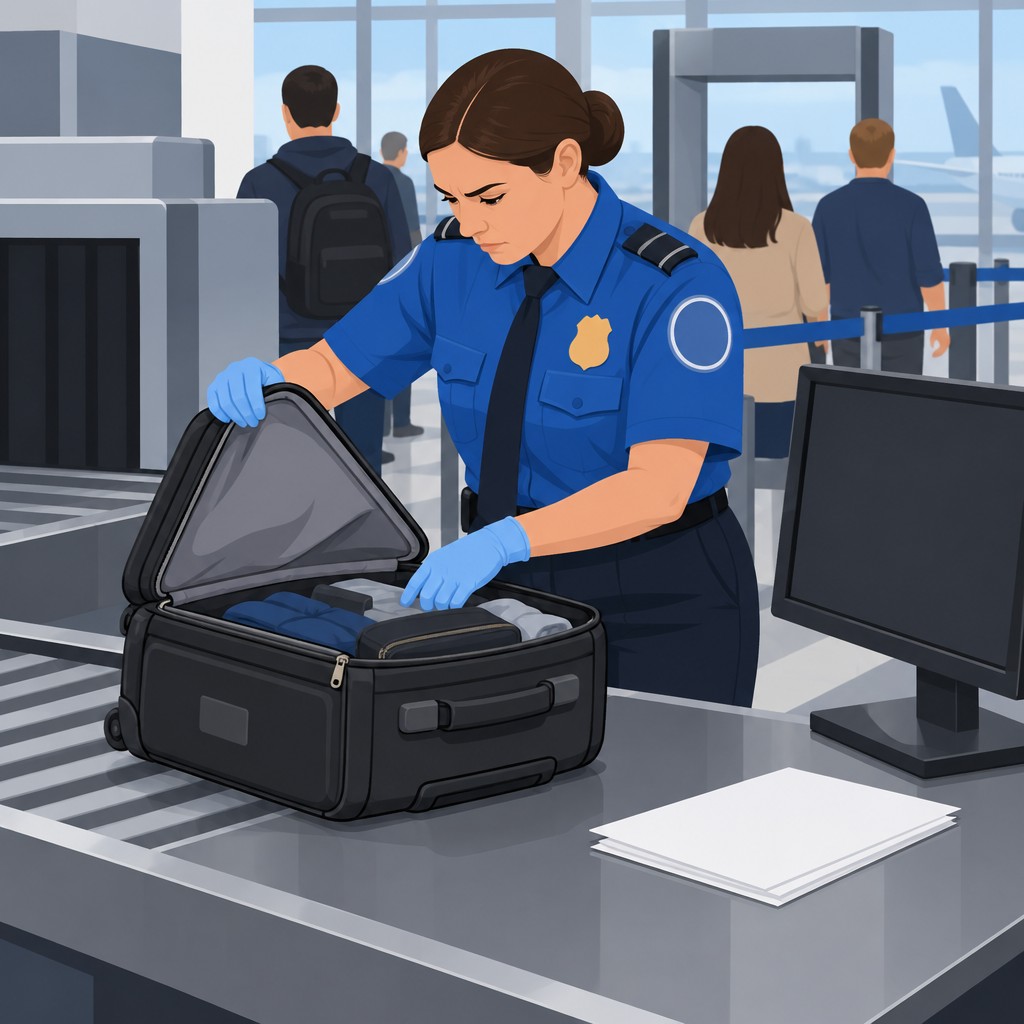
Transportation security screeners inspect passengers and baggage at airports.
They help protect travelers by maintaining airport safety and security.
Their responsibilities require attention, adaptability, and consistent judgment.
Challenges in Transportation Security Screening
Screeners manage demanding conditions while maintaining thorough and efficient screening procedures.
They must balance speed, accuracy, and professionalism throughout each shift.
Additionally, changing procedures and difficult interactions can increase workplace pressure.
- Screeners process a large number of passengers each day.
- They work quickly while maintaining thorough screening standards.
- They regularly adapt to new security measures and technologies.
- Some passengers may act uncooperatively or hostile during screening.
- Screeners must identify potential threats among passengers and baggage.
- Repetitive duties can cause fatigue and reduce attentiveness.
- Stressful situations and potential threats can affect screeners’ mental well-being.
- Screeners face pressure to prevent security breaches and incidents.
- They complete extensive training to maintain current security knowledge.
- Irregular hours, weekends, and holidays can contribute to burnout.
Supporting Effective Airport Screening
Transportation security screeners play an essential role in maintaining safe air travel.
Organizations should provide support and resources that help screeners manage these challenges.
Strong support enables screeners to maintain high security standards while performing their duties effectively.
Overview of Transportation Security Screeners
Transportation security screeners work at various transport checkpoints.
They screen passengers and baggage to support secure travel.
Their work helps prevent potential security threats.
Duties and Responsibilities of Transportation Security Screeners
First, screeners conduct thorough checks of passengers and their belongings.
They operate screening equipment, including X-ray machines and metal detectors.
Additionally, screeners communicate with passengers and alert authorities about potential threats.
- Conduct thorough checks of passengers and their belongings
- Operate screening equipment such as X-ray machines and metal detectors
- Inspect and confiscate prohibited items
- Communicate with passengers about procedures and concerns
- Alert authorities to potential security threats
Role in Ensuring Passenger Safety
By screening passengers and baggage, screeners help identify dangerous items before travel.
Furthermore, consistent security procedures reduce risks such as terrorism or hijacking.
Their vigilance and attention to detail support a secure travel environment.
- Screeners help prevent dangerous items from reaching transport vehicles
- Security protocols reduce the risk of terrorism or hijacking
- Vigilance and attention to detail support passenger safety
Transportation security screeners face a major challenge when they lack proper training.
This gap can affect screening effectiveness and efficiency.
Addressing this gap supports passenger safety and transportation system security.
Training Gaps in Transportation Security Screening
Screeners may lack a comprehensive understanding of required security protocols.
Consequently, they can struggle to identify potential threats during screening.
Moreover, inadequate preparation can create inconsistencies in screening processes.
- Screeners may not understand security protocols completely.
- Without proper training, screeners may struggle to identify potential threats.
- Inadequate training can produce inconsistent screening processes.
- Screeners may lack the skills needed to address emerging security threats.
Security Impacts of Insufficient Training
Insufficient training increases the likelihood of errors during screening procedures.
Furthermore, screeners may miss potential threats because they lack necessary preparation.
These weaknesses can compromise consistent security practices and passenger safety.
- Errors in screening procedures become more likely.
- Screeners may miss potential threats because of inadequate training.
- Inconsistent screening practices can weaken overall security.
- Passenger safety could suffer when screeners lack adequate training.
Gain More Insights: Day in the Life of a Logistics Consultant
Workload and Stress Among Transportation Security Screeners
Transportation security screeners manage demanding workloads while screening passengers, luggage, and cargo throughout each workday.
They must maintain speed and accuracy, even when travel periods create unusually high demand.
Meanwhile, security responsibilities place constant pressure on screeners to prevent breaches and protect public safety.
That pressure can produce stress, fatigue, burnout, and lower job satisfaction.
- High passenger volume can make repeated screening tasks physically and mentally exhausting.
- Tight schedules require quick, efficient screening, especially during peak travel periods.
- Frequent protocol changes require screeners to learn updates and adapt quickly.
- Uncooperative or hostile passengers can increase tension during already demanding shifts.
- Responsibility for preventing breaches can create pressure to perform perfectly.
- Limited breaks can intensify physical and mental exhaustion during busy periods.
- Regular exposure to potential threats can increase anxiety and workplace stress.
Organizations can help screeners manage these demands by recognizing challenges and providing adequate support and resources.
Learn More: Transportation Security Screener Job Application Process
Managing Difficult Passenger Interactions
Transportation security screeners often face uncooperative or aggressive passengers during security procedures.
These encounters can escalate quickly and create risks for both screeners and passengers.
Therefore, screeners must manage difficult interactions with calmness and professional judgment.
Several passenger behaviors can make the screening process especially challenging.
- Some passengers refuse instructions or decline to cooperate during screening.
- Other passengers become verbally or physically aggressive when screeners request compliance.
- Certain passengers display hostility, which can make interactions tense and unpleasant.
- Some passengers refuse required screenings because of personal reasons.
Screeners use established procedures to address these situations professionally and efficiently.
- Screeners remain calm and composed when passengers behave aggressively or refuse instructions.
- They communicate clearly so passengers understand the importance of security procedures.
- Additionally, screeners apply de-escalation techniques to reduce tension and prevent confrontations.
- When a passenger poses a threat, screeners seek help from supervisors or law enforcement.
Professional conduct helps screeners protect passengers while completing their responsibilities effectively.
Transform Your Career Today
Unlock a personalized career strategy that drives real results. Get tailored advice and a roadmap designed just for you.
Start NowBy following established protocols, screeners can maintain safety during challenging interactions.
Delve into the Subject: Pros and Cons of Being a Dock Worker in the U.S.
Constantly Evolving Security Threats
Transportation security screeners protect passengers and cargo while confronting security threats that change continually.
These changes require screeners to monitor new risks and adjust their professional responses.
Consequently, ongoing awareness helps them maintain effective protection across transportation settings.
Staying Updated on Security Threats
Screeners must track current security threats to identify and prevent potential risks.
Continuous training and education help them understand tactics used by malicious actors.
For example, emerging explosives, weapons, and concealment methods may challenge established screening practices.
Adapting to Evolving Security Measures
As threats evolve, screeners must adopt updated technologies, protocols, and procedures.
They must learn each measure quickly and apply it consistently during screening operations.
This flexibility helps screeners address vulnerabilities that malicious actors may try to exploit.
Uncover the Details: Impact of Technology on Aviation Maintenance Technicians
Recognition and Support for Transportation Security Screeners
Transportation security screeners often receive insufficient recognition for protecting passengers.
This lack of acknowledgment can make screeners feel undervalued and demotivated.
Recognition boosts morale and motivates screeners to perform their duties effectively.
- Organizations should regularly acknowledge screeners’ hard work and dedication.
- Public recognition can improve morale and show appreciation for screeners’ efforts.
- Valued screeners are more likely to perform their duties diligently and efficiently.
Management Support for Screeners
Management support helps screeners feel empowered and motivated in their roles.
Furthermore, adequate support can improve job satisfaction and workplace performance.
Active management involvement also creates a more positive work environment.
- Managers can provide training, resources, and guidance for effective job performance.
- Clear communication helps screeners understand their roles and responsibilities.
- Constructive feedback helps screeners improve their performance and address concerns.
- Management should respond actively to screeners’ needs and workplace concerns.
- Managers can recognize outstanding performance and dedicated efforts.
Public Support for Transportation Security Screeners
Public support also strengthens transportation security screeners’ motivation.
When people understand their role, they can show greater respect and appreciation.
Greater public awareness can encourage cooperation during screening procedures.
- Public support can build a positive community image for transportation security screeners.
- Public appreciation can improve cooperation and compliance during screening processes.
- Public awareness can highlight screeners’ challenges and resource needs.
- Recognition from management and the public can encourage effective job performance.
Transportation security screeners face numerous challenges in their work, including significant emotional strain.
Emotional Strain During Security Screening
Daily screening can mentally tax security screeners.
Moreover, constant vigilance and high alertness can increase their stress.
Distressing discoveries and tense interactions can further drain their emotional energy.
- Screening passengers and luggage each day can become mentally taxing.
- Constant vigilance for potential threats can increase stress levels.
- Witnessing weapons or prohibited items can create emotional strain.
- Confrontational passengers can increase tension and anxiety during screenings.
- High-pressure situations require quick decisions and add to overall stress.
Mental Health Support for Security Screeners
Because this work creates emotional strain, employers should provide meaningful mental health support.
Regular counseling and debriefings can help screeners process job-related stress.
Additionally, supportive workplaces and resilience training can strengthen coping skills.
- Recognizing emotional strain makes adequate mental health support essential.
- Regular counseling sessions and debriefings can help screeners manage workplace stress.
- Therapists and support groups can help screeners manage difficult emotions.
- A supportive workplace can encourage screeners to discuss their experiences.
- Stress management techniques can help screeners develop stronger coping mechanisms.
Operational Challenges in Transportation Security Screening
Transportation security screeners must preserve safety while managing several competing operational demands.
First, they must work efficiently without weakening strict security procedures.
Meanwhile, high turnover can create staffing shortages and increase pressure on available screeners.
These staffing conditions may make consistent checkpoint operations more difficult.
Furthermore, changing threats require screeners to learn new techniques and use emerging technologies.
Screeners must also complete thorough checks without unnecessarily disrupting travelers.
Careful judgment helps them balance security requirements with passenger convenience.
However, human error remains a significant risk during screening decisions.
Large passenger and luggage volumes can also challenge consistent attention.
Addressing these pressures supports effective transportation security measures.
Better training, updated technologies, and practical support can strengthen screening operations.
Additional Resources
Transform Your Career Today
Unlock a personalized career strategy that drives real results. Get tailored advice and a roadmap designed just for you.
Start Now


