




Importance of Aviation Maintenance Technicians
Aviation maintenance technicians help ensure aircraft safety and efficiency.
They support reliable airline operations through skilled maintenance work.
Their role remains crucial throughout the airline industry.
Impact of Technology on Aviation Maintenance Technicians
Technology has transformed how technicians perform their roles.
Digital systems help technicians complete maintenance tasks more efficiently.
These tools strengthen aircraft safety and reliability.
Enhanced Aircraft Diagnostics
Advanced technology helps technicians examine aircraft systems in detail.
It enables accurate diagnostics during maintenance work.
Technicians use these capabilities to identify system issues more effectively.
Improved Maintenance Planning
Predictive maintenance helps technicians schedule repairs before critical failures occur.
It also supports timely replacement of aircraft parts.
This approach helps technicians plan maintenance more effectively.
Efficient Data Management
Digital tools help technicians manage extensive maintenance information.
They organize maintenance schedules, parts inventory, and work orders.
This organization makes data management more efficient.
Remote Monitoring and Troubleshooting
Technicians can monitor aircraft systems remotely.
They can troubleshoot problems in real time.
This capability saves valuable time and resources.
Training and Skill Development
Technology changes how technicians receive training.
Virtual simulations and online courses help technicians develop new skills.
These methods support ongoing professional skill development.
Evolution of Technology in Aviation Maintenance
Aviation maintenance technology has advanced significantly over the years.
These developments have changed how technicians inspect, repair, and monitor aircraft.
Technology now supports more efficient, accurate, and informed maintenance activities.
Predictive Maintenance Systems
Predictive maintenance systems use data analytics and machine learning algorithms.
They help identify potential maintenance issues before those issues occur.
Consequently, technicians can address developing problems proactively.
Robotics and Automation in Maintenance
Robots and automated systems support inspection, repair, and assembly tasks.
These tools improve efficiency, accuracy, and safety during maintenance operations.
Additionally, automation can reduce human error and increase operational productivity.
Augmented Reality and Virtual Reality Applications
Augmented reality and virtual reality have changed aviation maintenance training.
Technicians can practice complex procedures within simulated environments.
As a result, they can develop skills while reducing errors during actual maintenance.
Internet of Things Monitoring Devices
Internet of Things devices enable real-time monitoring of aircraft components and systems.
This information supports condition-based maintenance decisions.
Therefore, technicians can intervene when necessary and improve operational efficiency.
Three-Dimensional Printing for Replacement Parts
Three-dimensional printing supports the production of aviation spare parts and components.
The technology can reduce replacement-part lead times and inventory costs.
Furthermore, it can improve the availability of critical maintenance components.
Big Data Analytics for Maintenance Planning
Big data analytics examines information from aircraft sensors and other sources.
Transform Your Career Today
Unlock a personalized career strategy that drives real results. Get tailored advice and a roadmap designed just for you.
Start NowTechnicians can use this information to identify patterns and trends.
These findings support informed decisions, optimized schedules, and improved aircraft reliability.
Blockchain for Secure Maintenance Records
The aviation industry is exploring blockchain for secure and transparent maintenance records.
Blockchain can help track the maintenance history of aircraft components.
It can also support regulatory compliance and strengthen trust among stakeholders.
Technology Skills for Changing Maintenance Work
These technologies provide technicians with new tools for performing maintenance work.
They also encourage more efficient and effective approaches to maintenance operations.
Technicians should continue learning about new technologies and industry developments.
Increased Efficiency and Accuracy
- Technology has revolutionized maintenance tasks in aviation.
- Advanced tools and software have enhanced efficiency and accuracy.
- Automated diagnostic systems speed up the troubleshooting process.
- For example, predictive maintenance software predicts component failures.
- This proactive approach prevents unexpected breakdowns and reduces downtime.
Benefits of Increased Efficiency
- Technicians can complete tasks faster without compromising quality.
- As a result, reduced turnaround times lead to cost savings for airlines.
- Improved efficiency translates to safer flights for passengers.
Examples of Maintenance Technologies
- RFID tracking systems monitor aircraft parts in real time.
- Augmented reality tools overlay digital information on physical components.
- 3D printing technology produces custom replacement parts on demand.
- Drones support visual inspections of aircraft exteriors.
- Data analytics software analyzes maintenance records for trends and insights.
Streamlined Maintenance Processes
- Automated scheduling software assigns tasks according to priority and availability.
- Mobile apps give technicians instant access to manuals and diagrams.
- Online training platforms offer interactive modules for skill development.
- Remote monitoring systems track aircraft health from a centralized location.
- Cloud-based storage provides easy access to maintenance data from anywhere.
Explore Further: Women in Dock Work: Breaking Stereotypes
Training and Education Requirements
Technological advances have increased training requirements for aviation maintenance technicians.
Modern aircraft demand specialized knowledge of digital systems, avionics, and computerized maintenance management systems.
Therefore, technicians must develop current skills to perform maintenance work effectively.
- Technological advancements have increased demand for specialized aviation maintenance training and education.
- Technicians must stay updated on current technologies to remain competitive in the industry.
Specialized Training for Advanced Aircraft Systems
As aircraft systems become more advanced, technicians need deeper technical knowledge.
Specialized education helps them understand digital systems, avionics, and computerized maintenance management systems.
Moreover, focused training prepares technicians to handle increasingly complex maintenance responsibilities.
Keeping Skills Current With Aviation Technology
Technicians must regularly review new aircraft technologies to remain competitive in the industry.
This learning includes composite materials, advanced engine systems, and automated diagnostic tools.
By updating their knowledge, technicians can strengthen problem-solving skills and select suitable maintenance solutions.
Continuous Learning and Professional Development
Continuous learning helps technicians respond to changing technical requirements.
Training programs and certifications support ongoing professional development.
Consequently, specialized skills can expand career opportunities and support safe, efficient aircraft operations.
Digital Tools for Maintenance Training
Digital tools can streamline maintenance workflows and support accurate task completion.
Computerized maintenance management systems organize technical information and maintenance activities.
Additionally, virtual reality training programs offer another way to develop practical knowledge.
Using these resources can improve technician performance and maintenance service quality.
Explore Further: Common Mistakes in Inventory Control and Solutions
Prevention of Human Error
- Advanced diagnostic tools detect potential issues before they become critical.
- Additionally, automation systems perform repetitive tasks accurately and reduce human error.
- Moreover, augmented reality glasses provide technicians with step-by-step instructions for complex procedures.
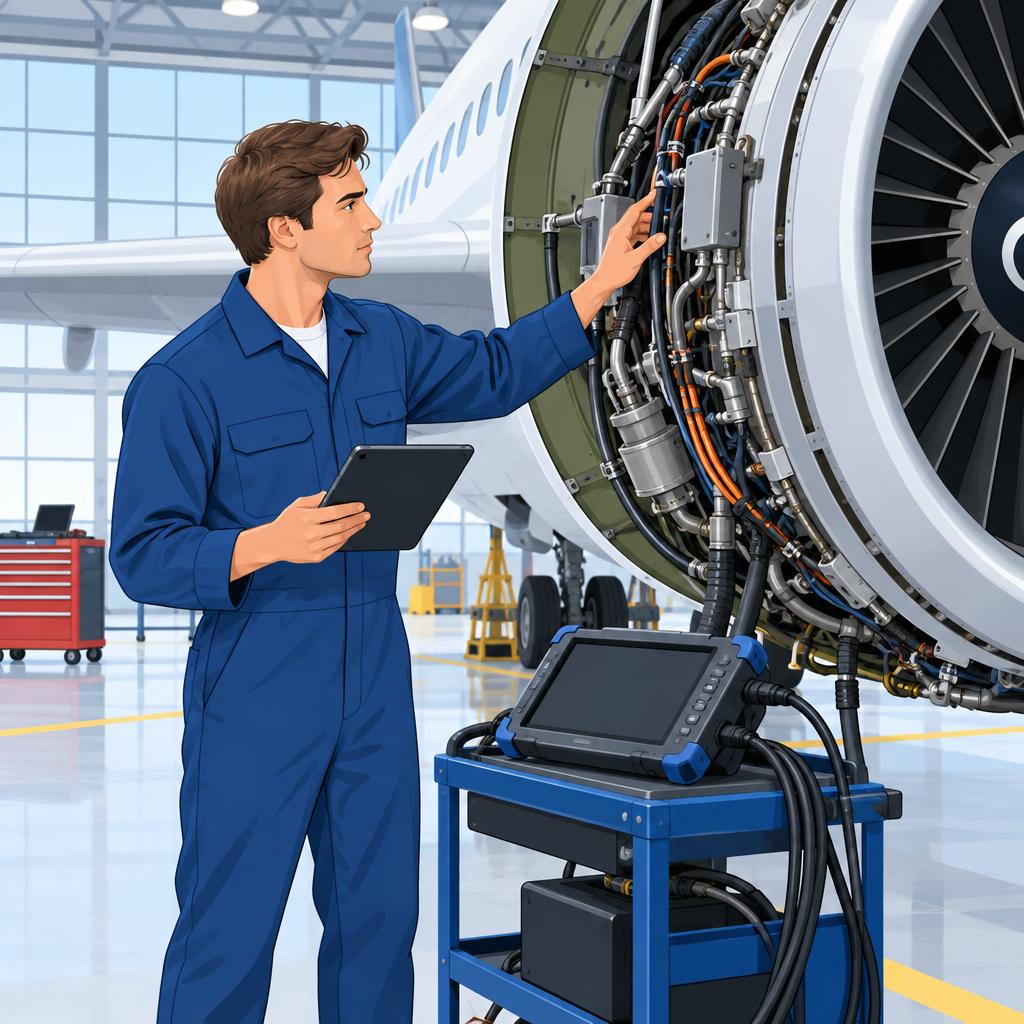
Importance of Using Automation and Digital Tools
- Automation reduces reliance on human memory and concentration, improving maintenance accuracy.
- Furthermore, digital tools store extensive data and provide instant access to historical maintenance records.
- Real-time monitoring systems also help technicians identify anomalies quickly and take corrective action promptly.
Explore Further: Expediter Job Market Outlook for 2025
Remote Monitoring and Diagnostics
Remote monitoring and diagnostic tools have transformed aviation maintenance.
These technologies let technicians observe aircraft systems in real time.
Technicians can also access sensor data and monitoring information from remote locations.
- Remote monitoring helps identify issues before they cause costly repairs or delays.
- Proactive monitoring allows technicians to address maintenance needs promptly.
- Technicians can review aircraft data without remaining beside the aircraft.
Benefits of Remote Monitoring and Diagnostics
Early detection supports safer aircraft operations.
Furthermore, timely information helps technicians organize maintenance work more effectively.
Regular oversight also supports dependable aircraft system performance.
- Technicians can detect potential problems early, which supports improved safety.
- Early issue identification can reduce extensive repair requirements and maintenance costs.
- Real-time data helps technicians prioritize maintenance tasks efficiently.
- Regular monitoring supports reliable aircraft system performance.
- Proactive maintenance can reduce unplanned aircraft groundings and downtime.
Implementation of Remote Monitoring Tools
Airlines and maintenance providers place sensors and Internet of Things devices on aircraft.
These devices transmit collected data wirelessly to a central monitoring system.
Cloud interfaces and mobile applications give technicians convenient access to that information.
- Real-time alerts notify technicians about anomalies and potential issues.
- Remote diagnostic tools help technicians troubleshoot problems from different locations.
- Central monitoring systems collect information from aircraft sensors and devices.
Remote Monitoring Supports Timely Maintenance
ABC Airlines implemented a remote monitoring system across its aircraft fleet.
During one flight, technicians received an alert about a malfunctioning engine sensor.
They used diagnostic tools to identify the issue and schedule maintenance after landing.
- The proactive response helped prevent a potential in-flight emergency.
- Technicians addressed the sensor issue without waiting for a larger failure.
- ABC Airlines reported reduced maintenance costs and aircraft downtime.
Future Directions for Remote Monitoring
Artificial intelligence can analyze monitoring data to support predictive maintenance.
Transform Your Career Today
Unlock a personalized career strategy that drives real results. Get tailored advice and a roadmap designed just for you.
Start NowAutomated systems may perform routine checks without direct human intervention.
Meanwhile, improved connectivity can give technicians faster access to aircraft information.
- Artificial intelligence algorithms can identify patterns within maintenance data.
- Mobile connectivity lets technicians receive alerts on smartphones and tablets.
- Advanced sensors can provide more accurate and detailed information.
- Cloud-based solutions allow secure access to stored data from various locations.
Operational Value of Remote Monitoring
Remote monitoring changes how technicians observe and support aircraft systems.
It enables proactive maintenance while supporting safety, reliability, and cost control.
As aviation technology develops, these tools can support efficient aircraft maintenance.
Discover More: Key Skills Needed for Logistics Consultants
Impact on Job Roles and Responsibilities
- Technology has changed traditional maintenance duties and expanded technician responsibilities.
- Technicians now need digital, analytical, troubleshooting, and communication competencies.
- These competencies help technicians respond to evolving maintenance demands.
Technology has significantly changed how aviation maintenance technicians perform their work.
Technicians now combine hands-on maintenance with digital system interaction.
This combination requires broader technical knowledge than traditional maintenance duties demanded.
Consequently, technicians increasingly identify developing issues before they become serious.
Predictive maintenance technologies support this proactive responsibility.
Technicians interpret available information and decide which maintenance actions require attention.
Data analytics and predictive modeling now support those decisions.
Technicians examine patterns, trends, and anomalies within maintenance data.
These findings can indicate potential problems or component failures.
Meanwhile, automation and robotics handle some routine maintenance procedures.
Technicians therefore focus more attention on complex activities requiring human judgment.
Digital literacy helps technicians use software and hardware systems effectively.
Troubleshooting skills help them address issues across connected systems.
Clear communication supports collaboration with engineers, pilots, and other stakeholders.
Technicians must explain technical information clearly when addressing maintenance issues.
Cross-functional teamwork has therefore become an important professional competency.
Technicians must continue developing their skills as aviation technology changes.
Future Trends in Aviation Maintenance
- Predictions indicate that aviation maintenance teams will use artificial intelligence more widely.
- Additionally, augmented reality will enhance maintenance procedures.
- Big data analytics will help technicians make informed decisions and improve efficiency.
- Furthermore, robotics will automate more routine tasks during maintenance operations.
Challenges in Technology-Driven Maintenance
- Rapid technological change may require maintenance technicians to complete additional training.
- Moreover, organizations must use cybersecurity measures to protect sensitive maintenance data.
- Automation may also raise concerns about job displacement in some maintenance activities.
- Finally, integrating multiple technologies into existing processes may create complex management challenges.
Consequently, technology will shape the future work of aviation maintenance technicians.
It will create efficiency opportunities while requiring continuous adaptation and upskilling.
Therefore, technicians should monitor emerging trends and develop skills for a technology-driven aviation industry.
Technology’s Role in Aviation Maintenance
Technology now shapes how aviation maintenance technicians organize, assess, and complete their responsibilities.
Digital systems give technicians additional ways to interpret aircraft information during maintenance work.
These changes require practical judgment alongside confidence with modern tools.
Automated Workflows and Diagnostic Support
Automation handles routine maintenance actions and gives technicians more time for complex tasks.
Diagnostic equipment helps technicians locate issues without unnecessary delays.
Technicians still guide each process and verify results before returning aircraft systems to service.
Immersive Skill Development
Virtual reality programs recreate maintenance situations for focused practice.
Technicians can build familiarity with procedures without relying only on live aircraft access.
This approach strengthens practical knowledge and supports confident responses during demanding tasks.
Analytics for Maintenance Planning
Data analytics reveal patterns that help technicians anticipate maintenance needs.
Teams can use those findings to plan timely action before problems interrupt operations.
Consequently, maintenance planning becomes more proactive and informed.
Digital Adaptability and Safety Culture
Technicians who understand new technologies can adjust more quickly as maintenance practices change.
Technology also supports stricter safety standards across maintenance activities.
Transform Your Career Today
Unlock a personalized career strategy that drives real results. Get tailored advice and a roadmap designed just for you.
Start NowBy combining updated tools with careful procedures, technicians help protect passengers.
Professional Fulfillment Through Technology
Modern tools can make maintenance work more engaging for aviation technicians.
Technicians gain satisfaction when technology helps them perform responsibilities with greater confidence.
Moreover, access to advanced systems can strengthen fulfillment in their roles.
Maintaining Technological Readiness
Technological progress makes continued awareness essential for aviation maintenance technicians.
Technicians must keep learning to remain effective in a fast-paced industry.
Staying current helps them use emerging tools while supporting safe, dependable maintenance.


