




Support for Transportation Security Screeners
Transportation security screeners help maintain safety and security at airports and other transportation hubs.
They identify and prevent potential threats from entering these facilities.
Therefore, advocacy and support help screeners perform their duties effectively.
Daily Challenges for Transportation Security Screeners
Transportation security screeners manage demanding responsibilities during each workday.
They perform repetitive inspections while remaining prepared for high-stress situations.
Because millions of passengers depend on their vigilance, screeners must maintain thorough security standards.
- Transportation security screeners face unique challenges and stressors daily.
- Long hours, monotonous tasks, and high-stress situations create regular job demands.
- They help ensure the safety of millions of passengers.
- Pressure to maintain security standards adds to their stress.
- Screeners must remain vigilant and thorough during inspections.
Turnover and Burnout Among Transportation Security Screeners
These working conditions can affect retention across the transportation security screening profession.
Burnout may combine emotional and physical exhaustion with the effects of repeated stressful situations.
Consequently, organizations need retention strategies that address turnover and burnout.
- High turnover rates among transportation security screeners remain concerning.
- Burnout contributes significantly to turnover in this profession.
- The demanding nature of the job can cause emotional and physical exhaustion.
- Constant exposure to stressful situations can affect mental health.
- Retention strategies remain crucial for addressing turnover and burnout.
These pressures can influence screener well-being and workforce stability.
Recognizing the profession’s stressors helps clarify the seriousness of its demands.
Addressing burnout and turnover remains important for sustaining effective screening operations.
The Importance of Advocacy for Transportation Security Screeners
Advocacy addresses the needs and concerns of transportation security screeners.
It helps screeners share their experiences and protect their rights.
Additionally, advocacy promotes support that can improve their work experience.
- Advocacy raises awareness about challenges that transportation security screeners face.
- It helps screeners access resources and support that can enhance job performance.
- Furthermore, advocacy can improve working conditions for transportation security screeners.
How Advocacy Improves Working Conditions
Advocacy can help transportation security screeners seek fair wages and benefits.
It can also support better training and professional development opportunities.
Moreover, advocacy allows screeners to address safety concerns and seek secure workplaces.
- Fair wages and benefits can help transportation security screeners achieve financial stability.
- Better training and professional development can strengthen screeners’ work capabilities.
- Safety advocacy can help screeners address concerns about their working environment.
Advocacy promotes the well-being and job satisfaction of transportation security screeners.
It empowers them to pursue better working conditions and fair treatment.
Explore Further: Warehouse Associate vs. Material Handler: Key Differences
Examples of Successful Advocacy Initiatives for Transportation Security Screeners
- Highlight case studies showing advocacy efforts that created positive changes for transportation security screeners.
- Showcase organizations that championed the rights and well-being of transportation security screeners.
Several initiatives have addressed workplace conditions and protections for transportation security screeners.
These efforts used negotiations, public campaigns, grassroots activities, and legislative advocacy.
Consequently, participating organizations reported improvements involving pay, resources, protections, and worker support.
TSA Workers Union Advocacy
The Transport Security Administration Workers Union advocated for improved conditions among airport screeners.
Through negotiations and advocacy, the union secured better pay and benefits for participating workers.
It also helped increase protections for workers performing security screening duties.
Support Our Screeners Advocacy Campaign
Organizations such as the National Association of Airline Passengers launched the Support Our Screeners campaign.
The campaign raised awareness about screeners’ role in protecting travelers.
As a result, the initiative increased recognition, support, training resources, and equipment for screeners.
SafeScreeners Coalition Initiative
The SafeScreeners Coalition brings advocacy organizations together to promote screener well-being.
Through grassroots efforts and lobbying, coalition members supported legislative changes concerning screener safety and rights.
The coalition’s work improved workplace protections, mental health resources, and healthcare access.
Workers’ Rights Advocacy Group
A workers’ rights advocacy group partnered with screeners to promote fair labor practices.
The group used protests, public campaigns, and legislative advocacy to seek stronger workplace protections.
These efforts addressed harassment, discrimination, advancement opportunities, and worker participation in workplace concerns.
TSA Employee Advocacy Network
The TSA Employee Advocacy Network supports screeners who face workplace challenges.
It provides legal assistance, advocacy services, and networking opportunities for participating employees.
Through this support, the network promotes fair treatment and recognition for transportation security screeners.
Explore Further: Understanding Railroad Engineer Job Duties
Transform Your Career Today
Unlock a personalized career strategy that drives real results. Get tailored advice and a roadmap designed just for you.
Start Now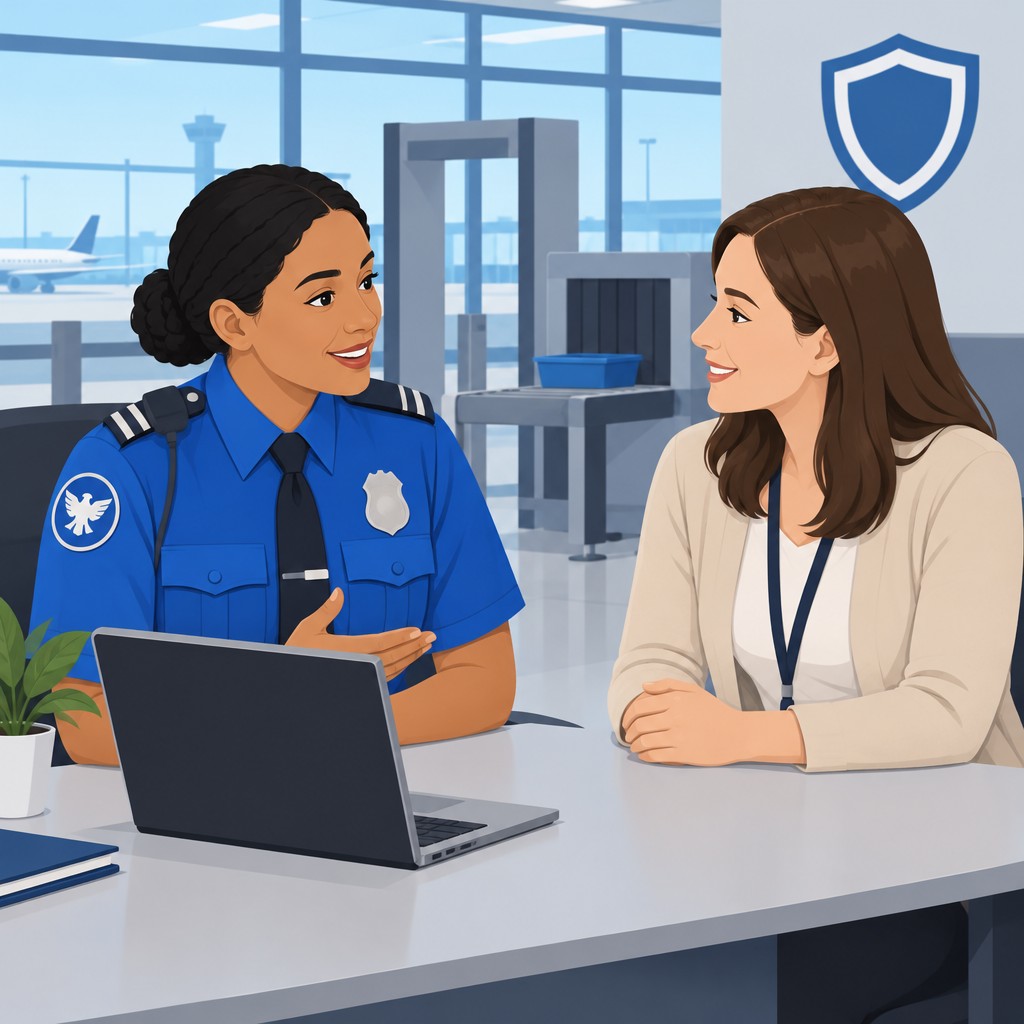
Support Networks for Transportation Security Screeners
Support networks help transportation security screeners manage demanding responsibilities and high-stress workplace conditions.
These networks connect screeners with colleagues and professionals who understand their experiences.
Additionally, accessible support can strengthen well-being and reduce isolation.
Building Effective Support Networks
Peer groups create camaraderie among screeners who face similar workplace pressures.
Meanwhile, counseling services provide confidential spaces for discussing feelings and seeking professional guidance.
Supportive communities also encourage open communication, mutual assistance, and healthier responses to stress.
- Peer support groups help screeners exchange experiences with colleagues.
- Counseling services give screeners a safe place to discuss emotional concerns.
- Support networks can reduce feelings of isolation and burnout.
- Professional guidance helps screeners address job-related stressors.
Coping Benefits of Workplace Connections
Screeners can share coping strategies with colleagues who understand their daily responsibilities.
Furthermore, support resources help screeners develop resilience and protect their mental health.
These connections can foster solidarity, belonging, and greater satisfaction within the screening profession.
- Colleagues can offer practical encouragement during difficult periods.
- Shared experiences help screeners recognize that others face similar challenges.
- Support resources provide tools for managing emotional concerns.
- Strong connections can help screeners remain engaged in their work.
By using these networks, screeners can navigate workplace pressures with greater support.
Consequently, improved well-being can support consistent and effective security screening services.
Find Out More: Interview Tips for Aspiring Logistics Technicians
Strategies for Supporting Transportation Security Screeners
Organizations can strengthen support through fair employment practices, public awareness, training, and policy engagement.
These efforts can help screeners perform their responsibilities with appropriate resources.
Furthermore, coordinated action can encourage a safer and more effective transportation system.
- Advocate for fair wages and benefits that support transportation security screeners’ well-being.
- Raise awareness about the important work screeners perform to protect transportation systems.
- Encourage organizations to provide training and resources that improve screening skills and effectiveness.
- Collaborate with policymakers and government officials to address screeners’ concerns.
Practical Advocacy Approaches for Individuals and Organizations
Individuals can advocate effectively when they understand screening work and listen to screeners’ concerns.
Direct engagement can reveal needs that general discussions may overlook.
Shared information and partnerships can then broaden public support.
- Educate yourself about the responsibilities and challenges screeners face each day.
- Engage with screeners to understand their needs and concerns firsthand.
- Share information and success stories that recognize screeners’ contributions.
- Collaborate with advocacy groups to amplify screeners’ voices.
Creating a Supportive Workplace Culture
Workplaces can show appreciation through recognition, professional development, inclusion, and open communication.
Managers should invite feedback and respond to concerns respectfully.
These practices can help screeners feel valued while strengthening workplace support.
- Recognize screeners’ dedication through awards and appreciation events.
- Provide ongoing training and development opportunities that expand screeners’ skills and knowledge.
- Foster a positive, inclusive workplace where screeners feel valued and respected.
- Encourage communication between management and screeners to address concerns constructively.
By applying these strategies, individuals and organizations can support screeners and strengthen transportation security.
Discover More: Key Responsibilities of an Inventory Control Specialist
The Impact of Advocacy and Support on Transportation Security Screeners
Advocacy and support play crucial roles in the well-being of transportation security screeners.
These efforts can improve job satisfaction, strengthen morale, and support effective job performance.
Furthermore, supportive workplaces can help screeners manage demanding responsibilities more effectively.
Job Satisfaction
Advocacy efforts can encourage improvements in working conditions for transportation security screeners.
Meanwhile, management and colleagues can raise morale by providing consistent support.
When screeners feel appreciated, they may show greater motivation and stronger job performance.
- Advocacy can promote improved working conditions for transportation security screeners.
- Support from management and colleagues can increase morale and job satisfaction.
- Appreciation and support can strengthen motivation and overall job performance.
Well-Being
Advocacy and support can help reduce stress and burnout among transportation security screeners.
Additionally, accessible resources and support services can improve mental and emotional well-being.
A supportive workplace can also help screeners maintain a healthier balance between work and personal life.
- Advocacy and support can reduce stress and burnout among transportation security screeners.
- Resources and support services can enhance mental and emotional well-being.
- Valued and supported screeners may experience a healthier work-life balance.
The Importance of Continued Advocacy Efforts
Transportation security screeners carry critical responsibilities for transportation safety and security.
Therefore, ongoing advocacy and support can help them meet those responsibilities effectively.
Continued efforts can also strengthen security practices and protect transportation systems.
Effective Security Measures
Advocacy can identify gaps in security protocols and promote access to necessary resources.
Moreover, continued support can help organizations recognize emerging threats and address risks proactively.
Advocacy can also encourage innovative technologies and training programs that improve security measures.
- Advocacy can address gaps in security protocols.
- Support can help screeners access resources needed for effective duties.
- Advocacy can encourage innovative technologies and training programs.
A Culture of Safety
Advocacy and support can help create a culture of safety and vigilance among transportation security screeners.
Open communication and collaboration can help teams identify vulnerabilities and address them promptly.
Transform Your Career Today
Unlock a personalized career strategy that drives real results. Get tailored advice and a roadmap designed just for you.
Start NowFinally, inclusive workplaces can empower screeners to report concerns and support stronger security practices.
- Advocacy and support can foster safety and vigilance among screeners.
- Open communication can help teams identify and address security vulnerabilities.
- Supportive workplaces can encourage screeners to report concerns proactively.
Strengthening Transportation Security Through Sustained Support
Advocacy and support for transportation security screeners strengthen transportation safety and security.
Well-trained, well-equipped, and well-supported screeners can apply security measures more effectively.
Furthermore, support can improve morale, job satisfaction, and performance during the screening process.
Stakeholders, government agencies, and the public should recognize screeners’ vital role.
Through collaboration, investment, and advocacy, stakeholders can build a stronger security infrastructure.
That infrastructure protects passengers, crew members, and the public across transportation systems.
Ultimately, sustained support helps travelers move confidently and securely between locations.


