




Rangeland Management Foundations
Rangeland managers oversee and maintain the health of rangeland ecosystems.
They manage grazing activities, monitor wildlife, and support sustainable land practices.
Their decisions benefit both the land and the surrounding community.
Key Skills for Successful Rangeland Management
Successful managers combine scientific knowledge with practical management skills.
They communicate with stakeholders and evaluate changing environmental conditions.
These abilities help them make informed decisions about rangeland ecosystems.
Range Science Knowledge
Managers need knowledge of plant and soil science.
They also study ecosystem dynamics and wildlife biology.
This foundation supports decisions about grazing, habitat restoration, and conservation.
Communication and Collaboration
Managers communicate effectively with ranchers, government agencies, and conservation groups.
They use collaboration to implement sustainable management practices.
Strong communication also helps them address conflicts among stakeholders.
Problem-Solving Skills
Rangeland managers analyze complex situations and identify important issues.
They develop practical solutions for challenges affecting rangelands.
These challenges include drought, invasive species, and habitat degradation.
Data Analysis and Technology
Managers use data analysis tools to evaluate land health.
GIS mapping and remote sensing support their management work.
These technologies help them track grazing patterns and make informed decisions.
Adaptability and Resilience
Rangeland managers work in unpredictable environments.
They respond to climate change and land use conflicts.
Adaptability and resilience support long-term success in this field.
Leadership and Decision-Making
Managers need strong leadership skills and sound decision-making abilities.
They inspire team members, prioritize tasks, and allocate resources effectively.
These responsibilities help them achieve conservation goals.
Rangeland managers can strengthen ecosystem health by developing these skills.
Their work supports sustainable rangeland ecosystems for future generations.
Effective management also helps balance land needs with community interests.
Education and Local Expertise for Rangeland Managers
- A degree in range management, natural resources, agriculture, or a related field.
- Experience working on rangelands or in a related industry.
- Knowledge of local plant species, soil types, and wildlife.
A strong educational background helps rangeland managers understand the complexities of effective rangeland management.
Hands-on experience allows managers to apply theoretical knowledge to real-world situations.
It also provides practical insights and strengthens professional skills.
Additionally, field experience clarifies challenges and opportunities within rangeland management.
Knowledge of local plant species, soil types, and wildlife supports informed management decisions.
This ecological understanding guides grazing management, invasive species control, habitat restoration, and conservation efforts.
It also helps managers identify threats to rangeland health and develop appropriate responses.
Together, education, experience, and local knowledge support responsible stewardship of valuable landscapes.
These qualities help protect rangelands for future generations.
Leadership Skills for Rangeland Managers
- Lead ranch hands and other employees effectively.
- Use sound decisions to address challenges across rangelands.
- Communicate clearly with stakeholders and government agencies.
Strong leadership helps rangeland managers direct daily operations successfully.
Effective supervision keeps ranch hands and other employees working smoothly and efficiently.
When adverse weather or predator attacks create challenges, managers must respond promptly.
Quick, informed decisions can reduce negative effects on land and livestock.
Transform Your Career Today
Unlock a personalized career strategy that drives real results. Get tailored advice and a roadmap designed just for you.
Start NowFurthermore, communication helps managers work with landowners, conservation groups, and government agencies.
These relationships support necessary permits, grazing rights, and conflict resolution.
Strong leadership, sound judgment, and clear communication help managers oversee rangeland operations.
These skills support land health, livestock well-being, and positive stakeholder relationships.
You Might Also Like: Quality Control Inspector's Role in Harvest Quality
Environmental Stewardship
- Understanding of sustainable grazing practices to maintain rangeland health
- Knowledge of conservation methods that protect soil, water, and wildlife habitats
- Commitment to preserving natural resources for future generations
Environmental stewardship plays a critical role in successful rangeland management.
Rangelands support diverse plant and animal species, so managers must protect them responsibly.
Sustainable grazing requires managers to rotate livestock, maintain proper stocking rates, and identify areas needing recovery.
These practices promote healthy plant growth, reduce erosion, and maintain biodiversity.
Conservation knowledge helps managers protect soil, water, and wildlife habitats.
Managers can build fencing to control livestock movement.
They can also use water management strategies to reduce erosion and runoff.
Wildlife corridors preserve habitat connectivity and support ecological health.
A strong commitment to conservation helps preserve natural resources for future generations.
Rangelands provide food, water, and shelter for wildlife.
They also support ecosystem services such as carbon sequestration and water filtration.
Prioritizing long-term health keeps these resources available for future generations.
Effective stewardship combines knowledge, experience, and dedication.
By applying these skills, managers promote environmental health for current and future generations.
Explore Further: How to Maintain Irrigation Systems Effectively
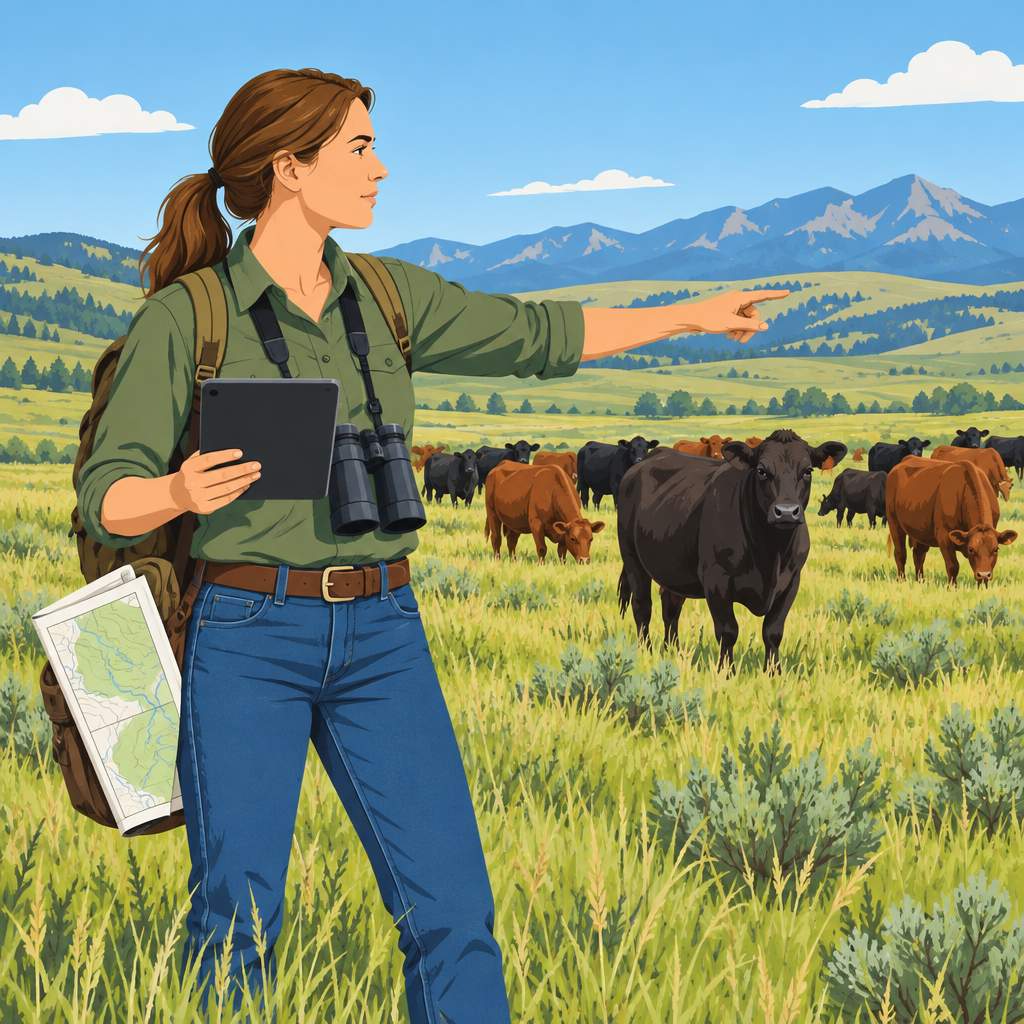
Financial Management for Rangeland Operations
Financial management helps rangeland managers sustain economically viable operations.
These professionals need budgeting, data analysis, and negotiation skills.
Together, these abilities support informed decisions and responsible resource use.
Budgeting for Efficient Resource Allocation
First, managers create budgets that allocate resources efficiently.
They balance short-term priorities with long-term operational goals.
They also plan for unexpected expenses and changing operational needs.
Data Analysis for Economic Viability
Next, managers analyze operational data to evaluate different grazing practices.
They review production costs, market prices, and environmental impacts.
This analysis helps them maximize profitability while reducing financial risks.
Negotiation Skills for Favorable Contracts
Additionally, negotiation skills help managers secure favorable contracts.
They may negotiate with vendors for supplies and buyers for sales agreements.
Clear communication and attention to both parties’ needs support mutually beneficial solutions.
Financial Practices Supporting Long-Term Success
These financial practices strengthen the economic sustainability of rangeland operations.
Managers can use disciplined planning to support long-term success in the industry.
Their financial decisions connect operational performance with responsible management.
Find Out More: The Importance of Insect Diversity in Ecosystems
Range Ecology
- Ability to assess rangeland health and productivity
- Knowledge of invasive plant species and control methods
- Understanding of grazing strategies for forage and animal performance
Range ecology requires diverse skills and knowledge for sustainable rangeland stewardship.
Managers need ecological knowledge to protect land and support productive uses.
They also address threats while balancing vegetation, soil, water, and livestock needs.
Assessing Rangeland Health and Productivity
Managers assess plant diversity, ground cover, soil quality, and water availability.
Transform Your Career Today
Unlock a personalized career strategy that drives real results. Get tailored advice and a roadmap designed just for you.
Start NowThese indicators reveal changes in rangeland health and productivity over time.
Consequently, assessments guide grazing decisions, invasive plant control, and restoration efforts.
Controlling Invasive Plant Species
Invasive plants can outcompete native vegetation and reduce ecosystem health.
Managers identify regional invaders and evaluate their effects on forage production.
They may use mechanical removal, chemical treatment, or targeted livestock grazing.
Managing Grazing Strategies
Grazing management influences forage production, soil condition, and animal performance.
Managers select strategies such as rotational, deferred, or targeted grazing.
These practices encourage plant growth while supporting livestock health and productivity.
Integrating Range Ecology Practices
Sustainable rangeland management connects ecological assessment, invasive plant control, and grazing planning.
Careful decisions can maintain healthy vegetation, protect soil, and improve resource use.
These practices support productive rangelands while protecting ecological functions.
You Might Also Like: Pest Control Advisor: Communicating with Clients
Risk Management for Rangeland Operations
Rangeland managers must identify risks that could disrupt operations and threaten livestock health.
They watch for drought conditions, wildfire threats, and signs of disease outbreaks.
Early risk recognition helps managers protect livestock and respond before conditions worsen.
- Managers identify risks such as drought, wildfire, and disease outbreaks.
- Managers develop contingency plans that reduce risks and protect livestock.
- Managers learn about insurance options and government assistance programs for disaster recovery.
Furthermore, proactive planning helps managers maintain operations during challenging conditions.
Managers can secure adequate water sources when drought reduces available supplies.
They can also create firebreaks that limit wildfire spread across rangelands.
Additionally, biosecurity measures can help prevent disease from spreading among livestock.
Insurance knowledge helps managers address financial losses after unexpected events.
Government assistance programs can support recovery and help operations resume after disasters.
Prepared managers protect livestock, preserve land, and safeguard their livelihoods against potential threats.
Adaptability and Problem-Solving in Rangeland Management
- Adjust management practices when environmental conditions change.
- Use creative solutions to address unexpected rangeland challenges.
- Recover from setbacks and learn from management experience.
Adaptability helps rangeland managers respond effectively to changing conditions.
They must adjust practices as weather patterns, plant growth cycles, and grazing pressures shift.
This flexibility supports rangeland health and productivity.
Additionally, creative problem-solving helps managers address unexpected challenges on rangelands.
For example, they may manage invasive species, drought conditions, or wildlife conflicts.
They must consider solutions that benefit both the land and its inhabitants.
Furthermore, resilience helps managers recover from setbacks and learn through experience.
Rangeland management involves complex, changing conditions, so failures and mistakes may occur.
Managers can persevere, evaluate errors, and improve their practices.
These qualities help managers protect rangelands for current and future generations.
Professional Development for Rangeland Managers
- Commitment to staying current on industry trends and best practices
- Willingness to pursue certifications or additional training in rangeland management
- Networking skills to connect with other professionals and share knowledge
Professional development helps rangeland managers succeed in a changing field.
Managers must stay informed about industry trends, best practices, and technological advances.
As management approaches evolve, they should strengthen their skills and adjust their practices.
Furthermore, certification and additional training can deepen professional knowledge.
Relevant options include range science, soil conservation, and wildlife management.
These credentials can strengthen expertise and professional credibility.
In addition, networking helps managers exchange knowledge, resources, and effective practices.
Connections with other professionals can create opportunities for collaboration, partnerships, and career advancement.
Transform Your Career Today
Unlock a personalized career strategy that drives real results. Get tailored advice and a roadmap designed just for you.
Start NowManagers can attend industry events, workshops, and conferences to expand their professional networks.
They can also participate in online forums and share field experiences.
Consequently, professional exchanges may encourage new insights and innovative solutions.
Lifelong learning helps rangeland managers remain engaged with developments in their field.
Essential Skills for Successful Rangeland Management
Successful rangeland managers combine communication, technical knowledge, problem-solving, leadership, and adaptability.
- Clear communication helps managers interact with diverse stakeholders.
- Deep knowledge supports sound land and animal management practices.
- Strong problem-solving skills help managers address challenging situations.
- Effective leadership enables efficient team management.
- Adaptability helps managers respond to changing environmental and market conditions.
Continual learning and adaptation remain essential in rangeland management.
Managers must stay updated on research, technologies, and best practices.
Continuous learning helps managers implement innovative solutions and strengthen sustainability efforts.
It also improves operational efficiency across changing conditions.
Adaptation helps managers navigate uncertainty and respond to new challenges.
By pursuing education and remaining flexible, managers can support successful operations and environmental outcomes.
Additional Resources
Google search results for Key Skills Needed for a Successful Rangeland Manager Agricultural
Bing search results for Key Skills Needed for a Successful Rangeland Manager Agricultural


