




The Development of Photography
Photography has a rich history spanning more than 180 years.
The camera obscura established an early foundation for capturing images.
In the early nineteenth century, Louis Daguerre introduced the daguerreotype.
This invention marked the beginning of practical photography.
The process exposed a metal plate to light.
Consequently, Daguerre’s innovation captivated society and sparked widespread interest.
As photography progressed, new developments improved photographic techniques.
For example, wet plate collodion produced sharper images.
Meanwhile, portable cameras enabled amateur photographers to explore their creativity.
By the late 1800s, Kodak introduced the first mass-market camera.
This development simplified photography and expanded personal image-making.
As a result, photography became accessible to everyone.
The shift toward digital photography began in the late twentieth century.
In 1975, Steven Sasson invented the first digital camera while working at Kodak.
The device captured images as digital data rather than film.
Over time, technology improved image quality and lowered costs.
Therefore, digital photography quickly changed how people captured moments.
Digital photography also transformed the industry.
Photographers no longer needed darkrooms or chemicals.
Instead, they could view and edit images instantly.
This convenience streamlined the creative process and encouraged innovative styles.
Furthermore, social media enabled immediate sharing and feedback.
Consequently, photography diversified across many styles and techniques.
As digital photography evolved, professional standards shifted dramatically.
Photographers adopted editing software and digital storage.
In addition, smartphones with high-quality cameras brought photography to the masses.
Today, almost everyone carries a powerful camera in a pocket.
This development continues to change photography’s landscape.
Early Developments in Digital Photography
The journey into digital photography began with groundbreaking inventions and significant transitions.
Early photographers faced challenges that digital technology eventually transformed.
Several milestones explain this transformation.
Invention of the First Digital Camera
The first digital camera marked a major shift in photography.
In 1975, engineer Steven Sasson invented the camera at Kodak.
The prototype weighed around eight pounds and captured images at 0.01 megapixels.
These details show why this invention remained experimental.
- Prototype Development: The initial model used a sensor and a simple lens.
- It recorded images onto cassette tape.
- First Image: Sasson photographed his roommate on a rooftop.
- The image took approximately 23 seconds to capture.
- Immediate Limitations: The camera delivered low resolution and required extensive processing time.
- The design was not practical for everyday use.
- Press Interest: Kodak demonstrated the camera to experts.
- Experts showed intrigue but also skepticism.
- The public awaited a more functional design.
- Commercial Reluctance: Kodak hesitated to market the device.
- The company feared that digital cameras would reduce film sales.
Despite these limitations, Sasson’s invention laid the groundwork for digital photography.
It demonstrated the potential of electronics for capturing images.
As technology advanced, further developments followed.
Transition from Film to Digital
The transition from film to digital photography changed the photographic landscape.
Photographers embraced technologies that simplified image capture.
Transform Your Career Today
Unlock a personalized career strategy that drives real results. Get tailored advice and a roadmap designed just for you.
Start NowSeveral factors influenced this significant shift.
- Image Quality Improvements: Early digital cameras delivered lower quality than film cameras.
- Advancements quickly enhanced digital sensor capabilities.
- Storage Innovations: Compact flash cards allowed photographers to store hundreds of images.
- This improvement surpassed the storage capacity of film rolls.
- Post-Processing Software: Programs such as Adobe Photoshop became game-changers.
- They enabled photographers to manipulate images with ease.
- Affordability: Digital technology matured and costs decreased significantly.
- This change made cameras more accessible to hobbyists.
- Instant Feedback: Photographers could review images immediately after capturing them.
- This advantage encouraged photographers to move beyond film.
The transition reached a tipping point in the late 1990s.
More affordable, high-quality digital cameras entered the market.
Consequently, enthusiasts actively upgraded to digital technology.
Photographers soon favored digital cameras for their convenience and flexibility.
Impact on Professional Photography
As digital photography evolved, it changed professional practices.
Photographers benefited from enhancements that the digital age offered.
These changes reshaped the industry.
- New Genres of Photography: Digital photography supported styles such as social media photography.
- Vlogging and content creation became mainstream practices.
- Broader Distribution: Photographers could share their work instantly on the Internet.
- Websites and social media platforms expanded their visibility.
- Increased Competition: Greater accessibility brought more photographers into the field.
- This competition encouraged innovation and revealed diverse talent.
- Remote Work Capability: Photographers adapted to remote work and freelance opportunities.
- Digital portfolios helped them market services beyond geographical constraints.
- Data Management: Professionals could organize, edit, and store thousands of images.
- They gained better control over their work.
In this new landscape, professionals reevaluated their approaches.
They learned to use digital capabilities to differentiate and grow their brands.
Meanwhile, the digital age transformed expectations for photographers and consumers.
Consumer Photography Revolution
The digital age brought photography to the masses.
Consumers embraced smartphones equipped with powerful cameras.
This revolution changed how people captured and shared pictures.
- Smartphone Technology: New smartphone models included improved camera capabilities.
- Image stabilization and low-light performance improved significantly.
- Social Media Integration: Instagram and Snapchat emphasized photography.
- These platforms encouraged sharing and instant feedback.
- Photo Editing Apps: VSCO and Snapseed democratized image editing.
- Users enhanced imagery directly from their devices.
- Community Building: Photography communities formed around shared interests.
- Users exchanged critiques and inspiration.
- Mass Participation: Everyday people documented their lives and travels.
- Visual storytelling enriched personal experiences.
Consumers gained greater power to create personal stories through photography.
Additionally, accessible digital tools encouraged creativity and self-expression.
This cultural shift changed how families, friends, and communities captured memories.
Early digital photography began a new era.
Significant inventions enabled the shift from film to digital technology.
As technology progressed, photography drove innovation and changed visual storytelling.
Digital photography has transformed how people capture, review, and share images.
Technological progress has improved camera performance and expanded creative possibilities.
These changes continue through advanced sensors, interchangeable lenses, and faster image processing.
Advancements in Digital Technology
Digital photography has reshaped photographic art through rapid technological development.
Modern devices capture detailed images while supporting faster review and convenient sharing.
Megapixel improvements, DSLRs, and mirrorless cameras have driven major changes throughout photography.
Megapixel Count and Image Quality Improvements
Early digital cameras offered limited resolution because their sensors contained fewer megapixels.
Today, many consumer cameras provide twenty to fifty megapixels or more.
Higher resolution helps photographers preserve detail and explore more flexible compositions.
- Megapixel Revolution: Modern cameras capture considerably more detail than early digital models.
- Sharpened Images: Higher megapixel counts support detailed images and allow substantial cropping.
- Enhanced Low-Light Performance: Improved sensors produce clearer photographs in challenging lighting conditions.
- Advanced Image Processing: HDR and noise reduction create cleaner images directly from the camera.
- Real-Time Image Review: Camera screens let photographers review results immediately and refine their technique.
Introduction of DSLR Cameras
DSLR cameras have played an important role in the development of modern photography.
These cameras combine a mirror mechanism with an optical viewfinder for direct framing.
Interchangeable lenses and customizable settings give photographers greater control over their images.
- Optical Viewfinder: DSLRs show the scene directly through the lens for precise framing.
- Interchangeable Lenses: Photographers can select lenses for wide-angle or close-up images.
- High Performance: Quick autofocus and strong burst rates help capture fast-moving subjects.
- Robust Battery Life: DSLRs support extended shooting sessions compared with traditional point-and-shoot cameras.
- Advanced Features: Image stabilization and customizable settings provide greater exposure control.
Introduction of Mirrorless Cameras
Mirrorless cameras have gained popularity by offering compact bodies and advanced performance.
Without a mirror mechanism, these cameras often weigh less and occupy less space.
Their electronic viewfinders display digital previews that reflect selected camera settings.
- Compact Design: The missing mirror mechanism creates smaller and lighter camera bodies.
- Electronic Viewfinder: Digital previews show how settings may affect the finished image.
- Faster Autofocus: Hybrid detection systems support quick and accurate focusing, especially during video recording.
- Video Capabilities: Many mirrorless models record 4K video for filmmakers and content creators.
- Greater Lens Selection: Expanding lens ranges support numerous photography genres and personal preferences.
Photography’s Expanding Creative Possibilities
Digital technology has made photography more accessible and adaptable for many users.
Higher resolution and improved processing help photographers create richer, more detailed images.
DSLR and mirrorless systems continue to support different shooting preferences and creative approaches.
As technology advances, photographers can explore new ways to capture meaningful moments.
Photography now functions as both an everyday practice and a flexible form of artistic expression.
Transform Your Career Today
Unlock a personalized career strategy that drives real results. Get tailored advice and a roadmap designed just for you.
Start NowGain More Insights: How to Monetize Your Radio Show Effectively
Role of Social Media in Shaping Digital Photography
Social media has radically transformed digital photography.
Platforms like Instagram have changed how people capture, share, and understand photographic art.
Smartphones have made photography accessible to almost everyone.
This shift carries profound and far-reaching implications.
Instagram and the Rise of Smartphone Photography
Instagram emerged in 2010 and quickly became a dominant image-sharing platform.
The platform combined social media with photography.
Consequently, users changed how they interacted with photographs.
People shared candid moments, artistic images, and many other visual experiences.
Moreover, Instagram’s filters made photography more appealing and accessible.
Today, smartphones contain powerful cameras that let anyone create high-quality photographs.
Built-in editing tools and user-friendly applications have expanded participation beyond professional photographers.
- Accessibility: Almost everyone owns a smartphone today.
- Portable Equipment: A smartphone functions as a camera that users can carry anywhere.
- Immediate Sharing: Users can capture and share moments instantly.
- Creative Momentum: Immediate sharing encourages spontaneous creativity.
- Enhanced Features: Modern smartphones include night mode, portrait mode, and quick editing tools.
- Community Engagement: Followers can respond to photographs through likes, shares, and comments.
- Content Variety: Instagram supports landscapes, portraits, and many other photographic genres.
Meanwhile, smartphone photography quality has improved significantly.
Advances in lenses, sensors, and computational photography have improved image capture.
Apple, Samsung, and Google continue to develop stronger camera capabilities.
As a result, users can produce images that rival traditional camera setups.
Instagram has also nurtured a culture that celebrates photography.
Many users now view photography as a potential professional career.
Photographers use the platform to market services and display portfolios.
Furthermore, Instagram supports communities focused on specific photographic interests.
These interests include travel photography and food styling.
Such communities strengthen shared knowledge and inspiration.
Influencers and the Democratization of Photography
Influencers play an important role in shaping digital photography trends.
They use Instagram and other platforms to present visual narratives.
Their personal representations of life often attract large audiences.
As a result, followers gain inspiration from their preferred influencers.
This engagement encourages more people to explore photography.
- Skill Sharing: Influencers provide tutorials, tips, and practical advice.
- Technique Development: Users can learn methods from experienced creators.
- Style Innovation: Influencers experiment with distinctive photographic approaches.
- Creative Exploration: Their experiments encourage others to test new techniques.
- Collaboration: Influencers work together to create varied and dynamic content.
- Brand Engagement: Companies collaborate with photographers to promote products authentically.
- Global Gallery: Instagram helps audiences discover emerging photographers worldwide.
Influencers affect broader photographic trends and visual aesthetics.
Their preferences can inspire movements centered on particular styles or editing methods.
For example, popular influencers have helped increase interest in minimalist photography.
Similarly, trendsetters have encouraged vibrant and colorful imagery.
This environment gives amateur photographers greater visibility.
Their unique content can reach audiences without traditional professional access.
Therefore, social media disrupts established gatekeeping practices in photography.
Anyone with creativity and a smartphone can now participate in this art form.
Social Media’s Influence on Photographic Trends
Social media platforms strongly influence which photographs attract public attention.
They also encourage users to adopt recognizable visual formats.
The following trends demonstrate this influence.
- Selfies: Social media expanded selfie culture and transformed personal branding.
- Curated Feeds: Users arrange images to create cohesive visual identities.
- Stories and Short Videos: Temporary content encourages spontaneous, real-time sharing.
- Challenges and Hashtags: Social media challenges encourage creative participation.
- Shared Memories: Hashtags such as #ThrowbackThursday connect users through past experiences.
- Visual Trends: Moody colors and vintage styles can spread rapidly across platforms.
Digital photography will continue evolving alongside social media.
Photographers must adapt to platforms with rapidly changing dynamics.
Transform Your Career Today
Unlock a personalized career strategy that drives real results. Get tailored advice and a roadmap designed just for you.
Start NowUnderstanding audience preferences and engagement can influence a photographer’s progress.
Successful creators present their ideas through compelling visual formats.
The connection between photography and social media supports a vibrant creative community.
Photographers receive feedback, encouragement, and motivation from other users.
Social media also encourages experimentation and continued improvement.
This ongoing interaction creates opportunities for emerging photographers.
As technology advances, social media will continue influencing photographic practice.
Explore Further: Building Strong Client Relationships as a Copy Editor
Editing Software and Post-Production
Editing software extends photography beyond the shutter release.
Programs like Adobe Photoshop and Lightroom have transformed modern post-production.
These tools help photographers enhance images, correct errors, and express creativity.
Photoshop and Lightroom for Image Editing
Adobe Photoshop remains a definitive tool for detailed image editing.
Its comprehensive features let photographers adjust nearly every aspect of an image.
For example, photographers can precisely control brightness, contrast, and saturation.
Meanwhile, Lightroom supports photographers who need image management and straightforward enhancements.
Its user-friendly interface simplifies batch editing and saves valuable time.
Photoshop provides several important capabilities.
- Layer management supports non-destructive editing.
- Advanced selection tools provide precise control over edits.
- Filters and effects expand artistic expression.
- Retouching tools correct skin imperfections and improve landscape details.
Lightroom also offers several essential features.
- Tags and collections organize images efficiently.
- One-click presets provide quick, consistent enhancements.
- Metadata management helps photographers track and sort images.
- Color grading tools adjust exposure while preserving detail.
Accessible Editing Tools for Amateur Photographers
Today, many editing programs make photography more accessible.
Although Adobe products set a standard, other options address different needs.
These alternatives help amateur photographers develop skills without excessive costs.
Popular alternatives include the following tools.
- GIMP offers robust editing capabilities through a free, open-source platform.
- Canva supports beginners with straightforward design and editing tasks.
- Affinity Photo provides powerful tools through a one-time purchase.
- Snapseed enables feature-rich mobile editing and on-the-go adjustments.
This accessibility encourages newcomers to experiment without fearing costly mistakes.
They can learn from their edits and build confidence through continued practice.
As these tools become easier to use, more people begin exploring photography.
Professional-Level Editing for More Photographers
Digital photography has expanded access to advanced editing tools.
This change allows amateur photographers to create work that approaches professional standards.
With practice, they can produce highly polished images.
Online tutorials and resources also accelerate the learning process.
Photographers can find video guides, written instructions, and discussion forums.
Industry professionals and enthusiasts share expertise across many editing topics.
Online resources provide several valuable benefits.
- Step-by-step videos support visual learners.
- Written guides explain specific techniques in depth.
- Experienced photographers provide feedback to newcomers.
- Professionals use workshops and webinars to share techniques.
Social Media Trends in Photo Editing
Social media platforms also influence how photographers edit images.
Instagram, Pinterest, and Flickr display a wide range of photographic styles.
Photographers often find editing inspiration through these online collections.
Consequently, social platforms encourage users to adopt recognizable visual aesthetics.
Filter presets and editing styles become popular as trends spread.
Users share edited images, which encourages others to try similar techniques.
This interaction creates an ongoing cycle of creativity and improvement.
Photographers study other edits and refine their own approaches.
Transform Your Career Today
Unlock a personalized career strategy that drives real results. Get tailored advice and a roadmap designed just for you.
Start NowThey also monitor changing styles and adapt when necessary.
Ethical Responsibilities in Photo Editing
Editing tools can alter reality, so photographers must use them responsibly.
Questions about authenticity and manipulation matter in a visually driven world.
Photographers should consider several ethical issues.
- Truthful representation requires photographers to avoid misleading viewers through drastic edits.
- Respect for subjects means avoiding changes that make people unrecognizable.
- Transparency may require photographers to disclose significant image alterations.
- Artistry and authenticity can coexist when photographers preserve genuine representation.
As editing tools become more powerful, these discussions gain importance.
More photographers recognize the value of ethical editing practices.
They seek a balance that respects both artistic expression and human subjects.
The Future of Digital Photo Editing
Editing software continues to influence photography in the digital age.
Photoshop and Lightroom help photographers bring creative visions to life.
These tools support both amateur and professional image creators.
Accessible software continues to shape a new generation of photographers.
Online resources encourage experimentation, learning, and creative growth.
As photography evolves, ethical discussions will remain increasingly important.
The future depends on photographers using editing tools with skill and responsibility.
Amateur photographers continue contributing fresh perspectives to this evolving art form.
See Related Content: Essential Film Directing Workshops and Courses
Changes in Photography Trends
Photography has changed significantly during the digital age.
These changes reflect evolving social values and technological progress.
Photographers now explore varied styles, methods, and creative priorities.
Two major trends include authentic imagery and digitally shaped visual aesthetics.
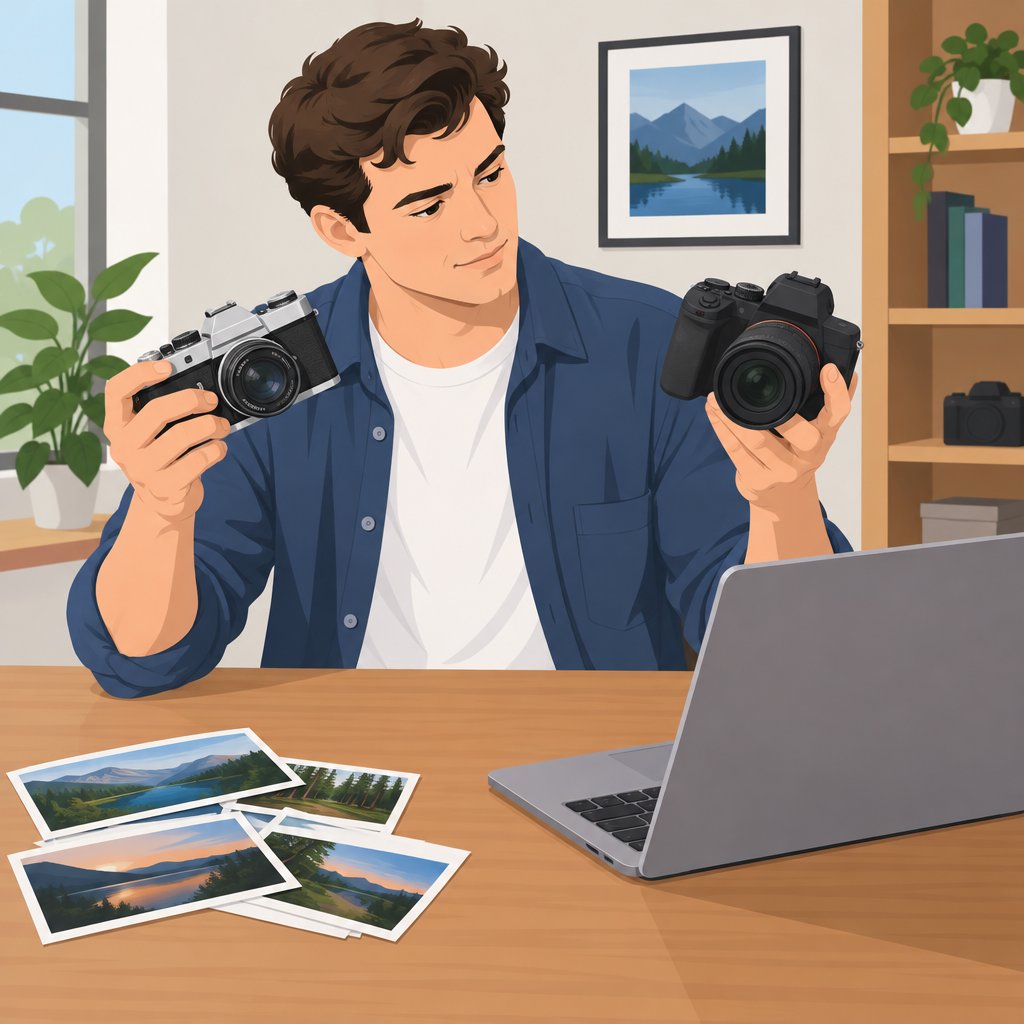
Candid and Authentic Photography
Photography increasingly emphasizes candid moments and authentic experiences.
This movement reflects a desire for genuine scenes instead of carefully staged compositions.
Audiences often seek connection and vulnerability in the images they view.
- Capturing Real Emotions: Photographers highlight genuine expressions instead of posed smiles.
- Daily Life Moments: Many photographers document ordinary experiences and reveal beauty in simplicity.
- Natural Settings: Photographers use natural light and familiar environments to strengthen authenticity.
- Storytelling: Photographers capture meaningful moments that create deeper connections with audiences.
- Engagement with Subjects: Personal interaction helps photographers build trust with their subjects.
Moreover, candid photography aligns with broader cultural interest in authenticity.
Social media audiences increasingly appreciate unfiltered and relatable content.
Consequently, raw imagery can create stronger connections than traditional posed photographs.
Digital Filters and Presets
Digital filters and presets have significantly influenced photographic visual aesthetics.
These tools allow photographers to alter images quickly and explore varied creative directions.
Furthermore, accessible editing tools have expanded creative participation across skill levels.
- Enhanced Visual Appeal: Filters can add drama, softness, or atmosphere to photographs.
- Consistency Across Images: Presets help photographers maintain recognizable visual styles.
- Accessibility: Apps and software let many users create polished visuals easily.
- Experimentation: Photographers can test different aesthetics and identify effective approaches.
- Social Media Influence: Online platforms encourage visually appealing content and shape aesthetic preferences.
However, excessive editing can create unrealistic representations of people and environments.
Overprocessed images may also distance audiences from everyday visual reality.
Therefore, photographers must balance creative enhancement with believable presentation.
Combining Authenticity with Digital Styling
Candid photography and digital filters can work together effectively.
Photographers can enhance spontaneous moments while preserving their natural character.
This combination supports audience engagement without abandoning artistic integrity.
- Selective Use of Filters: Photographers choose effects that support each image’s candid character.
- Creating a Unique Style: Combining candid images and thoughtful filters can establish a signature approach.
- Audience Engagement: Viewers often respond well to imagery that blends honesty with creativity.
Meanwhile, photographers must navigate changing preferences with care.
Their choices can reflect modern values while preserving personal expression.
Ultimately, ongoing experimentation will continue shaping photographic practice.
Future Directions in Photographic Expression
Current photography trends reveal a continuing evolution within digital visual culture.
Candid imagery expresses a collective interest in honesty and emotional connection.
Transform Your Career Today
Unlock a personalized career strategy that drives real results. Get tailored advice and a roadmap designed just for you.
Start NowAt the same time, digital tools expand visual storytelling and creative experimentation.
Photographers who balance authenticity with technology can distinguish their work effectively.
This balance will help photography remain a vibrant form of expression.
As society changes, photographers will continue blending genuine moments with intentional visual design.
Uncover the Details: Interview Tips for Aspiring Advertising Account Executives
Professional Photographers in the Digital Era
Digital photography profoundly changed the professional photography landscape.
This transformation created significant challenges and valuable opportunities.
Photographers must understand both sides while navigating the digital era.
Challenges of Adapting to Digital Technology
Digital photography created several challenges for established professional photographers.
However, photographers can overcome these difficulties through focused learning and practical adaptation.
Several obstacles require attention during this professional transition.
- Learning Curve: Photographers must master new equipment and software.
- They must understand camera settings, digital files, and post-processing techniques.
- Initial Investment: Digital equipment often requires significant financial investment.
- Quality cameras, lenses, and editing software can become expensive.
- Increased Competition: Digital technology lowered entry barriers for aspiring photographers.
- Consequently, many talented individuals now compete within a saturated market.
- Client Expectations: Clients often expect faster delivery and larger image collections.
- Therefore, speed frequently matters as much as quality.
- Adapting to New Styles: Photographers often need to reinvent their creative approaches.
- Fresh techniques help professionals distinguish their work from competitors.
These challenges may feel overwhelming at first.
Nevertheless, photographers must address them to sustain professional success.
Digital Platforms and New Revenue Opportunities
The digital age also creates new ways for photographers to generate income.
Photographers can diversify their businesses by combining creative services with digital distribution.
Moreover, digital platforms help professionals reach audiences beyond their immediate markets.
- Online Portfolios: Professional websites allow photographers to display their work globally.
- This wider exposure can attract potential clients.
- Social Media Marketing: Photographers can reach broader audiences through social platforms.
- Engaging content can turn followers into paying clients.
- Stock Photography: Photographers can sell completed images through stock photography websites.
- This approach can create income from existing work.
- Photo Editing Services: Photographers can provide editing services to other creators.
- Advanced editing skills can expand their professional offerings.
- Online Workshops and Tutorials: Experienced photographers can teach through courses and classes.
- Teaching can generate income and establish professional authority.
- Print Sales: Photographers can sell prints and merchandise through online platforms.
- These products allow audiences to purchase physical artwork.
- Brand Collaborations: Partnerships can support sponsored photography content.
- Such collaborations may increase income and professional credibility.
These options allow photographers to build multiple income sources.
As a result, adaptable professionals can respond more effectively to industry changes.
Adapting to Photography’s Changing Professional Landscape
Digital photography continues to reshape professional photographic work.
Learning curves, competition, and changing client expectations remain important challenges.
At the same time, digital platforms provide numerous opportunities for growth.
Photographers who embrace innovation can strengthen their relevance within the industry.
Therefore, long-term success requires perseverance, flexibility, and continued learning.
The Future of Digital Photography
Digital photography has reshaped the industry through accessible tools, advanced cameras, and flexible editing workflows.
Today, anyone with a smartphone can create and share compelling images.
Editing tools also help amateur photographers refine their work with greater confidence.
Consequently, photographers express more varied styles across professional and amateur communities.
Meanwhile, autofocus, image stabilization, and high dynamic range improve image quality.
These features help professionals deliver sophisticated images for clients and audiences.
Additionally, mirrorless cameras provide lighter and more versatile equipment options.
However, rapid innovation continues to raise important questions about photography’s direction.
Artificial intelligence and machine learning simplify retouching and photo organization.
Therefore, photographers can devote more attention to creative decisions.
Virtual and augmented reality may create immersive ways to capture and experience images.
These technologies also offer fresh possibilities for visual storytelling.
To remain effective, photographers must adapt through continuous learning and experimentation.
They can explore unconventional perspectives and techniques as technology expands creative boundaries.
As innovation continues, photographers will captivate audiences through new tools and imaginative expression.
Additional Resources
Google search results for The Evolution of Photography in the Digital Age Media and Communication
Bing search results for The Evolution of Photography in the Digital Age Media and Communication
Transform Your Career Today
Unlock a personalized career strategy that drives real results. Get tailored advice and a roadmap designed just for you.
Start Now


