




Introduction
Film directing combines art, vision, and leadership.
Essential workshops and courses develop these critical skills.
Aspiring directors benefit from structured guidance and practical experience.
Structured programs equip graduates for real-world challenges.
Directing requires knowledge of storytelling, cinematography, and actor direction.
Moreover, workshops foster collaboration and creativity among participants.
They provide hands-on training that theoretical classes often lack.
This practical focus develops directors’ confidence and competence.
Meanwhile, the entertainment industry continues to evolve.
More people consume film and video content than ever before.
Streaming platforms and digital channels create numerous opportunities for new filmmakers.
Therefore, crafted narratives and strong visual storytelling matter more than ever.
Choosing the right workshop or course can significantly influence a director’s career trajectory.
A well-structured program develops both technical skills and creativity.
Participants learn to transform scripts into engaging visual narratives.
They also practice directing actors and understanding their needs.
This guidance helps directors draw out exemplary performances.
Furthermore, workshops often facilitate networking with industry professionals.
Building connections may lead to future collaborations and projects.
A solid network can make a significant difference in a competitive landscape.
Ultimately, knowledge and hands-on experience create essential foundations for success.
Aspiring filmmakers should pursue opportunities that align with their goals and interests.
Engaging in film directing workshops and courses strengthens potential in this growing industry.
Importance of Directing Fundamentals
Directors use fundamental knowledge to shape decisions throughout production.
These skills help them communicate clearly with cast and crew.
They also support confident leadership and purposeful storytelling.
- Establishes Framework: Fundamental skills provide a framework for decisions throughout the filmmaking process.
- Enhances Communication: Directing basics improve communication with cast and crew.
- Encourages Creativity: Strong fundamentals support creative choices grounded in technique.
- Builds Confidence: Solid skills help directors lead projects and make critical decisions.
- Facilitates Storytelling: Directing fundamentals help filmmakers present stories more powerfully.
Key Concepts in Film Directing
Several concepts guide a director’s visual and dramatic choices.
Shot composition, blocking, and staging connect technical planning with narrative meaning.
Together, these elements help directors communicate emotion without relying only on dialogue.
Shot Composition
Directors frame each shot to express emotion and communicate a specific message.
Composition requires attention to subjects, camera position, depth, and movement.
These choices guide audience attention and influence how viewers interpret a scene.
- Framing: Subject placement within the frame influences viewers’ perceptions.
- Rule of Thirds: Dividing the frame into thirds creates balanced compositions.
- Angles: High, low, and eye-level angles can evoke different emotions.
- Depth: Layered visual elements add dimension and draw viewers into scenes.
- Movement: Pans and tilts guide attention and enhance storytelling.
Blocking
Blocking organizes actors and other elements within a scene.
Directors use movement and spacing to control pacing, tension, and interactions.
Rehearsals help performers understand their movements and strengthen their performances.
- Actor Movement: Planned movement affects pacing and tension.
- Interactions: Blocking supports meaningful interactions between characters.
- Space Utilization: Directors use space to maximize visual impact.
- Visual Storytelling: Effective blocking communicates emotions without excessive dialogue.
- Rehearsals: Regular rehearsals help actors perform movements comfortably.
Staging
Staging shapes the overall aesthetic and atmosphere of a scene.
It combines the setting, lighting, colors, props, and costumes around the story.
Thoughtful staging complements character development and strengthens the audience’s perception.
- Set Design: The environment influences mood and character development.
- Lighting: Lighting establishes emotional tone and emphasizes important elements.
- Color Theory: Color choices evoke emotions and support storytelling.
- Props: Strategic props reveal character traits and add narrative detail.
- Costuming: Costumes reflect character backgrounds and personalities.
Applying Visual Directing Principles
Directors combine composition, blocking, and staging to express their creative vision.
Each decision can shape the audience’s emotional response and understanding.
Transform Your Career Today
Unlock a personalized career strategy that drives real results. Get tailored advice and a roadmap designed just for you.
Start NowStrong command of these fundamentals gives filmmakers greater control over visual storytelling.
Practical Experience in Film Directing
Practical experience helps aspiring directors develop their personal approach to filmmaking.
Theoretical knowledge provides a foundation, while active practice sharpens directing skills.
Real production situations teach directors how to shape compelling narratives.
Why Directing Practice Matters
Hands-on work reveals the challenges of coordinating actors, crew members, and locations.
Directors strengthen communication skills by explaining their vision during actual productions.
Regular practice also helps new directors make decisions with greater confidence.
Setbacks encourage directors to solve problems quickly and adjust their plans.
Unexpected production issues require flexible thinking and focused leadership.
Furthermore, set experience introduces directors to collaborators who may support future projects.
Hands-on work also encourages experimentation with visual ideas and storytelling methods.
Benefits of Hands-On Directing Workshops
Workshops create supportive settings where aspiring directors can test their developing skills.
Participants immediately apply directing concepts instead of studying them only in theory.
They also encounter production challenges that require practical and creative responses.
- Immediate application: Participants use directing theories during active exercises.
- Realistic challenges: Directors practice responding to genuine production problems.
- Professional feedback: Experienced mentors identify strengths and suggest improvements.
- Peer collaboration: Participants exchange ideas and learn through shared creative work.
- Equipment access: Workshops provide opportunities to use industry-standard production tools.
This combination of instruction and practice builds a more complete understanding of directing.
Workshop Formats That Build Directing Skills
Different workshop formats address specific aspects of directing and production.
Participants can choose programs that match their interests and current experience.
Each format offers opportunities to direct, collaborate, and review creative decisions.
- Directing Actors Workshop: Participants direct experienced performers in short scenes.
- Film Directing Intensive: Students develop short films from initial concepts through final edits.
- On-Set Training Experience: Participants direct scenes within professional production environments.
- Documentary Directing Workshop: Students explore interviews and observational filmmaking techniques.
- Short Film Production Course: Participants write, direct, and edit concise narratives collaboratively.
These formats help directors practice skills in focused and collaborative settings.
Networking Through Directing Workshops
Workshops connect aspiring directors with peers, mentors, and experienced professionals.
Collaborative exercises help participants build relationships within the filmmaking community.
Those relationships may support future creative partnerships and professional opportunities.
Participants can exchange techniques, resources, and perspectives during shared production activities.
Mentors can also provide guidance that remains valuable after the workshop ends.
Consequently, networking adds professional value to the practical training experience.
Continuing Growth Through Directing Practice
Hands-on experience remains essential as aspiring directors continue developing their craft.
Workshops give participants space to apply knowledge, build confidence, and test creative solutions.
Each practical project can reveal new strengths and areas for improvement.
Therefore, aspiring directors should prioritize programs that offer meaningful production responsibilities.
Skills developed through repeated practice can support directors throughout their careers.
With continued preparation, directors can approach future storytelling projects with greater clarity.
Learn More: Interview Tips for Aspiring Advertising Account Executives
Learning from Experienced Film Directors
Experienced film directors bring practical knowledge to workshops and courses.
Their professional experience creates a richer learning environment for aspiring filmmakers.
Furthermore, personal mentorship can guide students as they develop their directing careers.
This guidance builds confidence while helping students understand filmmaking decisions.
Seasoned directors also explain industry standards, storytelling methods, and actor direction.
As a result, students recognize common challenges before encountering them independently.
Experienced professionals can also introduce students to valuable industry connections.
These relationships teach aspiring directors how professional networks support future opportunities.
Transform Your Career Today
Unlock a personalized career strategy that drives real results. Get tailored advice and a roadmap designed just for you.
Start NowWorkshops and Courses Led by Industry Professionals
Several educational formats connect aspiring directors with working film professionals.
Each format offers different ways to study directing methods and industry practices.
Therefore, students can choose programs that match their learning preferences and professional goals.
- Masterclasses: MasterClass offers courses featuring directors such as Martin Scorsese and Ron Howard.
- University Programs: Universities often provide directing courses taught by professors with major film credits.
- Online Workshops: Coursera and Udemy provide remote access to courses led by industry experts.
- Film Festivals: Sundance and Cannes sometimes host workshops led by successful directors.
- Local Film Schools: Community programs may invite guest directors for focused workshops and discussions.
These programs expose students to diverse teaching styles and directing approaches.
Additionally, students can compare how different directors address similar creative problems.
Benefits of Guidance from Seasoned Directors
Seasoned directors help students connect classroom ideas with collaborative filmmaking situations.
They demonstrate how directors coordinate actors, crew members, and production responsibilities.
Consequently, students gain a clearer understanding of filmmaking teamwork.
- Practical Skills: Students direct scenes with actors and crew members during hands-on exercises.
- Critical Feedback: Directors offer constructive responses that help students refine their techniques.
- Production Awareness: Students observe how collaboration turns creative ideas into completed scenes.
- Networking: Workshops create opportunities to meet professionals and build lasting relationships.
- Creative Range: Students study different directing styles and expand their creative options.
- Problem Solving: Directors explain how they respond to challenges during production.
Building a Career Through Professional Guidance
These learning experiences develop more than technical directing abilities.
They also strengthen resilience, adaptability, and confidence during demanding production processes.
Moreover, mentorship helps aspiring directors understand storytelling, collaboration, and professional expectations.
As filmmaking continues to evolve, well-prepared directors need both creative judgment and practical awareness.
Immersive instruction gives students a stronger foundation for entering the film industry.
Ultimately, guidance from experienced professionals can shape students’ skills and future career decisions.
You Might Also Like: Top Film Critic Associations and Their Importance
Networking Opportunities in the Film Industry
Networking remains crucial in the film industry.
Strong connections can open doors to valuable opportunities.
Whether you direct, write, or produce, networking can expand your professional reach.
- Access to Resources: Connections can provide information about locations, actors, and specialist resources.
- Job Opportunities: Networking can reveal positions that organizations do not advertise publicly.
- Advice and Mentorship: Industry veterans can share knowledge and offer valuable guidance.
- Skill Development: Collaboration with peers can introduce new techniques and strengthen your abilities.
- Professional Reputation: A reliable network can help establish your presence in filmmaking.
Workshops and Courses for Industry Connections
Workshops and courses provide structured environments for developing filmmaking abilities.
They also create direct opportunities to meet professionals and fellow filmmakers.
Furthermore, these settings encourage collaboration through discussions, projects, and shared learning.
- Guest Speakers: Established filmmakers can inspire participants through lectures and personal experiences.
- Collaborative Projects: Team assignments help participants build relationships through shared creative work.
- Question Sessions: Questions after presentations can begin meaningful professional conversations.
- Online Communities: Course forums can connect participants across different regions.
- Follow-Up Events: Alumni gatherings can strengthen relationships formed during workshops.
Strategies for Building Film Industry Relationships
Lasting professional relationships require consistent effort and genuine interest.
Approach conversations thoughtfully, listen carefully, and communicate your enthusiasm for filmmaking.
After meeting people, maintain contact and explore opportunities for constructive collaboration.
- Be Genuine: Show sincere interest in each person’s work and experience.
- Listen Actively: Pay close attention and demonstrate respect for other perspectives.
- Share Your Passion: Discuss your enthusiasm to attract people with similar interests.
- Exchange Contact Information: Share contact details after productive conversations or group sessions.
- Follow Up: Send a message that recalls your conversation and expresses appreciation.
- Collaborate on Projects: Suggest shared projects when your skills and interests align.
- Attend Industry Events: Participate in festivals, screenings, and networking gatherings.
- Use Social Media: Connect with peers and share your filmmaking work online.
- Stay Updated: Share project news and ask contacts about their current work.
- Offer Help: Support other people’s projects whenever you can.
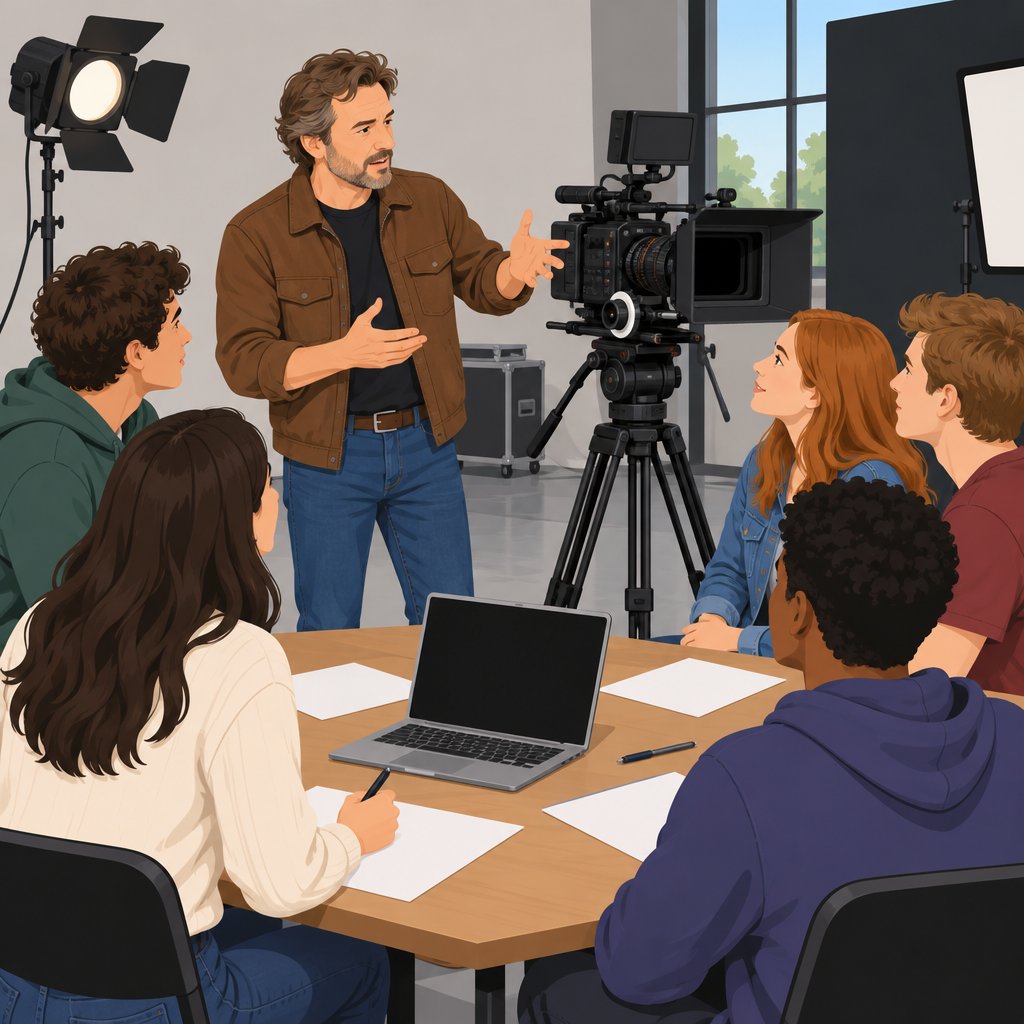
Building a Supportive Filmmaking Network
Building a professional network requires patience, attention, and regular communication.
Over time, strong relationships can provide support during changing career demands.
Therefore, treat every workshop and course as an opportunity to connect meaningfully.
Participate actively, listen carefully, and share your filmmaking journey with others.
These relationships can encourage future collaboration and support continued professional growth.
Whether you are starting out or advancing your career, networking can strengthen your industry position.
Explore Further: Marketing Manager's Role in Product Launches
Genre-Specific Directing Skills
Film directing includes several genres, each with distinct rules and creative challenges.
Genre conventions influence direction, pacing, tone, and character development.
Specialized workshops help directors strengthen techniques that match their chosen storytelling approach.
Drama Directing and Emotional Storytelling
Drama centers on emotional storytelling and requires careful attention to character motivations.
Directors must understand relationships while guiding actors toward authentic performances.
Drama training also develops dialogue delivery, timing, emotional arcs, and tension.
- Directors portray human experiences with greater authenticity.
- They improve dialogue delivery and scene timing.
- They develop stronger skills for building emotional tension.
- Drama Directing Intensive: This workshop provides practical exercises with experienced actors.
- Strasberg Institute: Its acting technique studies can support directors’ understanding of performance.
Comedy Direction and Precise Timing
Comedy depends on rhythm and timing that often differ from dramatic storytelling.
Directors must shape pacing carefully so humor reaches audiences effectively.
Comedy workshops help directors explore humor, character relationships, and audience engagement.
Transform Your Career Today
Unlock a personalized career strategy that drives real results. Get tailored advice and a roadmap designed just for you.
Start Now- Directors examine humor’s role within narrative structure.
- They create characters who feel relatable while remaining funny.
- They improve pacing and audience engagement techniques.
- Comedy Directing Bootcamp: This workshop emphasizes script analysis and comedic timing.
- Upright Citizens Brigade Theatre: Its classes combine improv with scene direction.
Horror Direction and Suspenseful Atmosphere
Horror relies on tension, suspense, atmosphere, and carefully controlled audience expectations.
Directors use visuals, sound, silence, and pacing to create fear and intrigue.
Specialized training helps filmmakers build suspense while planning effective scares.
- Directors strengthen visual storytelling that produces emotional responses.
- They use sound and silence for greater dramatic impact.
- They control pacing while developing suspense and scares.
- Screamfest Horror Film Festival: Its workshops explore established horror conventions.
- Masterclass with Horror Directors: These sessions feature lessons from recognized horror filmmakers.
Documentary Direction and Ethical Representation
Documentary directors balance creative storytelling with truthful representation.
They also combine research, interviews, observation, and editing decisions.
Ethical judgment remains essential when directors present real-life stories.
- Directors develop stronger interviewing and observational skills.
- They communicate real-life stories with greater power and clarity.
- They examine ethical responsibilities within documentary filmmaking.
- Documentary Filmmaking Workshop: This workshop covers research, interviews, and editing.
- True/False Film Festival: Its panels and workshops support aspiring documentary filmmakers.
Advantages of Genre Specialization
Specialization gives directors a focused path for developing genre-specific skills.
It also helps filmmakers build a recognizable directorial identity.
Focused training can connect directors with mentors and communities sharing similar interests.
- Directors can market their skills more effectively within a niche.
- They can build stronger connections within genre communities.
- They gain confidence with specialized storytelling techniques.
- They receive more targeted feedback and mentorship.
Choosing an Appropriate Directing Workshop
The right workshop can shape how effectively directors develop their selected genre skills.
Applicants should compare each program’s instructors, curriculum, structure, and delivery format.
Practical exercises can provide useful opportunities to apply genre-specific techniques.
- Reputation: Research the instructors’ backgrounds and industry standing.
- Focus: Confirm that the curriculum matches your interests within the genre.
- Structure: Select programs that include practical, hands-on exercises.
- Location: Decide whether an in-person or online format suits your needs.
Building a Focused Directing Practice
Specialized workshops can expand a director’s command of genre-specific storytelling methods.
Drama, comedy, horror, and documentary filmmaking each demand different creative decisions.
Directors can use targeted training to refine their craft and pursue their interests.
Learn More: Common Challenges Faced by Audio Engineers
Technology and Innovation in Film Directing
Technology has transformed how directors plan, create, and present films.
Modern filmmakers use innovative tools to strengthen storytelling and improve production efficiency.
Therefore, aspiring directors need practical knowledge of current filmmaking technology.
- Digital Cameras: High-resolution cameras provide flexibility across various lighting conditions.
- Non-Linear Editing Software: Adobe Premiere Pro and Final Cut Pro support efficient film editing.
- Visual Effects: After Effects helps directors integrate engaging visuals into narrative films.
- Virtual Reality and Augmented Reality: These technologies create immersive storytelling experiences.
- Remote Collaboration Tools: Zoom and Slack help distributed teams communicate and work together.
Workshops for Advanced Filmmaking Equipment and Software
Workshops increasingly combine technical instruction with creative directing exercises.
Participants practice using equipment and software throughout the directing process.
As a result, these programs connect technical knowledge with practical storytelling decisions.
- Film Directing Intensive Workshops: Participants explore cameras, lighting techniques, and editing software.
- Virtual Production Workshops: Students learn LED technology and real-time rendering techniques.
- Digital Cinematography Courses: These courses teach digital equipment use and aesthetic shot creation.
- Editing Masterclasses: Participants study storytelling, pacing, and industry-standard editing software.
- VFX and Motion Graphics Workshops: These sessions explain practical visual effects applications.
Courses Exploring Emerging Film Industry Trends
Technology continues to change the skills that directors need.
Specialized courses help filmmakers understand emerging tools, platforms, and production methods.
Furthermore, these courses encourage directors to adapt their creative and technical approaches.
- Filmmaking in the Age of AI: Participants examine AI tools for planning, production, and post-production.
- Documentary Filmmaking and New Media: Students explore digital platforms, social media, and streaming services.
- Interactive Storytelling: This course examines audience participation and non-linear narratives.
- Sustainable Filmmaking Practices: Directors learn environmentally friendly production methods and technologies.
- Production in a Post-Pandemic World: Participants study safety protocols and remote production techniques.
Technology’s Value in Contemporary Film Directing
Technology now supports nearly every stage of contemporary film directing.
Advanced equipment and software can strengthen visual communication and production quality.
By studying these tools, aspiring directors can prepare for an evolving filmmaking industry.
Building a Distinct Directorial Identity
Successful film directors develop distinctive voices that separate their work from other filmmakers.
This individuality invites audiences into worlds shaped by each director’s vision.
Over time, audiences and industry professionals recognize a consistent directorial signature.
Moreover, directing style shapes storytelling through pacing, tone, and visual aesthetics.
Therefore, filmmakers must experiment and remain open to new ideas while developing their creative identities.
Workshops That Encourage Creative Vision
Film directing workshops create supportive environments where participants can explore creative possibilities.
These programs encourage filmmakers to test different techniques and develop personal approaches.
Participants can explore several programs focused on creativity and artistic vision.
- Directing Lab: Participants direct short films through hands-on practice.
- Film Independent’s Directing in Your Voice: The program encourages personal storytelling through filmmaking.
- American Film Institute Conservatory: Students develop storytelling skills while pursuing individual vision.
- UCLA Extension Directing Workshops: Participants practice directing techniques across various formats.
- NYU Tisch School of the Arts: Students combine personal voice with technical skills.
Furthermore, these workshops help participants examine the influences behind their creative choices.
Personal experiences often shape artistic voices and encourage more authentic storytelling.
Consequently, participants gain clearer insight into their individual perspectives.
Methods for Cultivating a Directorial Voice
Filmmakers develop distinctive styles through patience, practice, and deliberate exploration.
Transform Your Career Today
Unlock a personalized career strategy that drives real results. Get tailored advice and a roadmap designed just for you.
Start NowSeveral methods can help directors strengthen their creative identities.
- Study Influential Directors: Analyze admired films and consider the choices behind their styles.
- Experiment with Different Genres: Explore various genres to broaden storytelling abilities.
- Write Your Own Scripts: Develop original scripts to bring personal ideas to life.
- Collaborate with Other Creatives: Work with writers, actors, and cinematographers to expand your perspective.
- Seek Constructive Feedback: Invite critiques from peers and mentors to improve your work.
- Embrace Failure: Treat setbacks as learning experiences when projects miss expectations.
- Build a Portfolio: Present diverse work that demonstrates your developing vision.
Continuous Learning for Directing Development
Directing remains an evolving craft that requires ongoing education.
Workshops and courses expose filmmakers to new techniques and changing industry trends.
This knowledge supports innovation and strengthens artistic capabilities.
Filmmakers can continue learning through several practical activities.
- Film Festivals: Attend screenings and panel discussions for creative inspiration.
- Online Courses: Study directing through courses offered by MasterClass and Coursera.
- Networking Events: Meet filmmakers who can introduce new ideas and approaches.
- Directing Challenges: Join filmmaking challenges that push creative boundaries.
Practice as a Path to Directorial Clarity
Sustained practice gradually clarifies a filmmaker’s directorial voice.
Each new project gives directors opportunities to refine their creative decisions.
Practical exercises can strengthen directing skills and encourage purposeful experimentation.
- Direct Short Films: Use small projects to test new ideas.
- Analyze Scripts: Examine character motivations and themes within each script.
- Conduct Actor Workshops: Work with actors to deepen your understanding of performance.
- Visual Storytelling Exercises: Create shot lists and storyboards to practice composition.
- Attend Live Theater: Observe pacing and audience engagement during performances.
Personal Experience and Authentic Storytelling
Life experiences influence the narratives filmmakers choose to tell.
Personal backgrounds can provide meaningful inspiration for film projects.
When directors incorporate elements of their journeys, they often enrich their storytelling.
Authentic narratives can resonate with audiences and encourage stronger connections.
Ultimately, filmmakers should express individual perspectives and allow unique experiences to shape their directing styles.
Sustaining a Personal Directorial Voice
A personal directing style develops through dedication, practice, and continued exploration.
Workshops provide tools that help filmmakers nurture distinctive creative voices.
Feedback and reflection also help directors learn from each filmmaking experience.
By embracing individuality, filmmakers can create meaningful identities within the film industry.
Advancing a Directing Career Through Education
Film directing courses can strengthen a filmmaker’s confidence through focused practice and thoughtful feedback.
Critique sessions help participants recognize weaknesses and adjust their creative decisions.
That process encourages steady growth while allowing each filmmaker to clarify a personal directorial voice.
Workshops also expose participants to varied directing styles and creative perspectives.
These experiences can help aspiring directors make informed choices about their artistic goals.
Mentors share lessons from professional successes and challenges, giving students useful perspectives on career decisions.
Rather than relying on theory alone, participants can connect those lessons with their own development.
Training also prepares filmmakers to respond to changing expectations within the industry.
By continuing their education, aspiring directors can refine their skills and pursue filmmaking with greater purpose.
Consistent dedication can turn creative ambition into a more focused and rewarding professional path.
Additional Resources
Google search results for Essential Film Directing Workshops and Courses Media and Communication
Bing search results for Essential Film Directing Workshops and Courses Media and Communication


